Department of Breast Surgery, Hwa Mei Hospital, University of Chinese Academy of Sciences, Ningbo, Zhejiang 315000, P.R. China.
Oncol Rep. 2020 Sep;44(3):819-837. doi: 10.3892/or.2020.7657. Epub 2020 Jun 23.
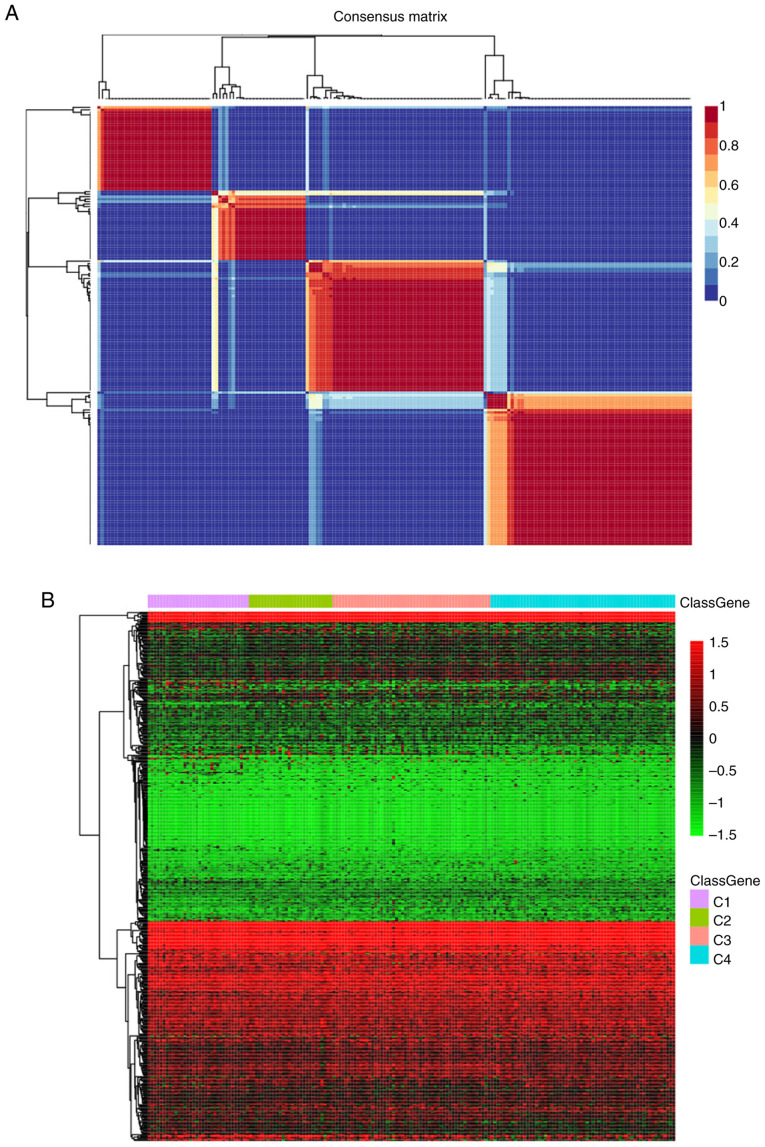
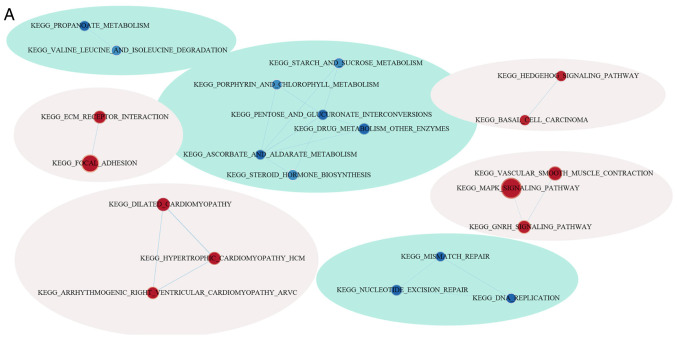
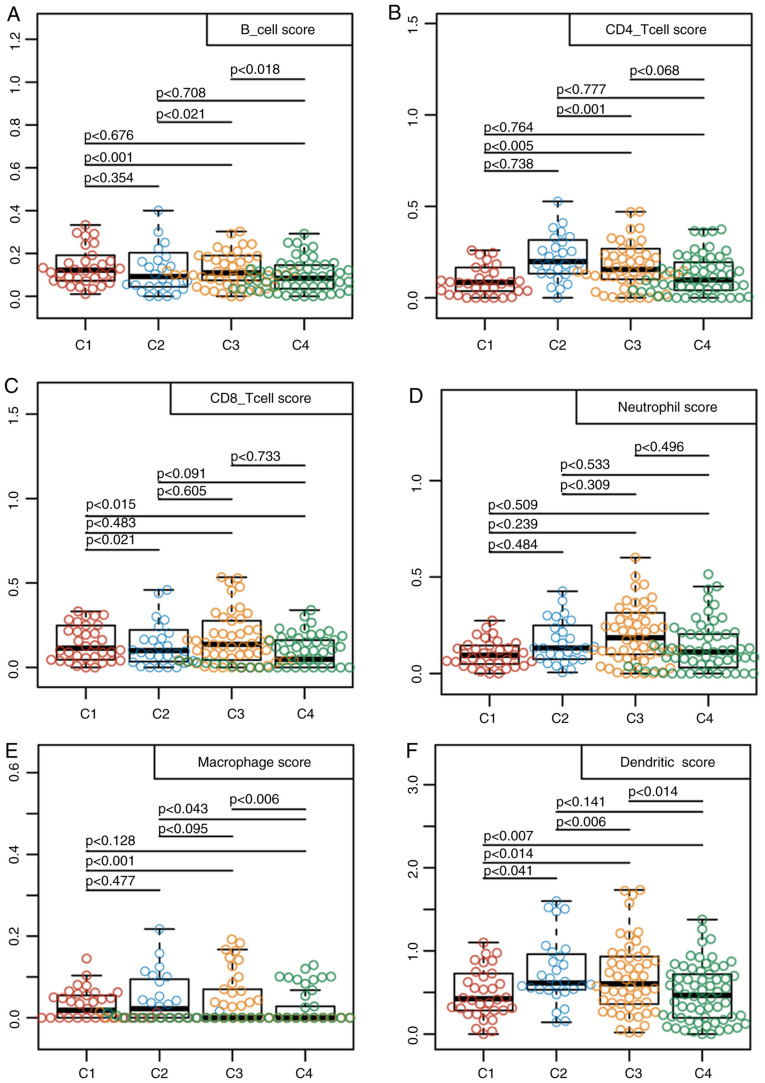
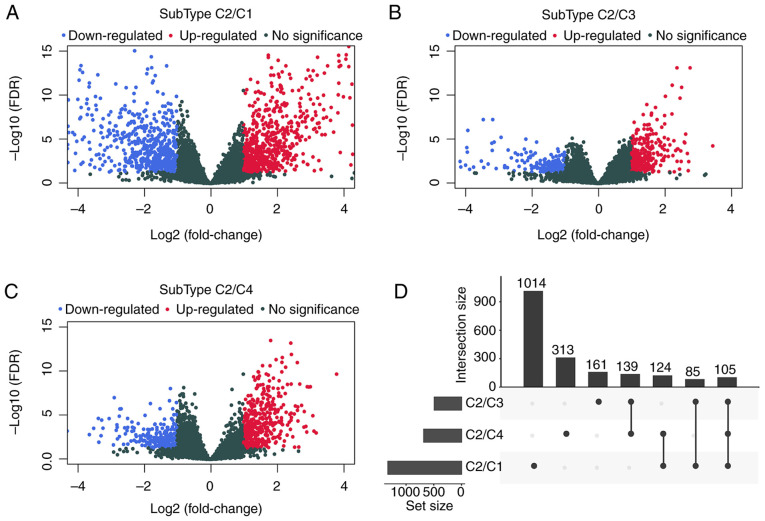
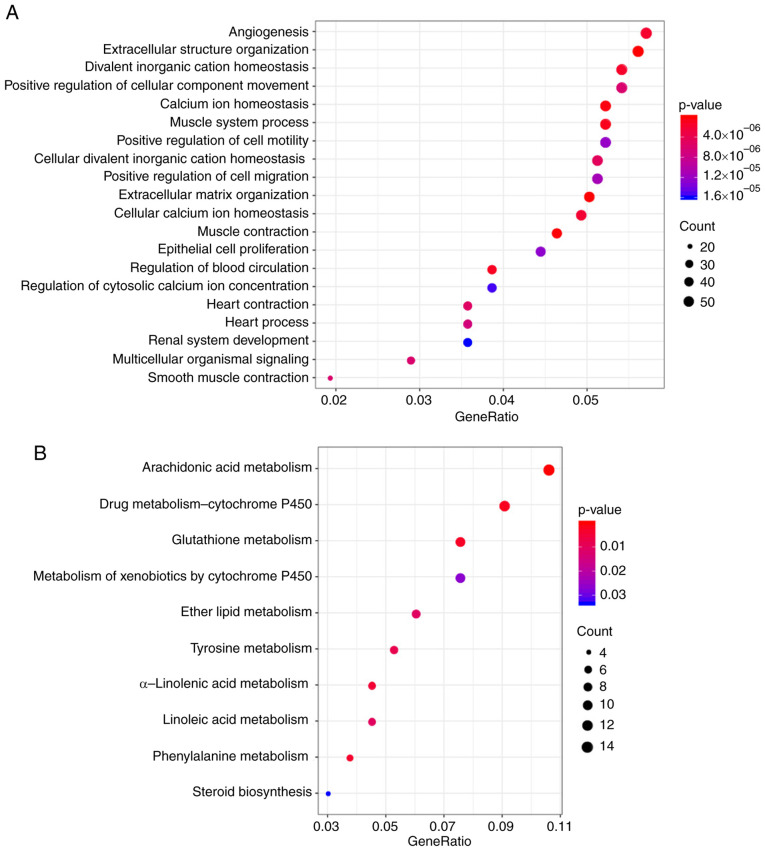
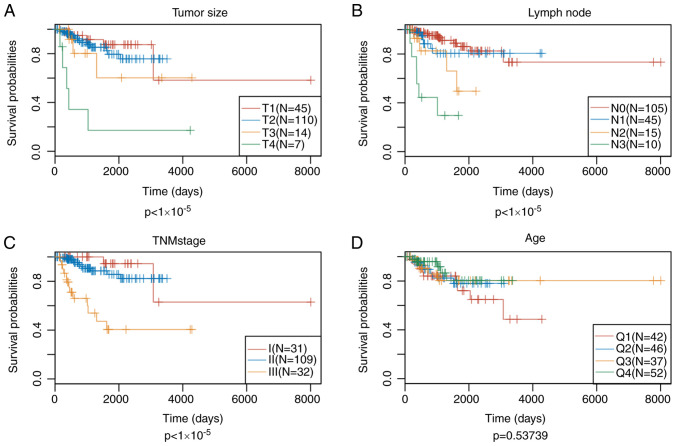
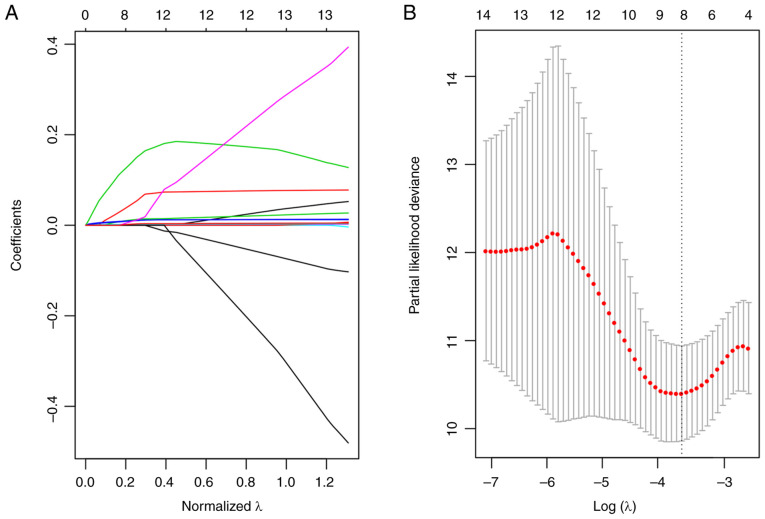
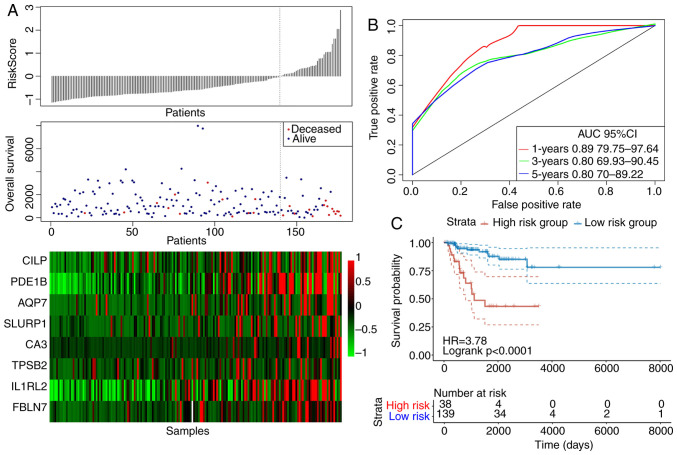
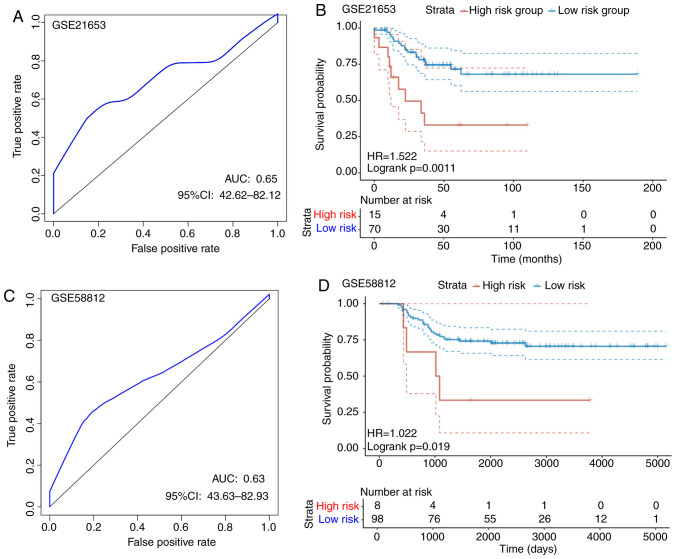
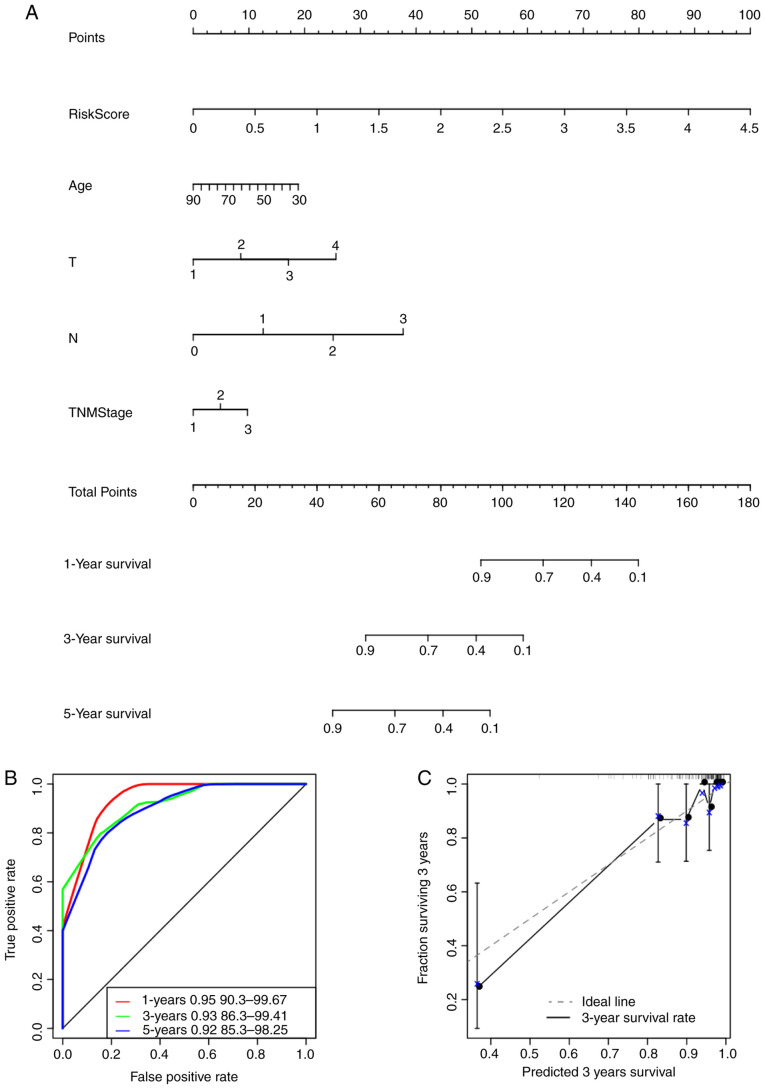
At present, a large number of exciting results have been found regarding energy metabolism within the triple‑negative breast cancer (TNBC) field. Apart from aerobic glycolysis, a number of other catabolic pathways have also been demonstrated to participate in energy generation. However, the prognostic value of energy metabolism for TNBC currently remains unclear. In the present study, the association between gene expression profiles of energy metabolism and outcomes in patients with TNBC was examined using datasets obtained from the Gene Expression Omnibus and The Cancer Genome Atlas. In total, four robust TNBC subtypes were identified on the basis of negative matrix factorization clustering and gene expression patterns, which exhibited distinct immunological, molecular and prognostic (disease‑free survival) features. The differentially expressed genes were subsequently identified from the subgroup that demonstrated the poorest prognosis compared with the remaining 3 subgroups, where their biological functions were assessed further by means of gene ontology enrichment analysis. Any signatures found to be associated with energy metabolism were then established using the Cox proportional hazards model to assess patient prognosis. According to results of Kaplan‑Meier analysis, the constructed signature consisting of eight genes that were associated with energy metabolism distinguished patient outcomes into low‑ and high‑risk groups. In addition, this signature, which was found to be markedly associated with the clinical characteristics of the patients, served as an independent factor in predicting TNBC patient prognosis. According to gene set enrichment analysis, the gene sets related to the high‑risk group participated in the MAPK signal transduction pathway, focal adhesion and extracellular matrix receptor interaction, whilst those related to the low‑risk group were revealed to be mainly associated with mismatch repair and propanoate metabolism. Findings from the present study shed new light on the role of energy metabolism within TNBC, where the eight‑gene signature associated with energy metabolism constructed can be utilized as a new prognostic marker for predicting survival in patients with TNBC.
目前,在三阴性乳腺癌(TNBC)领域已经发现了大量关于能量代谢的令人兴奋的结果。除了有氧糖酵解外,还有一些其他的分解代谢途径也被证明参与了能量生成。然而,能量代谢对 TNBC 的预后价值目前尚不清楚。本研究利用从基因表达综合数据库和癌症基因组图谱中获得的数据集,检查了能量代谢的基因表达谱与 TNBC 患者结局之间的关系。在总共有四种基于负矩阵分解聚类和基因表达模式的稳健的 TNBC 亚型,它们表现出不同的免疫、分子和预后(无病生存)特征。随后,与剩余 3 个亚组相比,在预后最差的亚组中识别出差异表达基因,并通过基因本体富集分析进一步评估其生物学功能。然后使用 Cox 比例风险模型建立与能量代谢相关的任何特征,以评估患者的预后。根据 Kaplan-Meier 分析的结果,由 8 个与能量代谢相关的基因组成的构建特征将患者的结局分为低风险和高风险组。此外,该特征与患者的临床特征明显相关,是预测 TNBC 患者预后的独立因素。根据基因集富集分析,与高风险组相关的基因集参与了 MAPK 信号转导途径、焦点粘连和细胞外基质受体相互作用,而与低风险组相关的基因集主要与错配修复和丙酸代谢有关。本研究的结果为 TNBC 中能量代谢的作用提供了新的认识,构建的与能量代谢相关的 8 基因特征可作为预测 TNBC 患者生存的新预后标志物。