Infectious Disease Programme and Department of Microbiology & Immunology, Yong Loo Lin School of Medicine, National University of Singapore, Singapore.
Immunology Programme, Life Sciences Institute, National University of Singapore, Singapore.
J Exp Med. 2020 Sep 7;217(9). doi: 10.1084/jem.20191548.
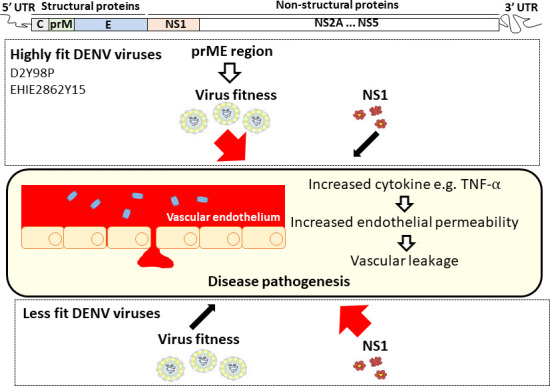
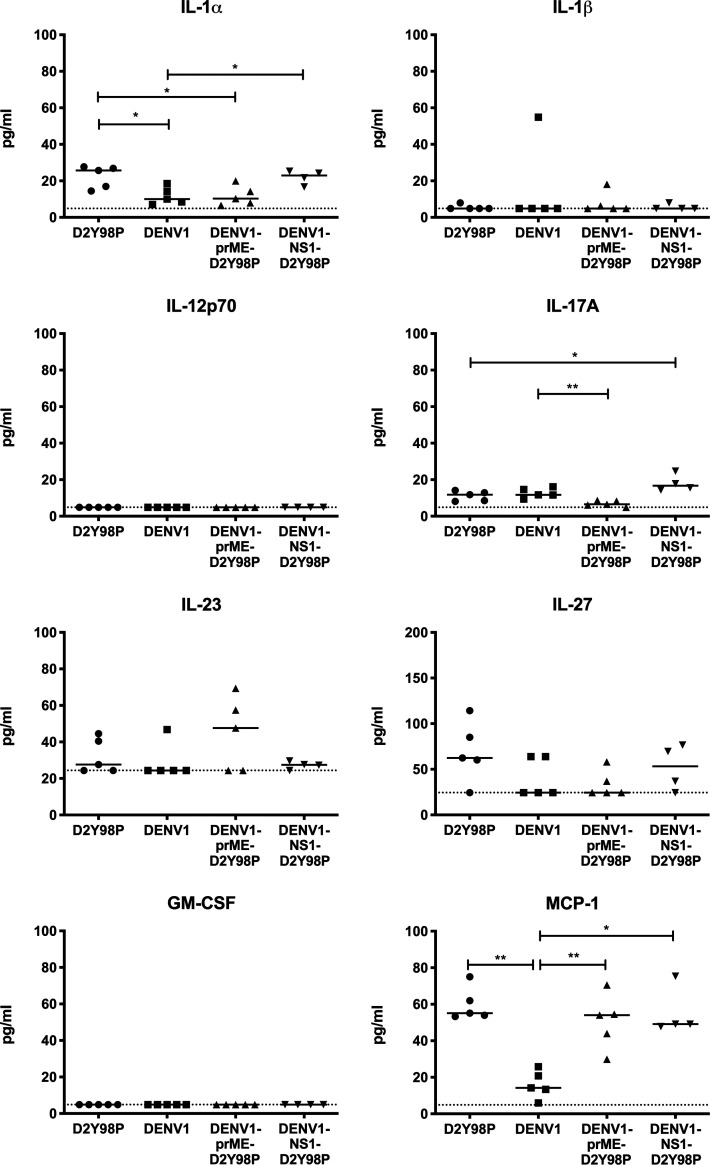
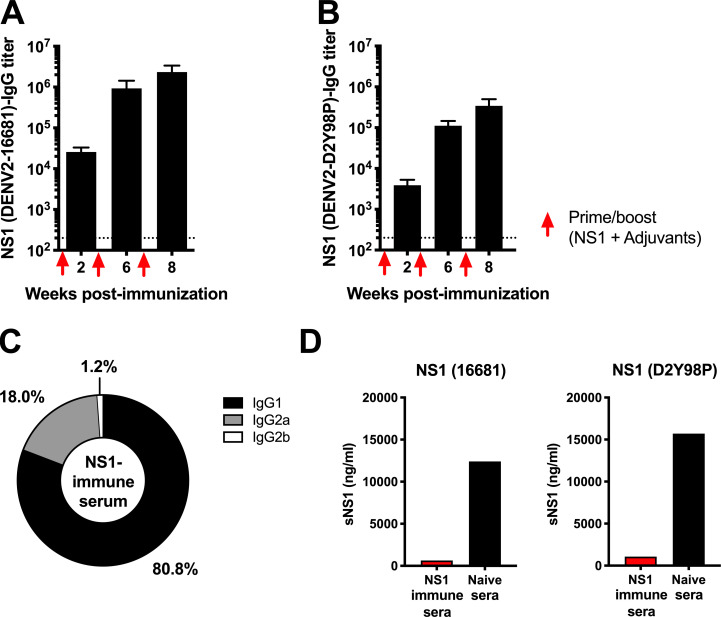
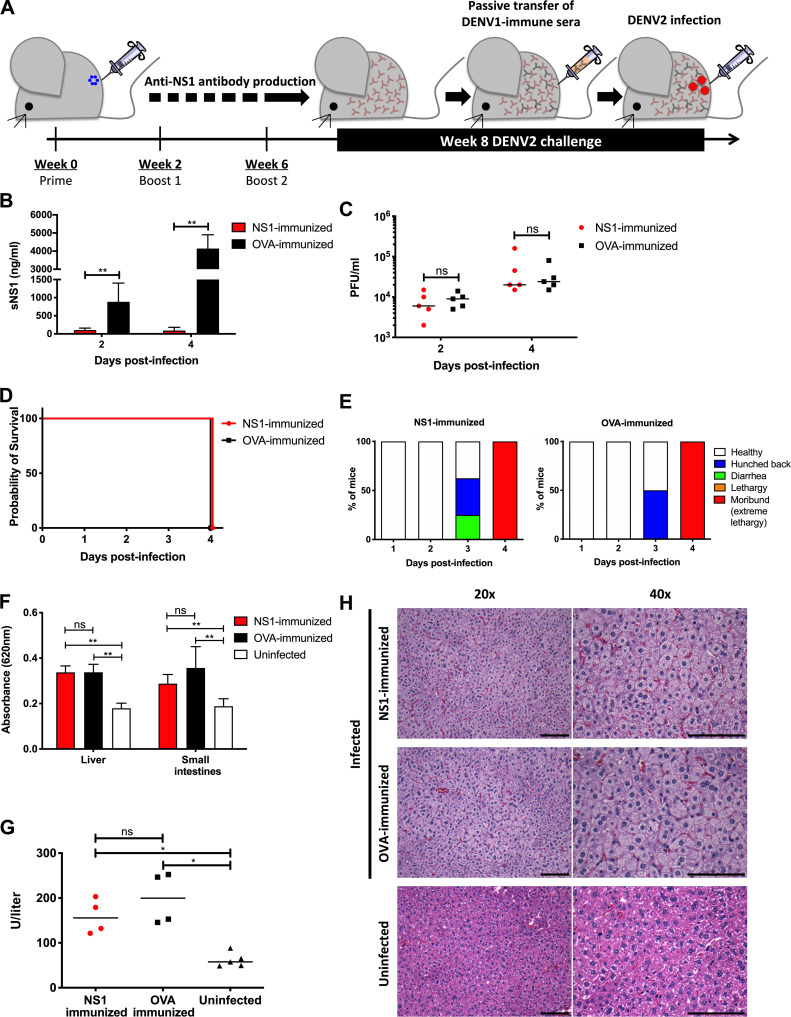
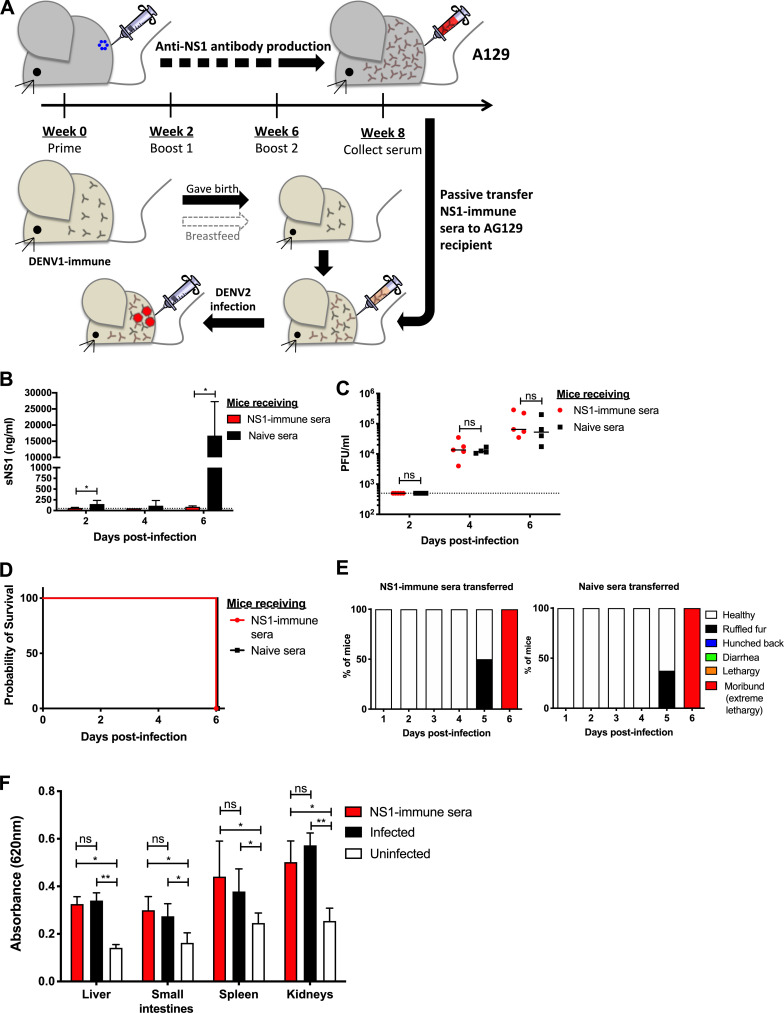
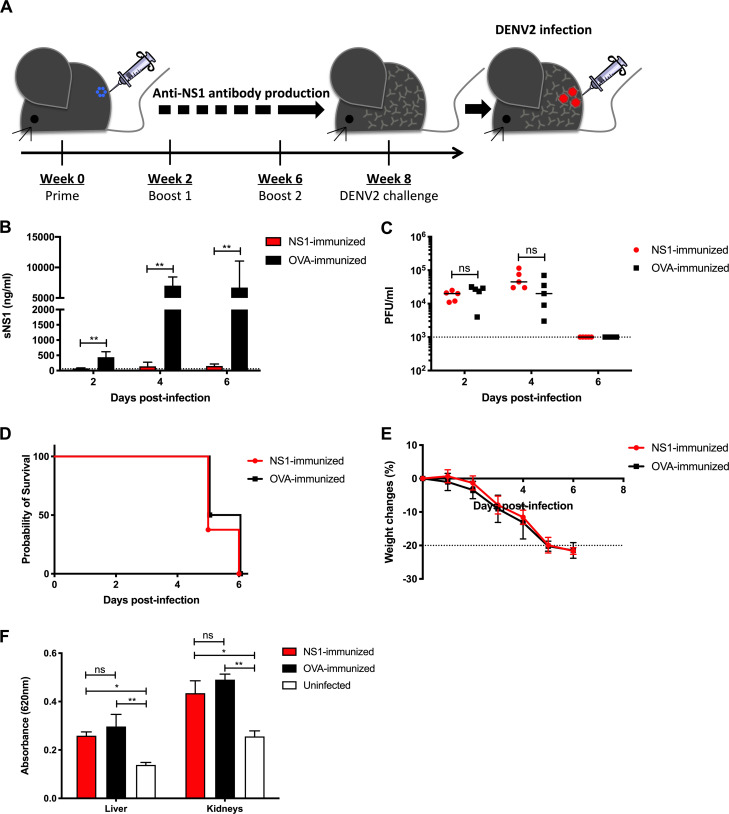
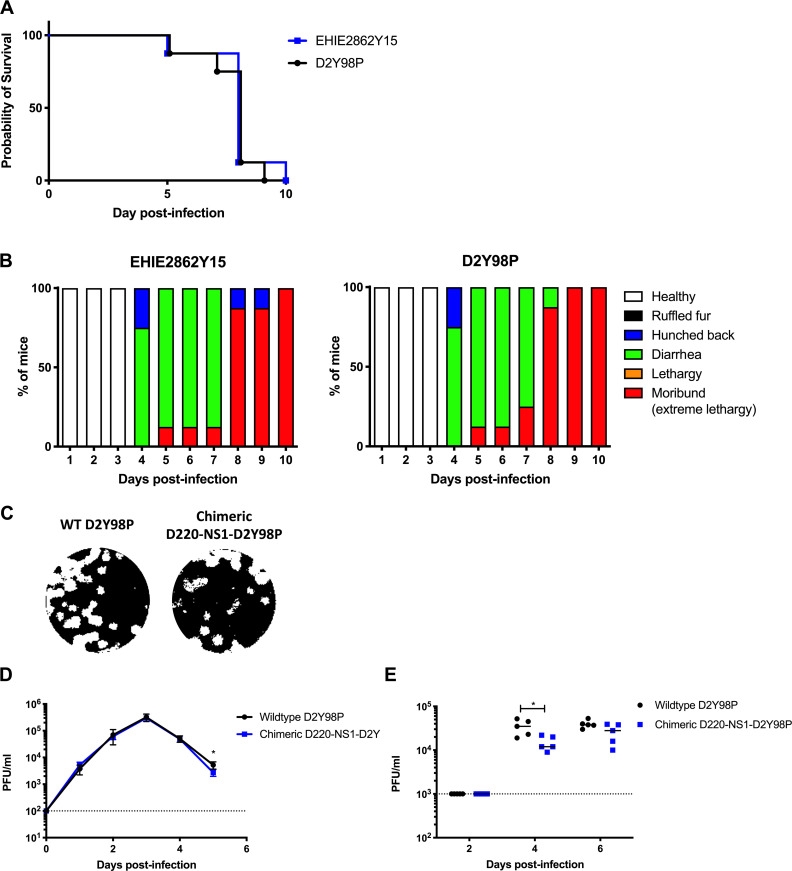
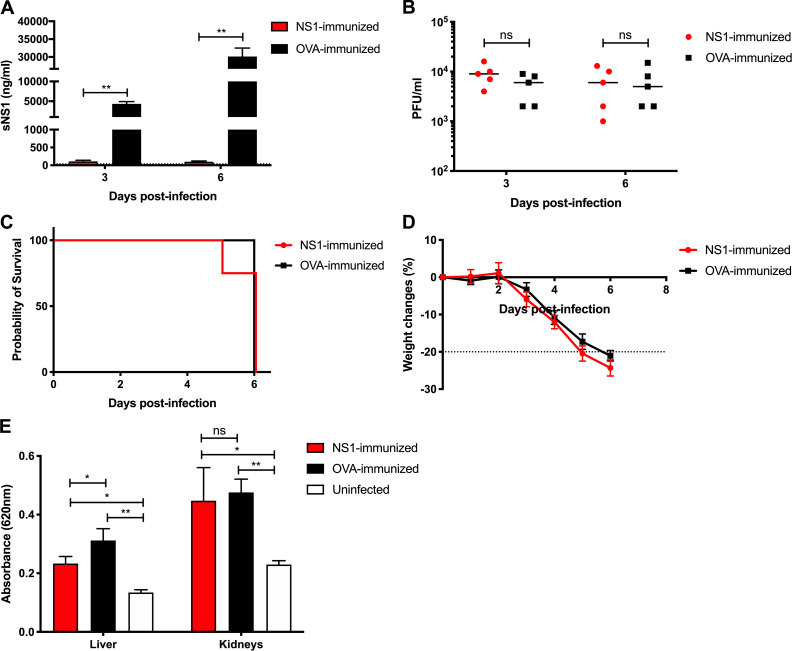
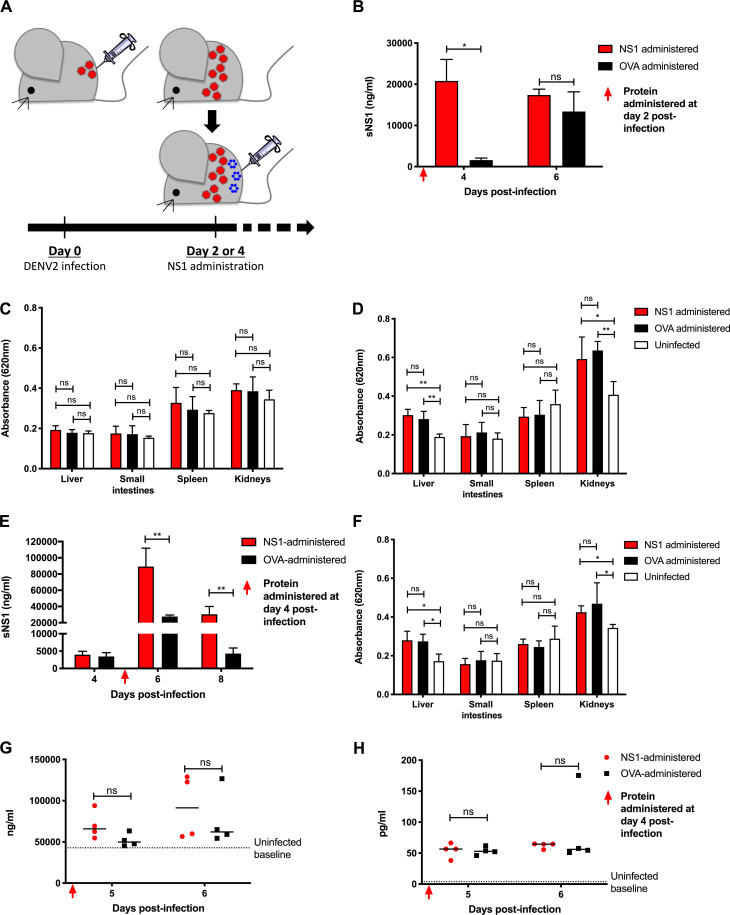
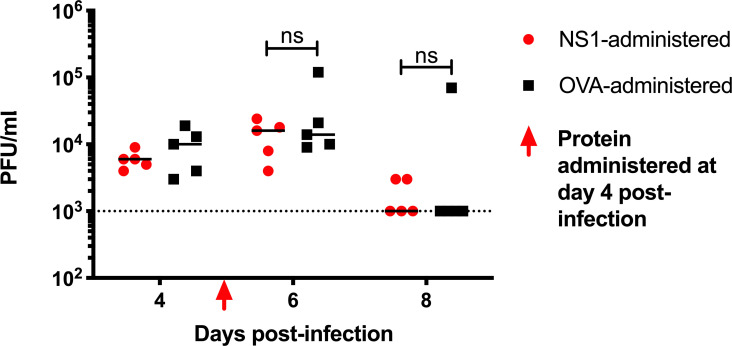
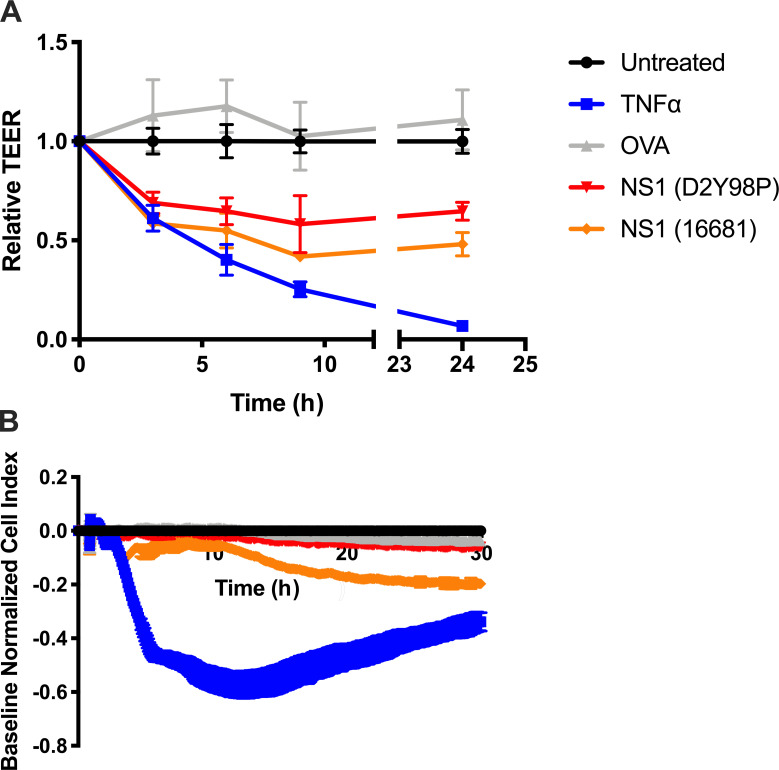
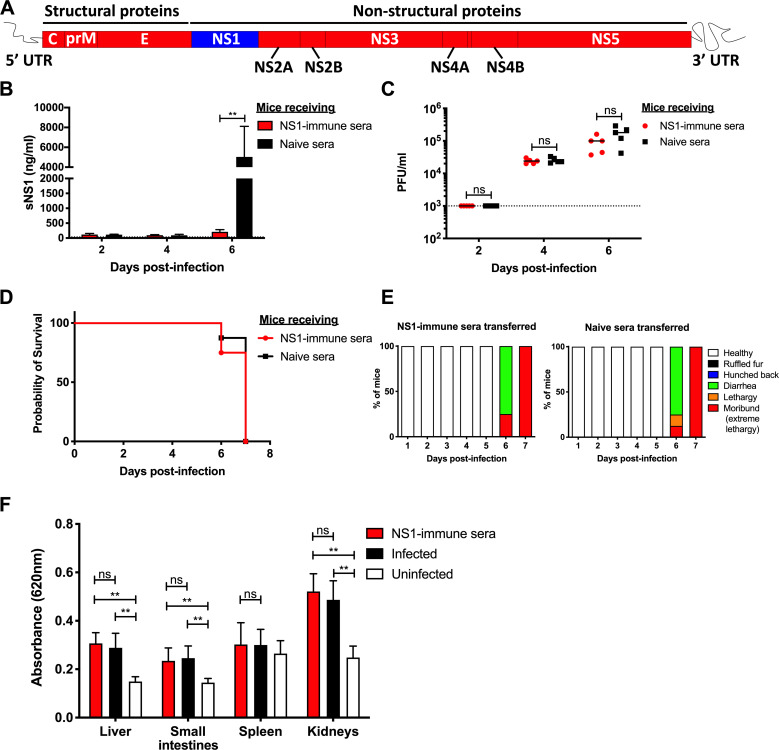
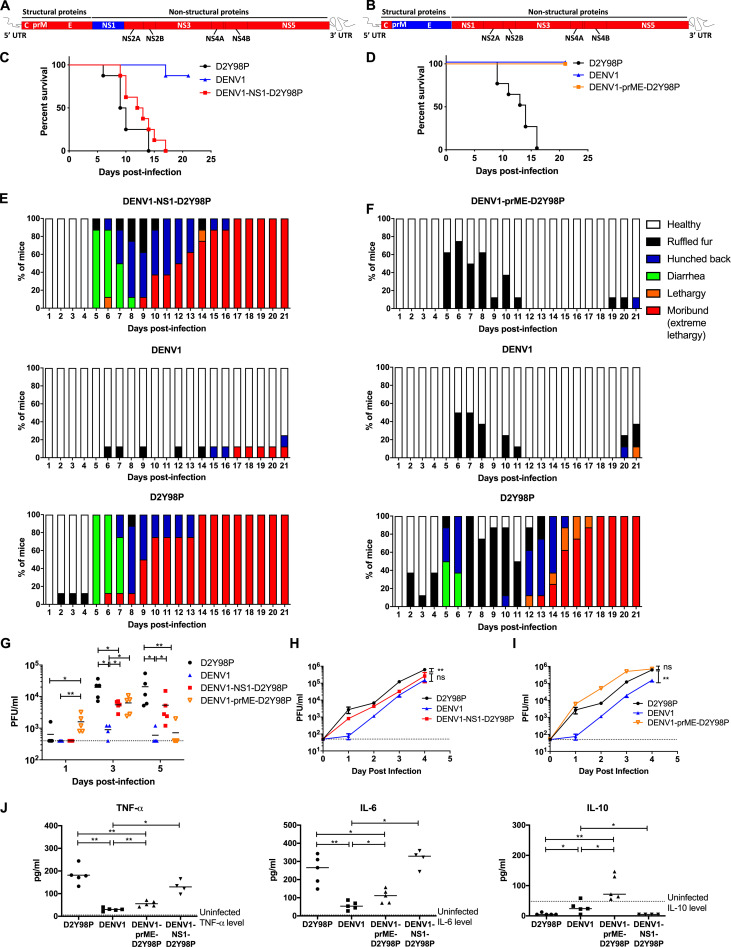
Dengue is a major public health concern in the tropical and subtropical world, with no effective treatment. The controversial live attenuated virus vaccine Dengvaxia has boosted the pursuit of subunit vaccine approaches, and nonstructural protein 1 (NS1) has recently emerged as a promising candidate. However, we found that NS1 immunization or passive transfer of NS1 antibodies failed to confer protection in symptomatic dengue mouse models using two non-mouse-adapted DENV2 strains that are highly virulent. Exogenous administration of purified NS1 also failed to worsen in vivo vascular leakage in sublethally infected mice. Neither method of NS1 immune neutralization changed the disease outcome of a chimeric strain expressing a vascular leak-potent NS1. Instead, virus chimerization involving the prME structural region indicated that these proteins play a critical role in driving in vivo fitness and virulence of the virus, through induction of key proinflammatory cytokines. This work highlights that the pathogenic role of NS1 is DENV strain dependent, which warrants reevaluation of NS1 as a universal dengue vaccine candidate.
登革热是热带和亚热带地区的一个主要公共卫生问题,目前尚无有效的治疗方法。有争议的减毒活病毒疫苗登革热疫苗(Dengvaxia)推动了亚单位疫苗方法的研究,非结构蛋白 1(NS1)最近成为一个很有前途的候选者。然而,我们发现,使用两种非适应于小鼠的高致病性 DENV2 株,NS1 免疫或被动转移 NS1 抗体未能在有症状的登革热小鼠模型中提供保护。纯化的 NS1 的外源性给药也未能加重亚致死感染小鼠体内的血管渗漏。NS1 免疫中和的这两种方法都没有改变表达血管渗漏潜能 NS1 的嵌合株的疾病结局。相反,涉及 prME 结构区的病毒嵌合表明这些蛋白通过诱导关键的促炎细胞因子,在驱动病毒体内适应性和毒力方面发挥关键作用。这项工作强调了 NS1 的致病性作用依赖于 DENV 株,这需要重新评估 NS1 作为通用登革热疫苗候选物的作用。