Jin Xiao, Dai Lu, Ma Yilan, Wang Jiayan, Liu Zheng
Medical Center for Digestive Diseases, Second Affiliated Hospital, Nanjing Medical University, 121 Jiangjiayuan Road, Nanjing, 210011 Jiangsu China.
Cancer Cell Int. 2020 Jun 24;20:273. doi: 10.1186/s12935-020-01370-0. eCollection 2020.
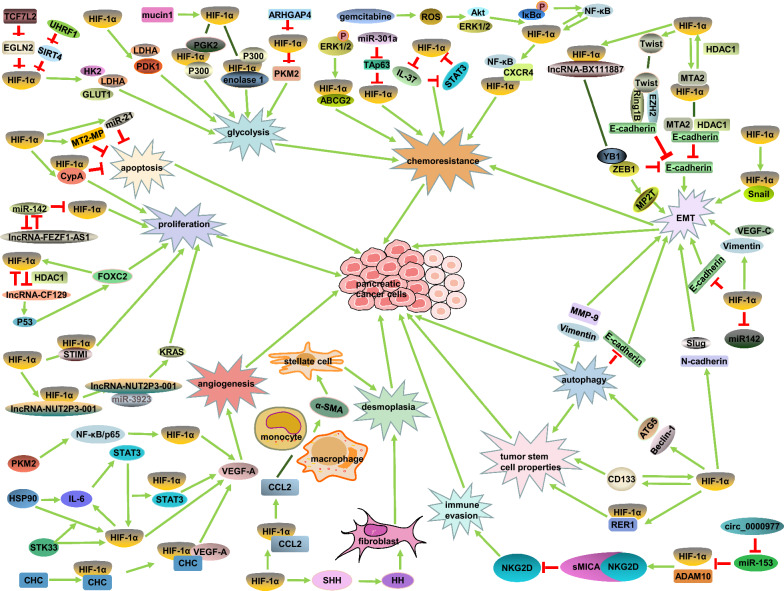
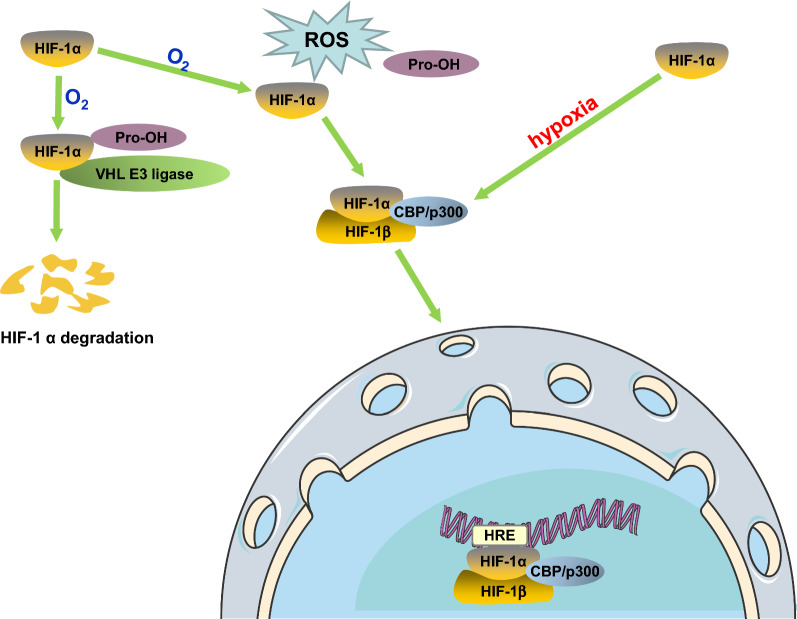
Pancreatic cancer is one of the leading causes of cancer-related deaths worldwide and is characterized by highly hypoxic tumor microenvironment. Hypoxia-inducible factor-1 alpha (HIF-1α) is a major regulator of cellular response to changes in oxygen concentration, supporting the adaptation of tumor cells to hypoxia in an oxygen-deficient tumor microenvironment. Numerous studies revealed the central role of HIF-1α in the carcinogenesis and progression of pancreatic cancer. This article reviewed the molecular mechanisms of how HIF-1α regulated tumorigenesis and progression of pancreatic cancer and suggested that targeting HIF-1α and its signaling pathways could be promising therapeutics for pancreatic cancer.
胰腺癌是全球癌症相关死亡的主要原因之一,其特征是肿瘤微环境高度缺氧。缺氧诱导因子-1α(HIF-1α)是细胞对氧浓度变化反应的主要调节因子,支持肿瘤细胞在缺氧的肿瘤微环境中适应缺氧。大量研究揭示了HIF-1α在胰腺癌发生和发展中的核心作用。本文综述了HIF-1α调控胰腺癌发生和发展的分子机制,并表明靶向HIF-1α及其信号通路可能是治疗胰腺癌的有前景的方法。