Elbasyouni Amel, Kyama Mutinda C, El-Shemy Hany A, Mwitari Peter G
Molecular Biology and Biotechnology Program, Pan African University Institute for Basic Sciences, Technology & Innovation (PAUSTI), Nairobi, Kenya.
Department of Medical Laboratory Science, College of Health Sciences, Jomo Kenyatta University of Agriculture and Technology, Nairobi, Kenya.
PLoS One. 2025 May 30;20(5):e0323680. doi: 10.1371/journal.pone.0323680. eCollection 2025.
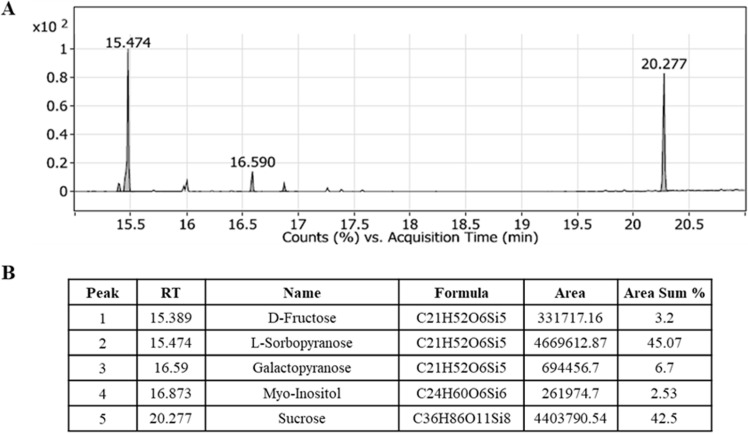
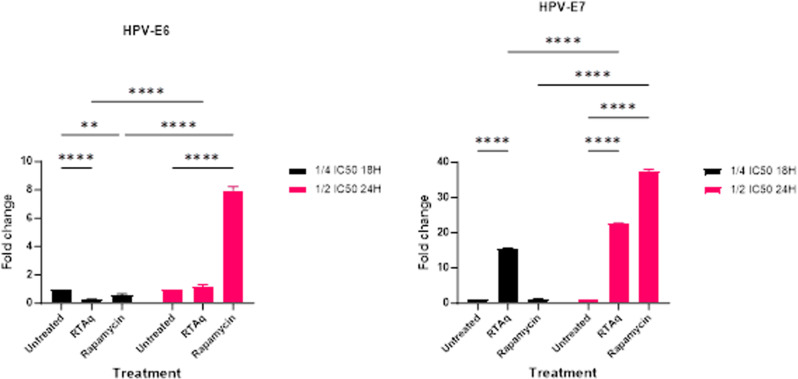
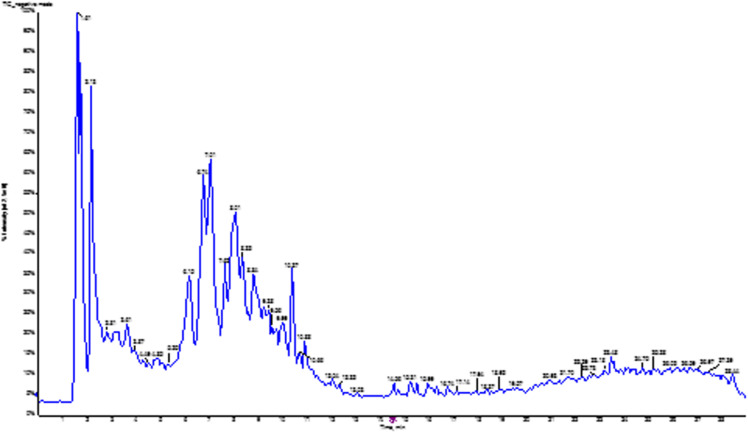
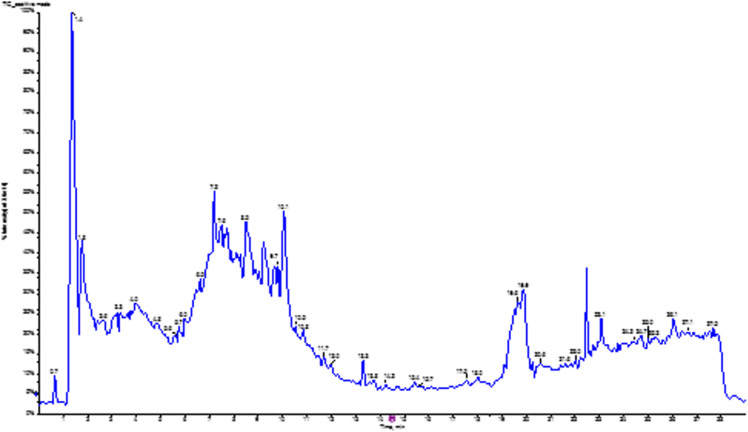
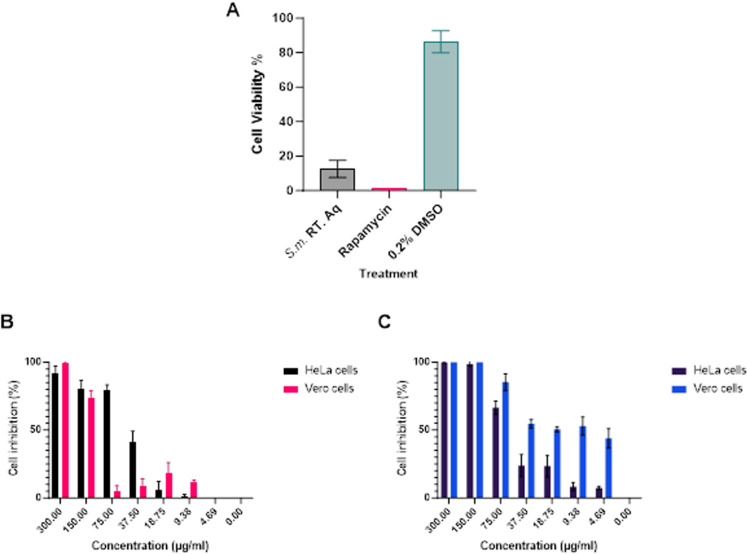
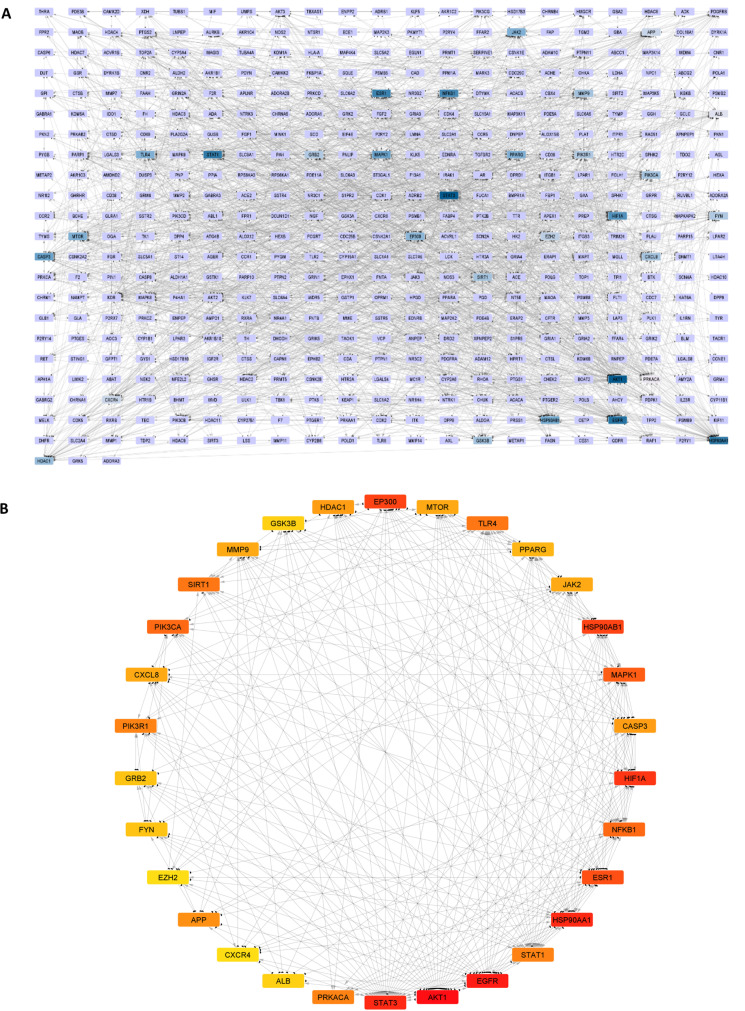
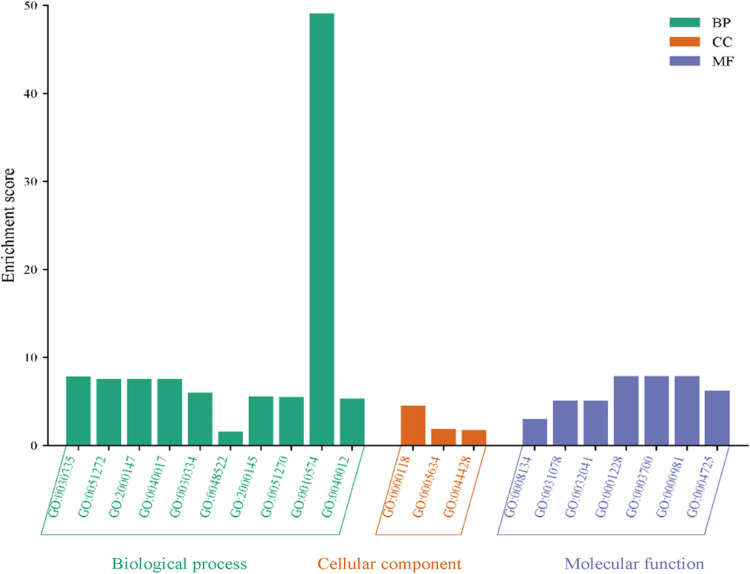
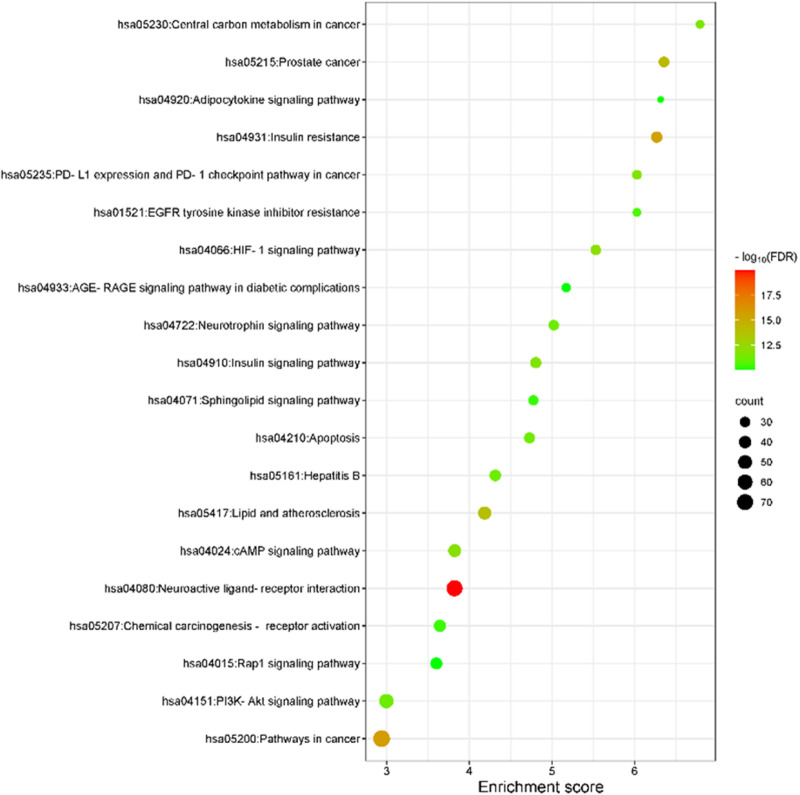
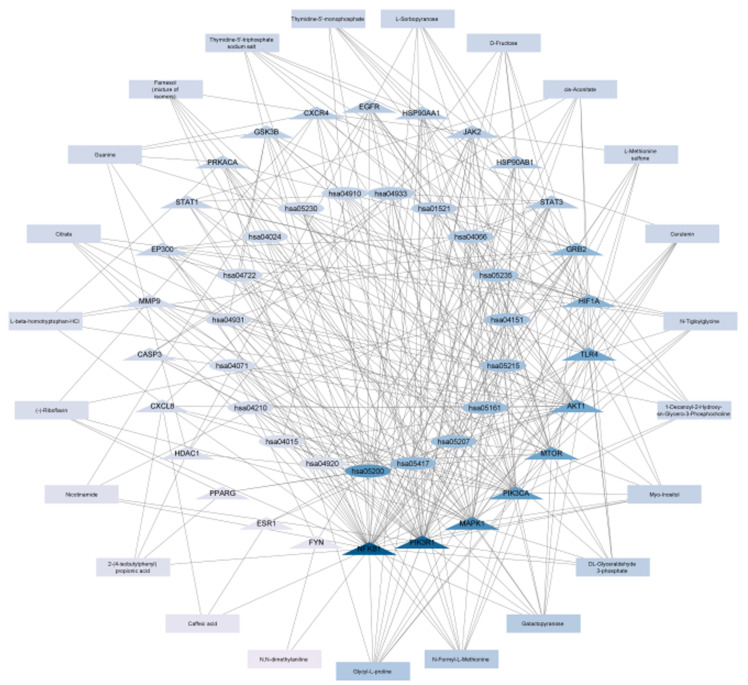
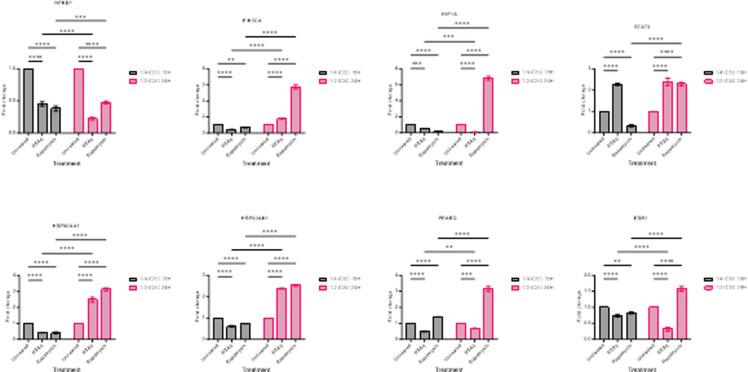
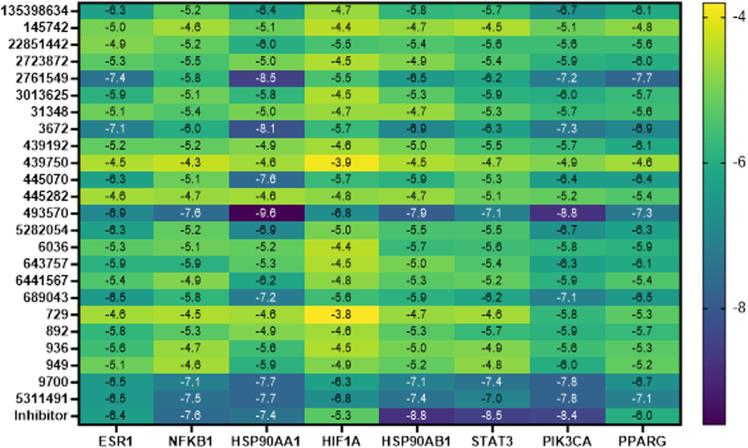
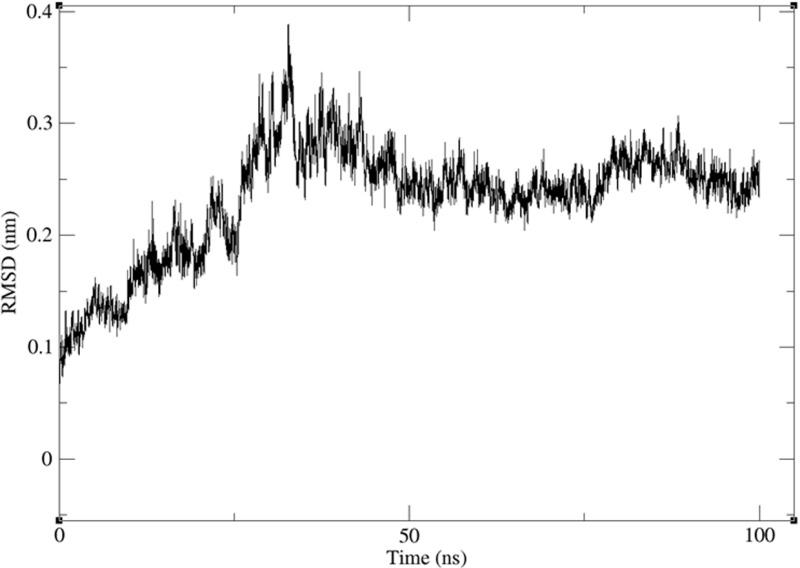
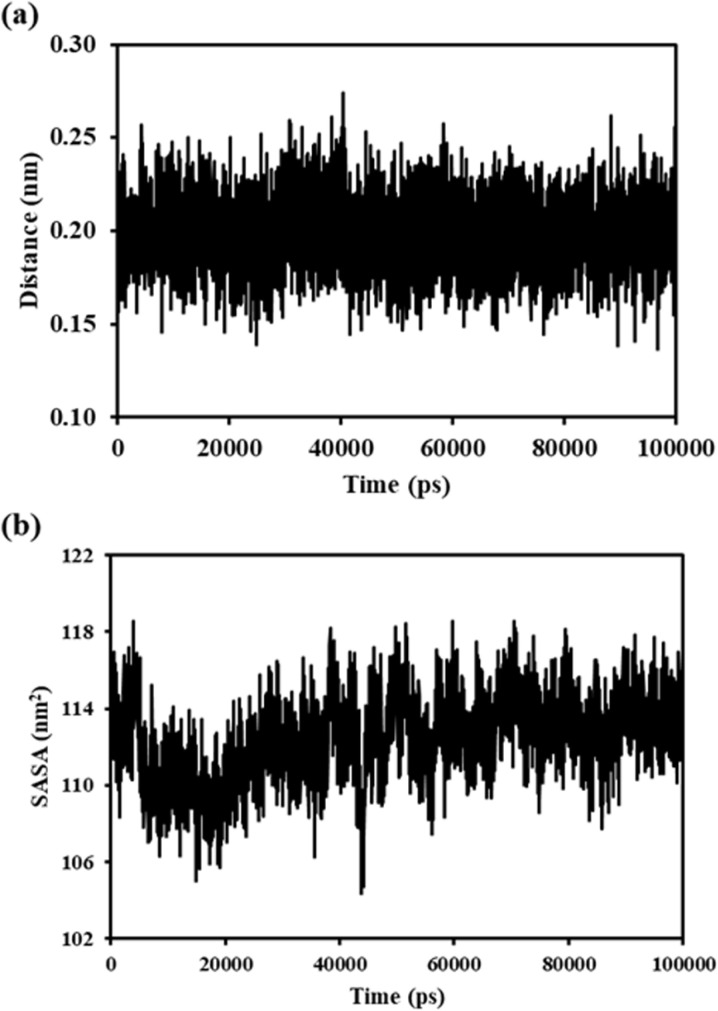
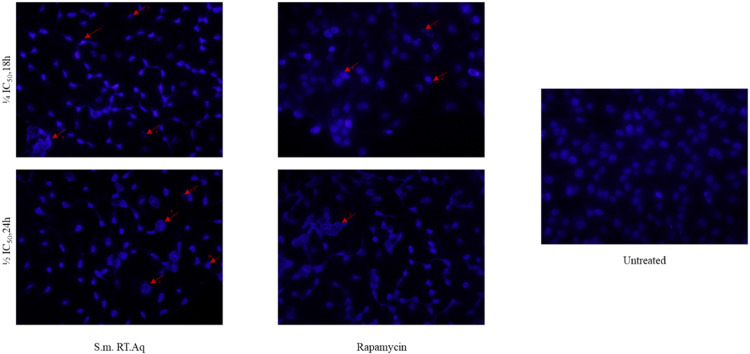
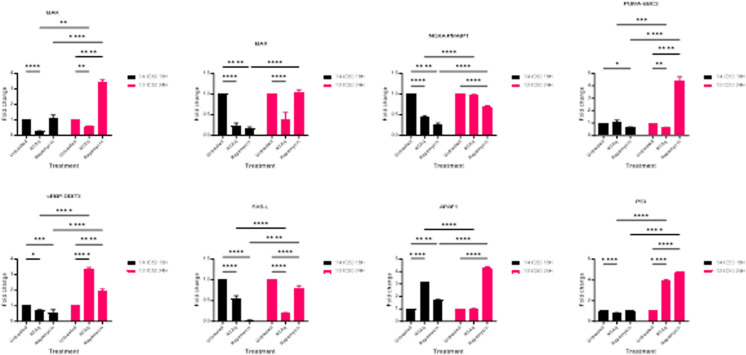
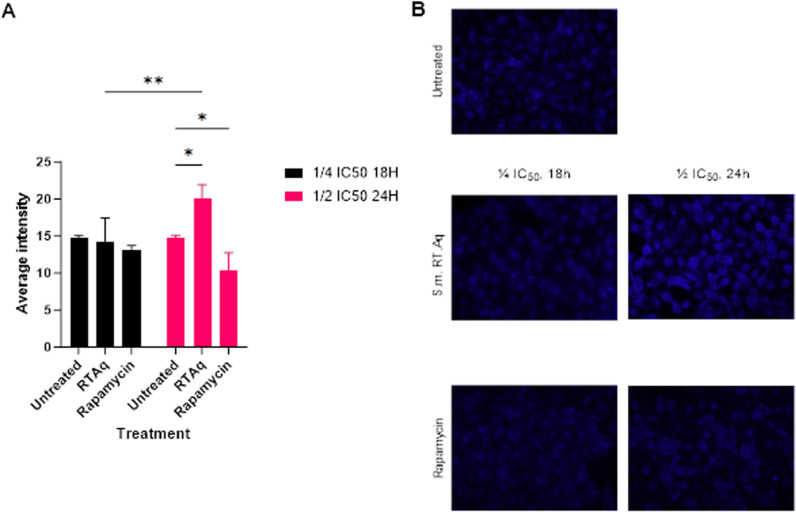
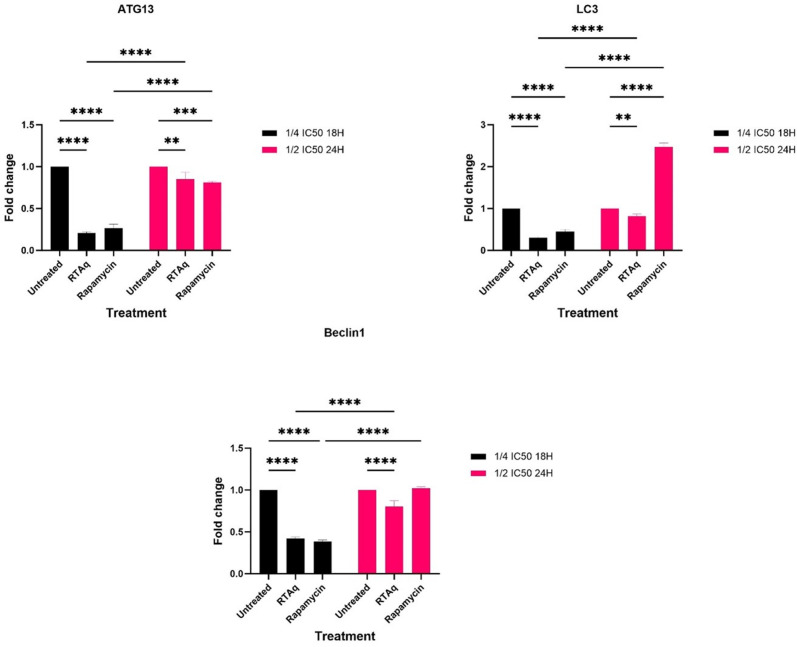
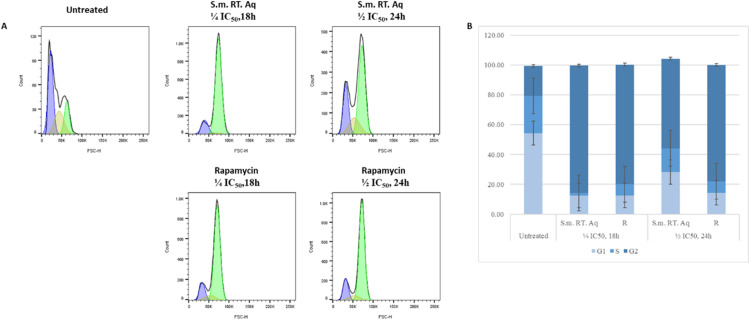
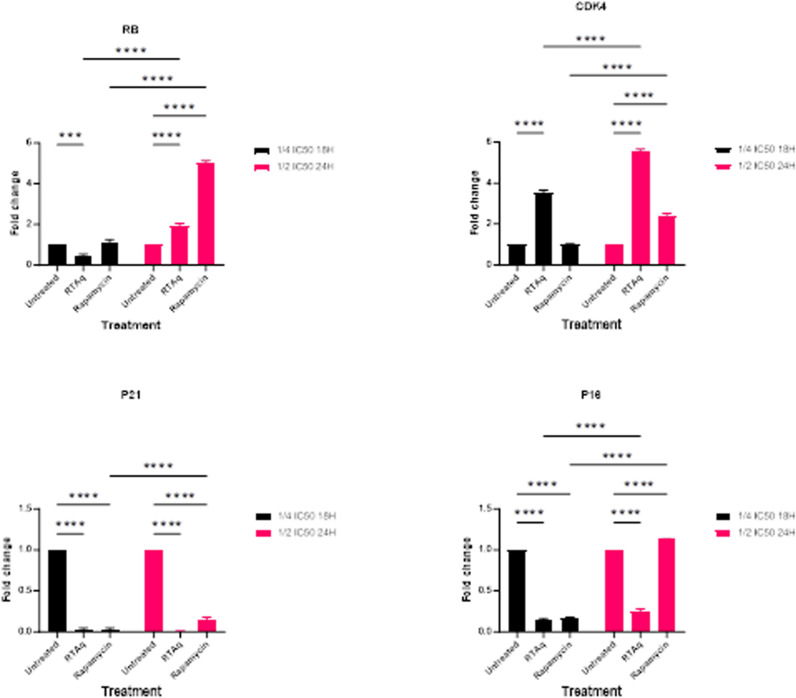
Cervical cancer remains one of the leading causes of cancer-related mortality among women worldwide, particularly in low- and middle-income countries, highlighting the need for improved strategies in treatment and management. This study aimed to investigate the anti-cervical cancer potential and molecular mechanisms of Solanecio mannii (S. mannii) aqueous extract using a "multi-compound, multi-target, multi-pathway" approach, integrating both computational and experimental methods. The metabolomics profile of the extract was analysed, and its selective cytotoxicity was assessed against human cervical cancer cell lines (HeLa cells) using the CCK8 assay. A network pharmacology approach identified potential molecular targets and pathways, which was complemented by molecular docking and dynamic simulation. The expression levels of key targets were validated experimentally using quantitative real-time polymerase chain reaction. Additionally, the extract's effects on apoptosis, autophagy, and cell cycle progression were studied experimentally. The aqueous roots extract exhibited selective cytotoxicity against HeLa cells with an IC50 of 12.53 ± 4.983 μg/ml. The network pharmacology analysis identified 25 drug-like compounds targeting 493 unique cervical cancer-associated proteins, forming a protein-protein interaction network of 465 nodes and 2230 edges, and implicated in 178 enriched KEGG pathways. Key targets, including NFΚB1, PIK3CA, HIF1A, STAT3, HSP90AA1, HSP90AB1, PPARG, and ESR1 were experimentally downregulated. Furthermore, S. mannii aqueous roots extract triggered apoptosis through endoplasmic reticulum stress, DNA damage, and activation of the non-transcriptional, P53-mediated mitochondrial apoptotic pathway. Additionally, the extract inhibited hypoxia and autophagy, and induced cell cycle arrest at the G2/M phase, even in the presence of oncogenic HPV proteins (E6 and E7). In conclusion, Solanecio mannii aqueous roots extract demonstrates a "multi-compound, multi-target, multi-pathway" molecular mechanism against cervical cancer.
宫颈癌仍然是全球女性癌症相关死亡的主要原因之一,在低收入和中等收入国家尤为突出,这凸显了改进治疗和管理策略的必要性。本研究旨在采用“多化合物、多靶点、多途径”方法,综合计算和实验方法,研究曼氏千里光(Solanecio mannii)水提取物的抗宫颈癌潜力和分子机制。分析了提取物的代谢组学特征,并使用CCK8测定法评估了其对人宫颈癌细胞系(HeLa细胞)的选择性细胞毒性。网络药理学方法确定了潜在的分子靶点和途径,并通过分子对接和动态模拟进行了补充。使用定量实时聚合酶链反应对关键靶点的表达水平进行了实验验证。此外,还通过实验研究了提取物对细胞凋亡、自噬和细胞周期进程的影响。水根提取物对HeLa细胞表现出选择性细胞毒性,IC50为12.53±4.983μg/ml。网络药理学分析确定了25种类药物化合物,靶向493种独特的宫颈癌相关蛋白,形成了一个由465个节点和2230条边组成的蛋白质-蛋白质相互作用网络,并涉及178条富集的KEGG途径。包括NFΚB1、PIK3CA、HIF1A、STAT3、HSP90AA1、HSP90AB1、PPARG和ESR1在内的关键靶点在实验中被下调。此外,曼氏千里光水根提取物通过内质网应激、DNA损伤和非转录性、P53介导的线粒体凋亡途径的激活引发细胞凋亡。此外,该提取物抑制缺氧和自噬,并诱导细胞周期停滞在G2/M期,即使在存在致癌性HPV蛋白(E6和E7)的情况下也是如此。总之,曼氏千里光水根提取物展示了一种针对宫颈癌的“多化合物、多靶点、多途径”分子机制。