Park Jong Yil, Sim Sung-Han, Yoon Young Geun, Oh Tae Keun
Department of Safety Engineering, Seoul National University of Science and Technology, Seoul 01811, Korea.
School of Civil, Architectural Engineering and Landscape Architecture, Sungkyunkwan University, Suwon 16419, Korea.
Materials (Basel). 2020 Jun 27;13(13):2886. doi: 10.3390/ma13132886.
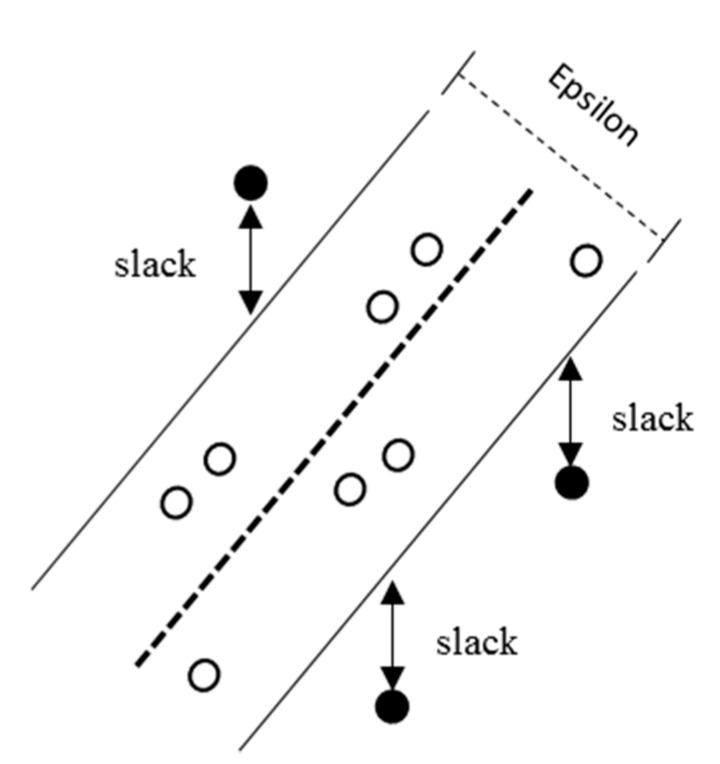
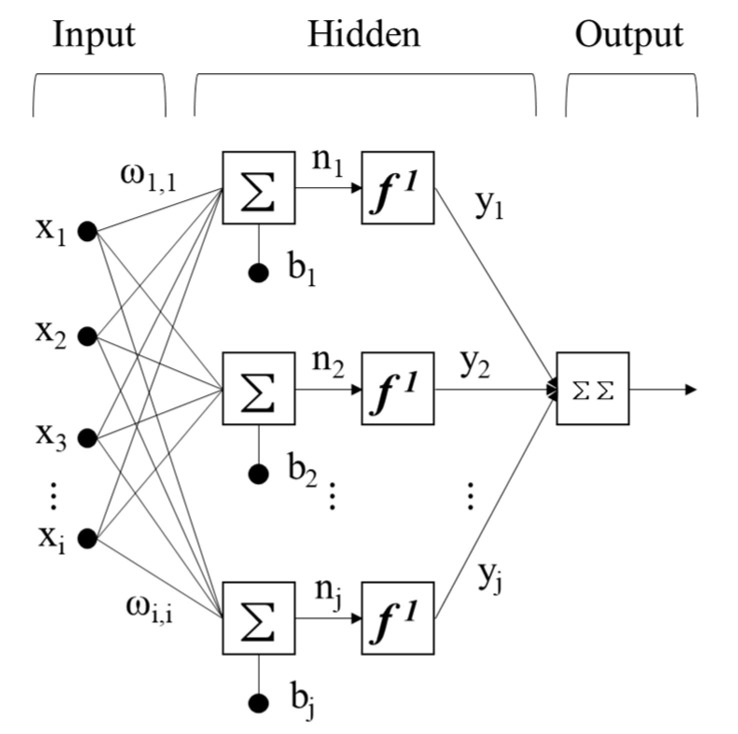
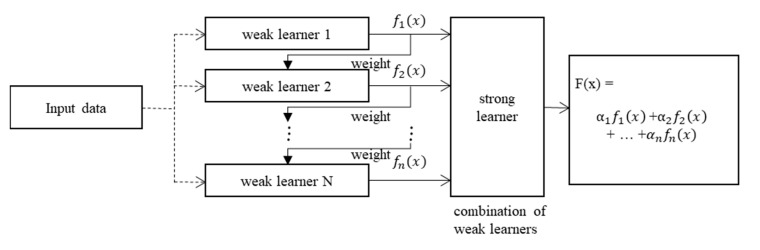
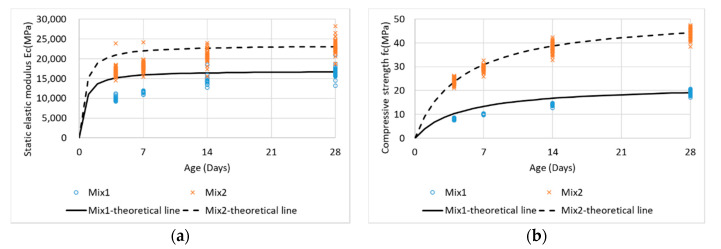
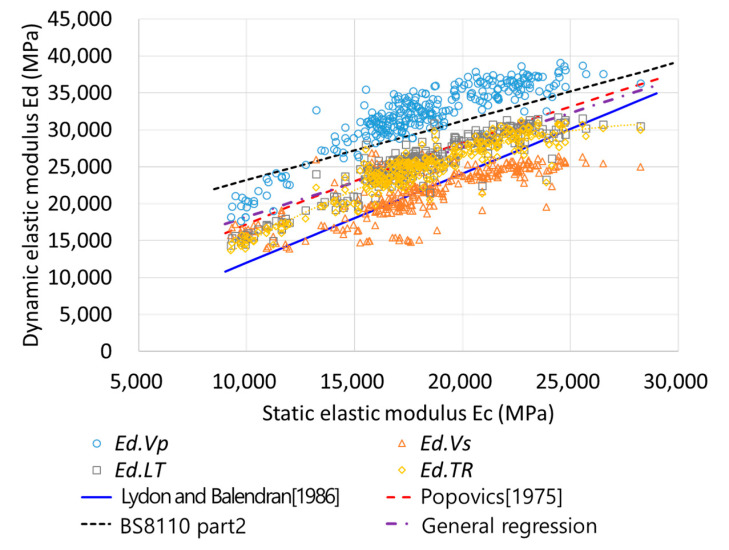
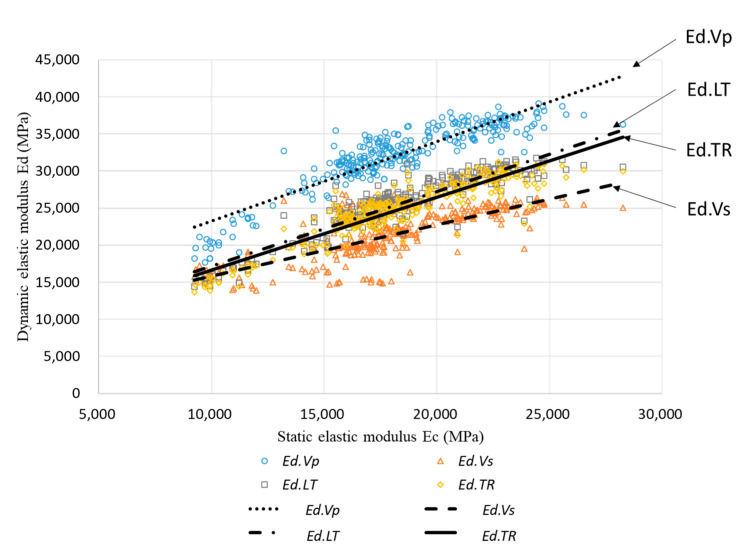
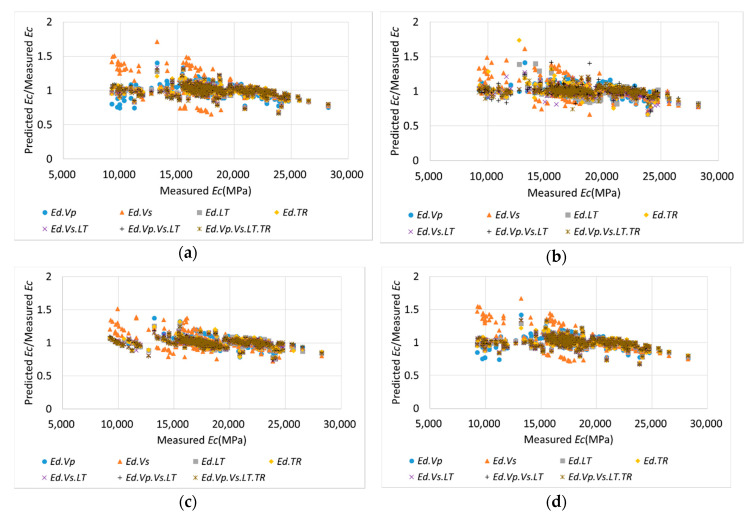
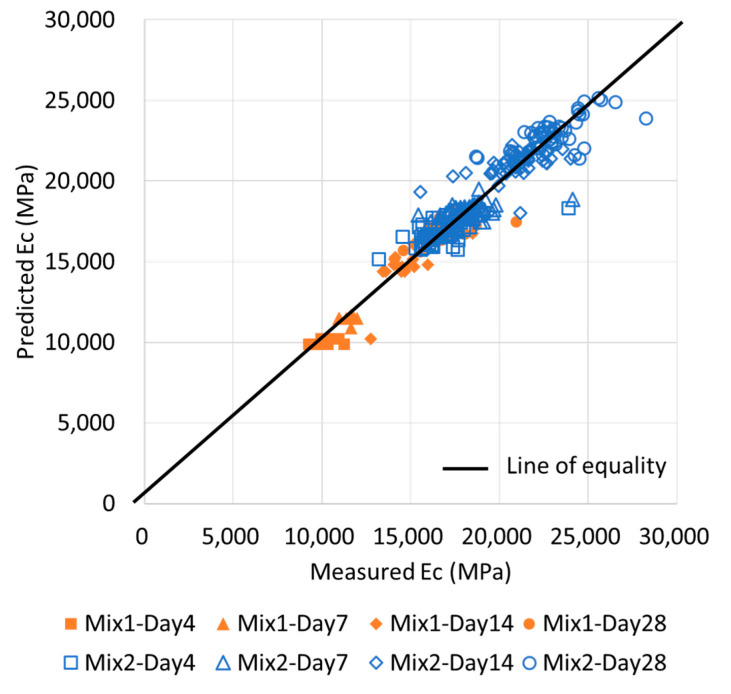
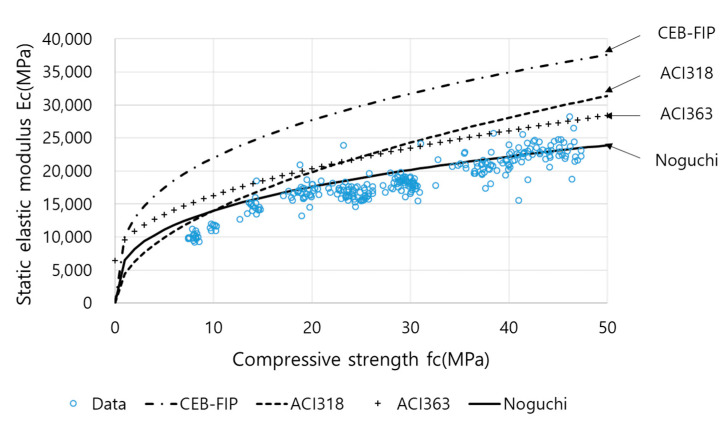
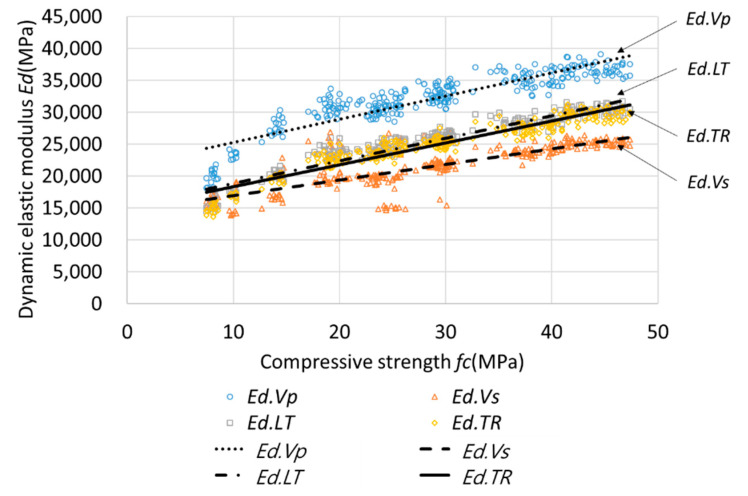
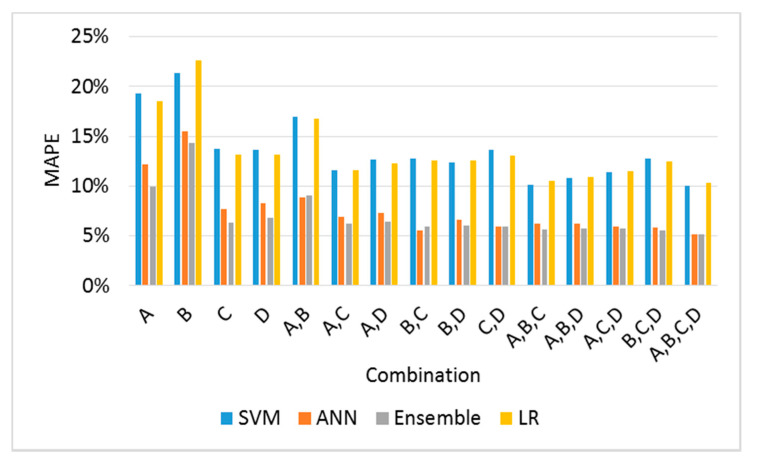
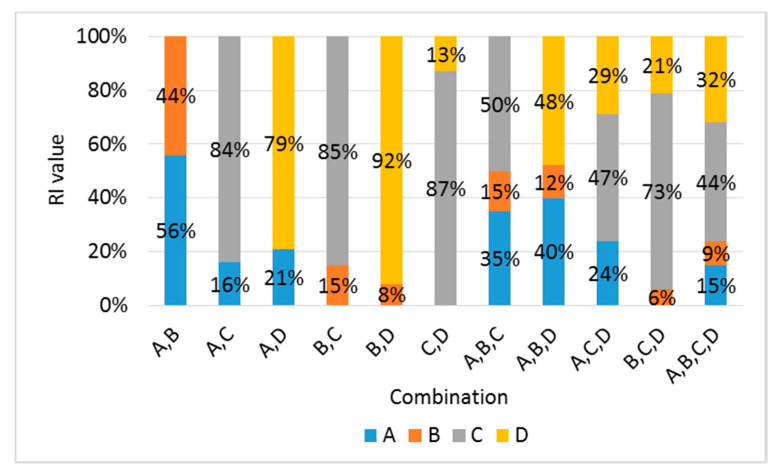
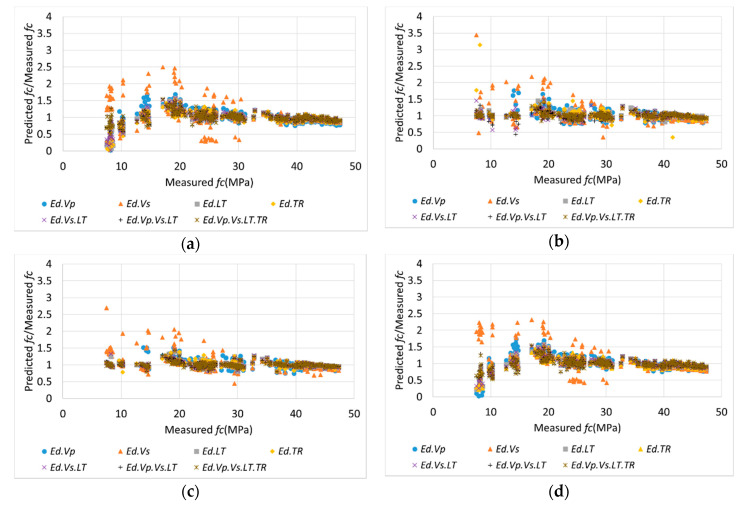
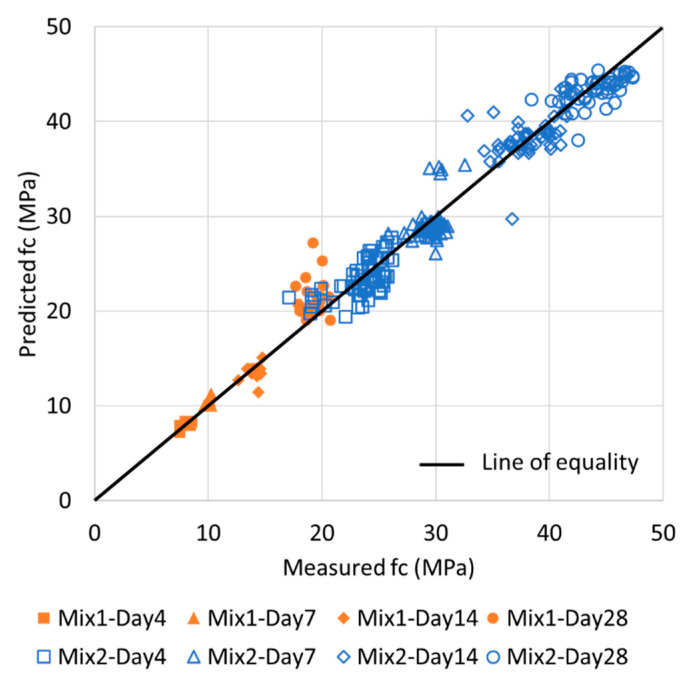
The static elastic modulus () and compressive strength () are critical properties of concrete. When determining and , concrete cores are collected and subjected to destructive tests. However, destructive tests require certain test permissions and large sample sizes. Hence, it is preferable to predict using the dynamic elastic modulus (), through nondestructive evaluations. A resonance frequency test performed according to ASTM C215-14 and a pressure wave (P-wave) measurement conducted according to ASTM C597M-16 are typically used to determine . Recently, developments in transducers have enabled the measurement of a shear wave (S-wave) velocities in concrete. Although various equations have been proposed for estimating and from , their results deviate from experimental values. Thus, it is necessary to obtain a reliable value for accurately predicting and . In this study, values were experimentally obtained from P-wave and S-wave velocities in the longitudinal and transverse modes; and values were predicted using these values through four machine learning (ML) methods: support vector machine, artificial neural networks, ensembles, and linear regression. Using ML, the prediction accuracy of and was improved by 2.5-5% and 7-9%, respectively, compared with the accuracy obtained using classical or normal-regression equations. By combining ML methods, the accuracy of the predicted and was improved by 0.5% and 1.5%, respectively, compared with the optimal single variable results.
静态弹性模量( )和抗压强度( )是混凝土的关键性能。在测定 和 时,要采集混凝土芯样并进行破坏性试验。然而,破坏性试验需要特定的试验许可且样本量较大。因此,通过无损评估利用动态弹性模量( )来预测 更为可取。通常采用根据ASTM C215 - 14进行的共振频率试验以及根据ASTM C597M - 16进行的压力波(P波)测量来确定 。近年来,传感器技术的发展使得能够测量混凝土中的剪切波(S波)速度。尽管已经提出了各种从 估算 和 的方程,但其结果与实验值存在偏差。因此,有必要获得可靠的 值以准确预测 和 。在本研究中,通过纵向和横向模式下的P波和S波速度实验获得了 值;并使用支持向量机、人工神经网络、集成方法和线性回归这四种机器学习(ML)方法,利用这些 值预测了 和 值。与使用经典或普通回归方程获得的精度相比,使用ML分别将 和 的预测精度提高了2.5 - 5%和7 - 9%。与最优单变量结果相比,通过组合ML方法,预测的 和 的精度分别提高了0.5%和1.5%。