Geeson Michael B, Cummins Christopher C
Department of Chemistry, Massachusetts Institute of Technology, Cambridge, Massachusetts 02139, United States.
ACS Cent Sci. 2020 Jun 24;6(6):848-860. doi: 10.1021/acscentsci.0c00332. Epub 2020 May 18.
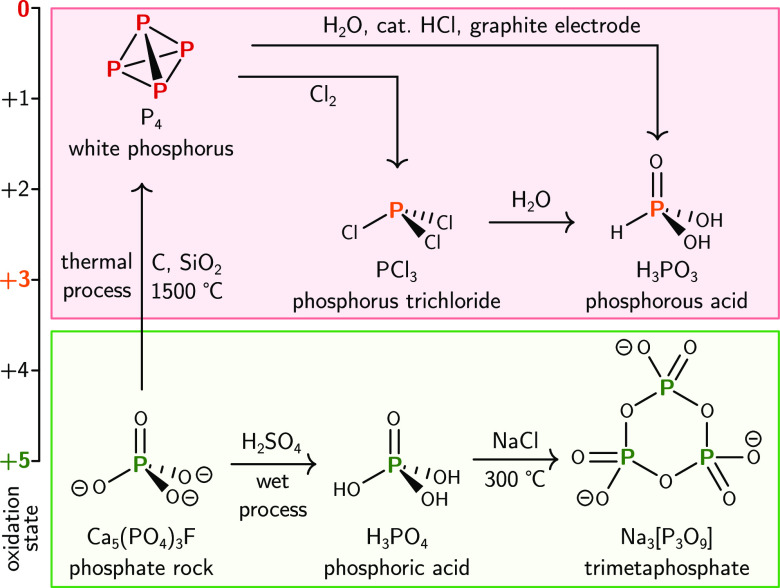
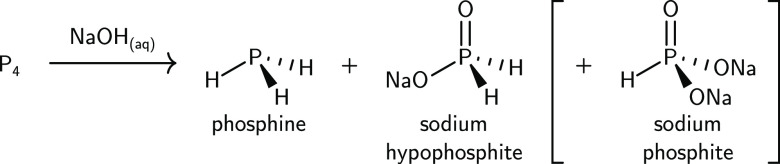
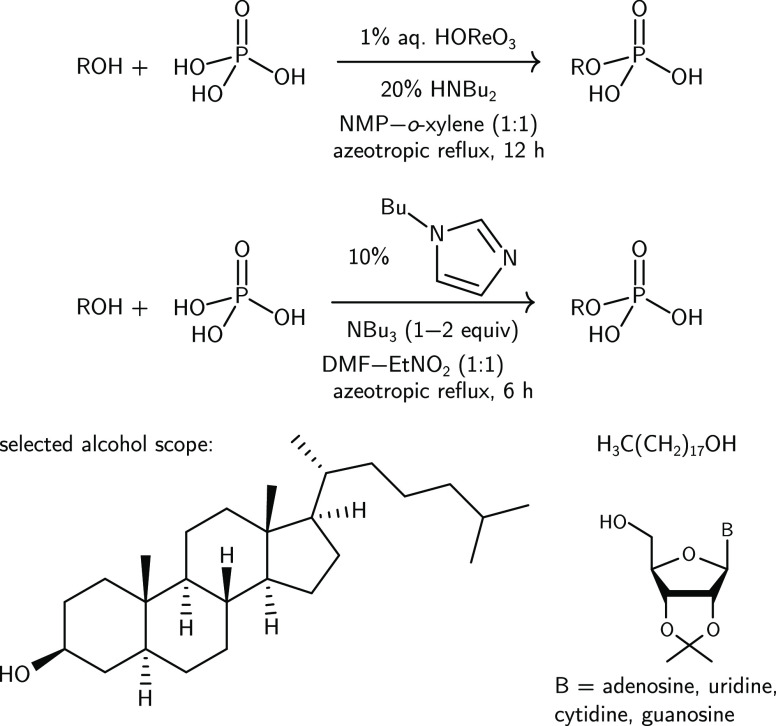
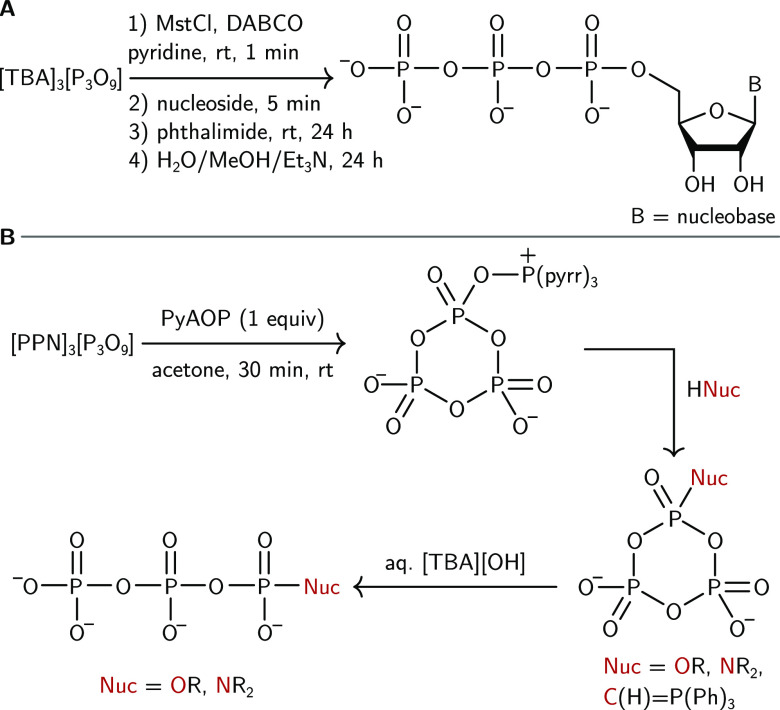
Industrial and laboratory methods for incorporating phosphorus atoms into molecules within the framework of Green Chemistry are in their infancy. Current practice requires large inputs of energy, involves toxic intermediates, and generates substantial waste. Furthermore, a negligible fraction of phosphorus-containing waste is recycled which in turn contributes to negative environmental impacts, such as eutrophication. Methods that begin to address some of these drawbacks are reviewed, and some key opportunities to be realized by pursuing organophosphorus chemistry under the principles of Green Chemistry are highlighted. Methods used by nature, or in the chemistry of other elements such as silicon, are discussed as model processes for the future of phosphorus in chemical synthesis.
在绿色化学框架内,将磷原子引入分子的工业和实验室方法尚处于起步阶段。目前的做法需要大量能源投入,涉及有毒中间体,并产生大量废物。此外,含磷废物的回收利用率极低,这反过来又对环境产生负面影响,如富营养化。本文综述了一些开始解决这些缺点的方法,并强调了在绿色化学原则下开展有机磷化学研究可实现的一些关键机遇。自然界使用的方法,或其他元素(如硅)化学中使用的方法,作为磷在化学合成中未来发展的模型过程进行了讨论。