Nutrition Theme, MRC Unit The Gambia at London School of Hygiene & Tropical Medicine, Banjul, The Gambia.
Faculty of Infectious and Tropical Diseases, London School of Hygiene & Tropical Medicine, London, United Kingdom.
PLoS One. 2020 Jul 1;15(7):e0235141. doi: 10.1371/journal.pone.0235141. eCollection 2020.
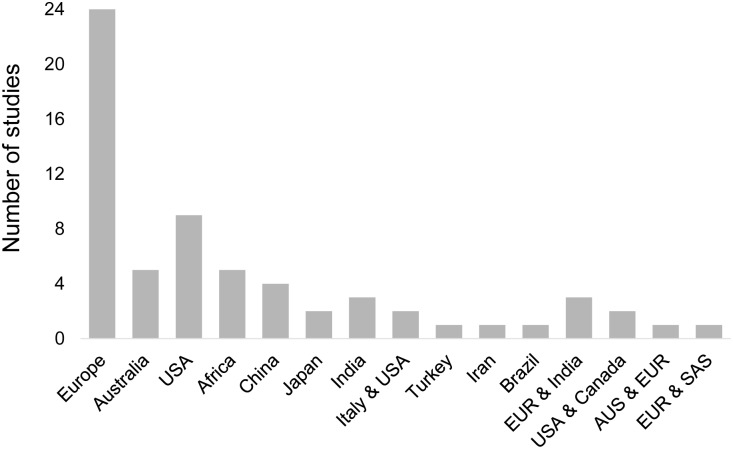
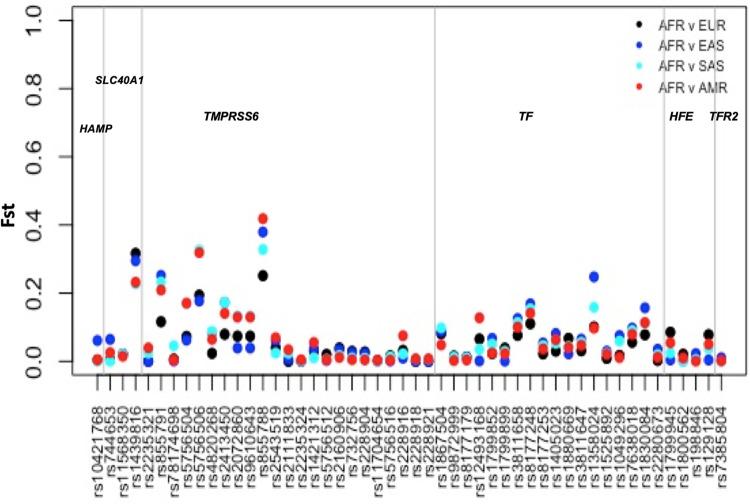
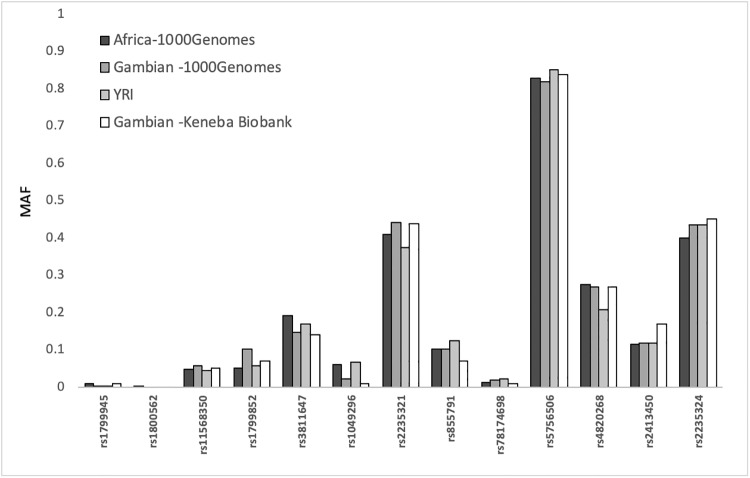
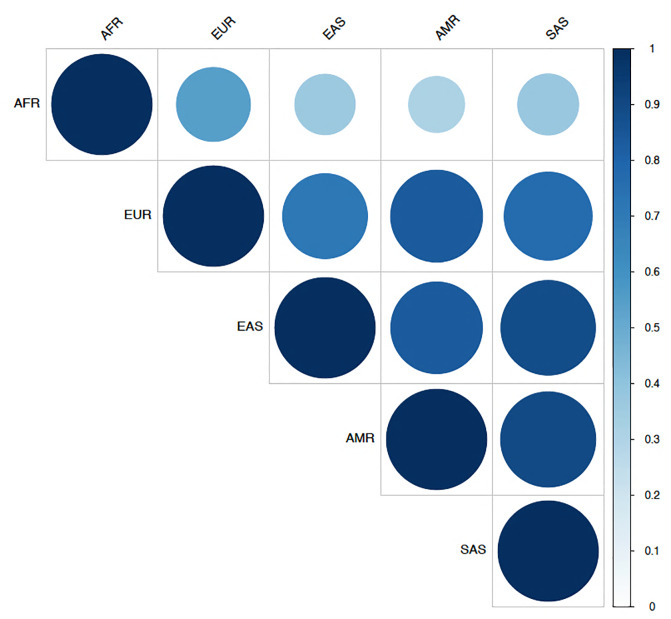
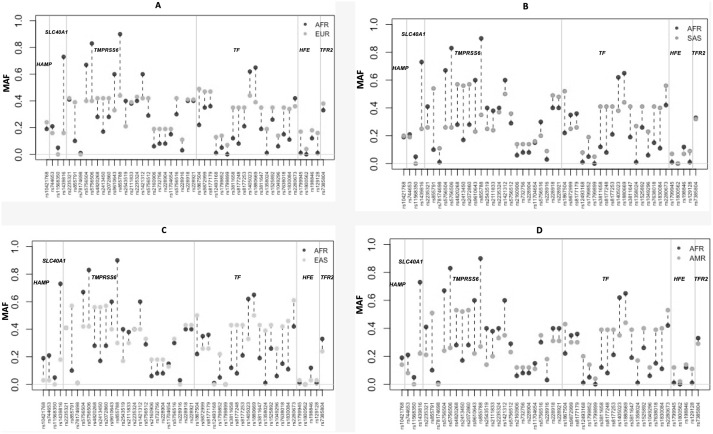
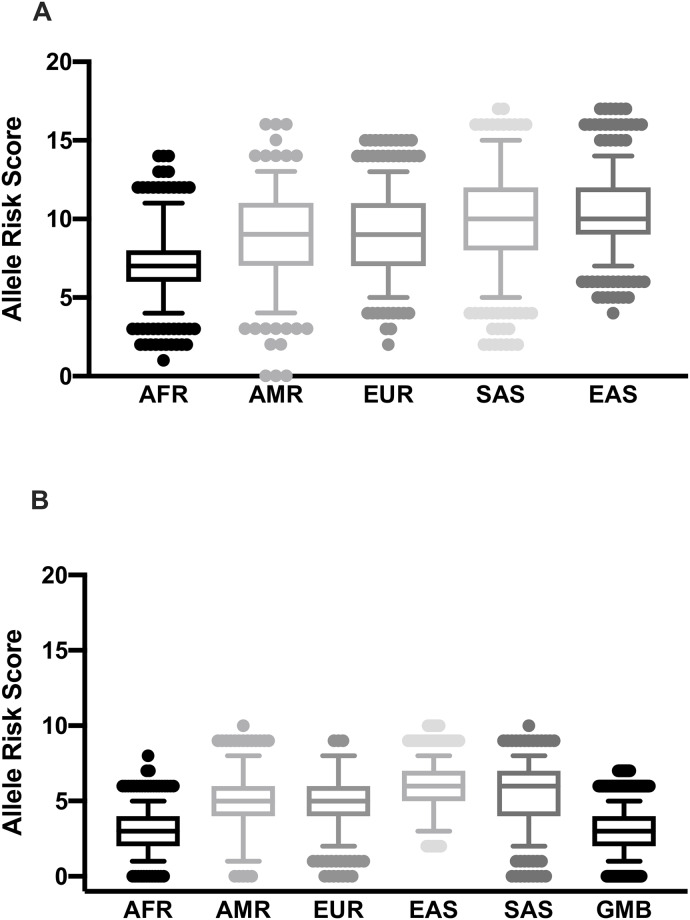
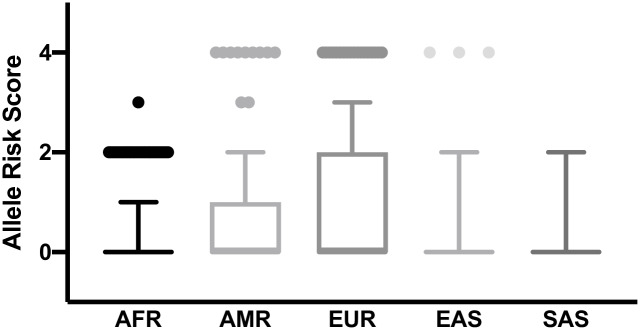
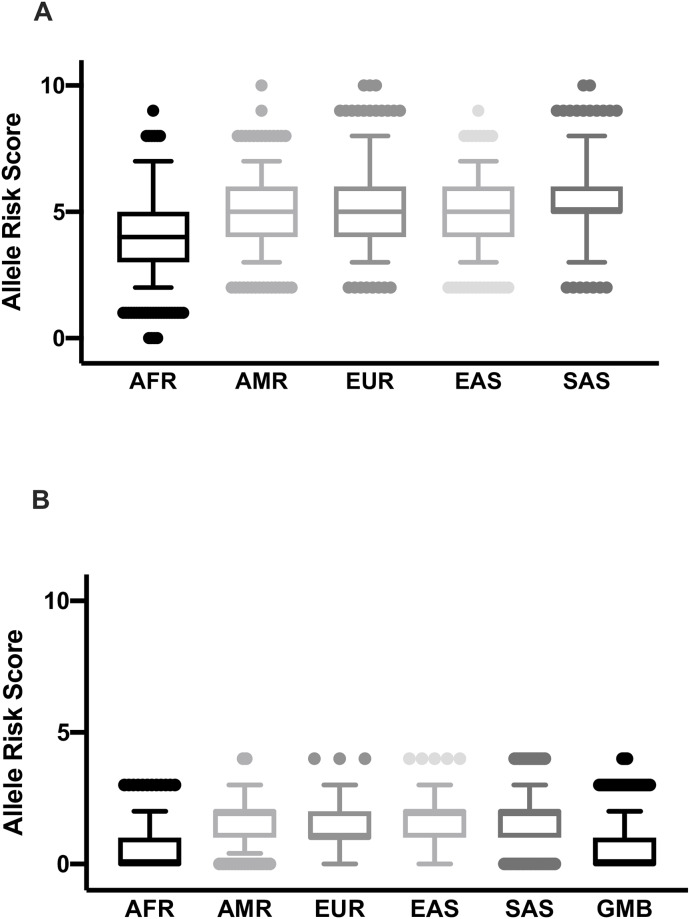
Iron deficiency anaemia is a major health problem affecting approximately 1.2 billion people worldwide. Young children, women of reproductive age and pregnant women living in sub-Saharan Africa are the most vulnerable. It is estimated that iron deficiency accounts for half of anaemia cases. Apart from nutritional deficiency, infection, inflammation and genetic factors are the major drivers of anaemia. However, the role of genetic risk factors has not been thoroughly investigated. This is particularly relevant in African populations, as they carry high genetic diversity and have a high prevalence of anaemia. Multiple genetic variations in iron regulatory genes have been linked to impaired iron status. Here we conducted a literature review to identify genetic variants associated with iron imbalance among global populations. We compare their allele frequencies and risk scores and we investigated population-specific selection among populations of varying geographic origin using data from the Keneba Biobank representing individuals in rural Gambia and the 1000 Genomes Project. We identified a significant lack of data on the genetic determinants of iron status in sub-Saharan Africa. Most of the studies on genetic determinants of iron status have been conducted in Europeans. Also, we identified population differences in allele frequencies in candidate putative genetic risk factors. Given the disproportionately high genetic diversity in African populations coupled with their high prevalence of iron deficiency, there is need to investigate the genetic influences of low iron status in Sub-Saharan Africa. The resulting insights may inform the future implementation of iron intervention strategies.
缺铁性贫血是一个全球性的健康问题,影响着全球约 12 亿人。儿童、育龄妇女和生活在撒哈拉以南非洲的孕妇是最脆弱的群体。据估计,缺铁性贫血占贫血病例的一半。除了营养缺乏外,感染、炎症和遗传因素也是贫血的主要原因。然而,遗传风险因素的作用尚未得到彻底研究。这在非洲人群中尤为重要,因为他们具有高度的遗传多样性,贫血患病率也很高。铁调节基因中的多种遗传变异与铁状态受损有关。在这里,我们进行了文献综述,以确定与全球人群铁失衡相关的遗传变异。我们比较了它们的等位基因频率和风险评分,并利用来自代表冈比亚农村地区个体的肯利巴生物库和 1000 基因组计划的数据,研究了不同地理起源人群中的特定人群选择。我们发现,关于撒哈拉以南非洲铁状况遗传决定因素的数据非常缺乏。大多数关于铁状况遗传决定因素的研究都是在欧洲人身上进行的。此外,我们还确定了候选遗传风险因素中等位基因频率的人群差异。鉴于非洲人群中遗传多样性极高,而缺铁性贫血的患病率又很高,有必要研究撒哈拉以南非洲地区铁缺乏症的遗传影响。由此产生的见解可能会为未来实施铁干预策略提供信息。