Zhou Xiaoxiang, Xu Ying, Zhu Libo, Su Zhen, Han Xiaoming, Zhang Zhen, Huang Yan, Liu Quanjun
State Key Laboratory of Bioelectronics, School of Biological Science and Medical Engineering, Southeast University, No. 2, Sipailou, Nanjing 210096, China.
Micromachines (Basel). 2020 Jun 29;11(7):645. doi: 10.3390/mi11070645.
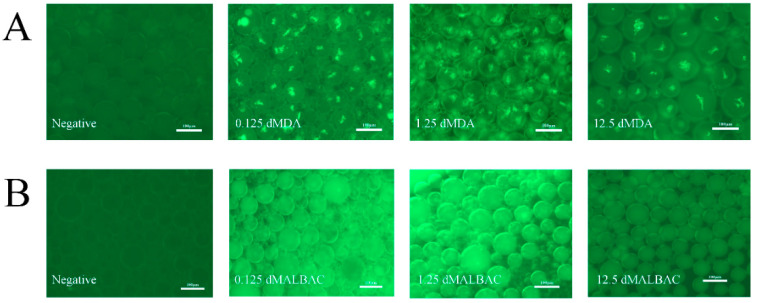
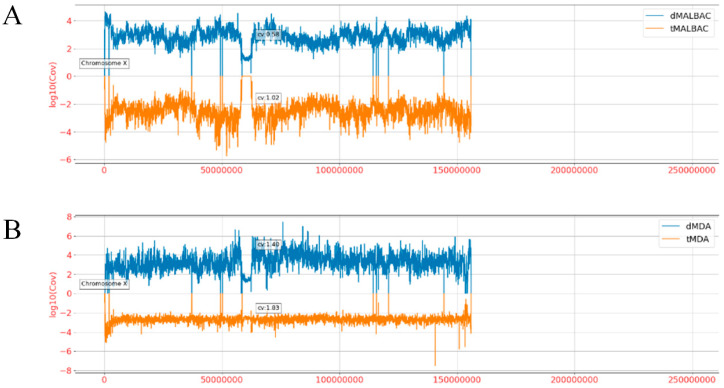
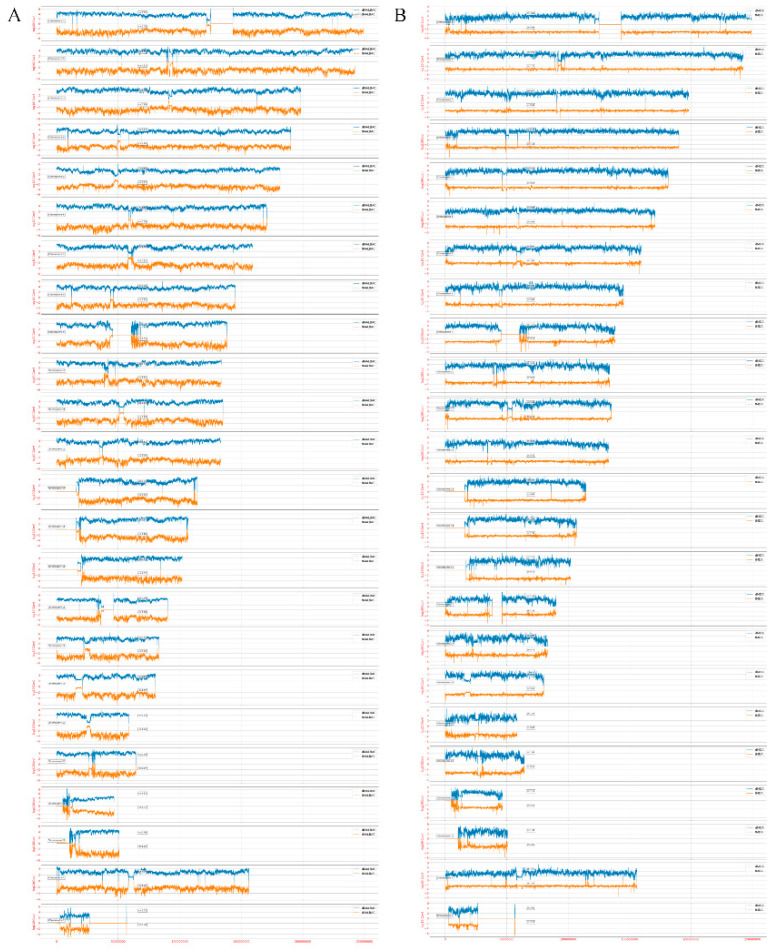
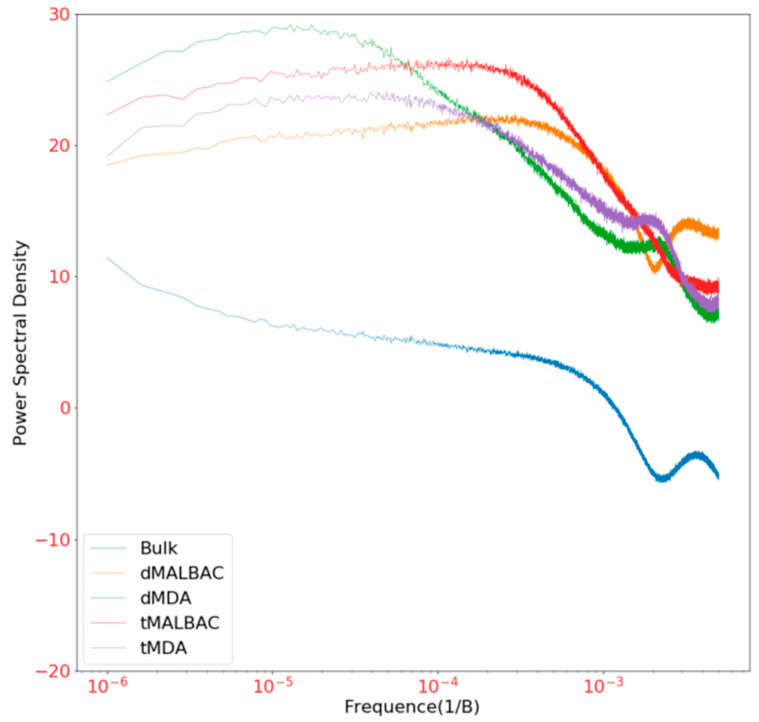
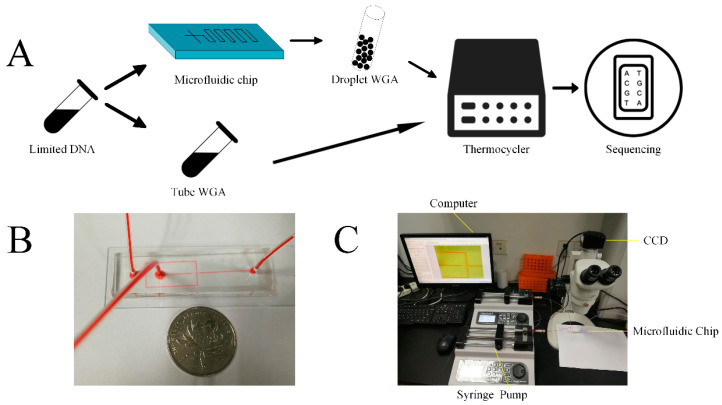
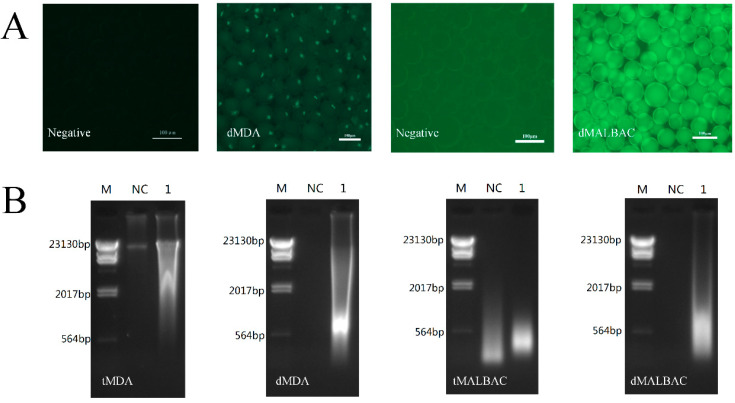
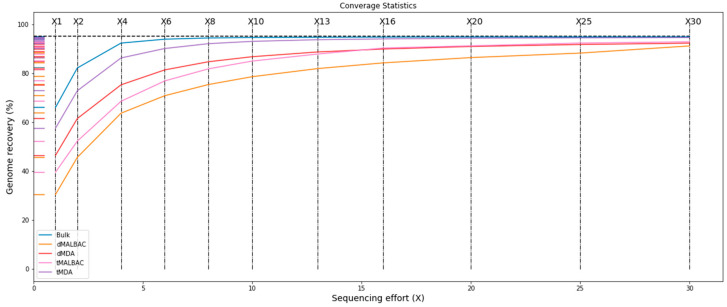
Whole genome amplification (WGA) is crucial for whole genome sequencing to investigate complex genomic alteration at the single-cell or even single-molecule level. Multiple displacement amplification (MDA) and multiple annealing and looping based amplification cycles (MALBAC) are two most widely applied WGA methods, which have different advantages and disadvantages, dependent on research objectives. Herein, we compared the MDA and MALBAC to provide more information on their performance in droplets and tubes. We observed that the droplet method could dramatically reduce the amplification bias and retain the high accuracy of replication than the conventional tube method. Furthermore, the droplet method exhibited higher efficiency and sensitivity for both homozygous and heterozygous single nucleotide variants (SNVs) at the low sequencing depth. In addition, we also found that MALBAC offered a greater uniformity and reproducibility and MDA showed a better efficiency of genomic coverage and SNV detection. Our results provided insights that will allow future decision making.
全基因组扩增(WGA)对于全基因组测序至关重要,可用于在单细胞甚至单分子水平上研究复杂的基因组改变。多重置换扩增(MDA)和基于多次退火和环化的扩增循环(MALBAC)是两种应用最广泛的WGA方法,它们各有优缺点,具体取决于研究目标。在此,我们比较了MDA和MALBAC,以提供更多关于它们在液滴和试管中性能的信息。我们观察到,与传统的试管方法相比,液滴方法可以显著降低扩增偏差并保持高复制准确性。此外,在低测序深度下,液滴方法对纯合和杂合单核苷酸变异(SNV)均表现出更高的效率和灵敏度。此外,我们还发现MALBAC具有更高的均匀性和可重复性,而MDA在基因组覆盖和SNV检测方面表现出更好的效率。我们的结果提供了有助于未来决策的见解。