CellNetworks-Cluster of Excellence and Virology, University Hospital Heidelberg, 69120, Heidelberg, Germany.
Center for Integrative Infectious Diseases Research (CIID), Virology, University Hospital Heidelberg, 69120, Heidelberg, Germany.
Nat Commun. 2020 Jul 1;11(1):3281. doi: 10.1038/s41467-020-17101-y.
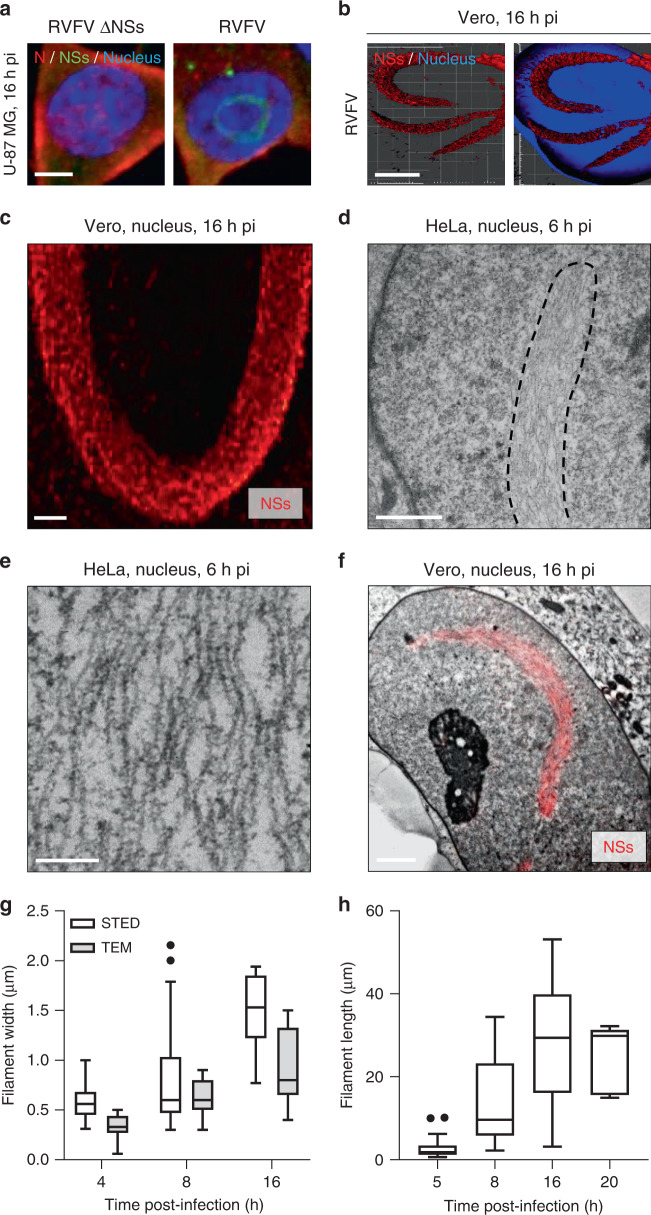
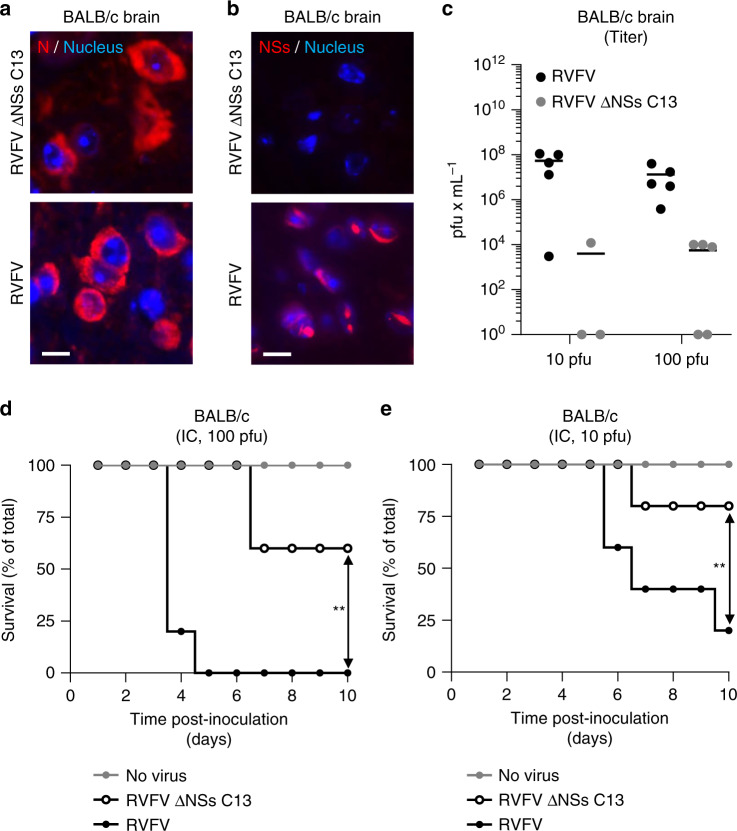
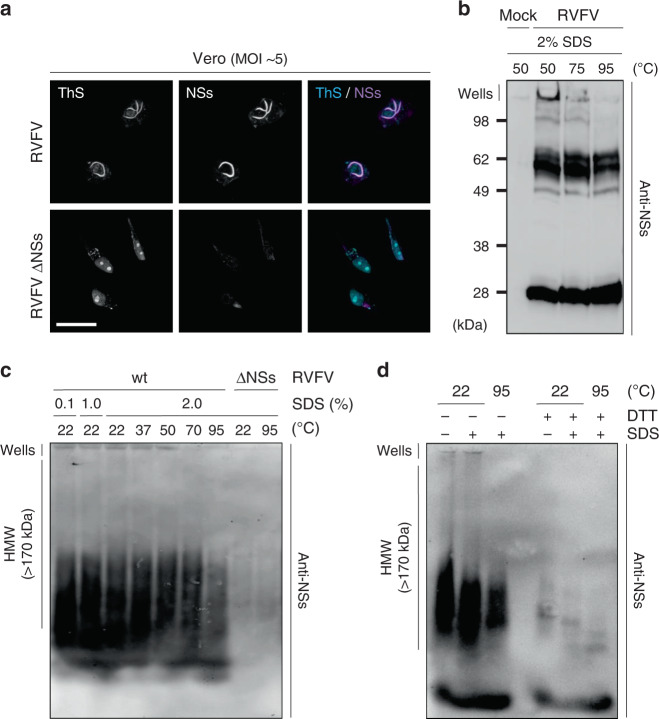
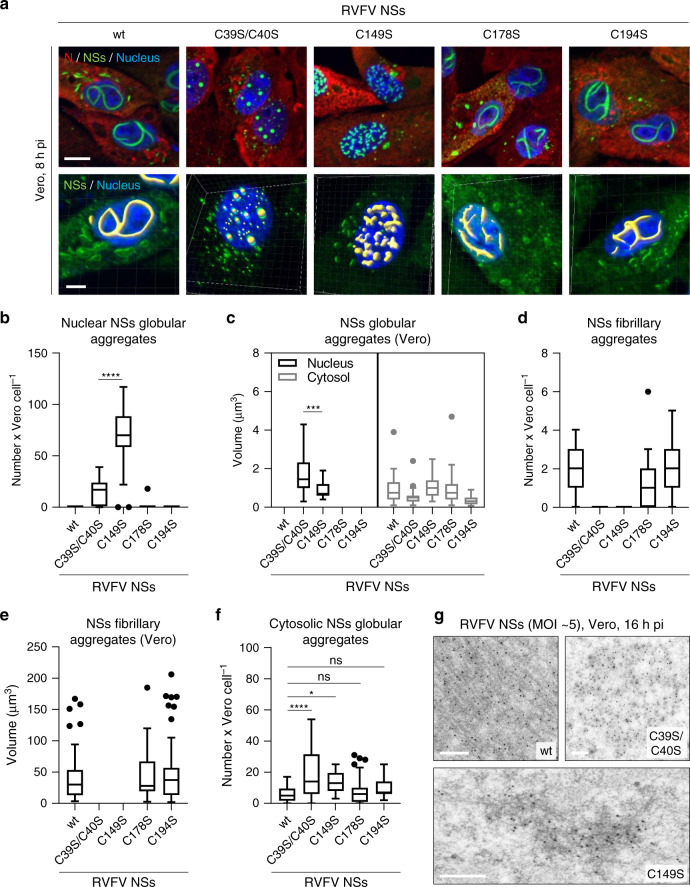
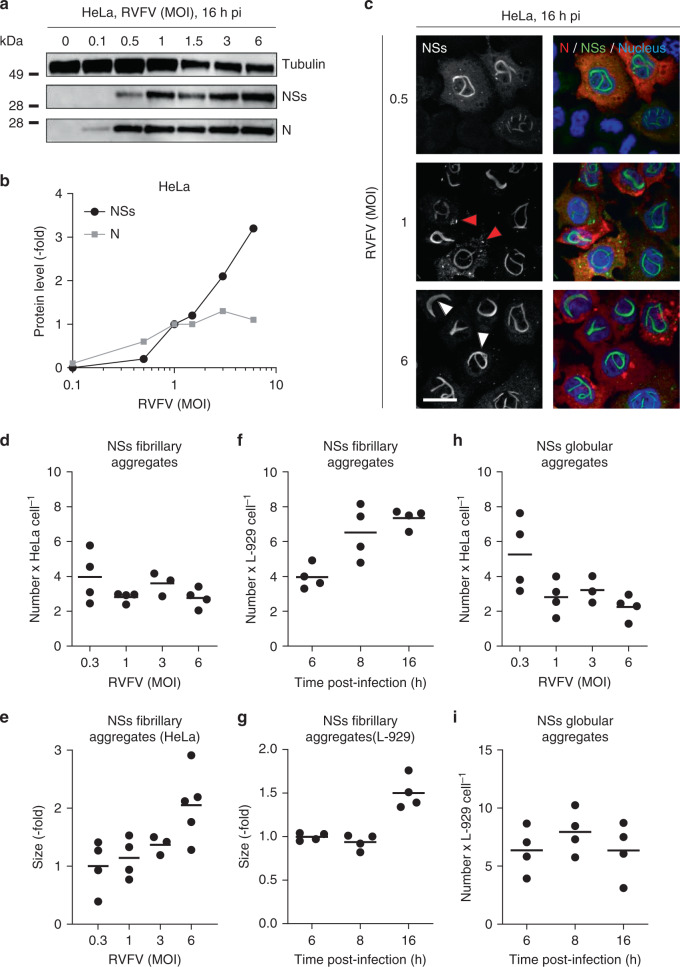
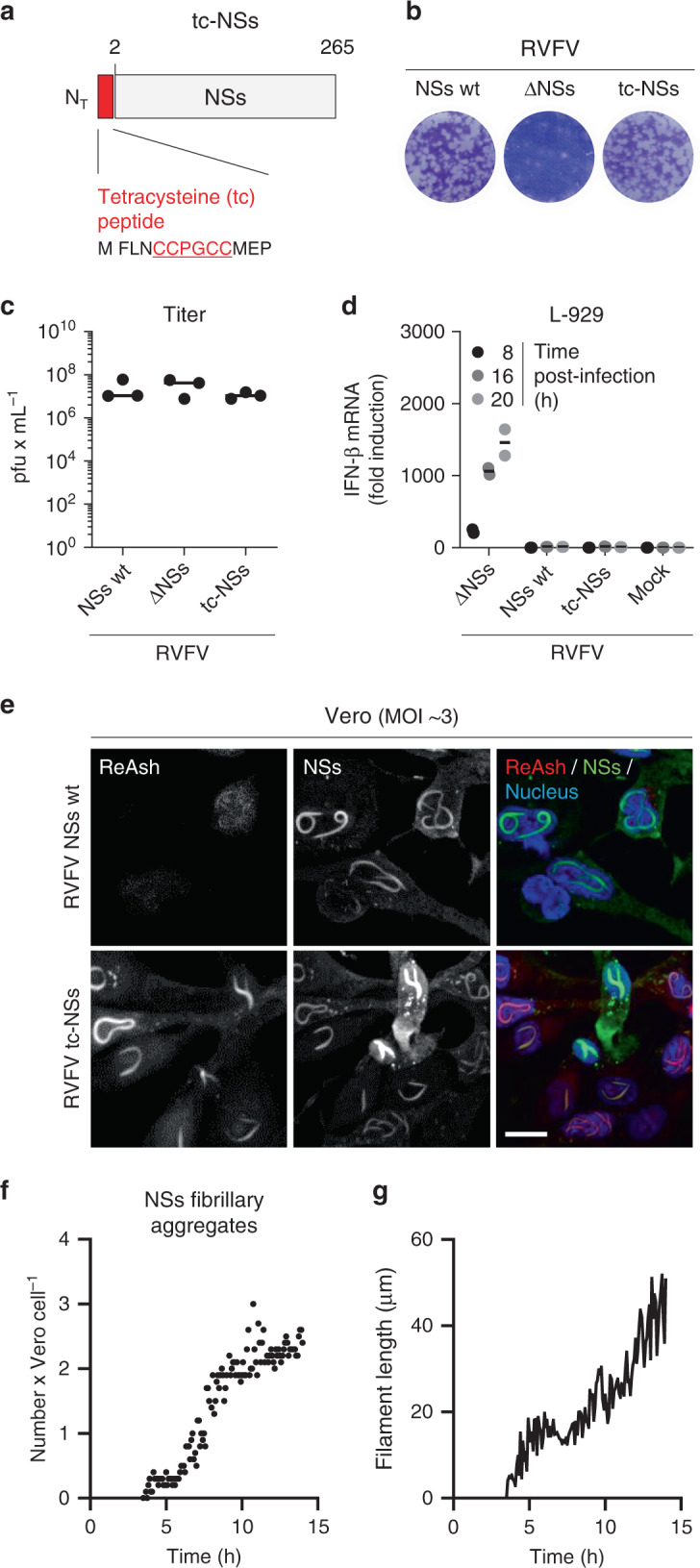
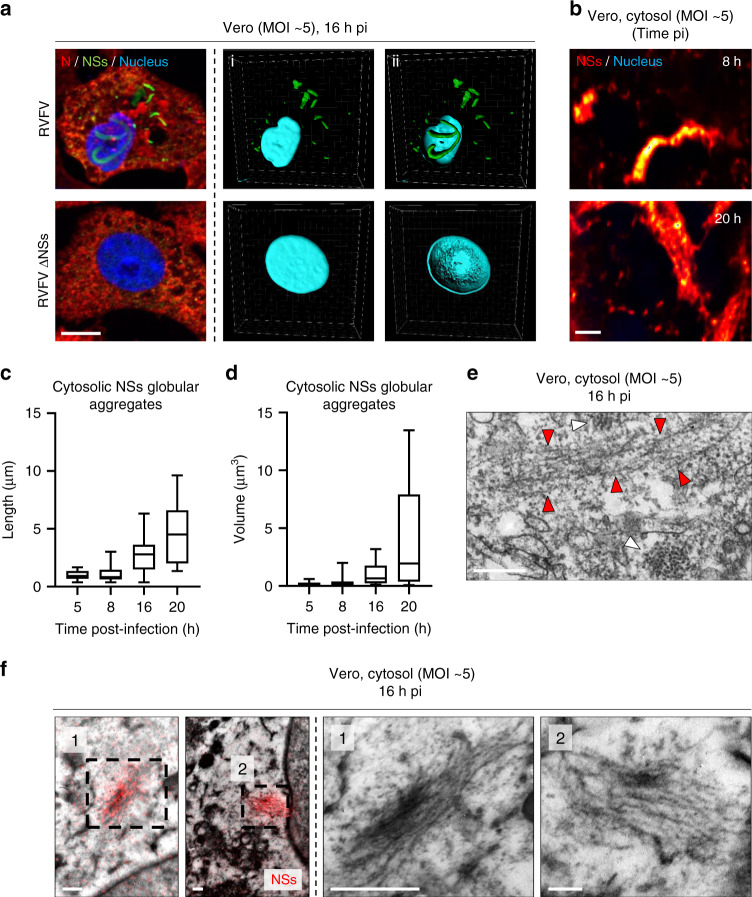
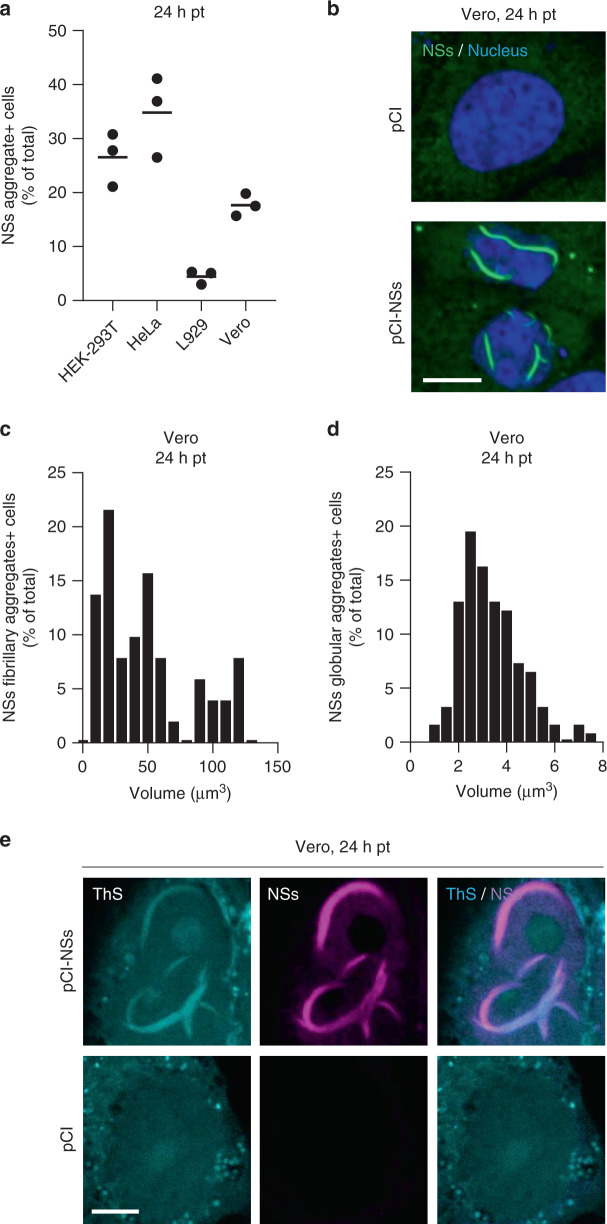
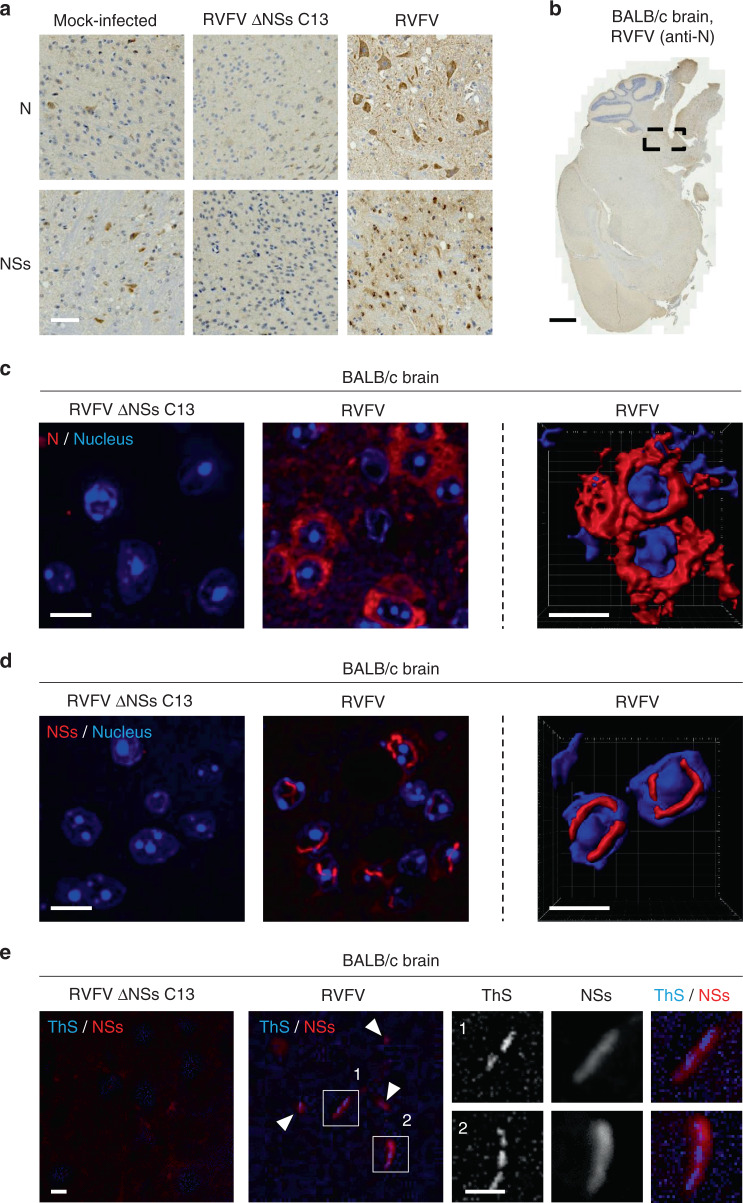
Amyloid fibrils result from the aggregation of host cell-encoded proteins, many giving rise to specific human illnesses such as Alzheimer's disease. Here we show that the major virulence factor of Rift Valley fever virus, the protein NSs, forms filamentous structures in the brain of mice and affects mortality. NSs assembles into nuclear and cytosolic disulfide bond-dependent fibrillary aggregates in infected cells. NSs structural arrangements exhibit characteristics typical for amyloids, such as an ultrastructure of 12 nm-width fibrils, a strong detergent resistance, and interactions with the amyloid-binding dye Thioflavin-S. The assembly dynamics of viral amyloid-like fibrils can be visualized in real-time. They form spontaneously and grow in an amyloid fashion within 5 hours. Together, our results demonstrate that viruses can encode amyloid-like fibril-forming proteins and have strong implications for future research on amyloid aggregation and toxicity in general.
淀粉样纤维由宿主细胞编码蛋白的聚集产生,许多蛋白会导致特定的人类疾病,如阿尔茨海默病。在这里,我们表明裂谷热病毒的主要毒力因子 NSs 蛋白在感染小鼠的大脑中形成丝状结构,并影响死亡率。NSs 在感染细胞中组装成依赖于二硫键的核和细胞质纤维状聚集物。NSs 的结构排列表现出典型的淀粉样特征,例如 12nm 宽度纤维的超微结构、强去污剂抗性以及与淀粉样结合染料硫黄素-S 的相互作用。病毒样纤维的组装动力学可以实时可视化。它们在 5 小时内自发形成并以淀粉样方式生长。总之,我们的结果表明病毒可以编码类似淀粉样纤维形成的蛋白,这对未来淀粉样聚集和一般毒性的研究具有重要意义。