Kumar Harendra, Kumagai Shogo, Kameda Tomohito, Saito Yuko, Yoshioka Toshiaki
Graduate School of Environmental Studies, Tohoku University, 6-6-07 Aoba, Aramaki-Aza, Aoba-ku, Sendai, Miyagi, 980-8579, Japan.
Sci Rep. 2020 Jul 1;10(1):10754. doi: 10.1038/s41598-020-67795-9.
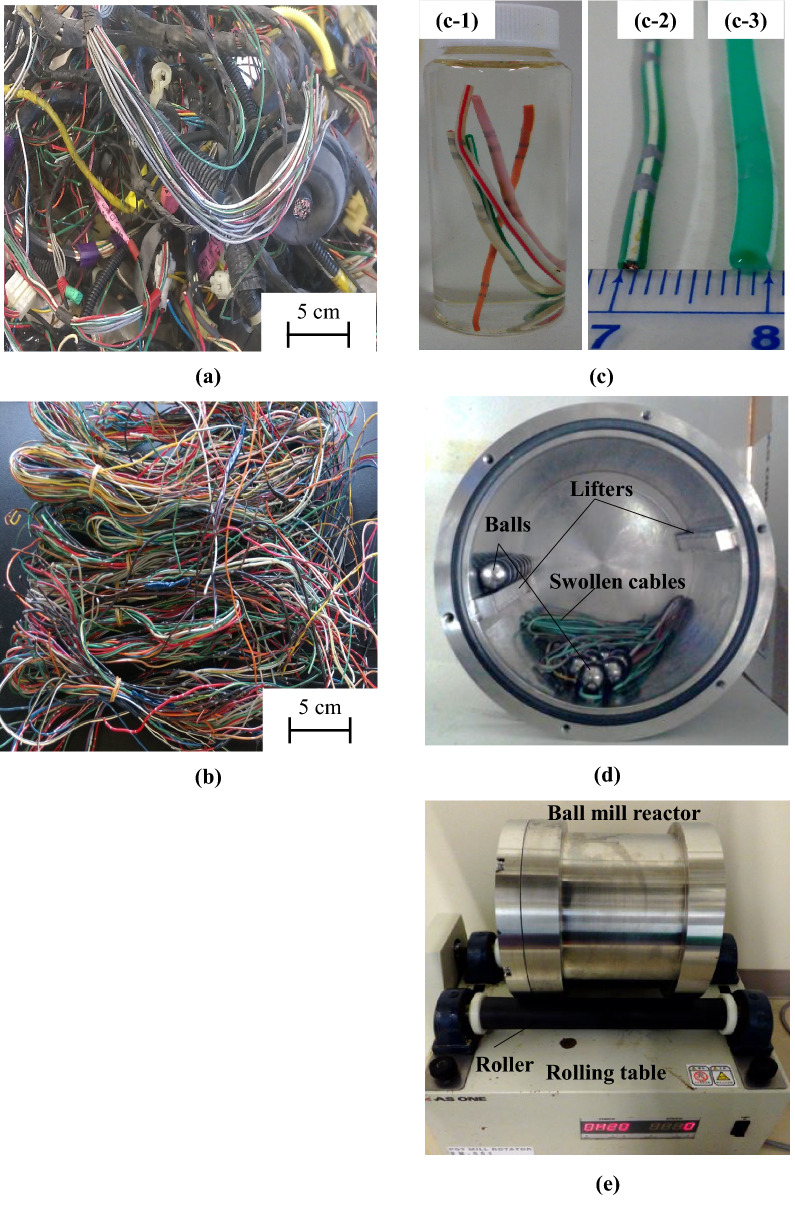
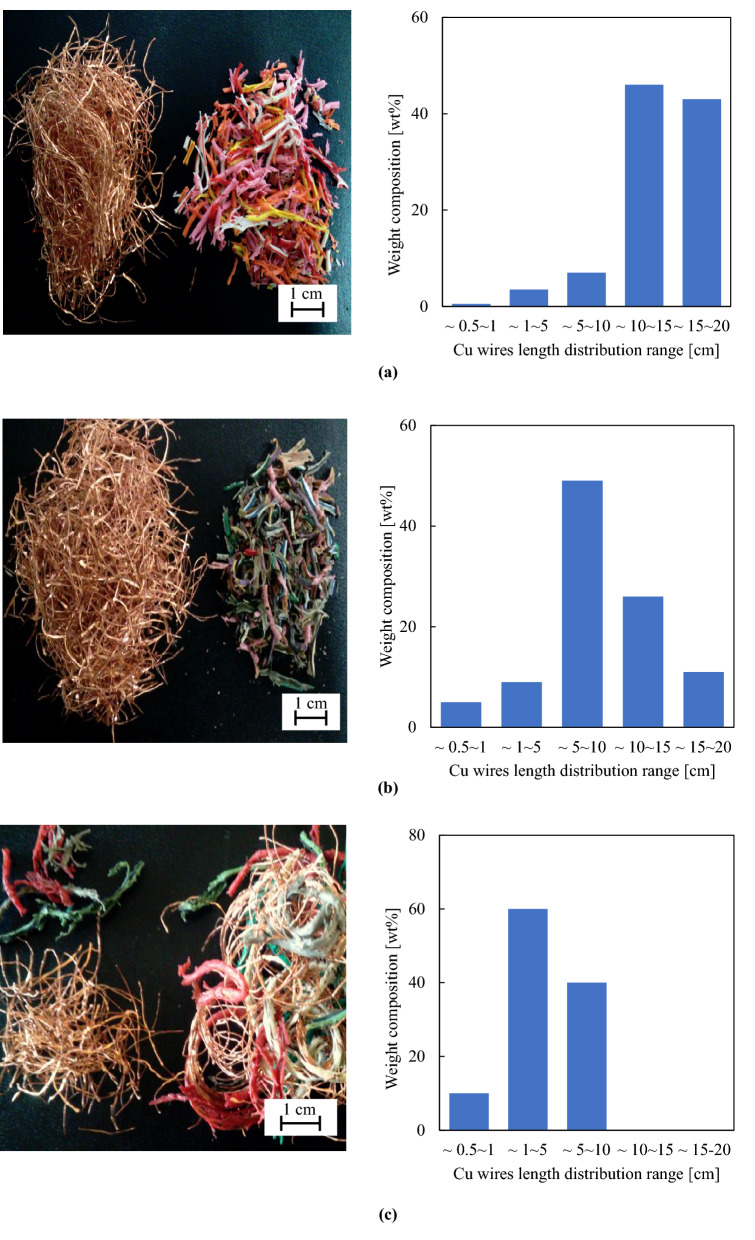
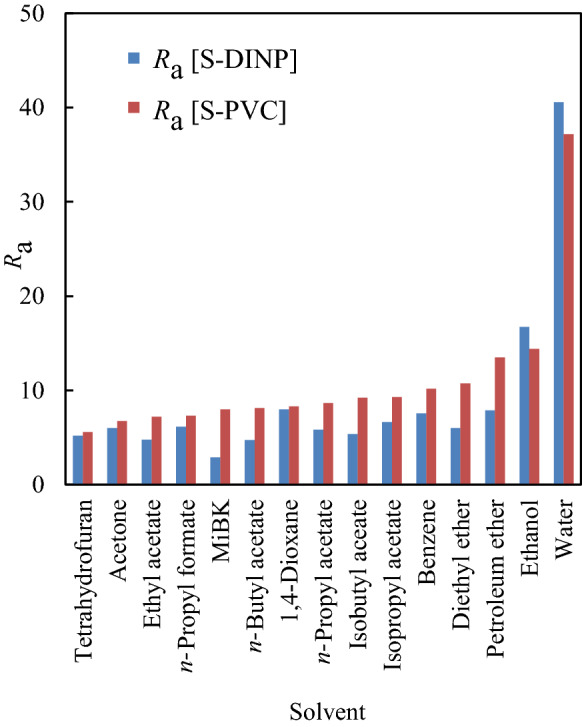
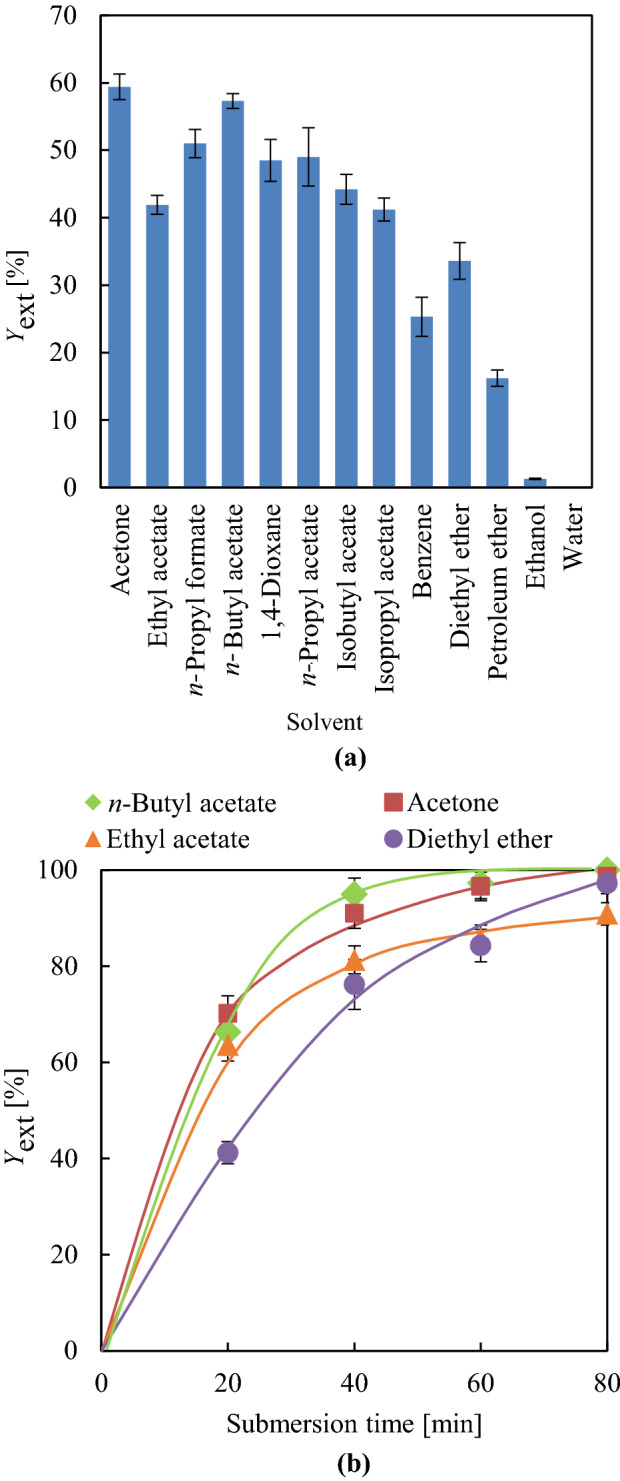
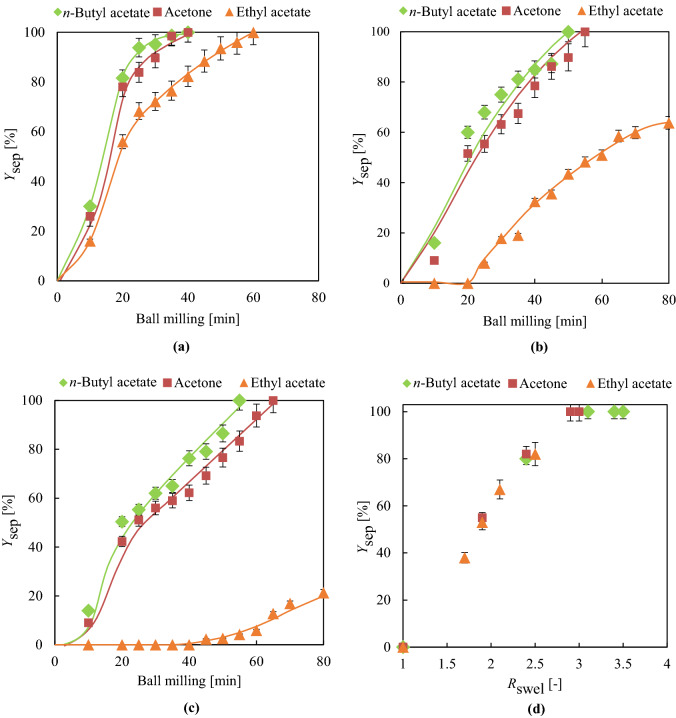
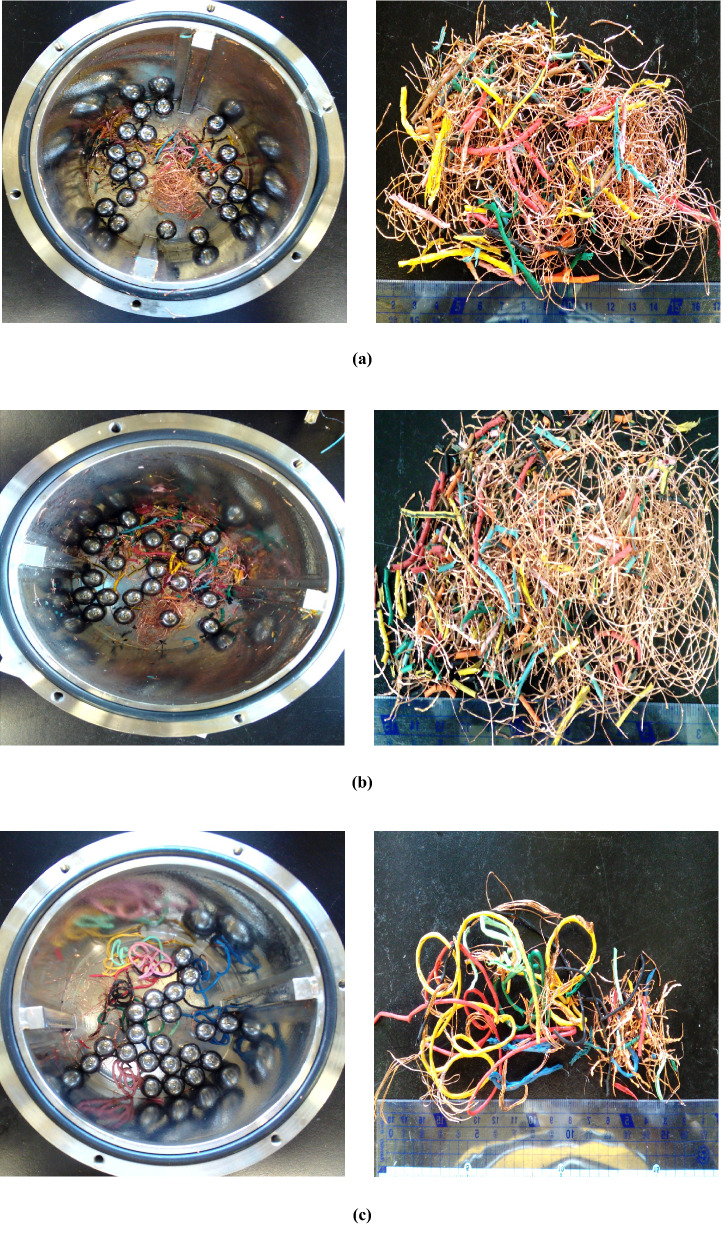
Poly(vinyl chloride) (PVC) swelling coupled with ball milling was employed for the simultaneous recovery of high-purity Cu and PVC from waste wire harness under ambient conditions. The experimentally determined performances of 15 organic solvents for PVC swelling and phthalate plasticiser extraction were compared with those predicted considering Hansen solubility parameters. As a result, n-butyl acetate and acetone were identified as the two best solvents for adequate PVC swelling without PVC dissolution and almost complete plasticiser extraction within 60 min. The swelling was concluded to contribute to the control of phthalate plasticisers, the use of which in wire harness has recently been limited by the Restriction of Hazardous Substances (RoHS) directive. Cables swollen with n-butyl acetate or acetone were subjected to dry ball milling for ~ 60 min to completely separate PVC and Cu and achieve the quantitative recovery of these components from 20-cm-long cables. Thus, this work unveils the high potential of recycling the otherwise non-recyclable long and non-uniform waste wire harness cables and is expected to impact the related (e.g., automotive, electrical, and electronics) industries, contributing to the establishment of a more sustainable society.
在环境条件下,采用聚氯乙烯(PVC)溶胀结合球磨法从废线束中同时回收高纯度铜和PVC。将15种有机溶剂对PVC溶胀和邻苯二甲酸酯增塑剂萃取的实验测定性能与考虑汉森溶解度参数预测的性能进行了比较。结果表明,乙酸正丁酯和丙酮是两种最佳溶剂,它们能使PVC充分溶胀而不溶解PVC,并在60分钟内几乎完全萃取出增塑剂。研究得出,溶胀有助于控制邻苯二甲酸酯增塑剂,最近有害物质限制(RoHS)指令限制了其在线束中的使用。用乙酸正丁酯或丙酮溶胀的电缆进行约60分钟的干球磨,以完全分离PVC和铜,并从20厘米长的电缆中实现这些成分的定量回收。因此,这项工作揭示了回收原本不可回收的长且不均匀的废线束电缆的巨大潜力,预计将对相关(如汽车、电气和电子)行业产生影响,有助于建立更可持续的社会。