Yang Andrew C, Stevens Marc Y, Chen Michelle B, Lee Davis P, Stähli Daniel, Gate David, Contrepois Kévin, Chen Winnie, Iram Tal, Zhang Lichao, Vest Ryan T, Chaney Aisling, Lehallier Benoit, Olsson Niclas, du Bois Haley, Hsieh Ryan, Cropper Haley C, Berdnik Daniela, Li Lulin, Wang Elizabeth Y, Traber Gavin M, Bertozzi Carolyn R, Luo Jian, Snyder Michael P, Elias Joshua E, Quake Stephen R, James Michelle L, Wyss-Coray Tony
Department of Bioengineering, Stanford University School of Medicine, Stanford, CA, USA.
ChEM-H, Stanford University, Stanford, CA, USA.
Nature. 2020 Jul;583(7816):425-430. doi: 10.1038/s41586-020-2453-z. Epub 2020 Jul 1.
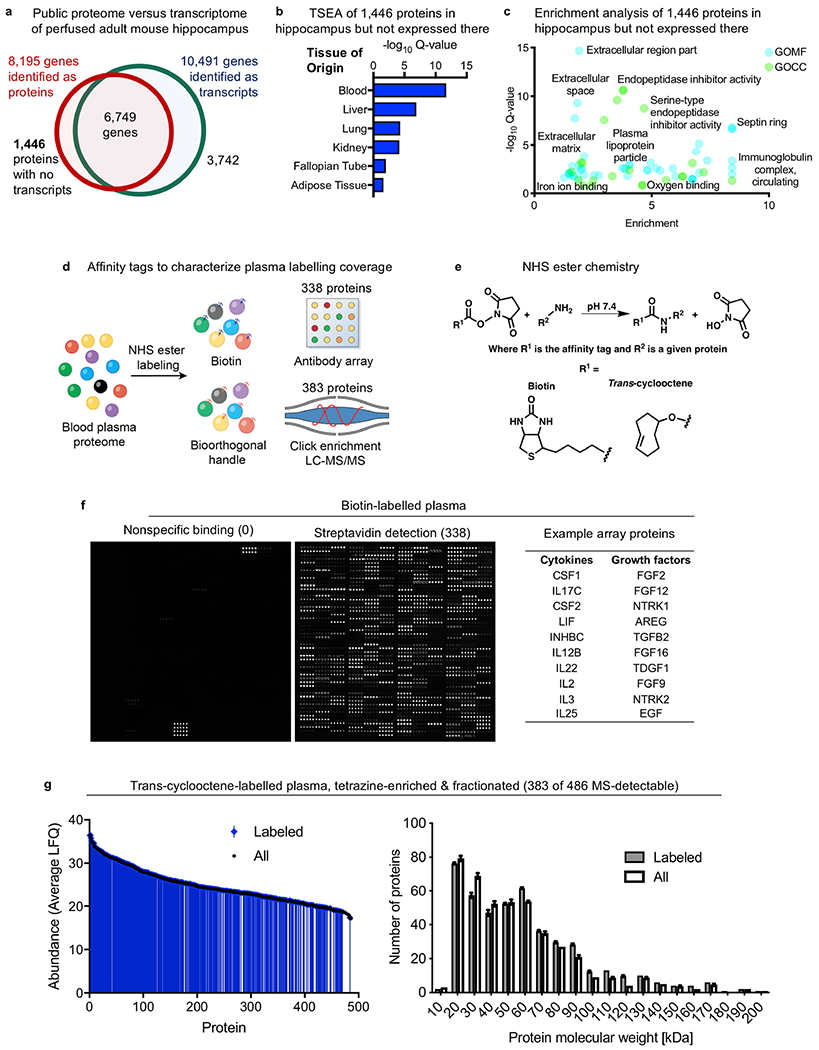
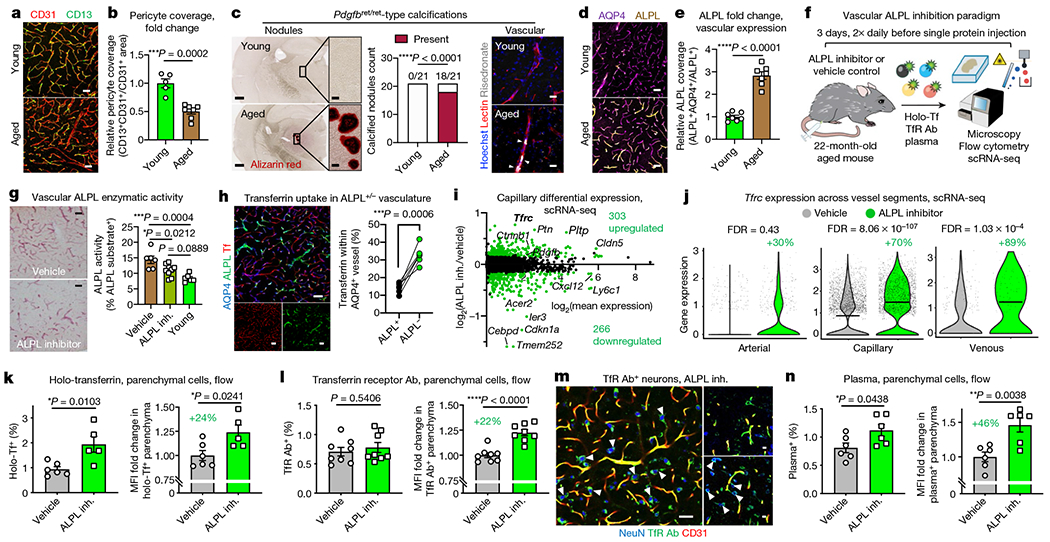
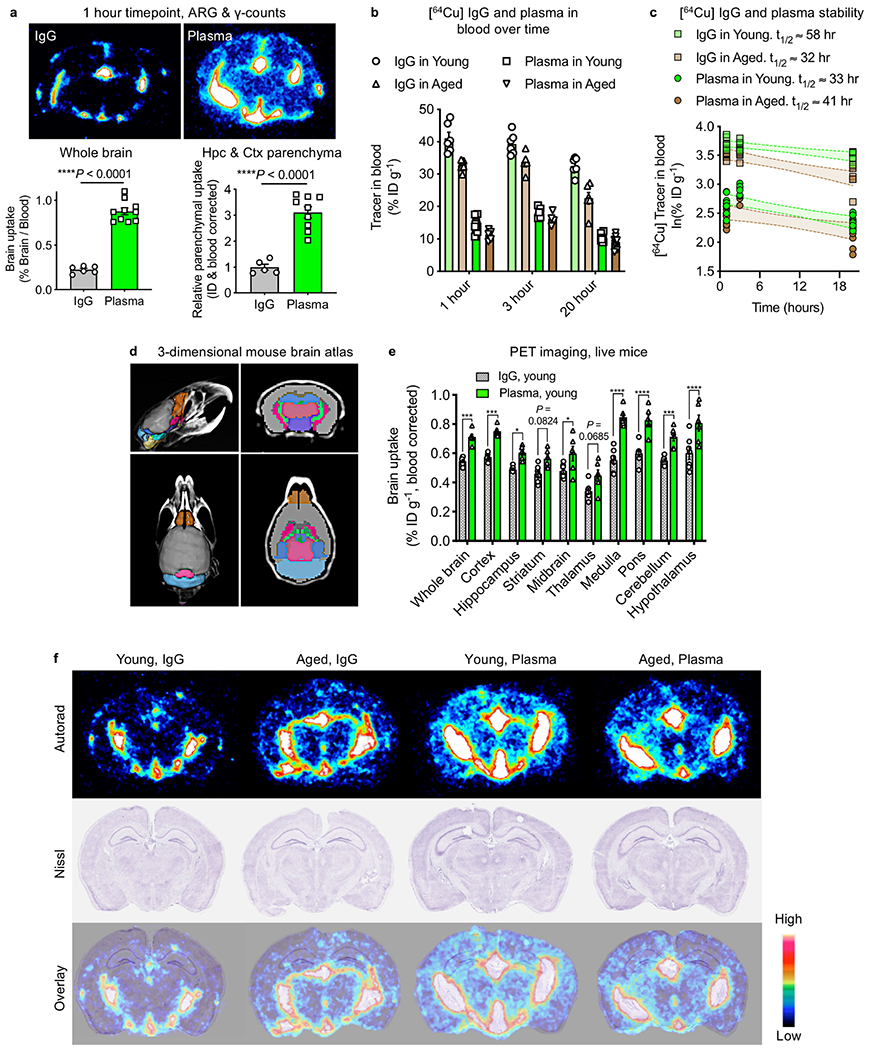
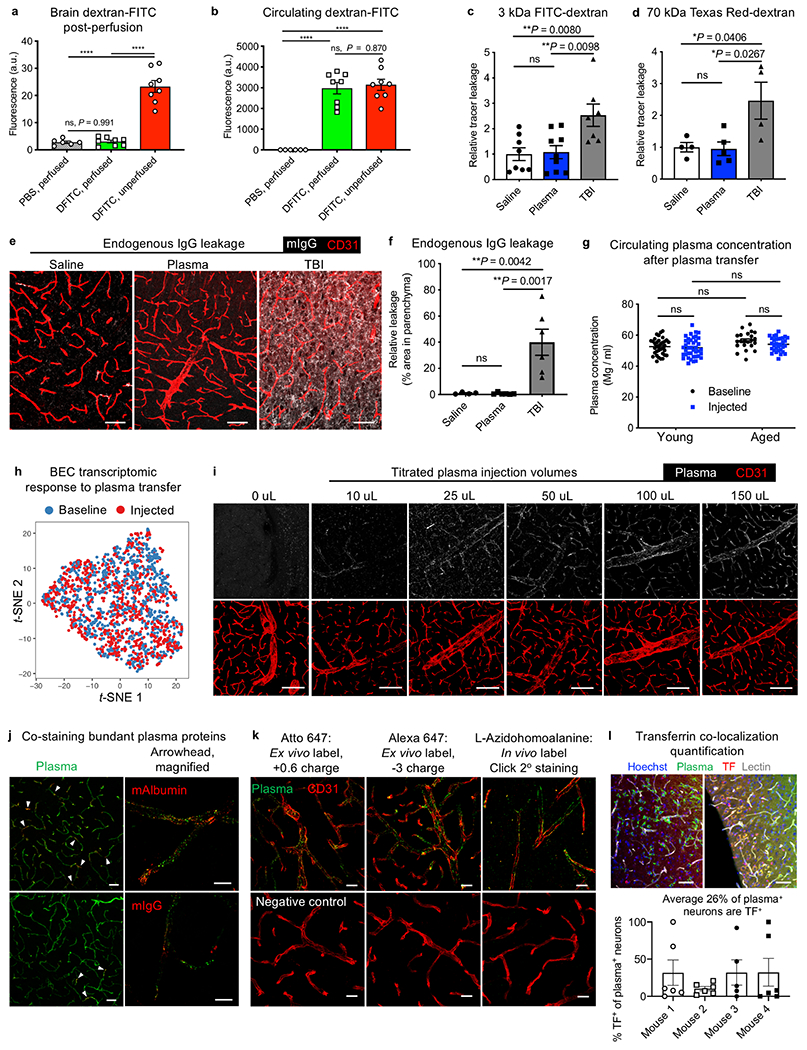
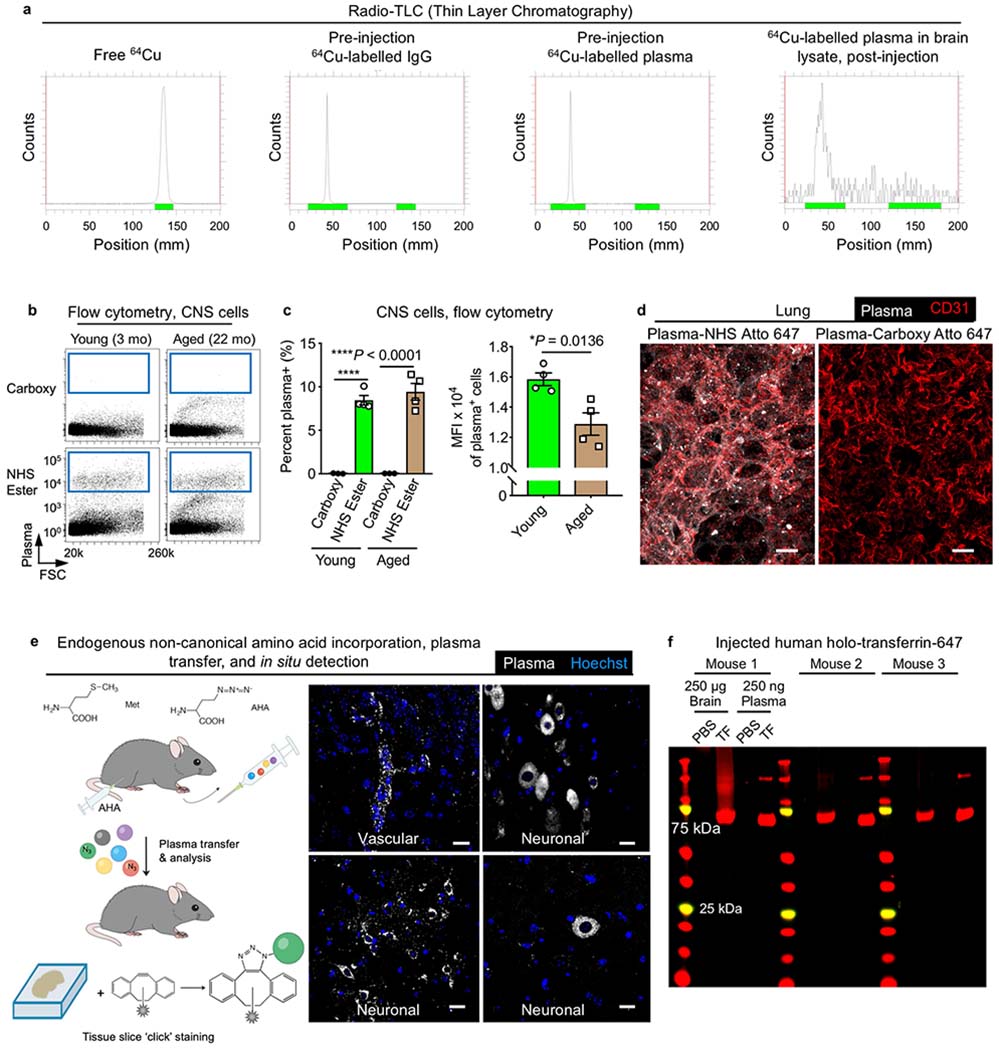
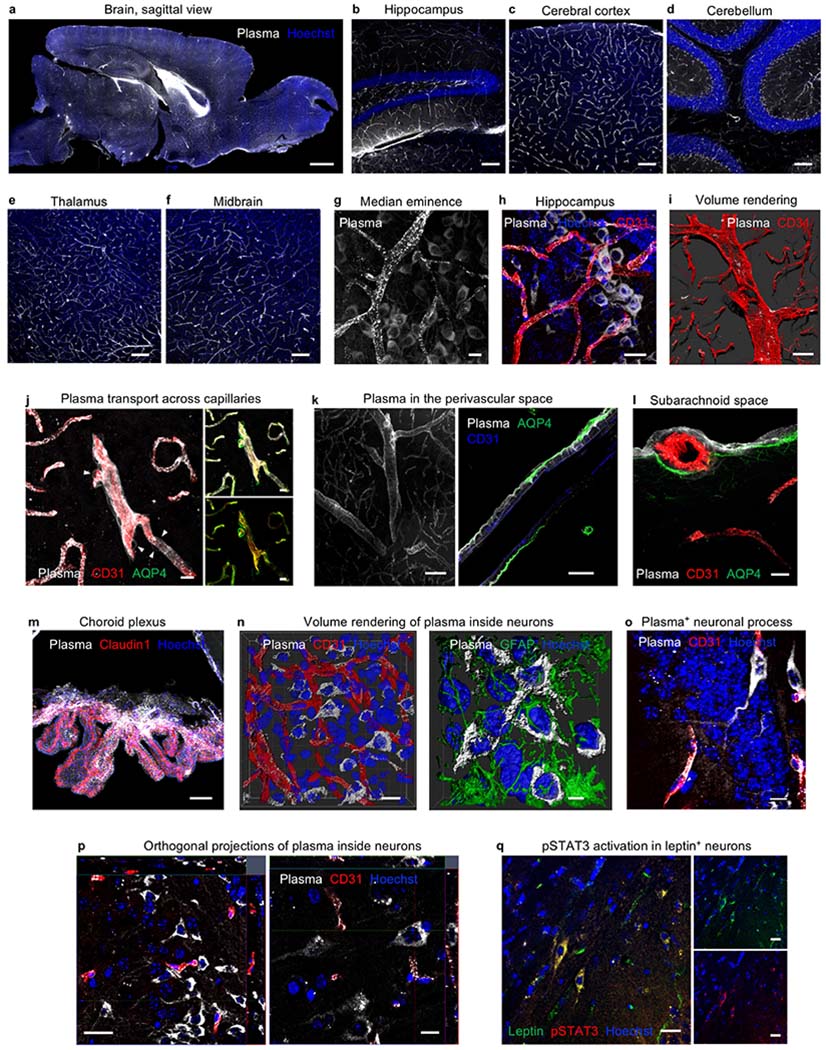
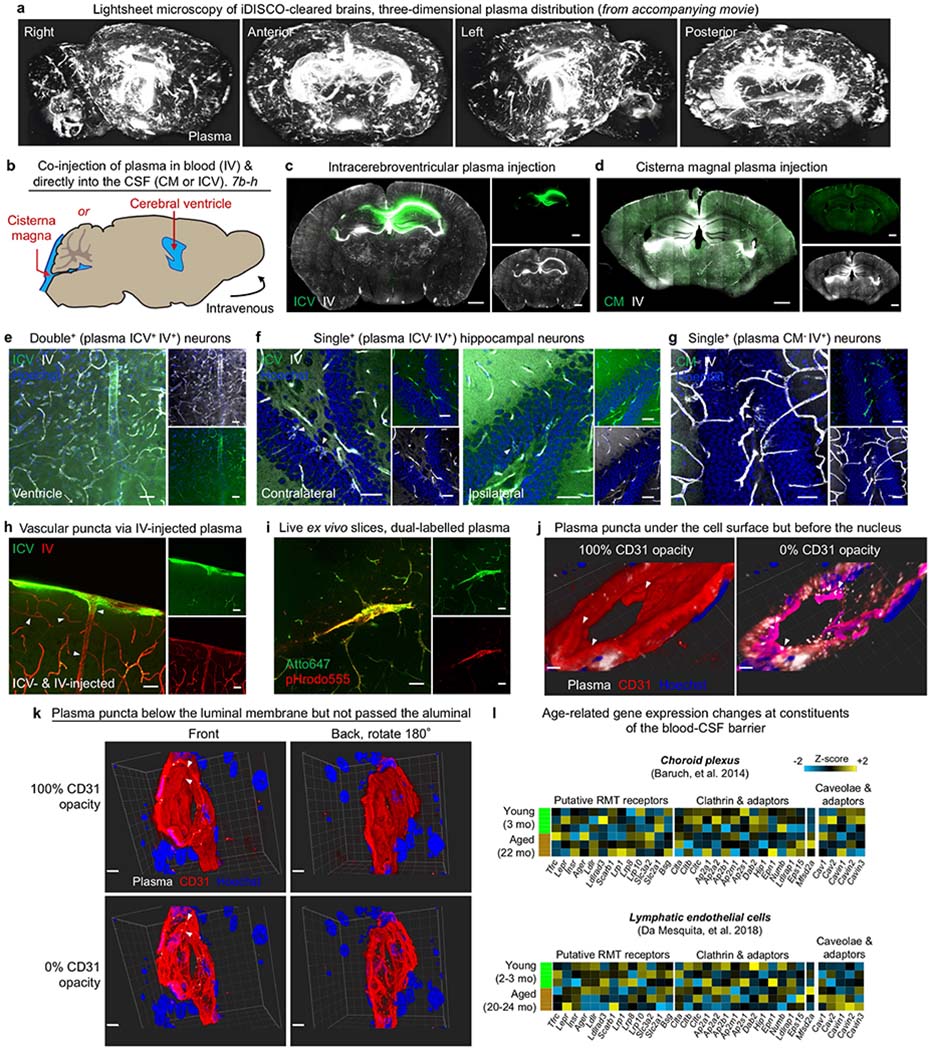
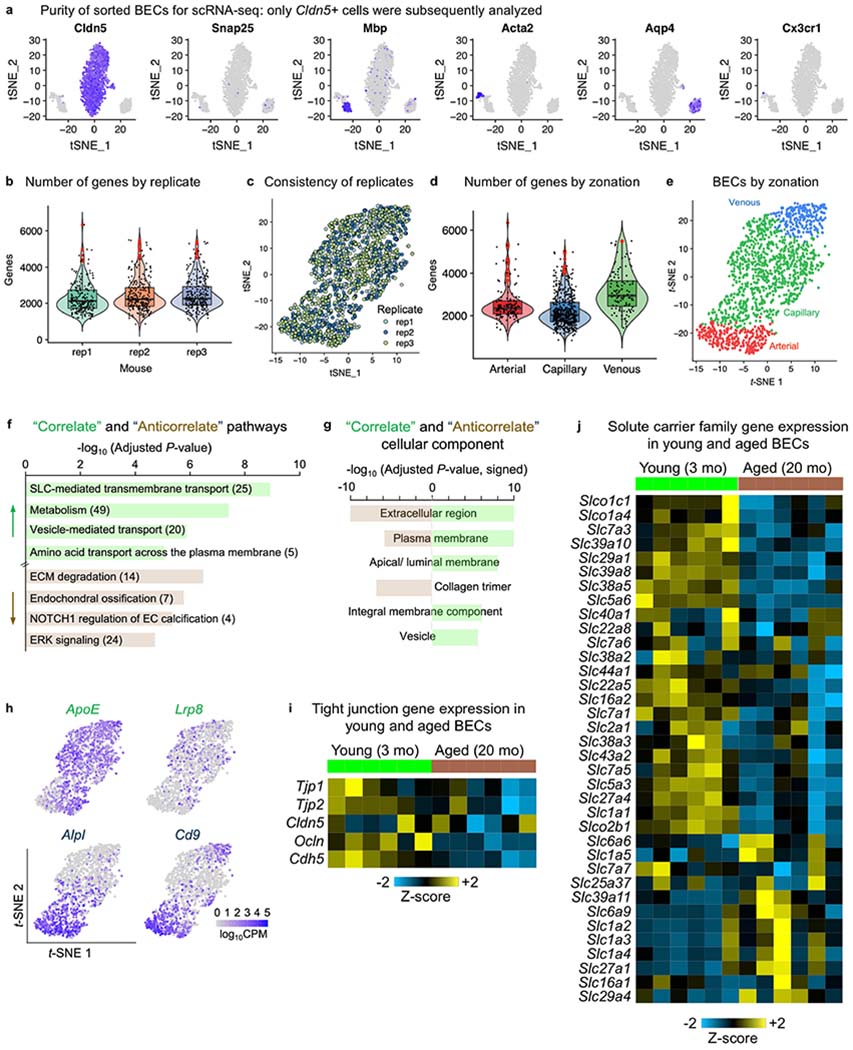
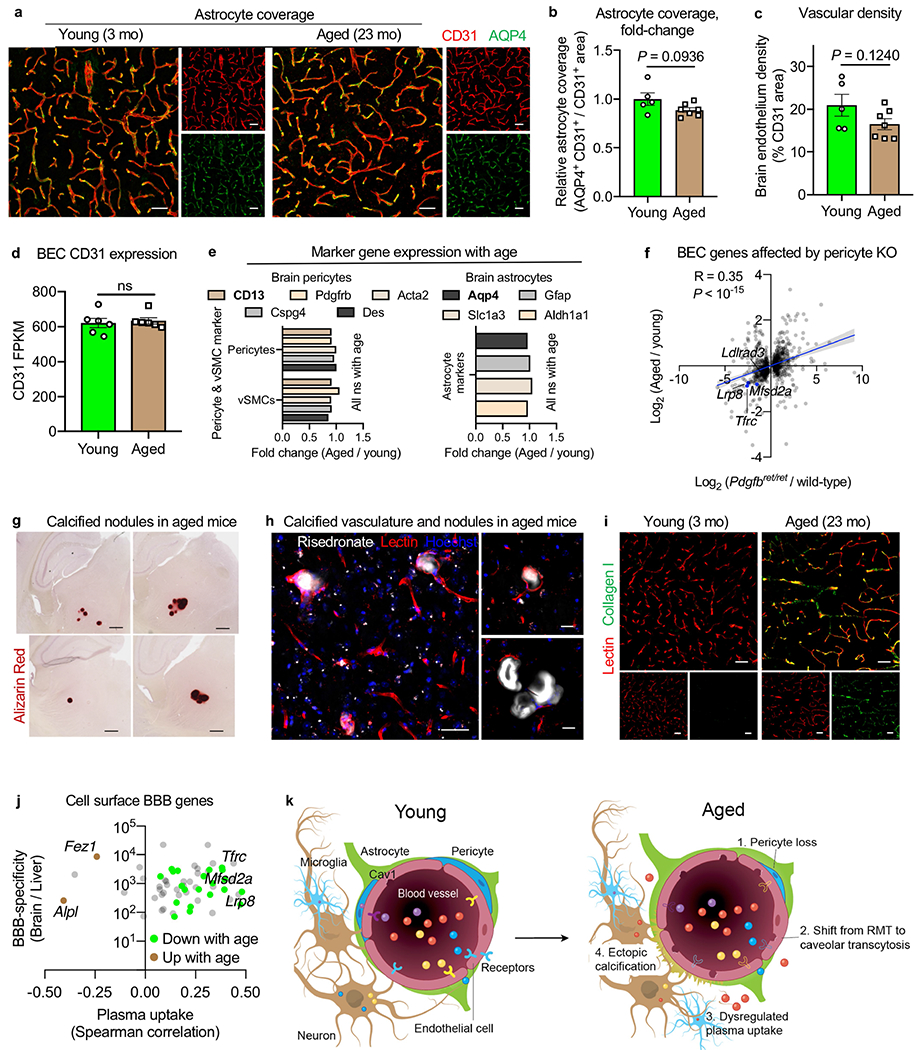
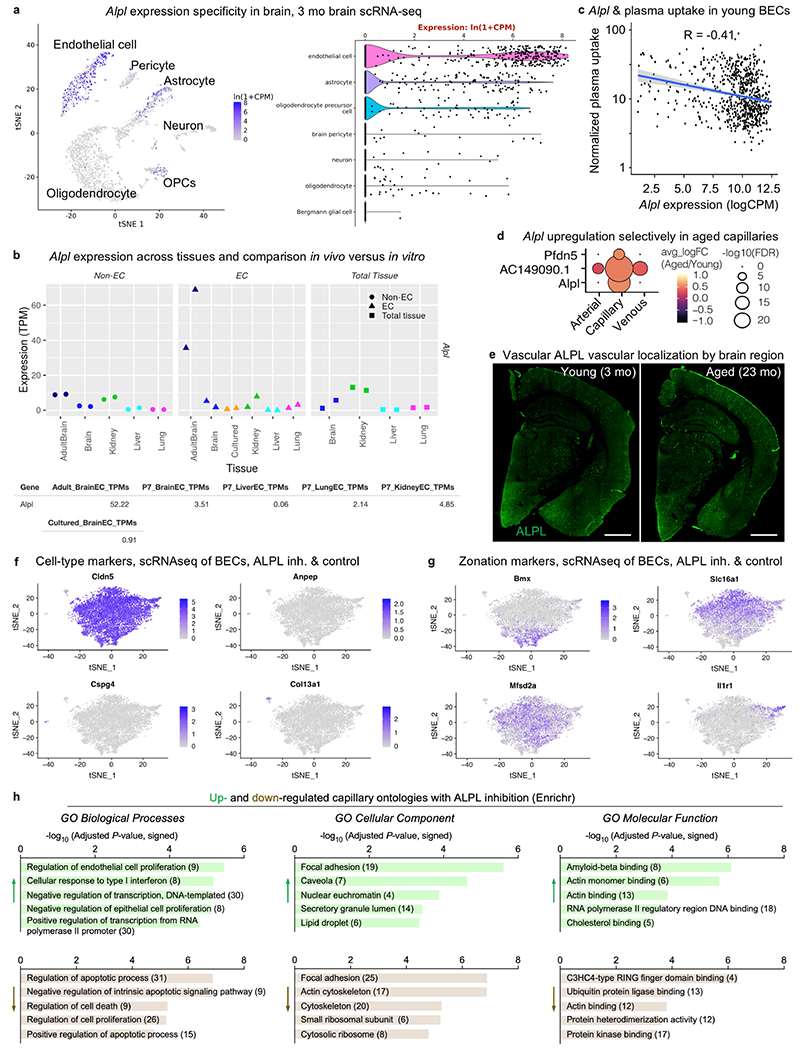
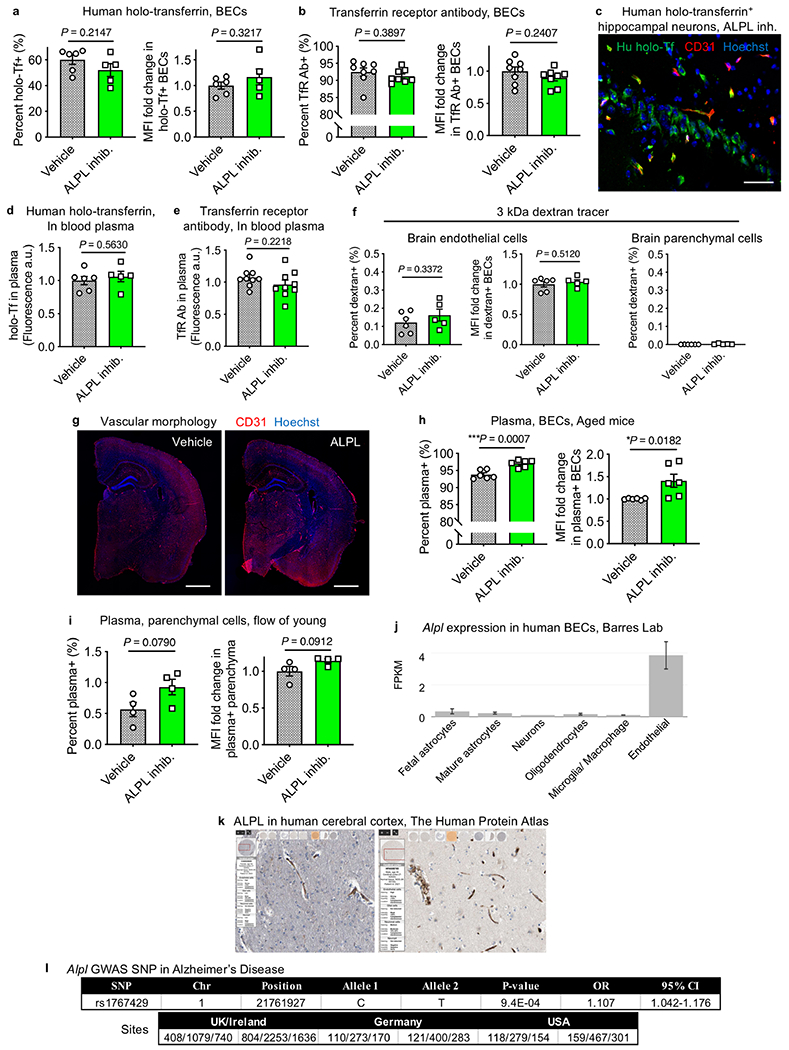
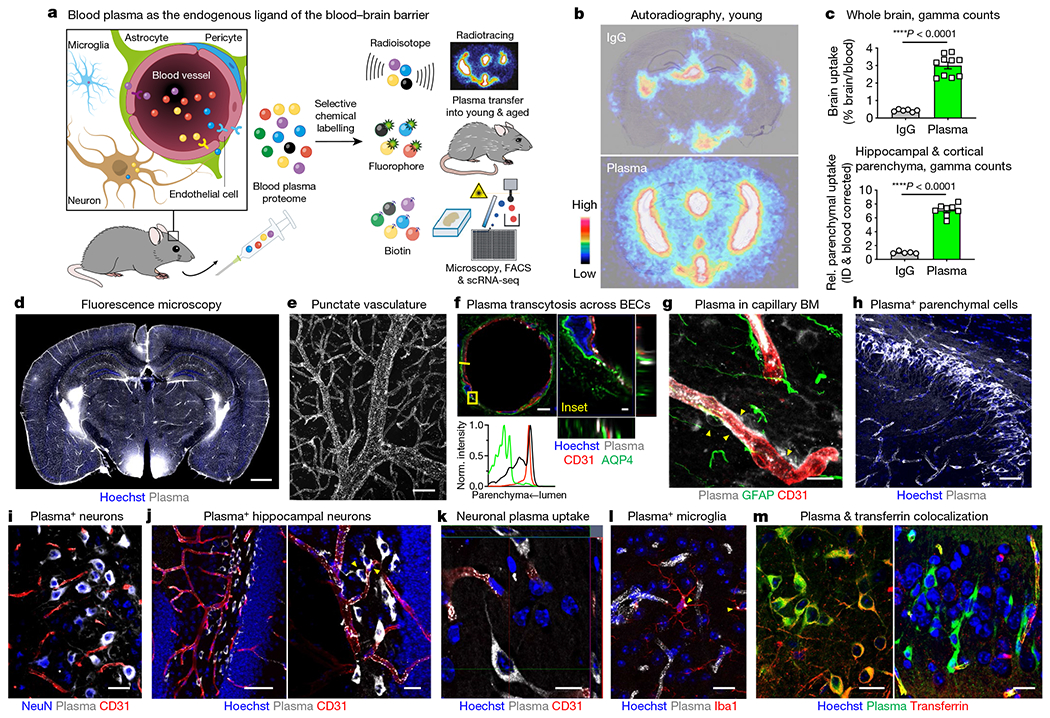
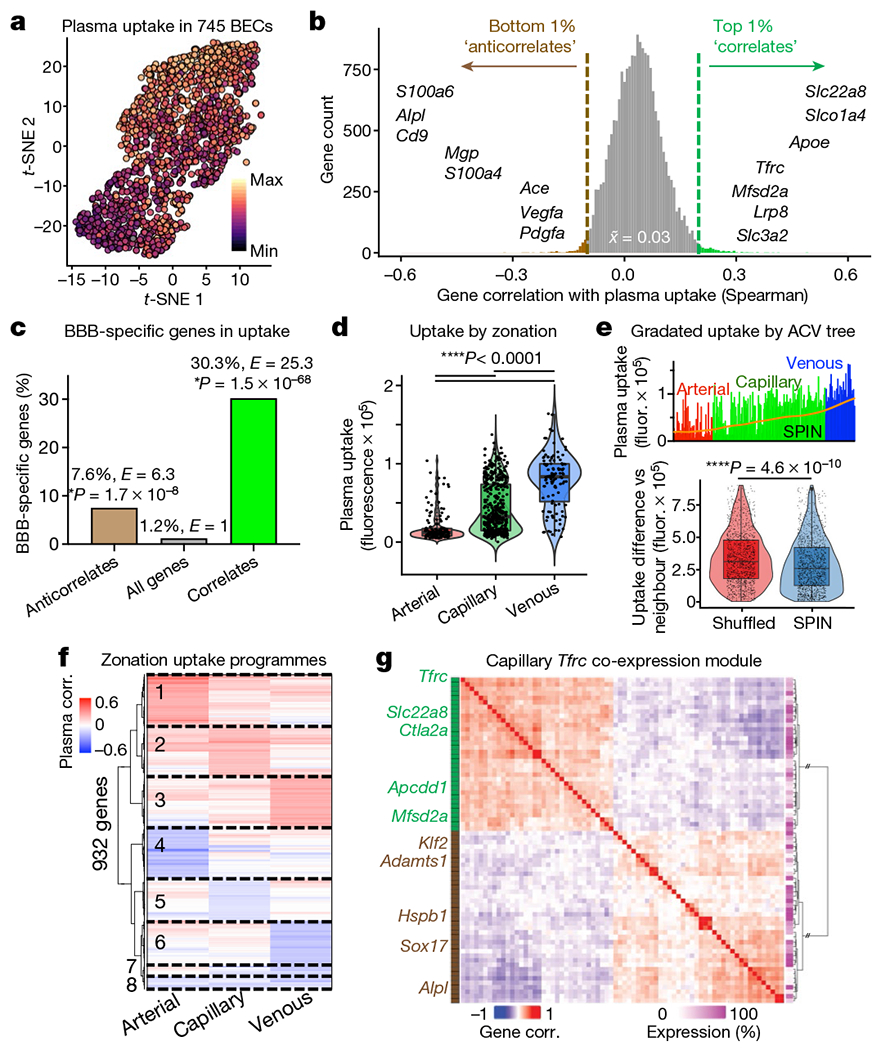
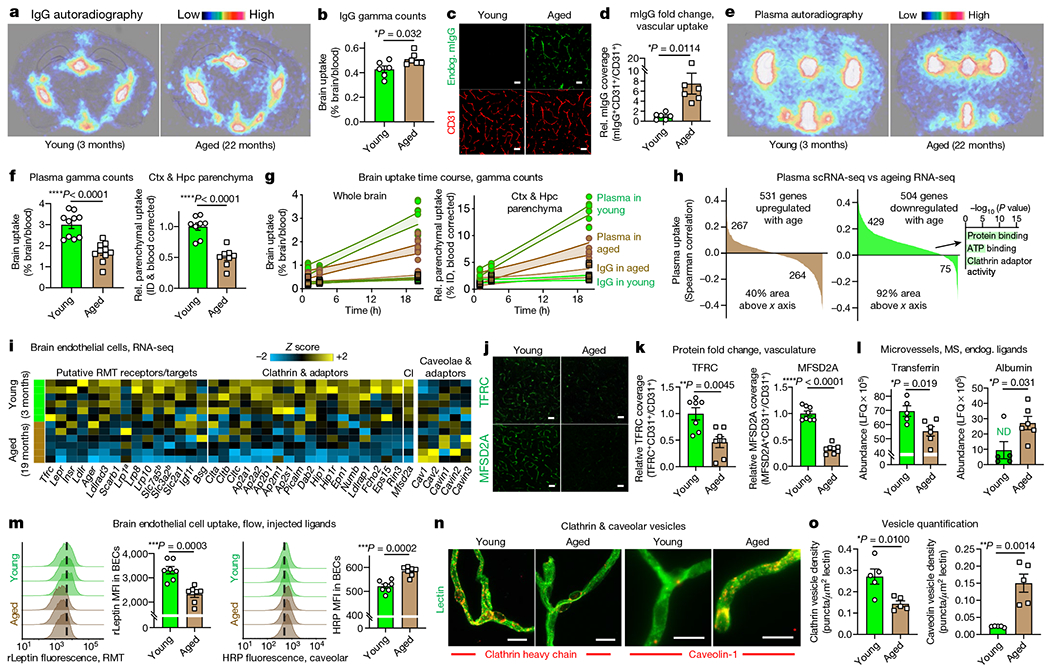
The vascular interface of the brain, known as the blood-brain barrier (BBB), is understood to maintain brain function in part via its low transcellular permeability. Yet, recent studies have demonstrated that brain ageing is sensitive to circulatory proteins. Thus, it is unclear whether permeability to individually injected exogenous tracers-as is standard in BBB studies-fully represents blood-to-brain transport. Here we label hundreds of proteins constituting the mouse blood plasma proteome, and upon their systemic administration, study the BBB with its physiological ligand. We find that plasma proteins readily permeate the healthy brain parenchyma, with transport maintained by BBB-specific transcriptional programmes. Unlike IgG antibody, plasma protein uptake diminishes in the aged brain, driven by an age-related shift in transport from ligand-specific receptor-mediated to non-specific caveolar transcytosis. This age-related shift occurs alongside a specific loss of pericyte coverage. Pharmacological inhibition of the age-upregulated phosphatase ALPL, a predicted negative regulator of transport, enhances brain uptake of therapeutically relevant transferrin, transferrin receptor antibody and plasma. These findings reveal the extent of physiological protein transcytosis to the healthy brain, a mechanism of widespread BBB dysfunction with age and a strategy for enhanced drug delivery.
大脑的血管界面,即血脑屏障(BBB),被认为部分通过其低跨细胞通透性来维持大脑功能。然而,最近的研究表明,大脑衰老对循环蛋白敏感。因此,尚不清楚在血脑屏障研究中作为标准的单独注射外源性示踪剂的通透性是否能完全代表血脑转运。在这里,我们标记了构成小鼠血浆蛋白质组的数百种蛋白质,并在全身给药后,用其生理配体研究血脑屏障。我们发现血浆蛋白很容易渗透到健康的脑实质中,其转运由血脑屏障特异性转录程序维持。与IgG抗体不同,老年大脑中血浆蛋白的摄取减少,这是由与年龄相关的转运从配体特异性受体介导转变为非特异性小窝转胞吞作用所驱动的。这种与年龄相关的转变伴随着周细胞覆盖的特异性丧失。对年龄上调的磷酸酶ALPL(一种预测的转运负调节因子)进行药理抑制,可增强治疗相关转铁蛋白、转铁蛋白受体抗体和血浆的脑摄取。这些发现揭示了生理蛋白转胞吞作用对健康大脑的影响程度、血脑屏障随年龄增长而广泛功能障碍的机制以及增强药物递送的策略。