Ding Rong, Zhao Mingming, Fan Jiuyu, Hu Xiuquan, Wang Meng, Zhong Shihong, Gu Rui
School of Pharmacy, Chengdu University of Traditional Chinese Medicine, Chengdu, 611137 China.
State Key Laboratory of Quality Research in Chinese Medicine, University of Macau Avenida da Universidade, Institute of Chinese Medicinal Science, Taipa, Macau 999078 China.
Chin Med. 2020 Jun 29;15:65. doi: 10.1186/s13020-020-00343-9. eCollection 2020.
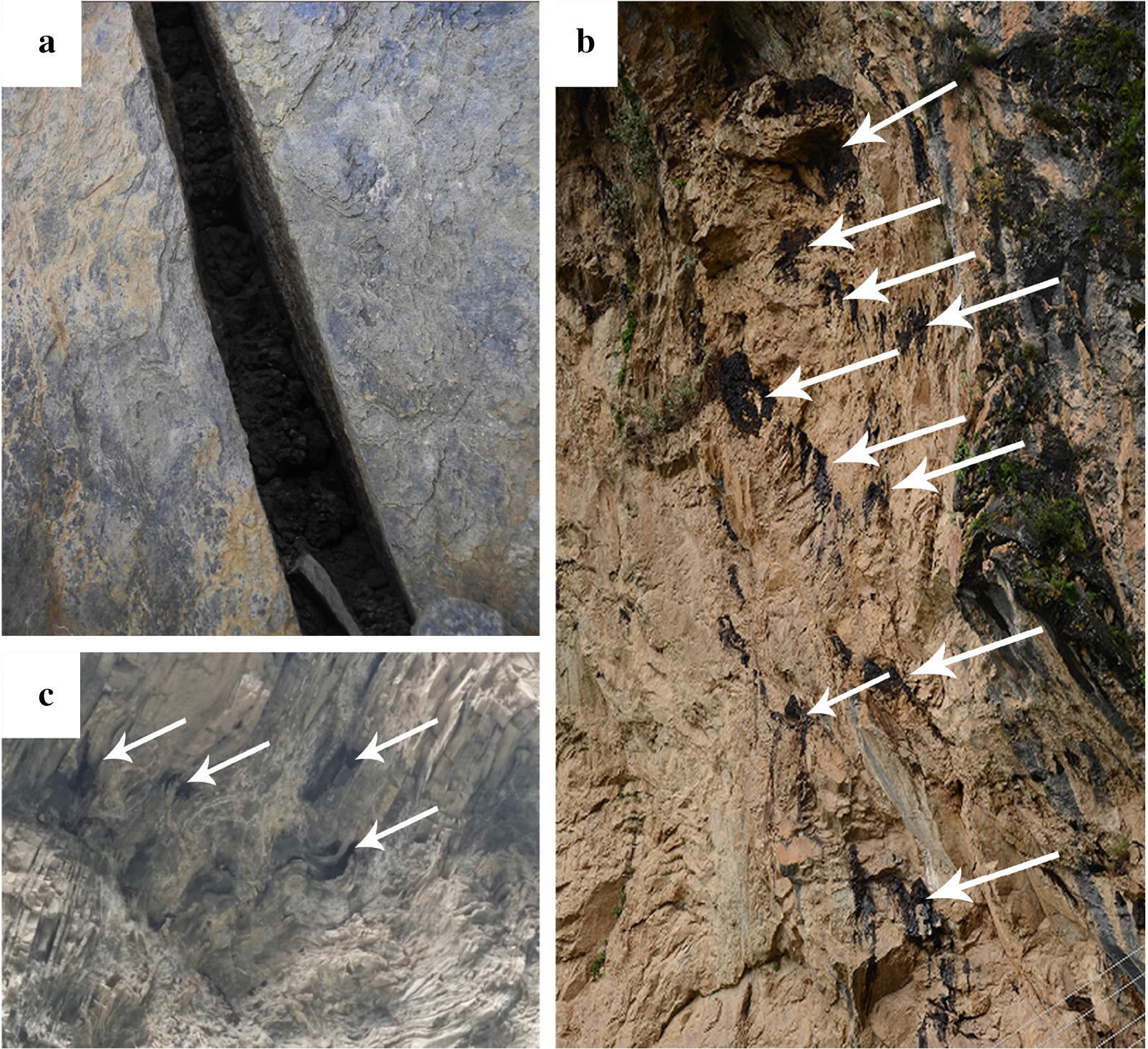
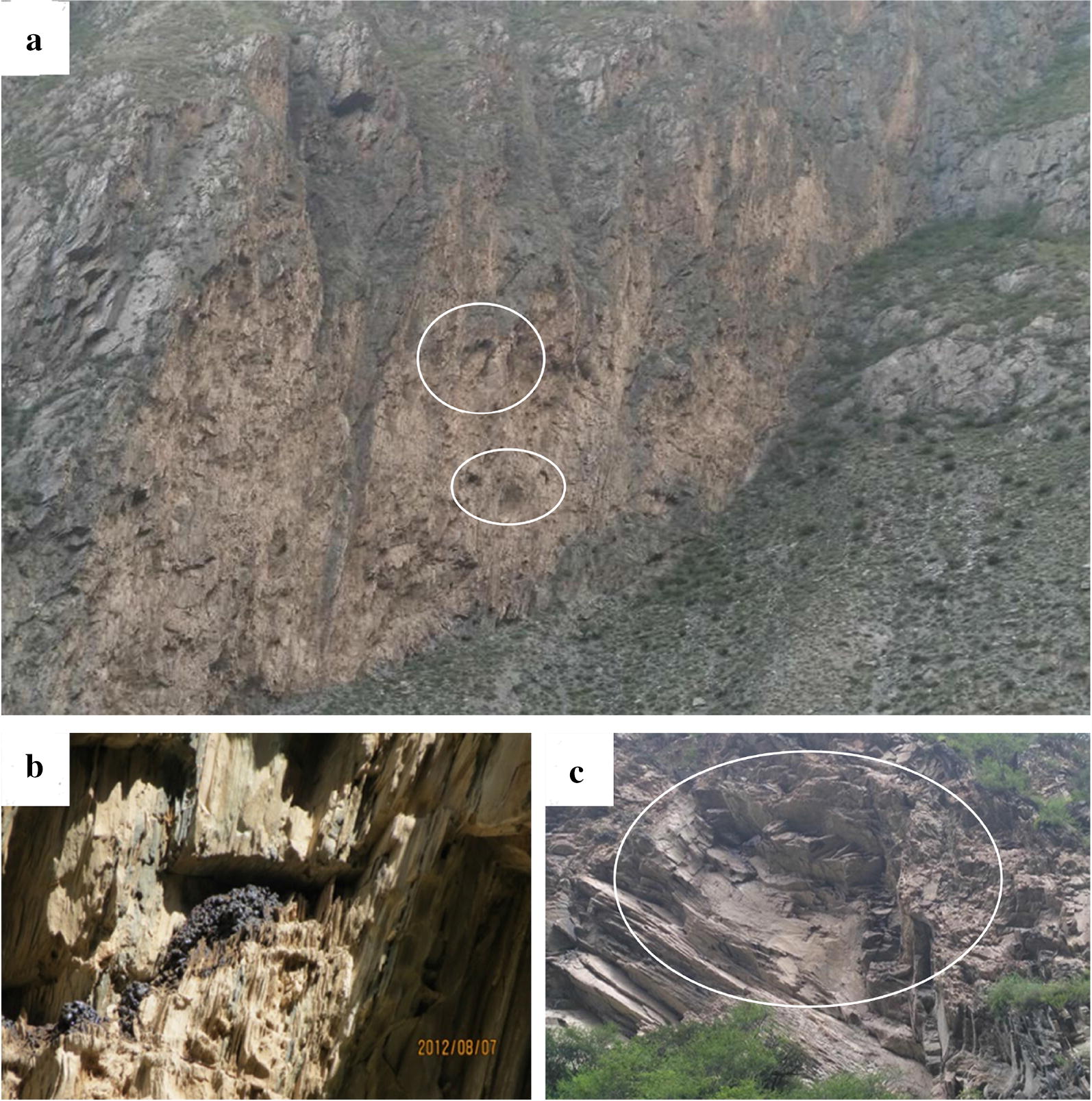
Shilajit is a commonly used Tibetan medicine, and its water extract is mainly used for various heat-related syndrome, especially that of stomach, liver and kidney. Shilajit is found to exudate from rocks of cliff at an altitude of 2000-4000 m as a water-soluble mixture of black paste and animal feces of spp. spp. Because it is difficult to reach the exudation points so as to explain the its formation process, the source of Shilajit still remains unclear and controversial, which severely impedes its safety and efficacy in clinical application.
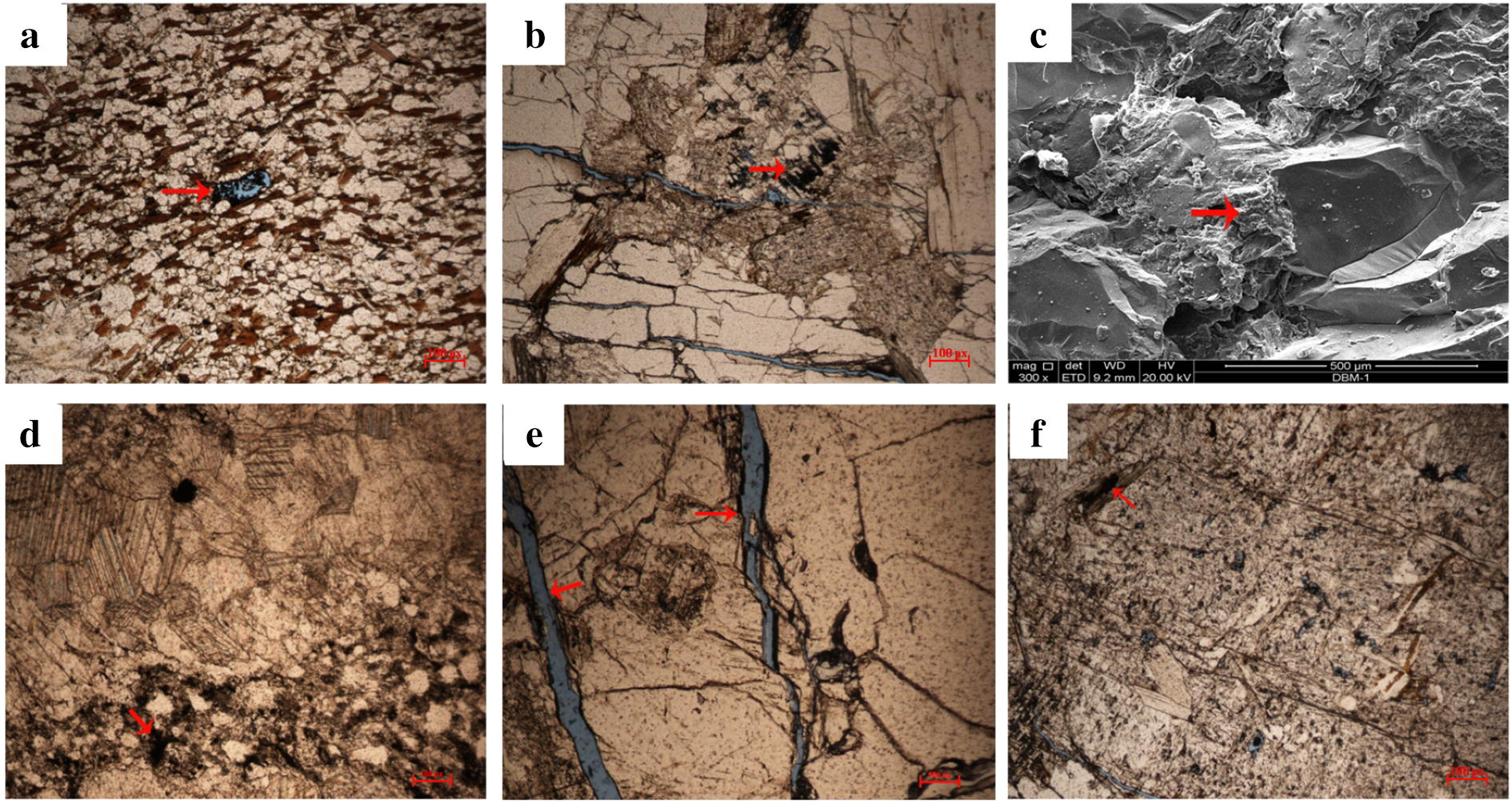
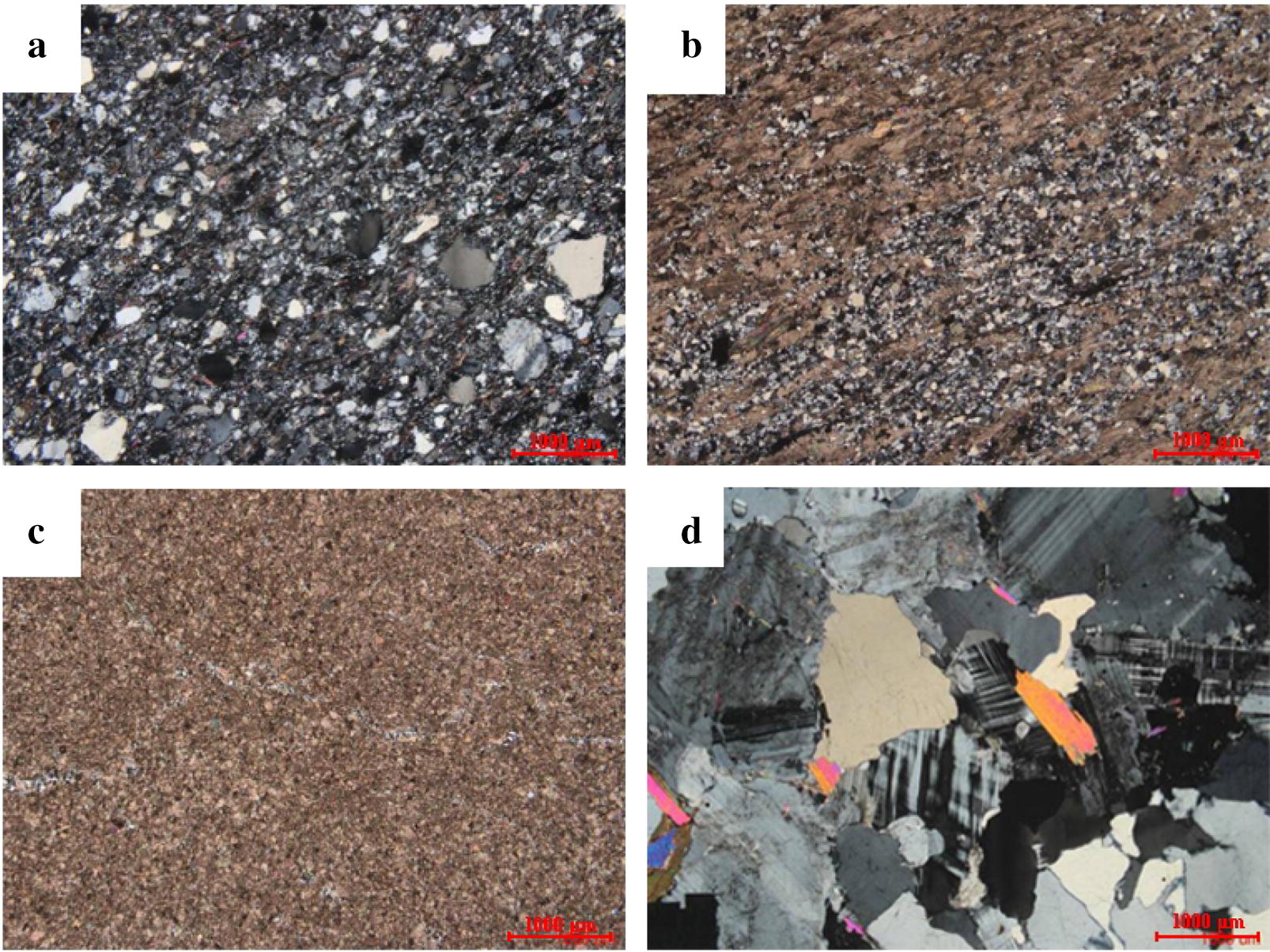
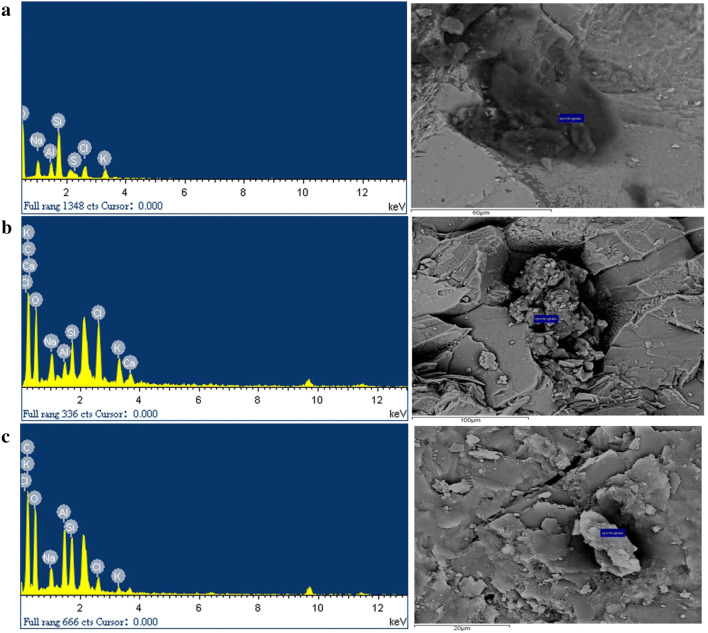
In this work, a series of investigations as rock flakes identification, porosity determination, rock mineral analysis, scanning electron microscopy (SEM), and energy dispersive spectrometer (EDS) have been carried out to clarify the source of Shilajit, including the storage condition and exudation process of its organic matter, and to investigate the geological structure of the exudation points as well as physical and chemical characteristics of the mother rocks.
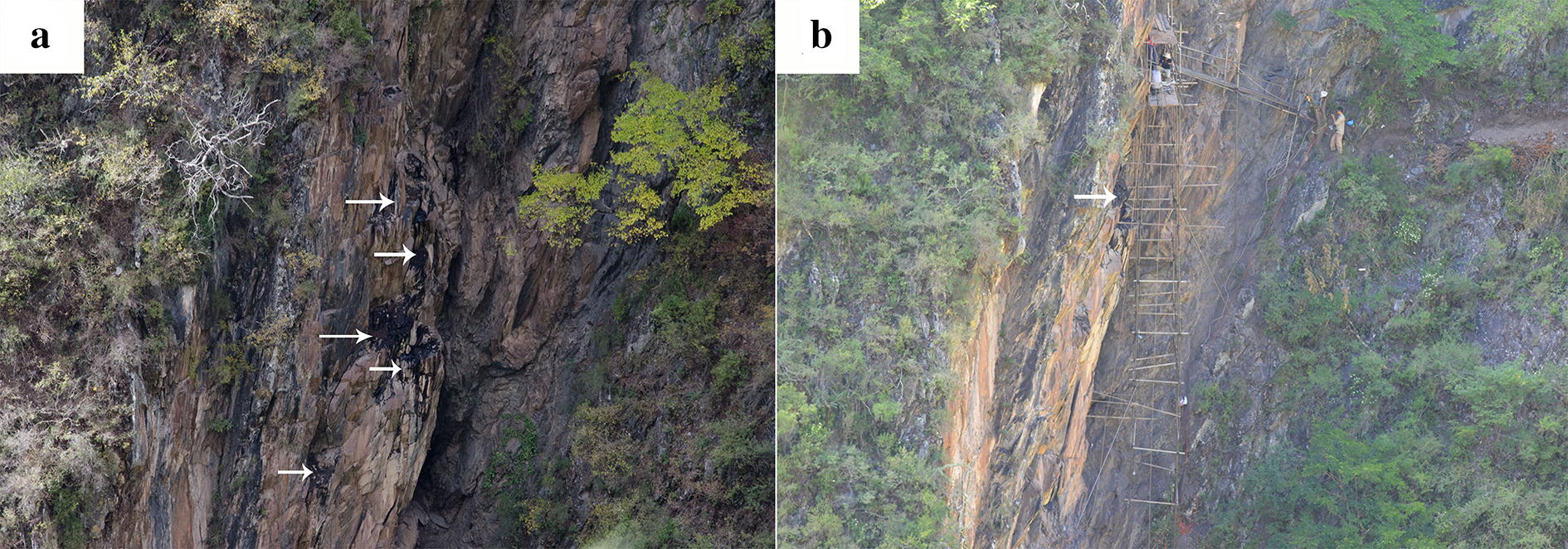
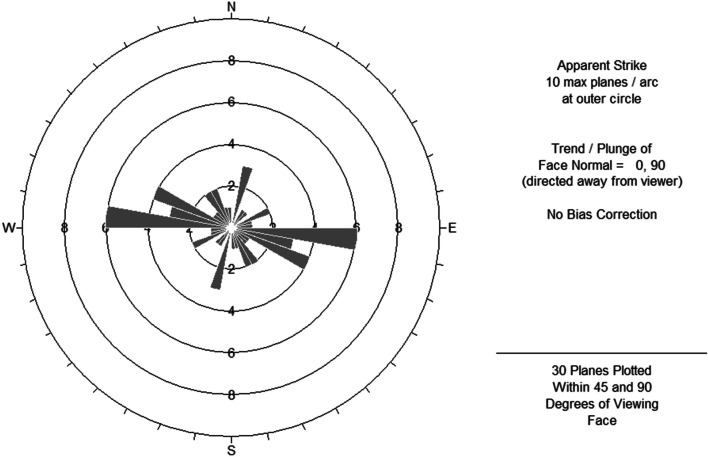
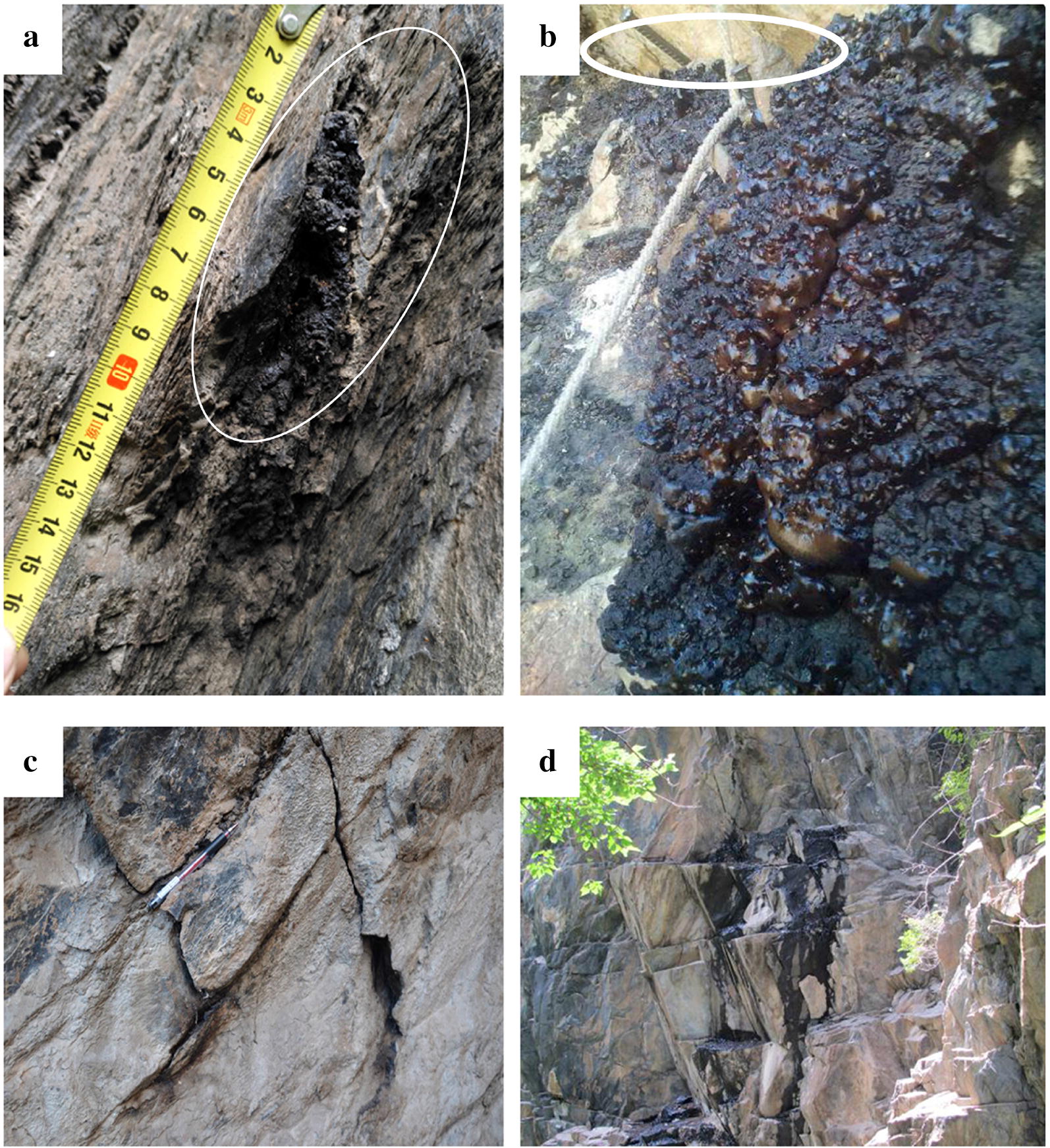
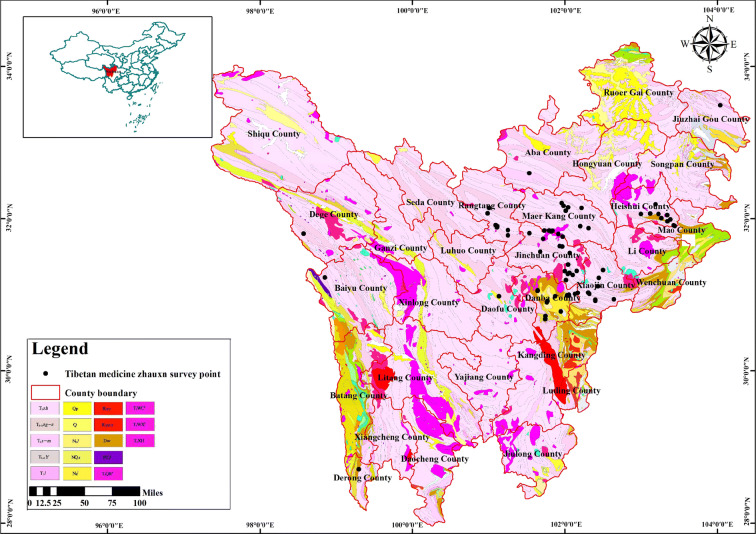
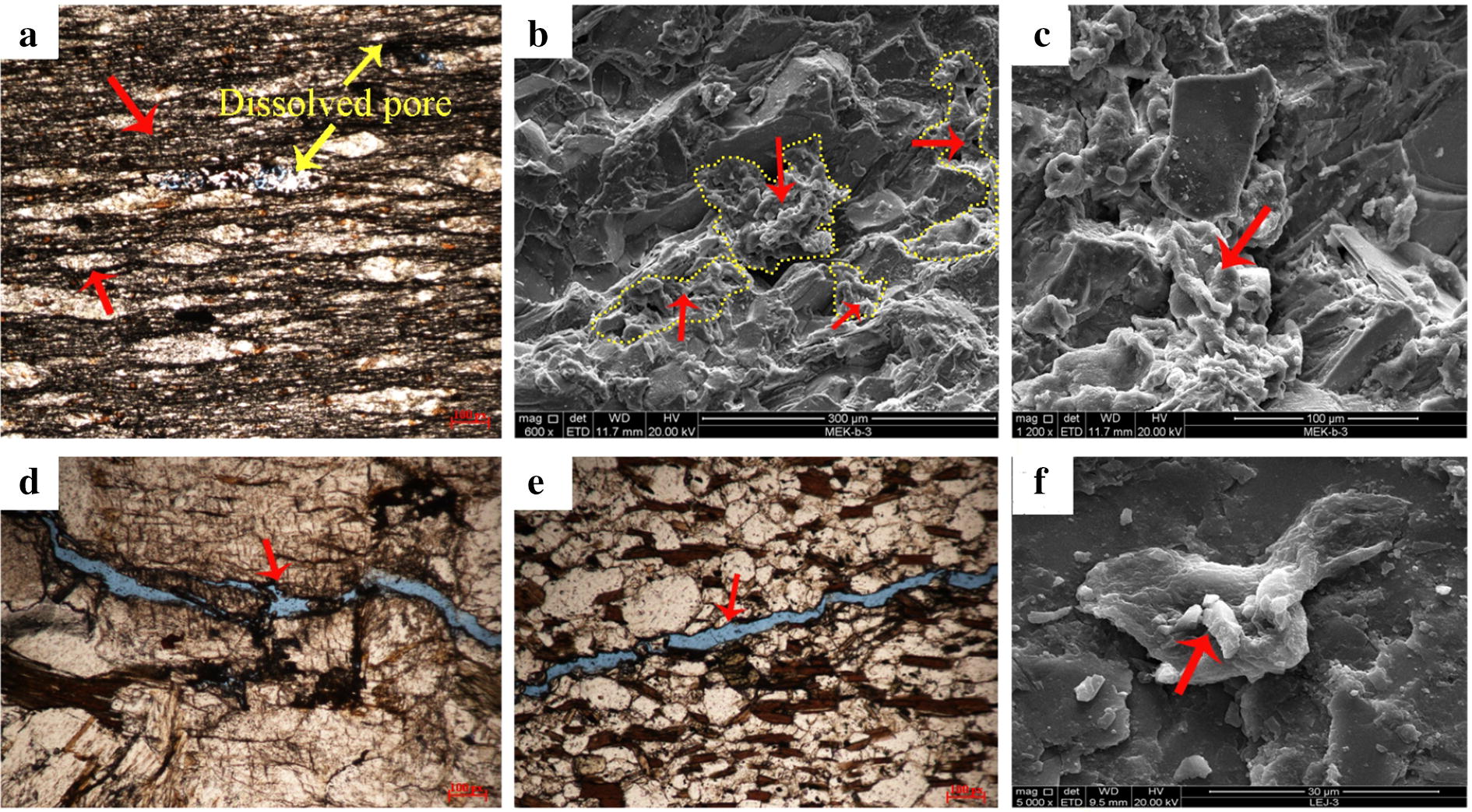
The Shilajit exudation points were mainly distributed on the steep cliffs, where there were cavities and sections that could not be eroded by rainwater. The fundamental structure of the exudation points was determined by the rock's bedding planes, joints, fracture surfaces and faults, and developed into micro-topography later. The exudation points were distributed in the Triassic strata and scattered in the Early Mesozoic granitoids. The lithologic features were mainly slate, carbonaceous slate and sandy slate etc. The background rocks were characterized by intergranular pores, dissolved pore, joint and fracture development. Organic matter was widely distributed in these pores and fissures, which had condition for storage and exudation of organic matter.
Shilajit mainly distributed on sunny steep slopes and cliffs with a slope of 60° or above at altitude of 2000-4000 m. The lithology character of the Shilajit exudation area were mainly various metamorphic rocks of sedimentary rocks that were rich in organic carbon. The organic matter in Shilajit was found to flow out naturally from rocks along pore, structural plane and even accumulate on the surface of rock as a result of storage environment change caused by rock tectonic action.
希拉季特是一种常用藏药,其水提取物主要用于各种热证,尤其是胃、肝、肾的热证。希拉季特是在海拔2000 - 4000米的悬崖岩石上渗出的一种水溶性混合物,呈黑色膏状,类似某些物种的动物粪便。由于难以到达渗出点来解释其形成过程,希拉季特的来源仍然不明确且存在争议,这严重阻碍了其在临床应用中的安全性和有效性。
在这项工作中,进行了一系列调查,包括岩石薄片鉴定、孔隙度测定、岩石矿物分析、扫描电子显微镜(SEM)和能谱仪(EDS),以阐明希拉季特的来源,包括其有机物的储存条件和渗出过程,并研究渗出点的地质结构以及母岩的物理和化学特征。
希拉季特渗出点主要分布在陡峭悬崖上,那里有洞穴和未被雨水侵蚀的部分。渗出点的基本结构由岩石的层面、节理、断裂面和断层决定,随后发展成微地形。渗出点分布在三叠纪地层中,散布在早中生代花岗岩类中。岩性特征主要为板岩、碳质板岩和砂质板岩等。母岩的特征是粒间孔隙、溶蚀孔隙、节理和裂隙发育。有机物广泛分布在这些孔隙和裂隙中,具备有机物储存和渗出的条件。
希拉季特主要分布在海拔2000 - 4000米、坡度为60°及以上的向阳陡坡和悬崖上。希拉季特渗出区的岩性特征主要是富含有机碳的各种沉积变质岩。发现希拉季特中的有机物由于岩石构造作用导致的储存环境变化,从岩石中沿孔隙、结构面自然流出,甚至积聚在岩石表面。