Environmental Health and Ecological Sciences Department, Ifakara Health Institute, Ifakara, Tanzania.
Swiss Tropical and Public Health Institute, Socinstrasse, Basel, Switzerland.
PLoS Negl Trop Dis. 2020 Jul 2;14(7):e0007278. doi: 10.1371/journal.pntd.0007278. eCollection 2020 Jul.
The frequency and magnitude of dengue epidemics has increased dramatically throughout the tropics in the past 40 years due to unplanned urbanization, globalization and lack of effective mosquito control. The commercial capital of Tanzania, Dar es Salaam, is now experiencing regular dengue outbreaks. Three dengue serotypes have been detected in Dar es Salaam (DNV 1, 2 and 3). Without adequate vector monitoring and control, further outbreaks will certainly occur.
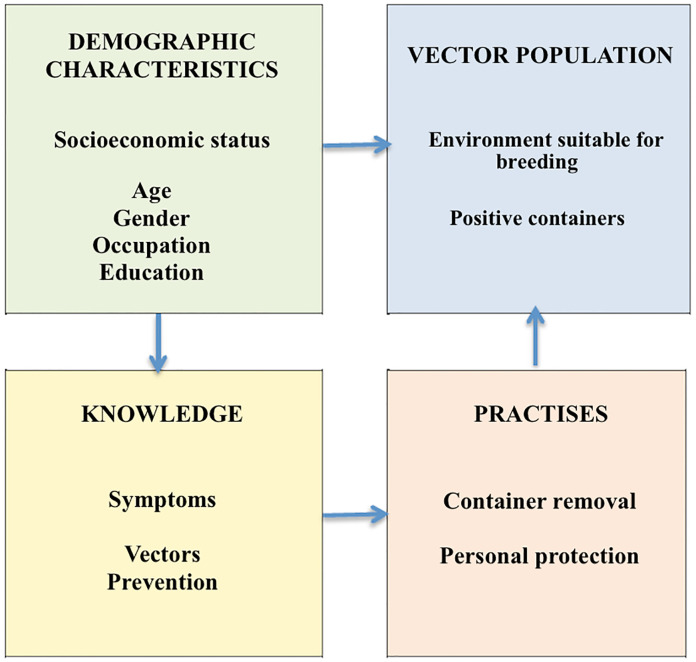
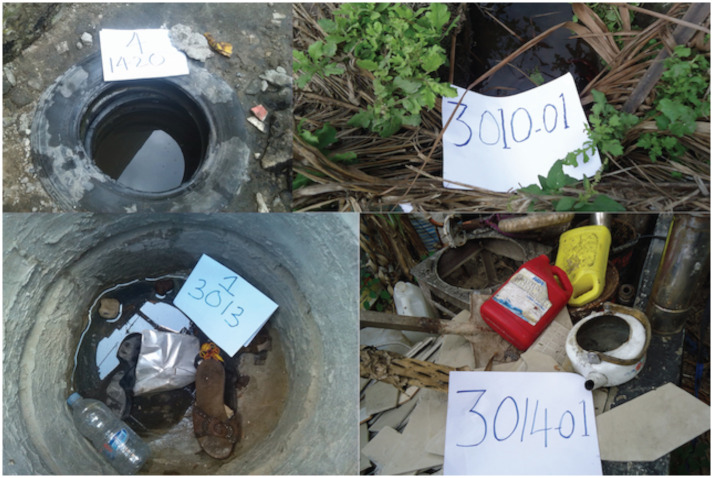
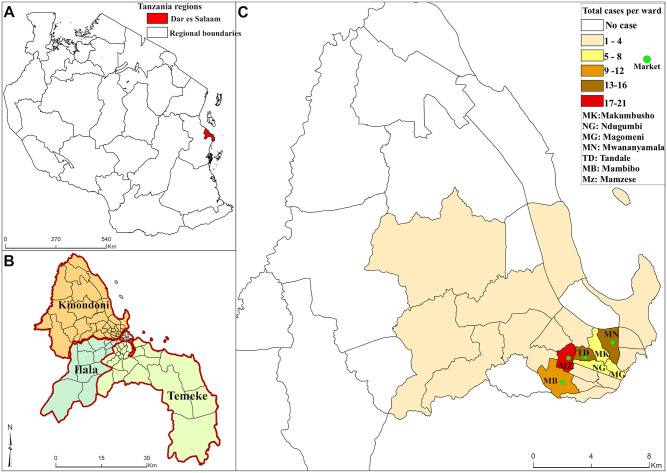
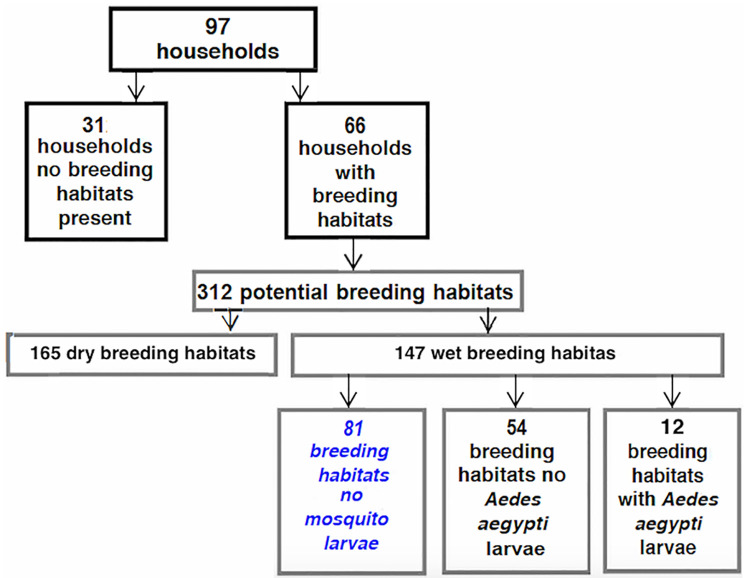
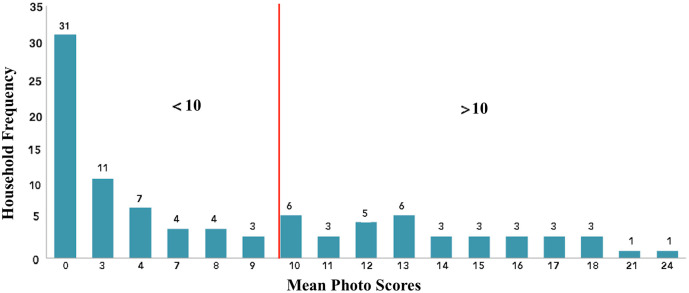
METHODS/FINDINGS: A case series study followed 97 individuals with confirmed dengue fever (NS1 and/or IgM on rapid diagnostic test and/or PCR positive) to their households in Kinondoni, Dar es Salaam during the 2014 outbreak from a random sample of 202 confirmed cases at Mwananyamala Hospital. Kinondoni wards of Manzese, Mwananyamala, Tandale and Mabibo had the highest number of confirmed cases: 18, 13, 13 and 9 respectively. Individuals were interviewed by questionnaire on dengue prevention practices and houses were inspected for mosquito breeding sites to validate a Habitat Suitability Score (HSS). This is a tool devised to predict the productivity of any potential breeding habitats (PBHs) before the rains begin. There were 12 /312 positive Aedes breeding habitats. Drums/barrels, flowerpots and tyres were the most common breeding habitats. The HSS correctly identified 9/12 of Aedes breeding habitats. Larviciding is already conducted in urban Tanzania for malaria control and the HSS may be a useful means to train individuals on productive Aedes aegypti breeding sites should this program be extended to include dengue control. The population remains poorly informed about dengue transmission and prevention: 22% of respondents said dengue is spread from one person to another and 60% first heard about dengue when already sick. Less than 20% of respondents used personal protection and >80% thought bednets protected against dengue. Mobile phones were owned by almost all individuals followed up and have the potential of being the prime medium for dissemination of information on dengue prevention.
在过去的 40 年中,由于城市化规划不合理、全球化和缺乏有效的蚊虫控制,热带地区的登革热疫情发生频率和规模急剧增加。坦桑尼亚的商业首都达累斯萨拉姆现在正经历着定期的登革热爆发。在达累斯萨拉姆已经检测到三种登革热血清型(DNV1、2 和 3)。如果没有充分的媒介监测和控制,肯定会再次爆发疫情。
方法/发现:在 2014 年 Mwananyamala 医院的 202 例确诊病例中,进行了一项病例系列研究,对来自 Kinondoni 的 97 名确诊登革热患者(快速诊断测试中的 NS1 和/或 IgM 以及/或 PCR 阳性)及其家庭进行了随访,这些患者是从随机样本中抽取的。在 Manzese、Mwananyamala、Tandale 和 Mabibo 的 Kinondoni 病房,确诊病例数量最多,分别为 18、13、13 和 9 例。通过问卷调查对登革热预防措施进行了访谈,并对房屋内的蚊虫滋生地进行了检查,以验证栖息地适宜性评分(HSS)。这是一种在雨季开始前预测任何潜在滋生地(PBH)生产力的工具。有 12/312 个阳性伊蚊滋生地。桶/桶、花盆和轮胎是最常见的滋生地。HSS 正确识别了 12/12 的伊蚊滋生地。在坦桑尼亚的城市中,已经在进行疟疾控制的蚊虫幼虫防治工作,并且如果将该计划扩展到包括登革热控制,HSS 可能是一种有用的方法,用于培训人员识别具有生产力的埃及伊蚊滋生地。该人群对登革热传播和预防的了解仍然很差:22%的受访者表示登革热是由一人传播给另一人,60%的受访者在患病时才第一次听说登革热。不到 20%的受访者使用个人防护措施,超过 80%的受访者认为蚊帐可以预防登革热。几乎所有接受随访的人都拥有手机,手机有可能成为传播登革热预防信息的主要媒介。