Beijing Key Laboratory for Animal Models of Emerging and Remerging Infectious Diseases, NHC Key Laboratory of Human Disease Comparative Medicine, Institute of Laboratory Animal Science, Chinese Academy of Medical Sciences and Comparative Medicine Center, Peking Union Medical College, Beijing, China.
Department of Radiology, Beijing Anzhen Hospital, Capital Medical University, Beijing, China.
Science. 2020 Aug 14;369(6505):818-823. doi: 10.1126/science.abc5343. Epub 2020 Jul 2.
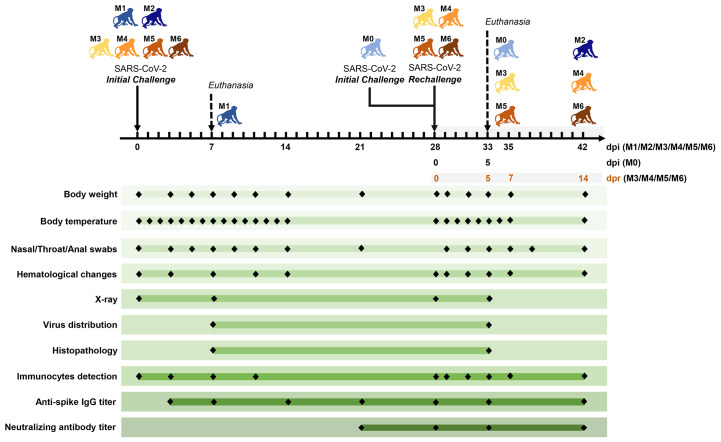
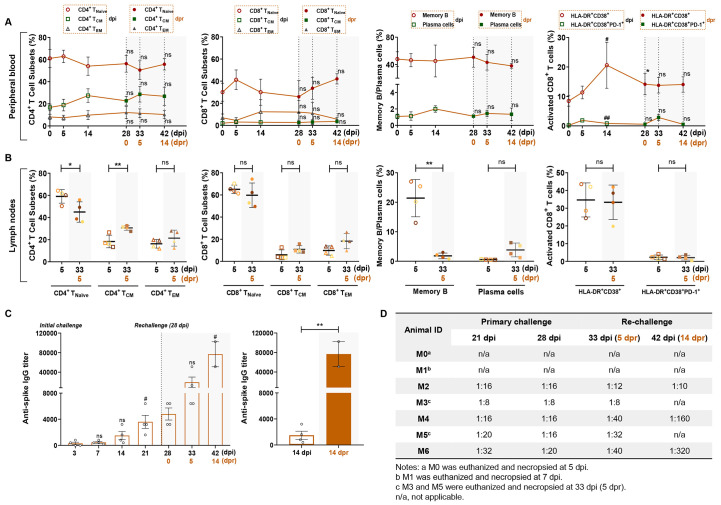
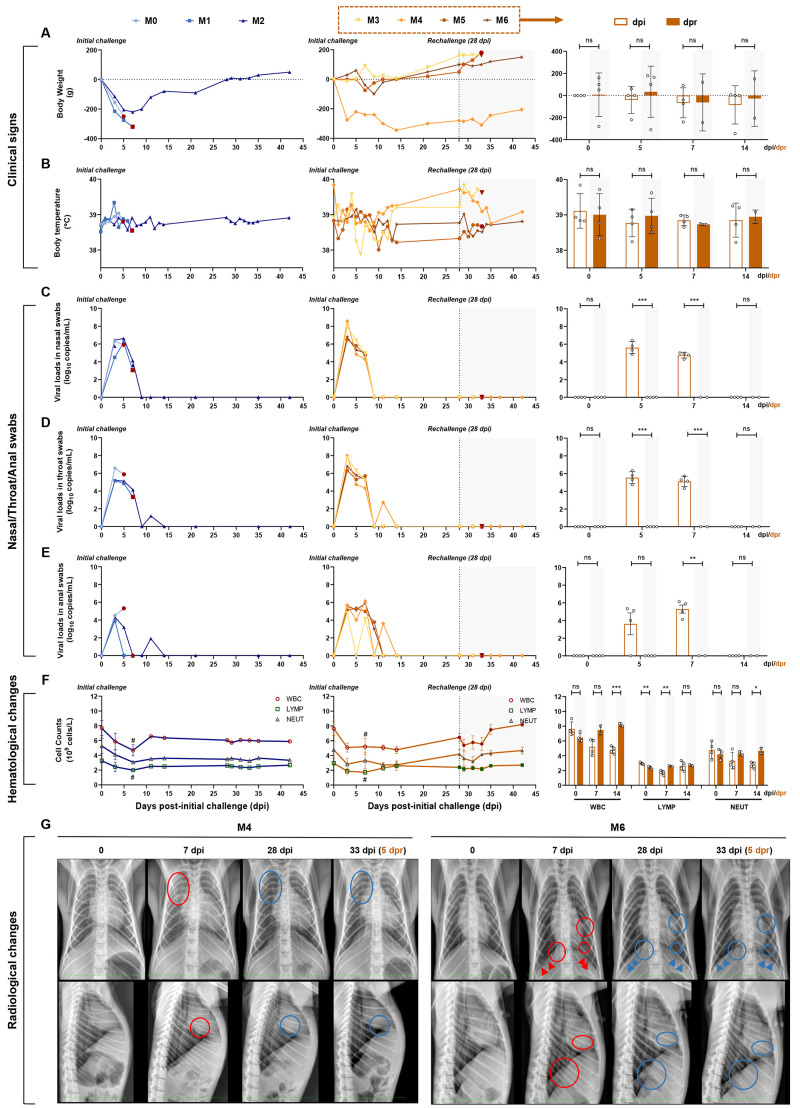
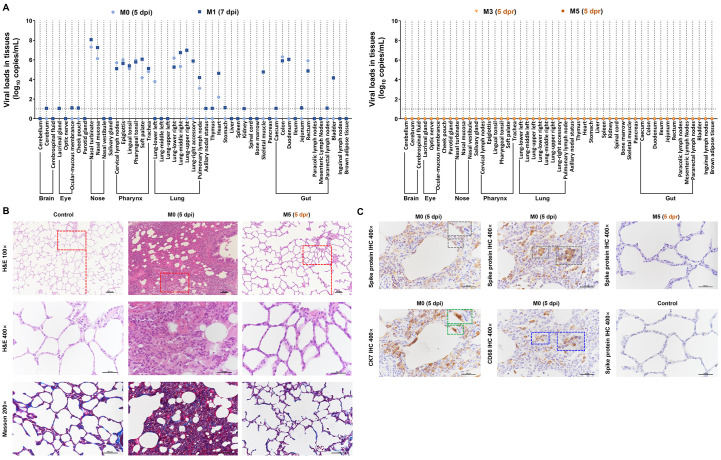
Coronavirus disease 2019 (COVID-19), which is caused by infection with the severe acute respiratory syndrome coronavirus 2 (SARS-CoV-2), has become a global pandemic. It is unclear whether convalescing patients have a risk of reinfection. We generated a rhesus macaque model of SARS-CoV-2 infection that was characterized by interstitial pneumonia and systemic viral dissemination mainly in the respiratory and gastrointestinal tracts. Rhesus macaques reinfected with the identical SARS-CoV-2 strain during the early recovery phase of the initial SARS-CoV-2 infection did not show detectable viral dissemination, clinical manifestations of viral disease, or histopathological changes. Comparing the humoral and cellular immunity between primary infection and rechallenge revealed notably enhanced neutralizing antibody and immune responses. Our results suggest that primary SARS-CoV-2 exposure protects against subsequent reinfection in rhesus macaques.
新型冠状病毒病(COVID-19)由严重急性呼吸综合征冠状病毒 2(SARS-CoV-2)感染引起,已成为全球性大流行疾病。目前尚不清楚康复患者是否有再次感染的风险。我们构建了一个感染 SARS-CoV-2 的恒河猴模型,该模型的特征为间质性肺炎和全身性病毒播散,主要发生在呼吸道和胃肠道。在初次 SARS-CoV-2 感染的早期恢复期内再次感染相同 SARS-CoV-2 株的恒河猴未检测到病毒播散、病毒病的临床表现或组织病理学改变。比较初次感染和再次挑战时的体液和细胞免疫反应,发现中和抗体和免疫反应显著增强。我们的结果表明,恒河猴初次 SARS-CoV-2 暴露可预防随后的再次感染。