Mashima Kiyomi, Azuma Morio, Fujiwara Ken, Inagaki Takashi, Oh Iekuni, Ikeda Takashi, Umino Kento, Nakano Hirofumi, Morita Kaoru, Sato Kazuya, Minakata Daisuke, Yamasaki Ryoko, Ashizawa Masahiro, Yamamoto Chihiro, Fujiwara Shin-Ichiro, Hatano Kaoru, Ohmine Ken, Muroi Kazuo, Ohno Nobuhiko, Kanda Yoshinobu
Division of Hematology, Department of Medicine, Jichi Medical University, Tochigi, Japan.
Division of Molecular Pharmacology, Department of Pharmacology, Jichi Medical University, Tochigi, Japan.
Acta Histochem Cytochem. 2020 Jun 26;53(3):43-53. doi: 10.1267/ahc.19035. Epub 2020 Apr 29.
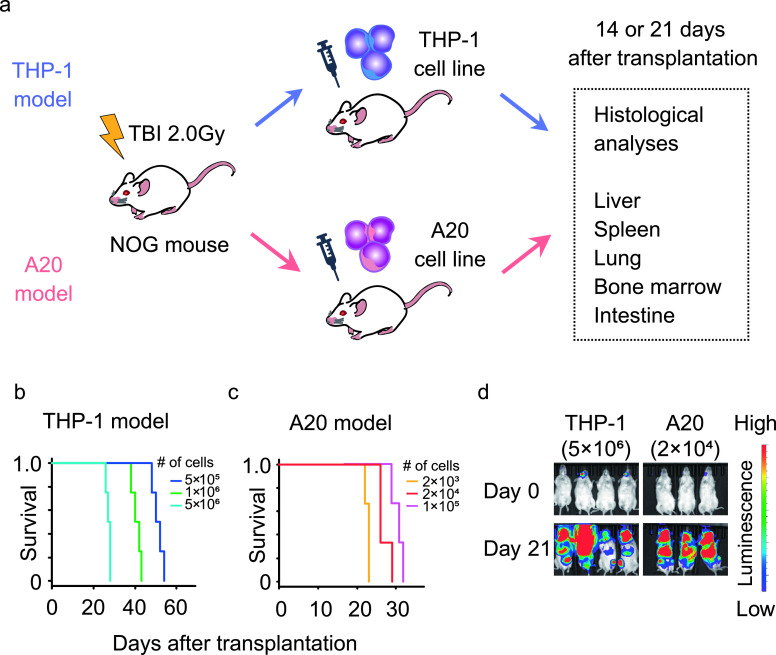
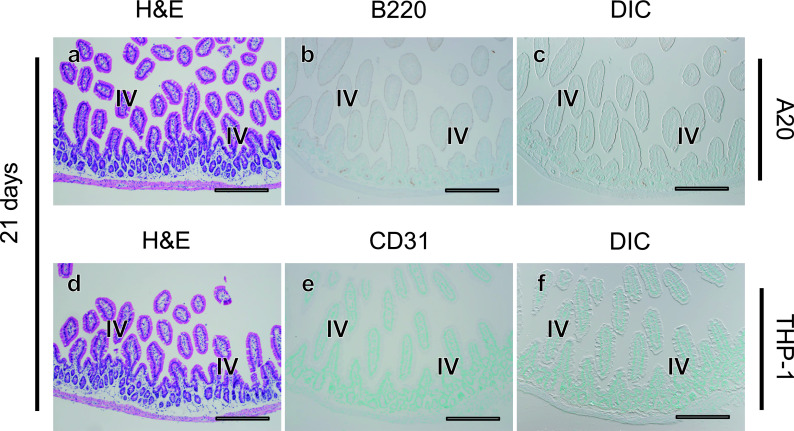
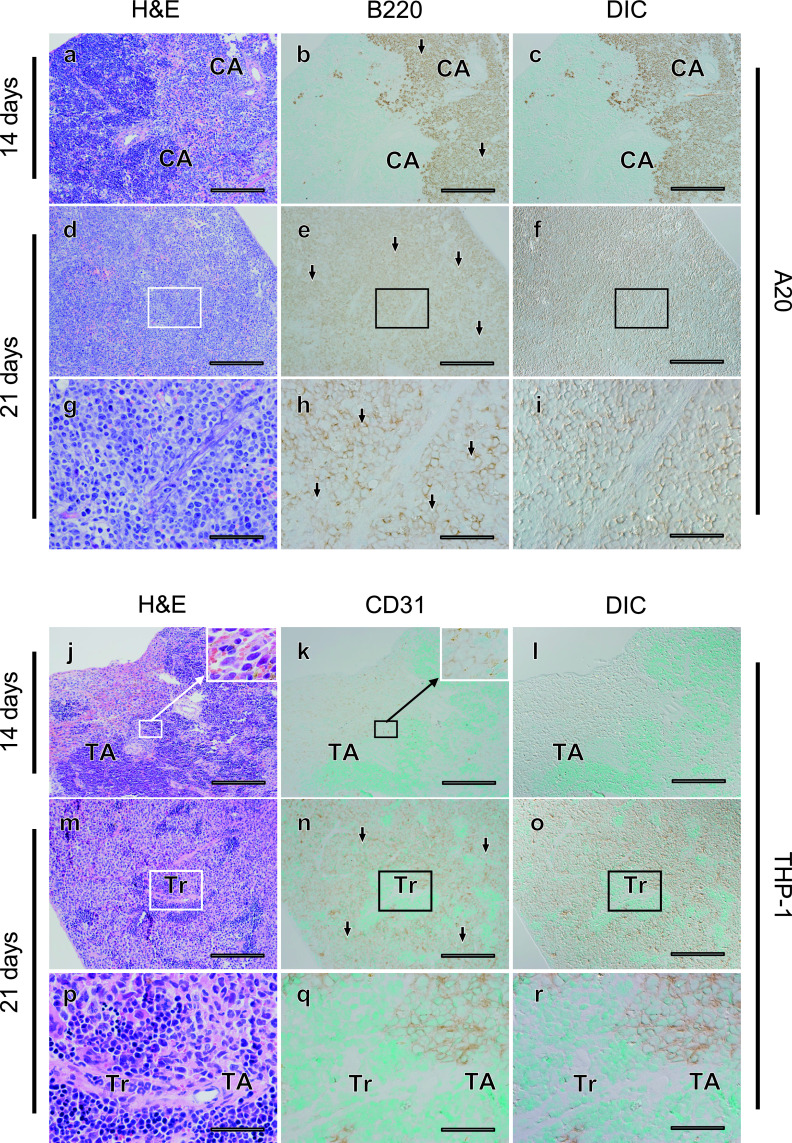
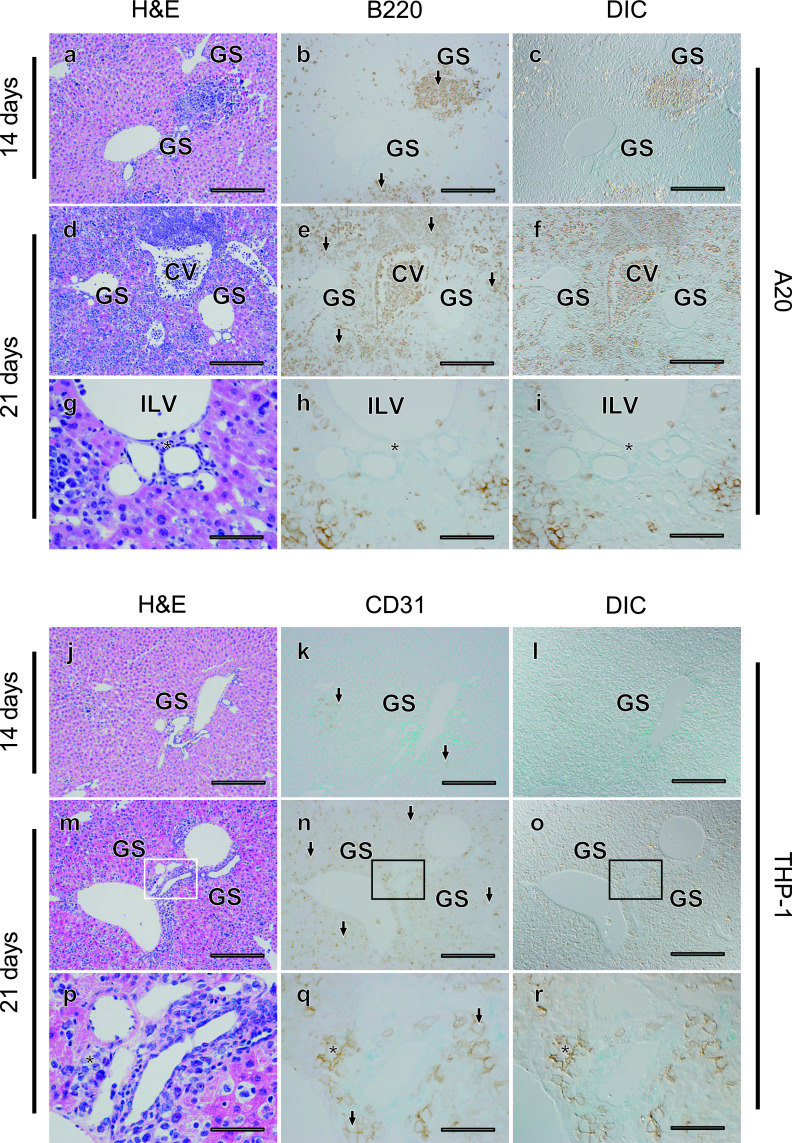
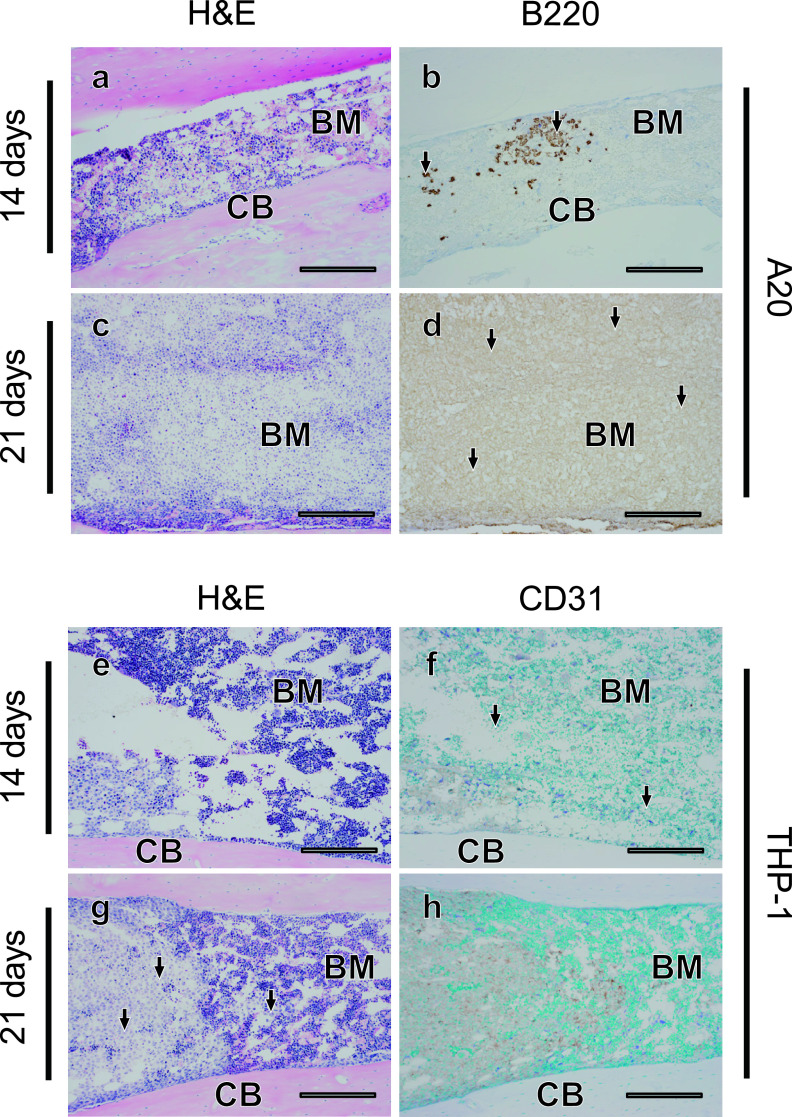
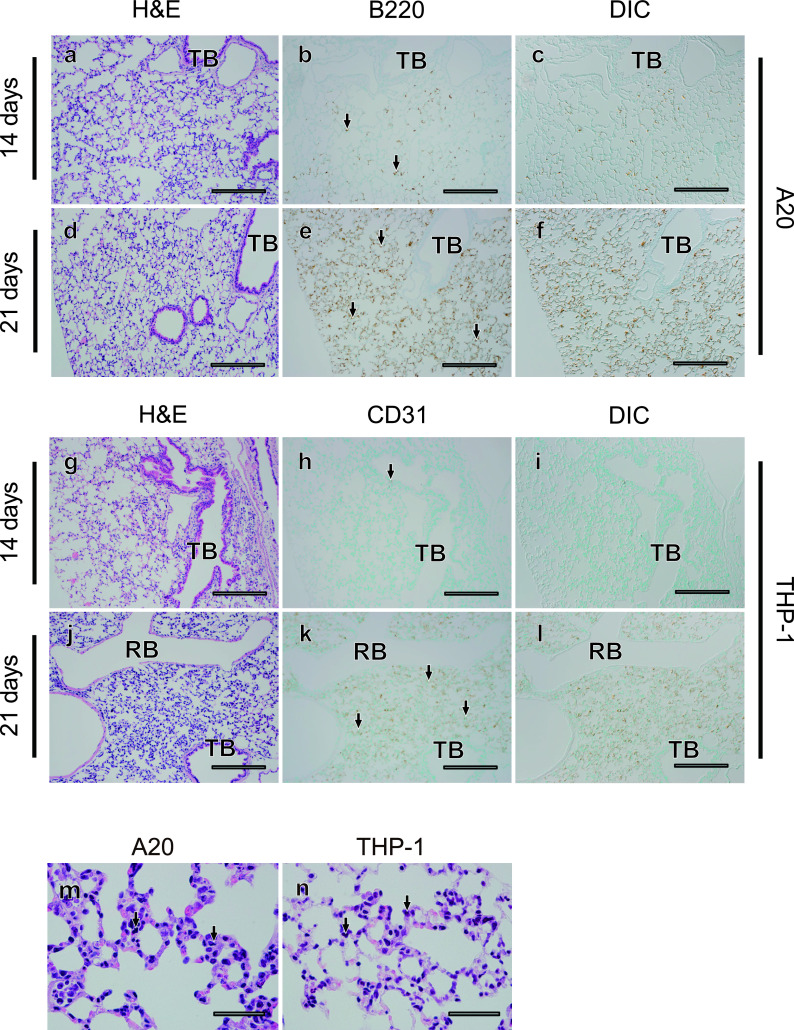
Leukemias are refractory hematopoietic malignancies, for which the development of new therapeutic agents requires studies using tumor-bearing mouse models. Although several organs are commonly examined in such studies to evaluate the disease course, the effectiveness of interventions and the localization of tumor cells in the affected organs are still unclear. In this study, we histologically examined the distribution of leukemia cells in several organs using two leukemic mouse models produced by the administration of two cell lines (THP-1, a human myelomonocytic leukemia, and A20, a mouse B cell leukemia/lymphoma) to severe immunodeficient mice. Survival of the mice depended on the tumor burden. Although A20 and THP-1 tumor cells massively infiltrated the parenchyma of the liver and spleen at 21 days after transplantation, A20 cells were hardly found in connective tissues in Glisson's capsule in the liver as compared with THP-1 cells. In the bone marrow, there was more severe infiltration of A20 cells than THP-1 cells. THP-1 and A20 cells were widely spread in the lungs, but were rarely observed in the small intestine. These findings suggest that each leukemia model has a unique localization of tumor cells in several affected organs, which could critically affect the disease course and the efficacy of therapeutic agents, including cellular immunotherapies.
白血病是难治性造血系统恶性肿瘤,开发新的治疗药物需要使用荷瘤小鼠模型进行研究。尽管在此类研究中通常会检查多个器官以评估疾病进程,但干预措施的有效性以及肿瘤细胞在受影响器官中的定位仍不清楚。在本研究中,我们使用两种细胞系(人骨髓单核细胞白血病细胞系THP-1和小鼠B细胞白血病/淋巴瘤细胞系A20)接种到严重免疫缺陷小鼠体内构建的两种白血病小鼠模型,对多个器官中白血病细胞的分布进行了组织学检查。小鼠的存活取决于肿瘤负荷。移植后21天,A20和THP-1肿瘤细胞大量浸润肝脏和脾脏实质,但与THP-1细胞相比,在肝脏Glisson囊的结缔组织中几乎找不到A20细胞。在骨髓中,A20细胞的浸润比THP-1细胞更严重。THP-1和A20细胞在肺中广泛分布,但在小肠中很少观察到。这些发现表明,每种白血病模型在多个受影响器官中都有独特的肿瘤细胞定位,这可能会严重影响疾病进程和治疗药物(包括细胞免疫疗法)的疗效。