Itkonen Jaakko, Annala Ada, Tavakoli Shirin, Arango-Gonzalez Blanca, Ueffing Marius, Toropainen Elisa, Ruponen Marika, Casteleijn Marco G, Urtti Arto
Drug Research Program, Faculty of Pharmacy, University of Helsinki, Viikinkaari 5 E, 00790 Helsinki, Finland.
School of Pharmacy, University of Eastern Finland, Yliopistonranta 1, 70211 Kuopio, Finland.
Pharmaceutics. 2020 Jun 30;12(7):611. doi: 10.3390/pharmaceutics12070611.
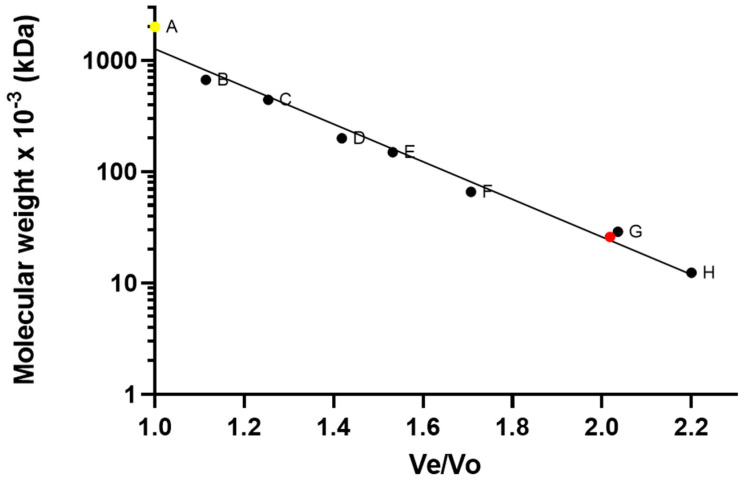
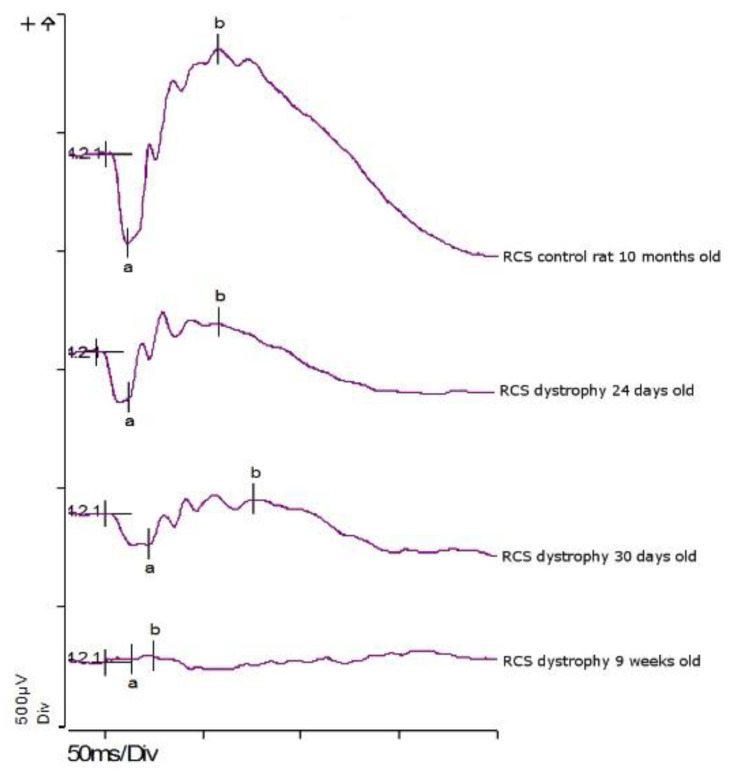
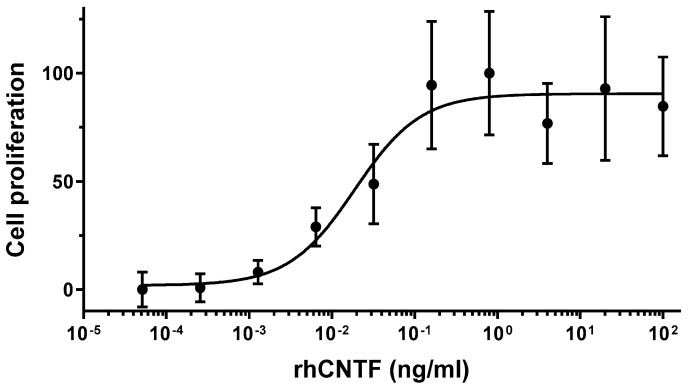
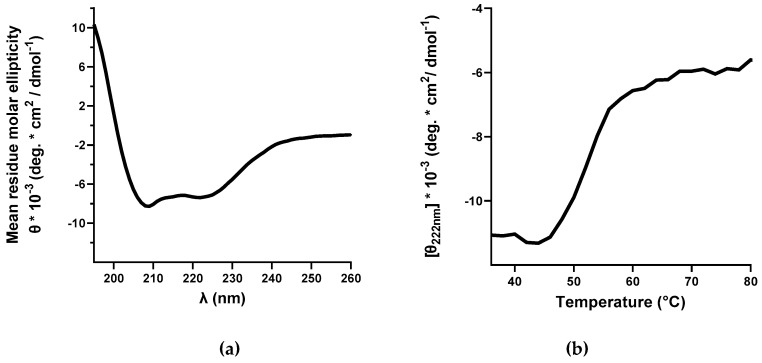
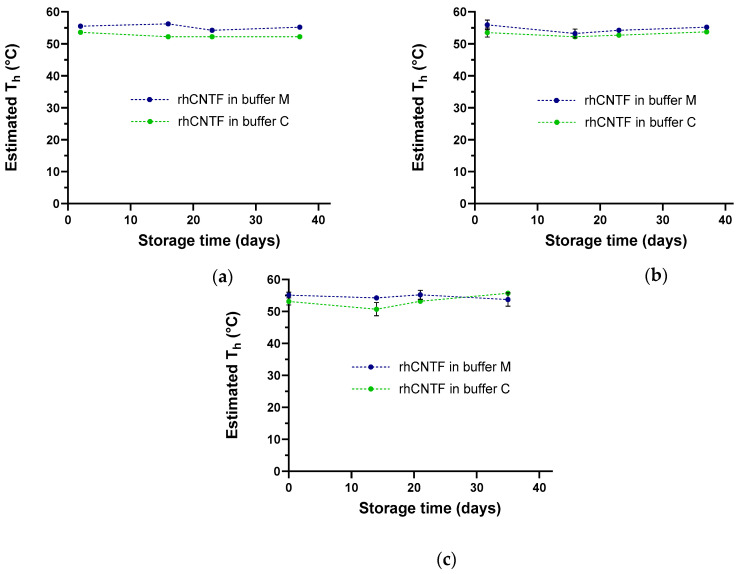
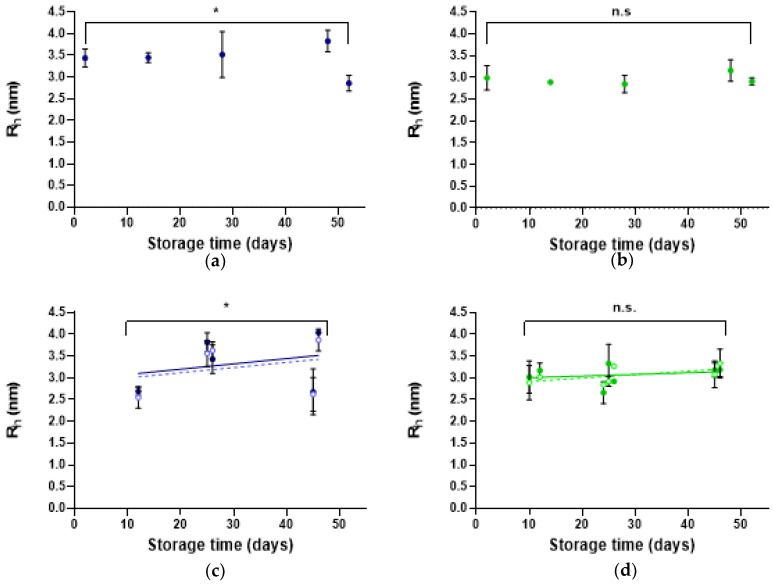
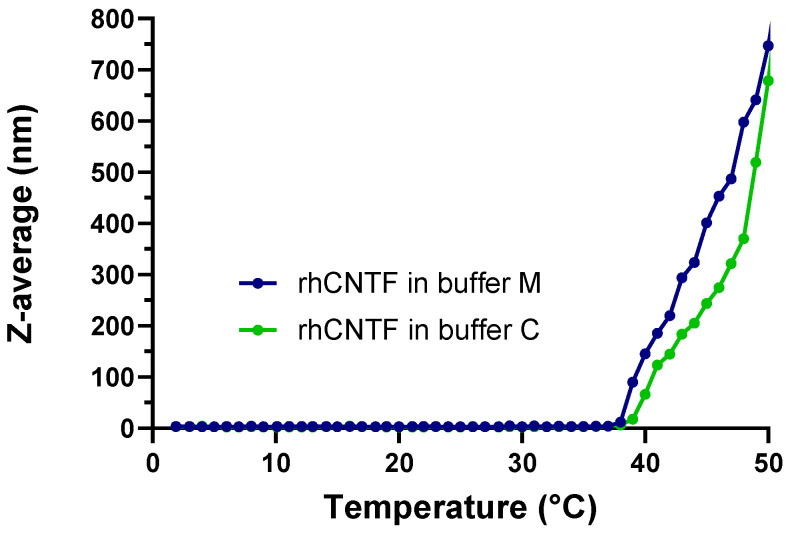
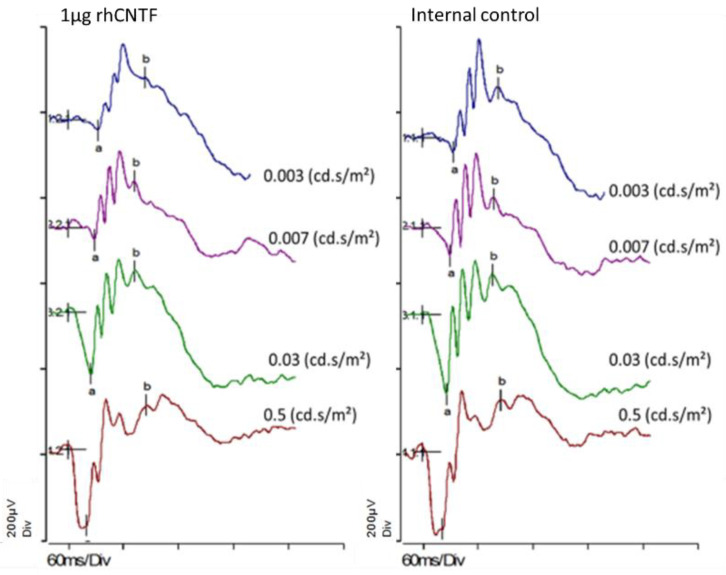
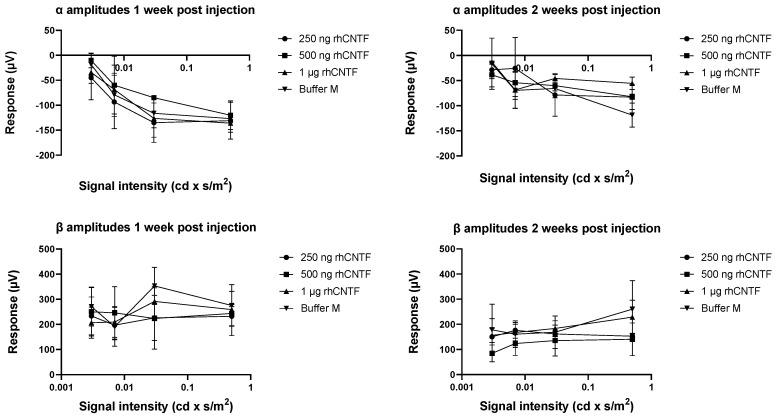
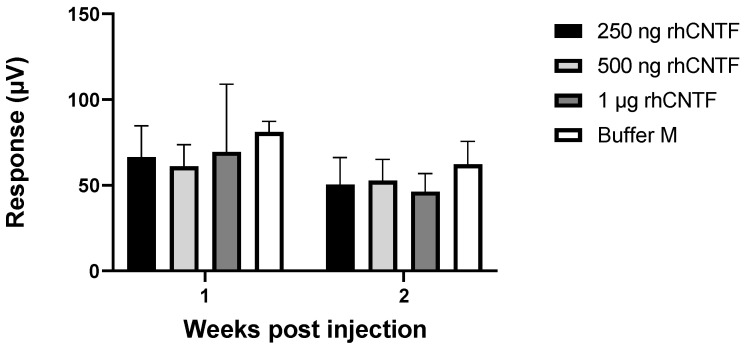
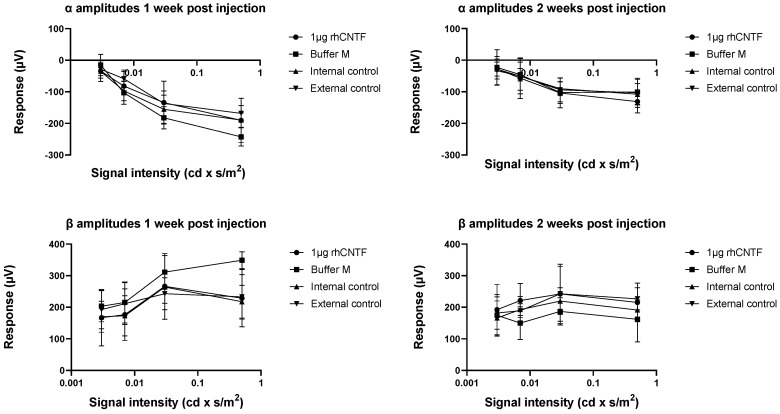
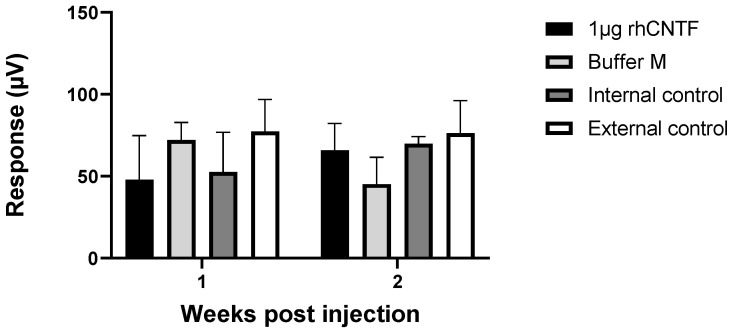
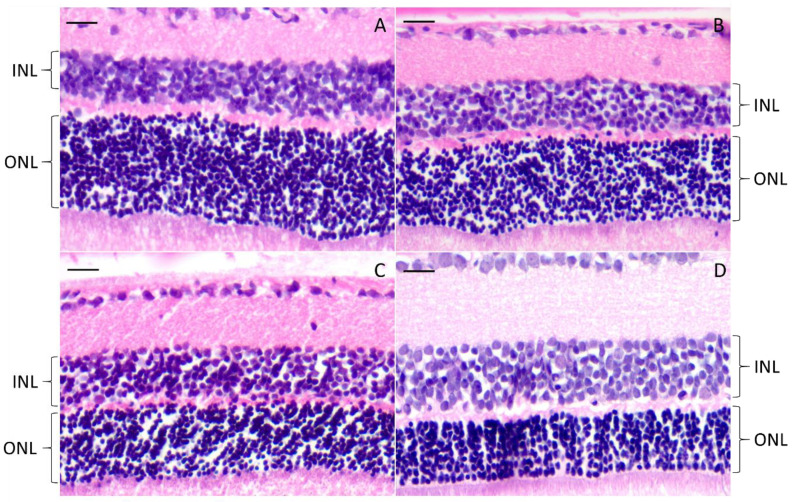
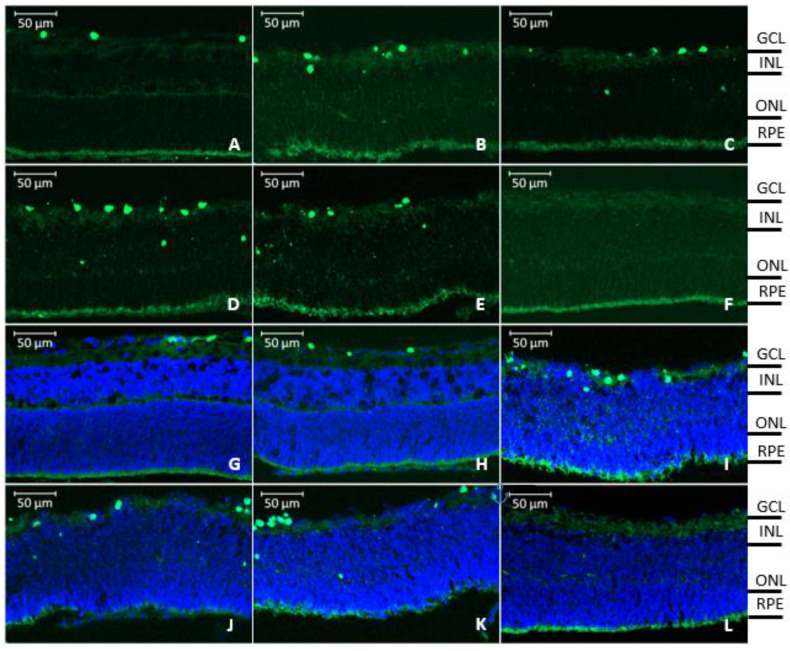
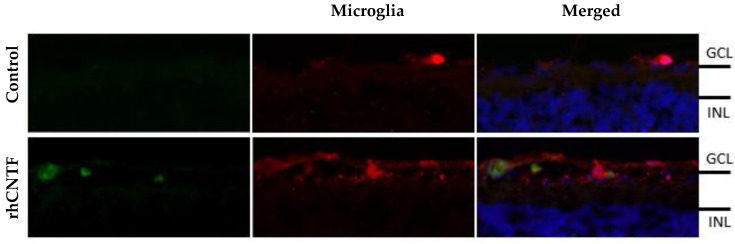
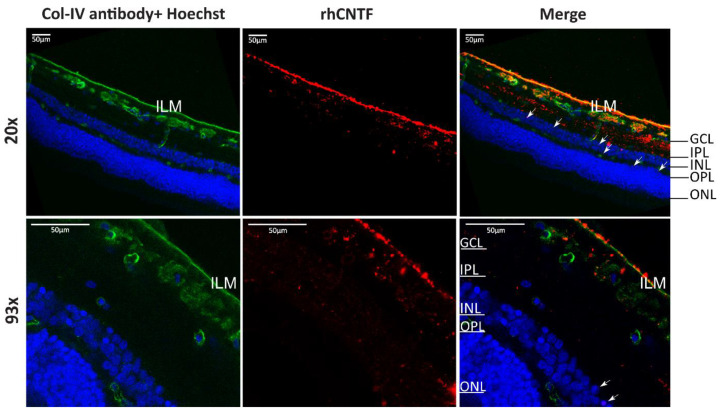
Ciliary neurotrophic factor (CNTF) is one of the most studied neuroprotective agents with acknowledged potential in treating diseases of the posterior eye segment. Although its efficacy and mechanisms of action in the retina have been studied extensively, it is still not comprehensively understood which retinal cells mediate the therapeutic effects of CNTF. As with therapeutic proteins in general, it is poorly elucidated whether exogenous CNTF administered into the vitreous can enter and distribute into the retina and hence reach potentially responsive target cells. Here, we have characterized our purified recombinant human CNTF (rhCNTF), studied the protein's in vitro bioactivity in a cell-based assay, and evaluated the thermodynamic and oligomeric status of the protein during storage. Biological activity of rhCNTF was further evaluated in vivo in an animal model of retinal degeneration. The retinal penetration and distribution of rhCNTF after 24 h was studied utilizing two ex vivo retina models. Based on our characterization findings, our rhCNTF is correctly folded and biologically active. Moreover, based on initial screening and subsequent follow-up, we identified two buffers in which rhCNTF retains its stability during storage. Whereas rhCNTF did not show photoreceptor preservative effect or improve the function of photoreceptors in vivo, this could possibly be due to the used disease model or the short duration of action with a single intravitreal injection of rhCNTF. On the other hand, the lack of in vivo efficacy was shown to not be due to distribution limitations; permeation into the retina was observed in both retinal explant models as in 24 h rhCNTF penetrated the inner limiting membrane, and being mostly observed in the ganglion cell layer, distributed to different layers of the neural retina. As rhCNTF can reach deeper retinal layers, in general, having direct effects on resident CNTF-responsive target cells is plausible.
睫状神经营养因子(CNTF)是研究最多的神经保护剂之一,在治疗眼后节疾病方面具有公认的潜力。尽管其在视网膜中的功效和作用机制已得到广泛研究,但仍未完全清楚哪些视网膜细胞介导了CNTF的治疗作用。与一般的治疗性蛋白质一样,向玻璃体中注入外源性CNTF是否能够进入并分布到视网膜中,从而到达潜在的反应性靶细胞,目前还不清楚。在此,我们对纯化的重组人CNTF(rhCNTF)进行了表征,在基于细胞的试验中研究了该蛋白的体外生物活性,并评估了该蛋白在储存过程中的热力学和寡聚状态。在视网膜变性动物模型中对rhCNTF的生物活性进行了进一步的体内评估。利用两种离体视网膜模型研究了24小时后rhCNTF的视网膜穿透和分布情况。基于我们的表征结果,我们的rhCNTF折叠正确且具有生物活性。此外,基于初步筛选和后续跟踪,我们确定了两种缓冲液,rhCNTF在其中储存时能保持其稳定性。虽然rhCNTF在体内未显示出对光感受器的保护作用或改善光感受器的功能,但这可能是由于所使用的疾病模型或单次玻璃体内注射rhCNTF的作用时间较短。另一方面,体内缺乏疗效并非由于分布限制;在两种视网膜外植体模型中均观察到rhCNTF可渗透到视网膜中,在24小时时rhCNTF穿透内界膜,主要在神经节细胞层中观察到,并分布到神经视网膜的不同层。由于rhCNTF可以到达视网膜更深层,一般来说,它对常驻的CNTF反应性靶细胞具有直接作用是合理的。