Department of Conservative Dentistry, Semmelweis University, Szentkirályi utca 47, Budapest, H-1088, Hungary.
College of Dental Medicine, Medical University of South Carolina, Charleston, SC, USA.
BMC Oral Health. 2020 Jul 6;20(1):189. doi: 10.1186/s12903-020-01181-9.
Chairside systems are becoming more popular for fabricating full-ceramic single restorations, but there is very little knowledge about the effect of the entire workflow process on restoration fit. Therefore, this study aimed to compare the absolute marginal discrepancy (AMD) and the full internal fit (FULL) of all-ceramic crowns made by two chairside systems, Planmeca FIT and CEREC, with detailed and standard mill settings.
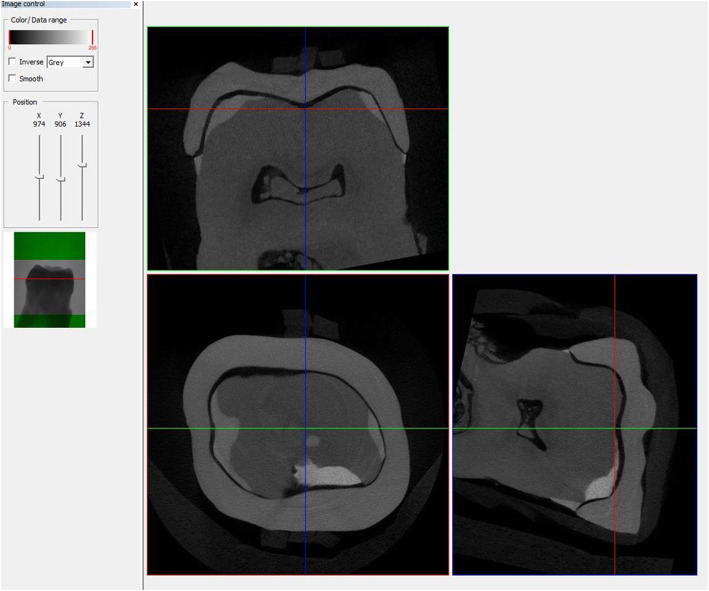
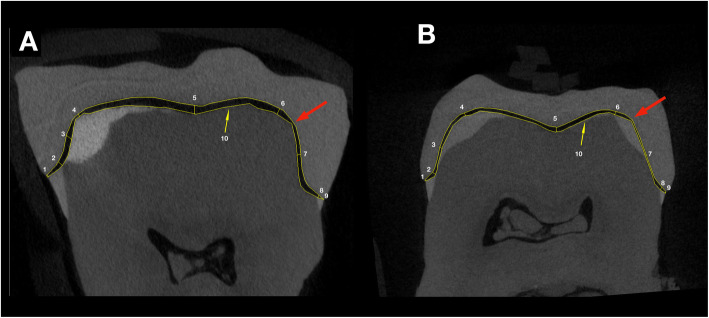
One upper molar was prepared for an all-ceramic crown in human cadaver maxilla. Full-arch scans were made by Emerald or Omnicam four times each. Twenty-four e.max crowns were designed and milled by the Planmill 30s or 40s or CEREC MCXL mills with either detailed or standard settings. The cadaver tooth was extracted, and each crown was fixed on it and scanned by a high-resolution microCT scanner. The AMD and FULL were measured digitally in mesio-distal and bucco-lingual 2D slices. The actual and predicted times of the milling were also registered.
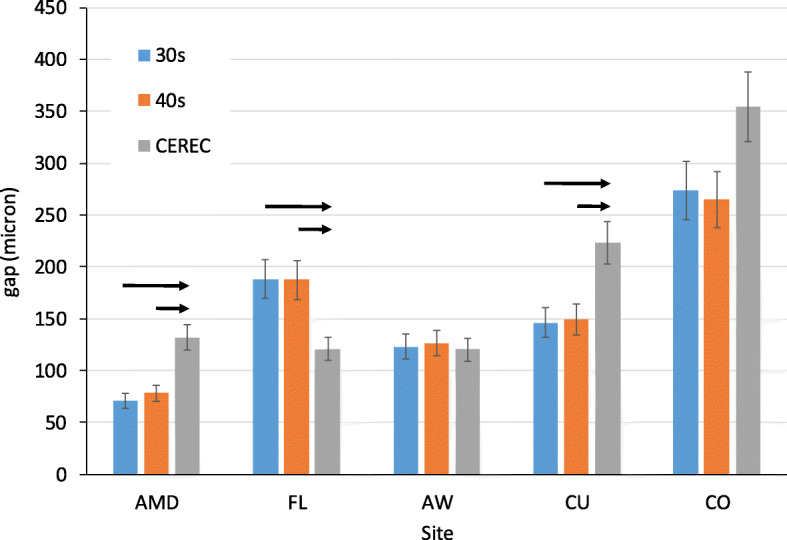
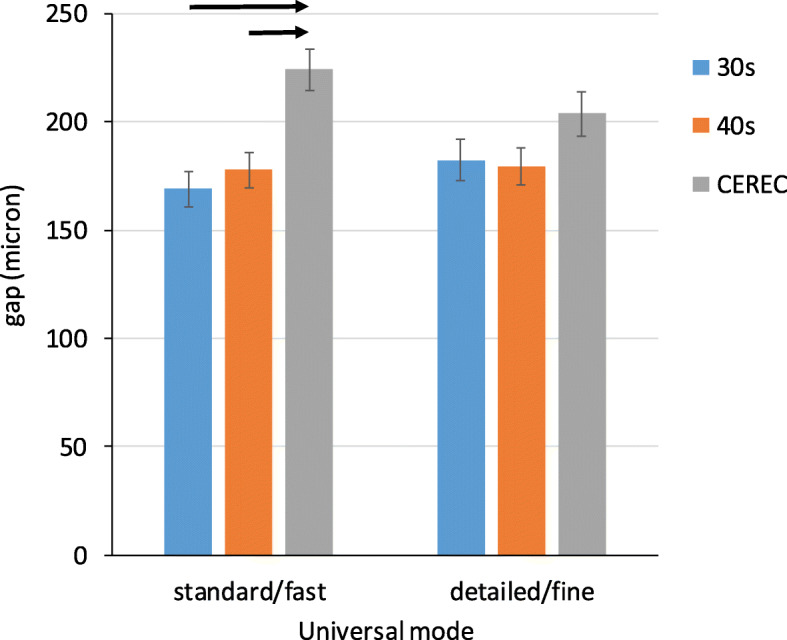
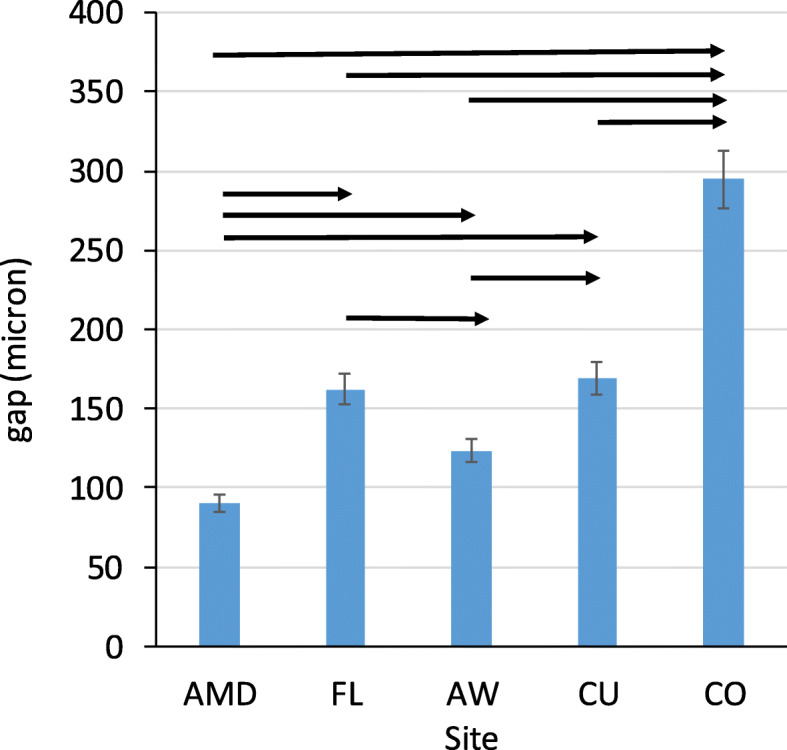
No differences were observed between detailed or standard settings in either system. The AMD was significantly higher with CEREC (132 ± 12 μm) than with either Planmill 30s (71 ± 6.9 μm) or 40s (78 ± 7.7 μm). In standard mode, the FULL was significantly higher with CEREC (224 ± 9.6 μm) than with either Planmill 30s (169 ± 8.1 μm) or 40s (178 ± 8.5 μm). There was no difference between actual and predicted time with the two Planmeca models, but with CEREC, the actual time was significantly higher than the predicted time. The 30s had significantly higher actual and predicted times compared to all other models. Across all models, the average milling time was 7.2 min less in standard mode than in detailed mode.
All fit parameters were in an acceptable range. No differences in fit between Planmeca models suggest no effect of spindle number on accuracy. The detailed setting has no improvement in the marginal or internal fit of the restoration, yet it increases milling time.
椅旁系统越来越受欢迎,可用于制作全瓷单修复体,但对于整个工作流程对修复体适合性的影响知之甚少。因此,本研究旨在比较使用 Planmeca FIT 和 CEREC 椅旁系统,采用详细和标准铣削设置制作的全瓷冠的绝对边缘间隙(AMD)和全内部适合性(FULL)。
在人类上颌骨尸体上颌的一颗上颌磨牙上制备全瓷冠。通过 Emerald 或 Omnicam 进行全弓扫描,每次扫描 4 次。通过 Planmill 30s 或 40s 或 CEREC MCXL 铣床,采用详细或标准设置,设计并铣削 24 个 e.max 冠。从尸体牙中取出,将每个冠固定在上面,并通过高分辨率 microCT 扫描仪进行扫描。在近远中和颊舌 2D 切片中对 AMD 和 FULL 进行数字测量。还记录了实际和预测的铣削时间。
在两个系统中,详细设置或标准设置之间没有差异。CEREC 的 AMD 明显高于 Planmill 30s(71±6.9μm)或 40s(78±7.7μm)(132±12μm)。在标准模式下,CEREC 的 FULL 明显高于 Planmill 30s(169±8.1μm)或 40s(178±8.5μm)(224±9.6μm)。两个 Planmeca 模型的实际时间和预测时间没有差异,但 CEREC 的实际时间明显高于预测时间。30s 的实际和预测时间明显高于所有其他模型。在所有模型中,标准模式下的平均铣削时间比详细模式少 7.2 分钟。
所有拟合参数均在可接受范围内。Planmeca 模型之间的拟合无差异表明,主轴数量对精度无影响。详细设置不能提高修复体的边缘或内部适合性,但会增加铣削时间。