
一维二氧化钛:化学传感领域的成就
1D Titanium Dioxide: Achievements in Chemical Sensing.
作者信息
Kaur Navpreet, Singh Mandeep, Moumen Abderrahim, Duina Giorgio, Comini Elisabetta
机构信息
SENSOR Laboratory, Department of Information Engineering, University of Brescia, Via Valotti 9, 25133 Brescia, Italy.
出版信息
Materials (Basel). 2020 Jul 3;13(13):2974. doi: 10.3390/ma13132974.
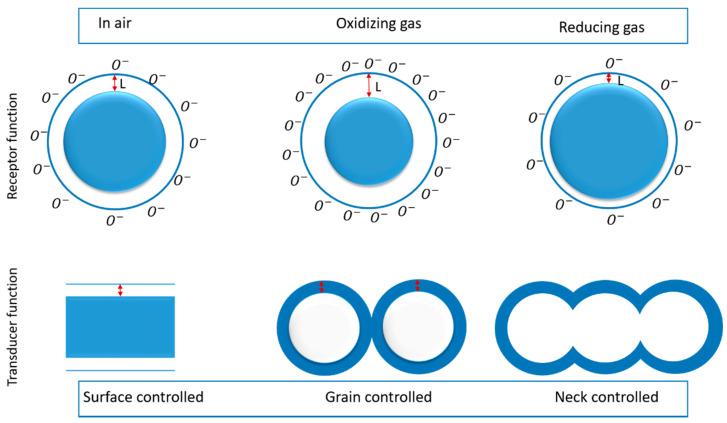
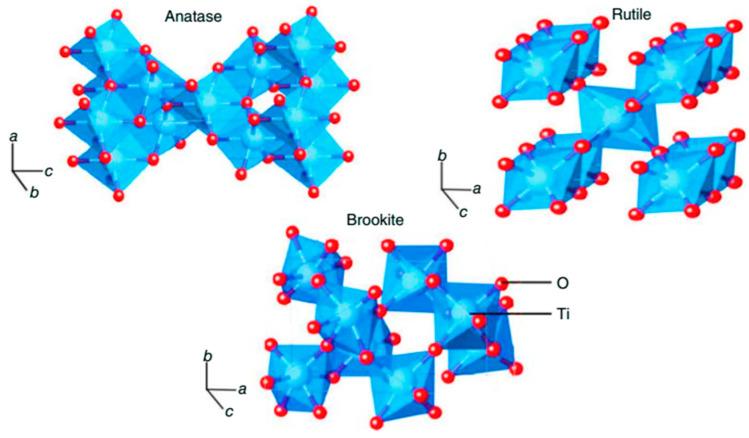
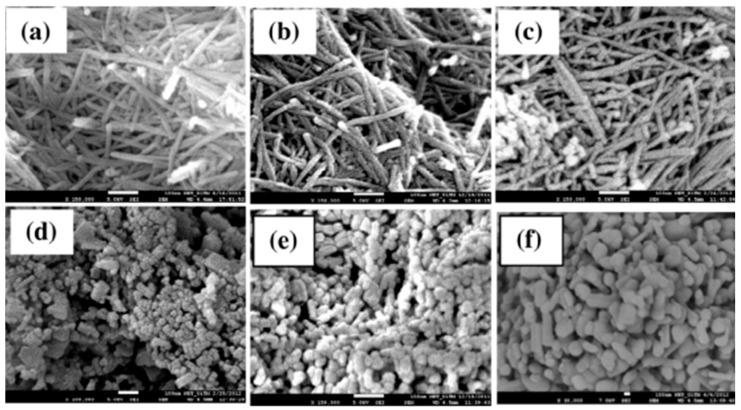
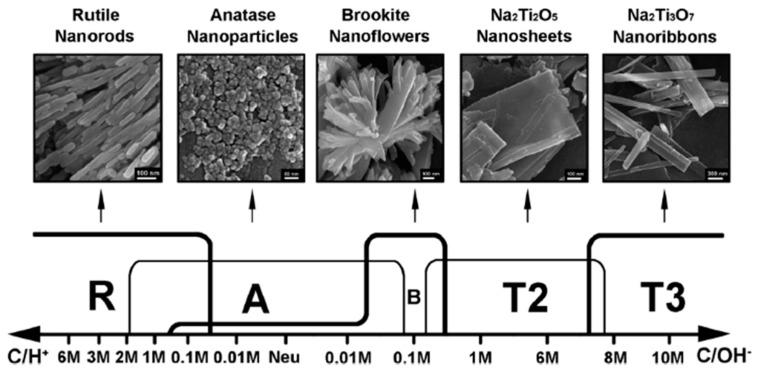
For the last two decades, titanium dioxide (TiO) has received wide attention in several areas such as in medicine, sensor technology and solar cell industries. TiO‑based gas sensors have attracted significant attention in past decades due to their excellent physical/chemical properties, low cost and high abundance on Earth. In recent years, more and more efforts have been invested for the further improvement in sensing properties of TiO by implementing new strategies such as growth of TiO in different morphologies. Indeed, in the last five to seven years, 1D nanostructures and heterostructures of TiO have been synthesized using different growth techniques and integrated in chemical/gas sensing. Thus, in this review article, we briefly summarize the most important contributions by different researchers within the last five to seven years in fabrication of 1D nanostructures of TiO‑based chemical/gas sensors and the different strategies applied for the improvements of their performances. Moreover, the crystal structure of TiO, different fabrication techniques used for the growth of TiO‑based 1D nanostructures, their chemical sensing mechanism and sensing performances towards reducing and oxidizing gases have been discussed in detail.
在过去二十年中,二氧化钛(TiO₂)在医学、传感器技术和太阳能电池产业等多个领域受到了广泛关注。基于TiO₂的气体传感器因其优异的物理/化学性质、低成本以及在地球上的高丰度,在过去几十年中备受瞩目。近年来,人们通过实施诸如生长不同形貌的TiO₂等新策略,投入了越来越多的努力来进一步改善TiO₂的传感性能。事实上,在过去五到七年里,已经使用不同的生长技术合成了TiO₂的一维纳米结构和异质结构,并将其集成到化学/气体传感中。因此,在这篇综述文章中,我们简要总结了不同研究人员在过去五到七年中在基于TiO₂的化学/气体传感器一维纳米结构制备方面的最重要贡献,以及为提高其性能所应用的不同策略。此外,还详细讨论了TiO₂的晶体结构、用于生长基于TiO₂的一维纳米结构的不同制备技术、它们的化学传感机制以及对还原性和氧化性气体的传感性能。
 Zotero 插件