Dutta Taposhree, Noushin Tanzila, Tabassum Shawana, Mishra Satyendra K
Department of Chemistry, IIEST Shibpur, Howrah 711103, West Bengal, India.
Department of Electrical and Computer Engineering, The University of Texas at Dallas, Richardson, TX 75080, USA.
Sensors (Basel). 2023 Aug 1;23(15):6849. doi: 10.3390/s23156849.
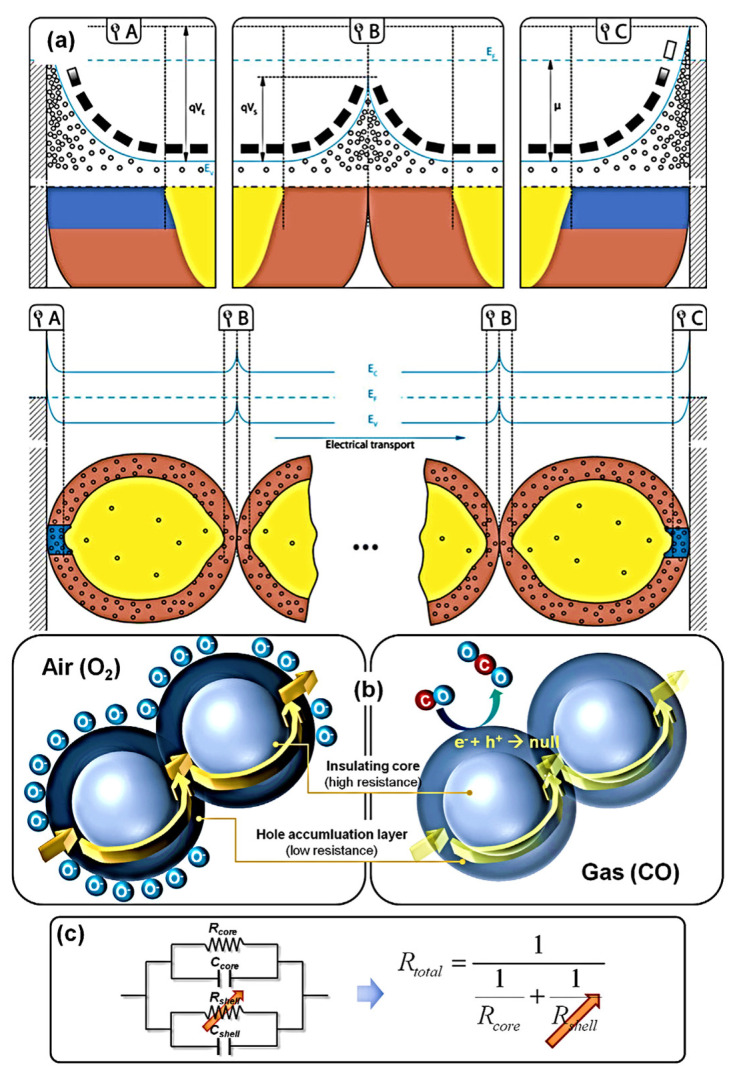
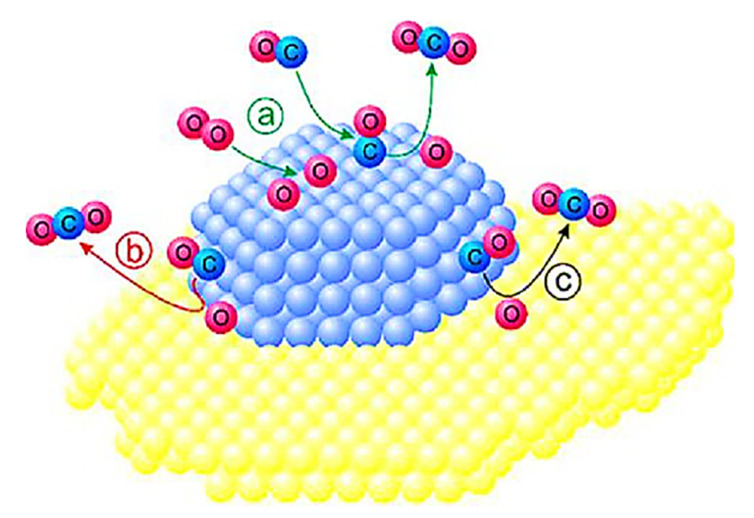
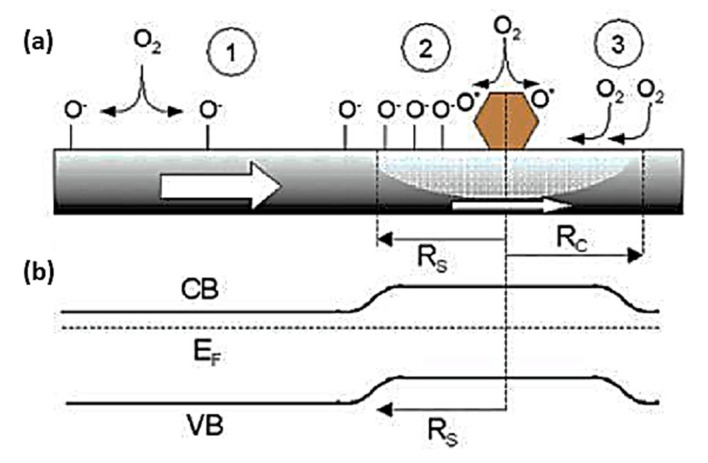
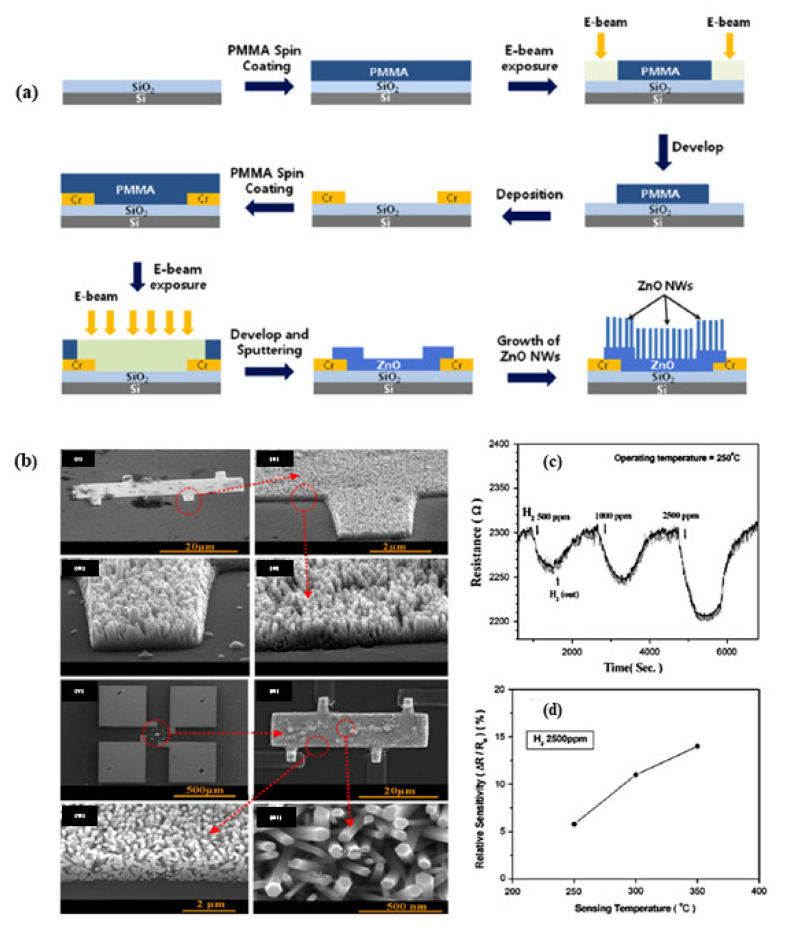
Identifying disease biomarkers and detecting hazardous, explosive, flammable, and polluting gases and chemicals with extremely sensitive and selective sensor devices remains a challenging and time-consuming research challenge. Due to their exceptional characteristics, semiconducting metal oxides (SMOxs) have received a lot of attention in terms of the development of various types of sensors in recent years. The key performance indicators of SMOx-based sensors are their sensitivity, selectivity, recovery time, and steady response over time. SMOx-based sensors are discussed in this review based on their different properties. Surface properties of the functional material, such as its (nano)structure, morphology, and crystallinity, greatly influence sensor performance. A few examples of the complicated and poorly understood processes involved in SMOx sensing systems are adsorption and chemisorption, charge transfers, and oxygen migration. The future prospects of SMOx-based gas sensors, chemical sensors, and biological sensors are also discussed.
利用极其灵敏和选择性高的传感器设备识别疾病生物标志物以及检测有害、易爆、易燃和污染性气体及化学物质,仍然是一项具有挑战性且耗时的研究难题。近年来,由于其特殊性能,半导体金属氧化物(SMOx)在各类传感器的开发方面受到了广泛关注。基于SMOx的传感器的关键性能指标包括其灵敏度、选择性、恢复时间以及随时间的稳定响应。本综述基于其不同特性对基于SMOx的传感器进行了讨论。功能材料的表面特性,如(纳米)结构、形态和结晶度,对传感器性能有很大影响。SMOx传感系统中涉及的一些复杂且理解不深的过程示例包括吸附和化学吸附、电荷转移以及氧迁移。还讨论了基于SMOx的气体传感器、化学传感器和生物传感器的未来前景。