Arun Jayaseelan, Nachiappan S, Rangarajan Goutham, Alagappan Ram Prasath, Gopinath K P, Lichtfouse Eric
Centre for Waste Management-International Research Centre, Sathyabama Institute of Science and Technology, Jeppiaar Nagar (OMR), Tamil Nadu, Chennai, 6030119 India.
Department of Chemical Engineering, University of Technology and Applied Sciences, Salalah, Sultanate of Oman.
Environ Chem Lett. 2023;21(1):339-362. doi: 10.1007/s10311-022-01503-z. Epub 2022 Aug 27.
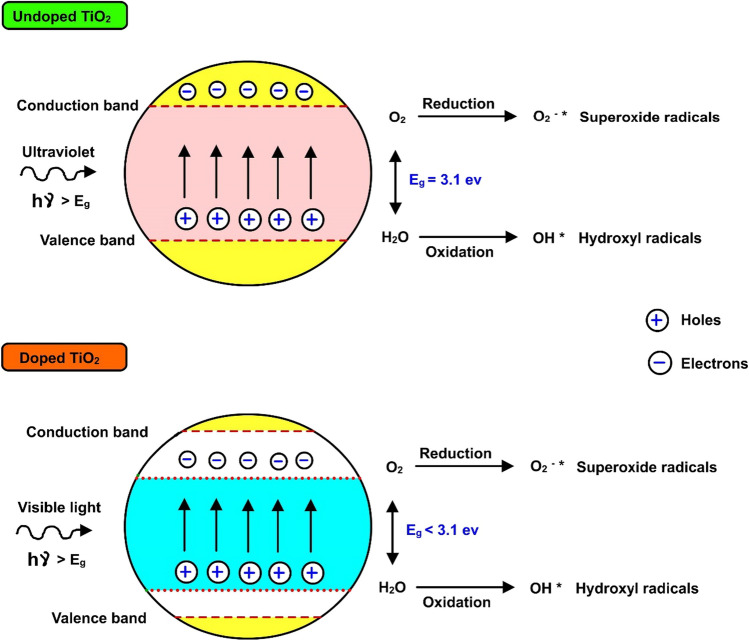
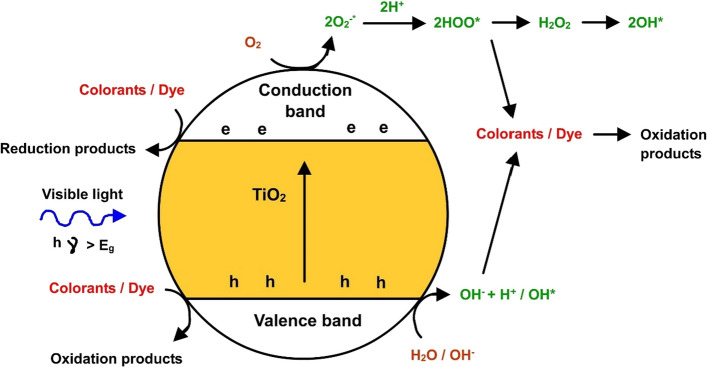
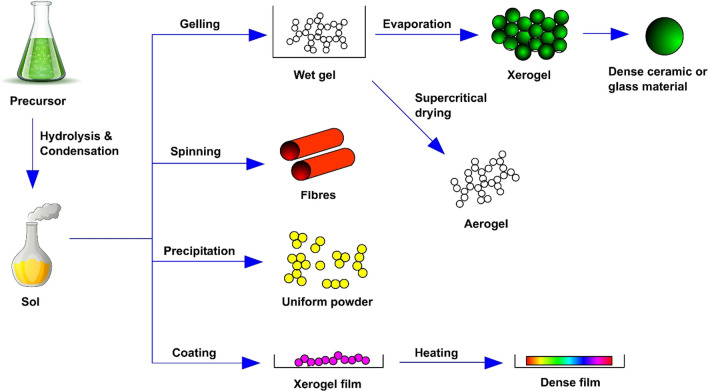
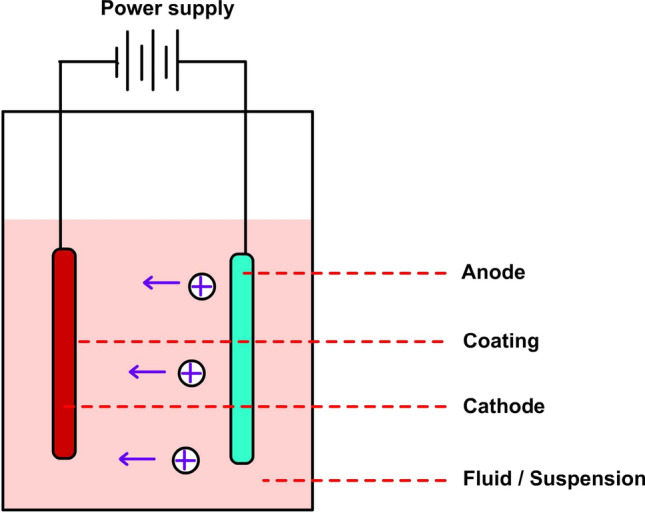
Global pollution is calling for advanced methods to remove contaminants from water and wastewater, such as TiO-assisted photocatalysis. The environmental applications of titanium dioxide have started after the initial TiO application for water splitting by Fujishima and Honda in 1972. TiO is now used for self-cleaning surfaces, air and water purification systems, microbial inactivation and selective organic conversion. The synthesis of titanium dioxide nanomaterials with high photocatalytic activity is actually a major challenge. Here we review titanium dioxide photocatalysis with focus on mechanims, synthesis, and applications. Synthetic methods include sol-gel, sonochemical, microwave, oxidation, deposition, hydro/solvothermal, and biological techniques. Applications comprise the production of energy, petroleum recovery, and the removal of microplastics, pharmaceuticals, metals, dyes, pesticides, and of viruses such as the severe acute respiratory syndrome coronavirus 2.
全球污染问题促使人们寻求先进的方法来去除水和废水中的污染物,例如二氧化钛辅助光催化。1972年藤岛和本田首次将二氧化钛用于光解水之后,二氧化钛的环境应用便开始了。如今,二氧化钛被用于自清洁表面、空气和水净化系统、微生物灭活以及选择性有机转化。合成具有高光催化活性的二氧化钛纳米材料实际上是一项重大挑战。在此,我们重点围绕机理、合成及应用对二氧化钛光催化进行综述。合成方法包括溶胶-凝胶法、声化学法、微波法、氧化法、沉积法、水热/溶剂热法以及生物技术。应用领域包括能源生产、石油开采,以及去除微塑料、药物、金属、染料、农药,还有诸如严重急性呼吸综合征冠状病毒2等病毒。