Cardoso Afonso, Amaro Pedro, Gamelas Patrícia, Carvalho E Silva Rita, Oliveira Maria Helena, Correia de Jesus Marcos
Orthopaedics Department, Hospital Beatriz Ângelo, Loures, Portugal.
Orthopaedics Department, Hospital Prof. Doutor Fernando Fonseca, Amadora, Portugal.
Arthroplast Today. 2020 Jun 28;6(3):463-469. doi: 10.1016/j.artd.2020.05.016. eCollection 2020 Sep.
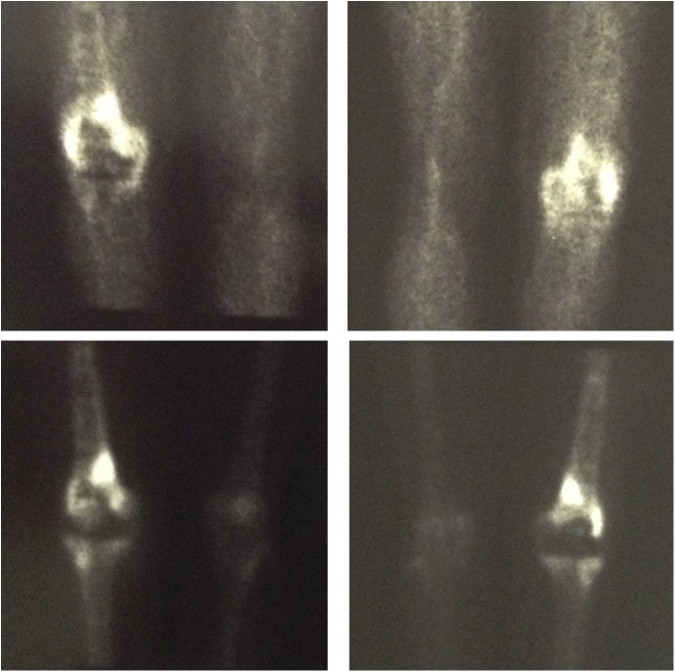
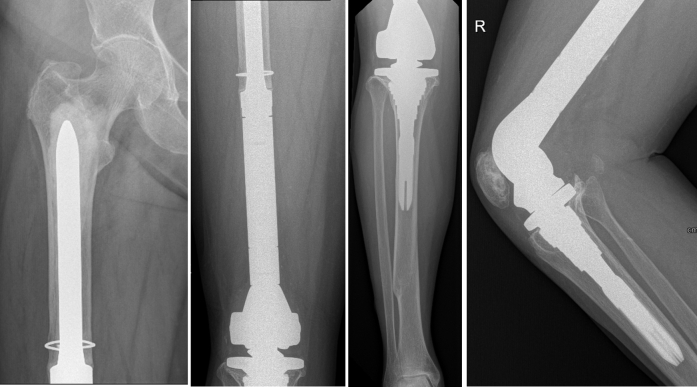
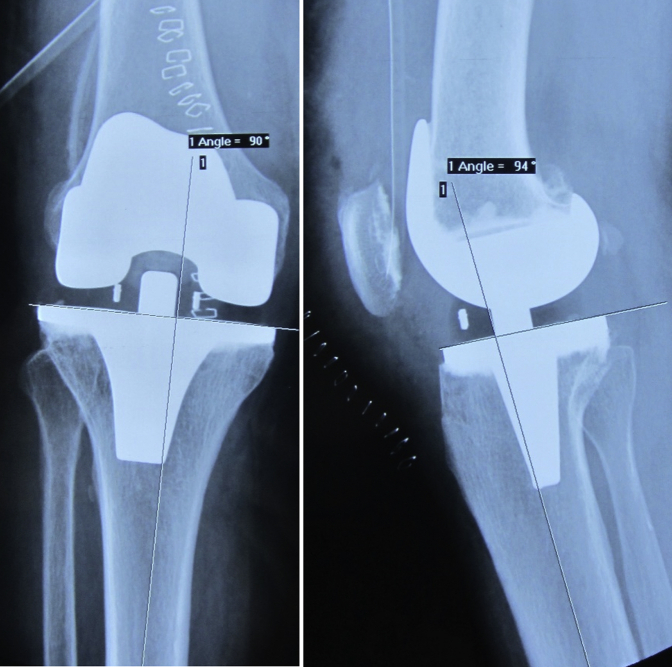
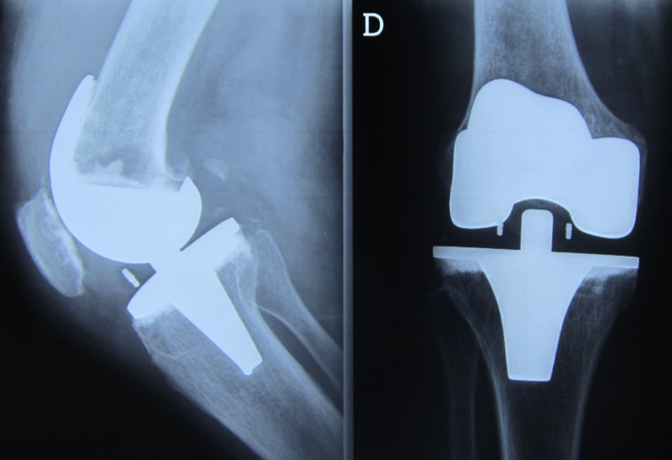
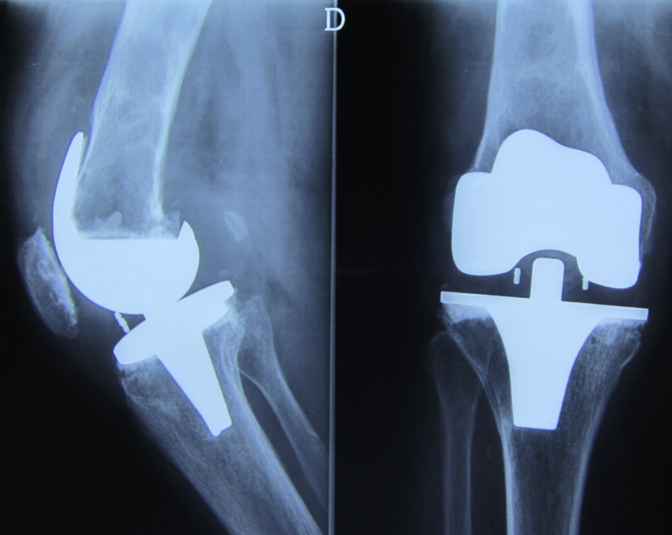
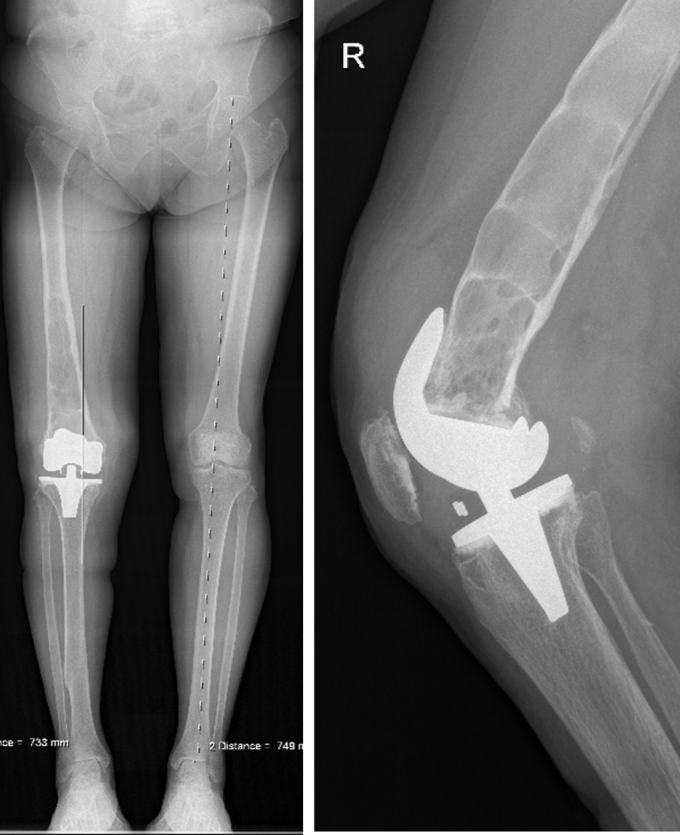
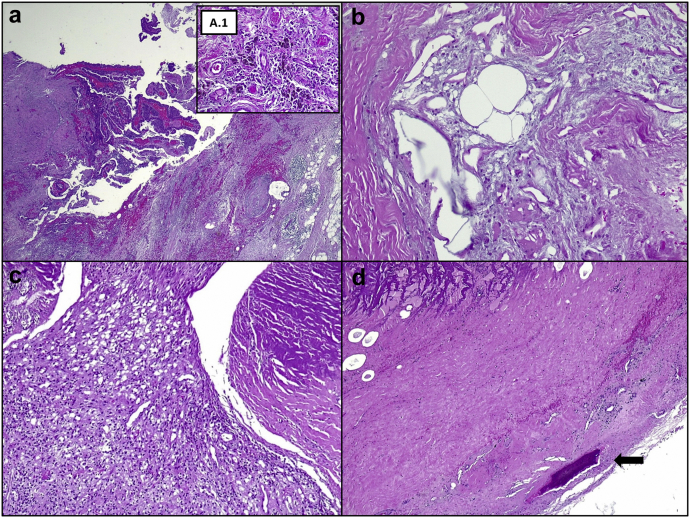
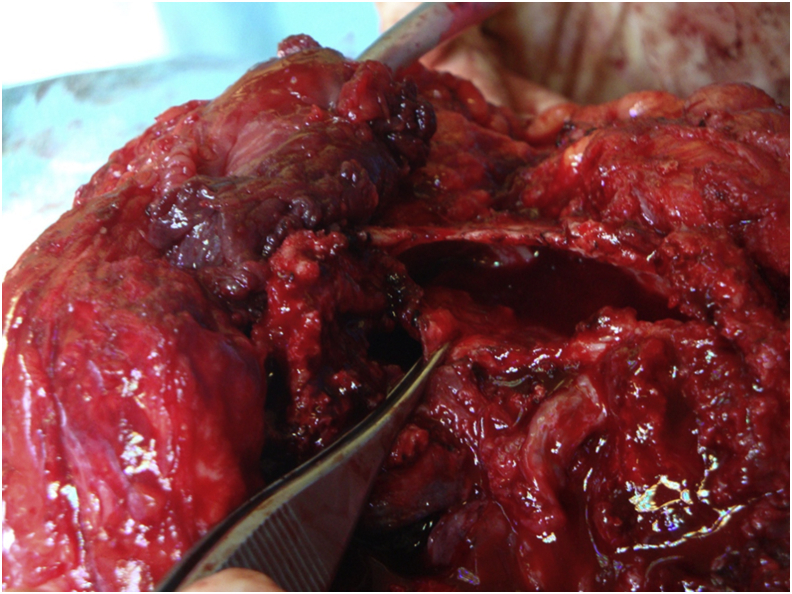
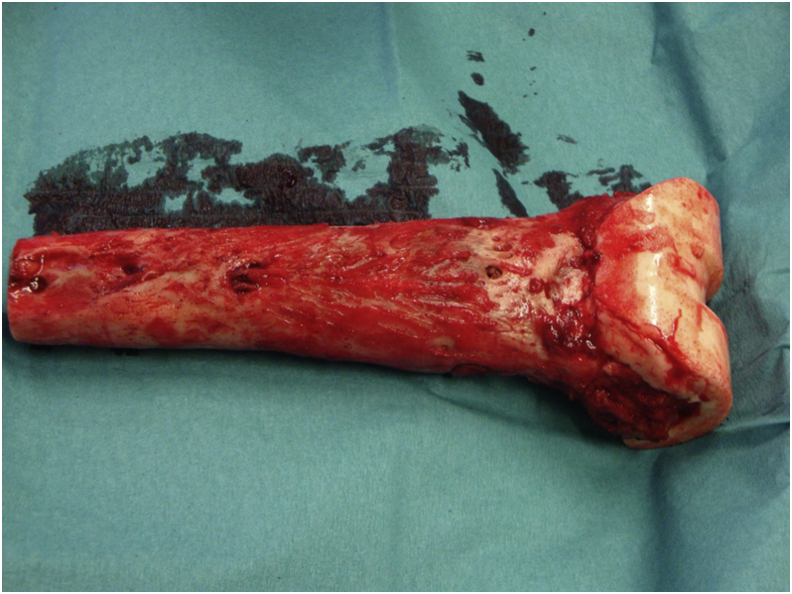
Various failure mechanisms have been identified in total knee arthroplasty (TKA). We hereby present one case of failure, which stands out because of its rapid and destructive progression. We report the case of a 72-year-old Caucasian female patient who developed a large bone osteolytic lesion of the femur after TKA. The patient presented to our hospital 7 years after the initial surgery, complaining of persistent knee pain. The lesion affected the distal half of the femur and, after a diagnostic workup, required a resection of 20 cm and reconstruction with a tumor prosthesis. Subsequent pathological analysis revealed a reaction to cement and prosthesis components. Periprosthetic osteolysis continues to be a major problem, and a reaction to cement and prosthesis components can be an elusive cause of TKA failure.
全膝关节置换术(TKA)中已发现多种失败机制。我们在此介绍一例失败病例,因其进展迅速且具有破坏性而格外突出。我们报告了一名72岁的白种女性患者,她在TKA术后出现了股骨的大骨溶解性病变。患者在初次手术后7年到我院就诊,主诉膝关节持续疼痛。病变累及股骨远端半部,经过诊断检查后,需要切除20厘米并使用肿瘤假体进行重建。随后的病理分析显示对骨水泥和假体部件有反应。假体周围骨溶解仍然是一个主要问题,对骨水泥和假体部件的反应可能是TKA失败的一个难以捉摸的原因。