Elimam Hanan, El-Say Khalid M, Cybulsky Andrey V, Khalil Hany
Department of Medicine, McGill University Health Centre Research Institute, McGill University, Montreal, Quebec H4A 3J1, Canada.
Department of Biochemistry, Faculty of Pharmacy, University of Sadat City, Sadat City 32958, Egypt.
ACS Omega. 2020 Jun 22;5(25):15476-15486. doi: 10.1021/acsomega.0c01618. eCollection 2020 Jun 30.
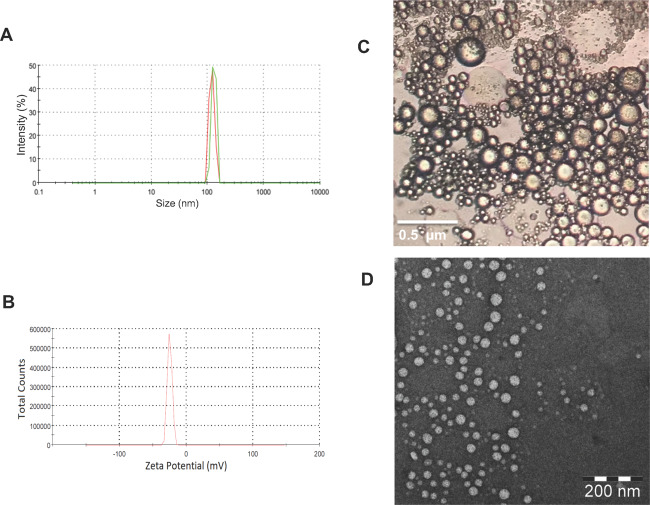
Fluvastatin (FLV) is a statin family member that may play a role in modulating a variety of medical disorders such as atherosclerosis and breast cancer. The present study addresses the ability of FLV to modulate the cellular immune response and provides a new nanosized FLV formula (self-nanoemulsifying delivery system, SNED) potentially more effective for suppression of breast cancer development. We monitored autophagic machinery through the expression of microtubule-associated protein 1A/1B-light chain 3 (LC3I/II). Lysosomal activity upon treatment was evaluated by mRNA and protein expression of lysosomal-associated membrane protein 1 (LAMP-1). Mitogen-activated protein kinase (MAPK) signaling and its association with proinflammatory cytokine secretion were assessed in treated cells. Autophagosome formation was significantly increased in cells that were pretreated with FLV-SNED in comparison to FLV-treated cells. Activation of autophagy was accompanied with arrest of LAMP-1 expression, which correlates with lysosomal activity. Simultaneously, both FLV and FLV-SNED activated MAPK signaling and modified interleukin-6 and tumor necrosis factor-α levels in treated cells. These findings indicate that FLV reduces cell viability via depletion of lysosomal activities along with accumulation of autophagosomes leading to disturbance of autophagosome-lysosomal fusion in treated cells. Furthermore, our data reveal the effectiveness of both FLV agents in the modulation of proinflammatory cytokine secretion from treated cells via regulation of MAPK signaling cascades and indicate that FLV-SNED is more efficient than FLV. This study provides new insights into how FLV regulates breast cancer cell viability via modulation of AMPK-mTOR and ERK-mTOR signaling, and through autophagosome formation accompanied by lysosomal degradation.
氟伐他汀(FLV)是他汀类药物家族成员,可能在调节多种医学病症(如动脉粥样硬化和乳腺癌)中发挥作用。本研究探讨了FLV调节细胞免疫反应的能力,并提供了一种新的纳米级FLV配方(自纳米乳化给药系统,SNED),其在抑制乳腺癌发展方面可能更有效。我们通过微管相关蛋白1A/1B轻链3(LC3I/II)的表达监测自噬机制。通过溶酶体相关膜蛋白1(LAMP-1)的mRNA和蛋白表达评估处理后的溶酶体活性。在处理后的细胞中评估丝裂原活化蛋白激酶(MAPK)信号传导及其与促炎细胞因子分泌的关联。与FLV处理的细胞相比,用FLV-SNED预处理的细胞中自噬体形成显著增加。自噬激活伴随着LAMP-1表达的停滞,这与溶酶体活性相关。同时,FLV和FLV-SNED均激活MAPK信号传导并改变处理后细胞中白细胞介素-6和肿瘤坏死因子-α水平。这些发现表明,FLV通过消耗溶酶体活性以及自噬体积累来降低细胞活力,导致处理后细胞中自噬体 - 溶酶体融合紊乱。此外,我们的数据揭示了两种FLV制剂通过调节MAPK信号级联来调节处理后细胞促炎细胞因子分泌的有效性,并表明FLV-SNED比FLV更有效。本研究为FLV如何通过调节AMPK-mTOR和ERK-mTOR信号传导以及通过自噬体形成伴随溶酶体降解来调节乳腺癌细胞活力提供了新的见解。