School of Biomedical Science, Li Ka Shing Faculty of Medicine, The University of Hong Kong, Hong Kong, China.
Department of Clinical Oncology, Li Ka Shing Faculty of Medicine, The University of Hong Kong, Hong Kong, China.
Cell Death Dis. 2020 Jul 2;11(7):510. doi: 10.1038/s41419-020-2700-0.
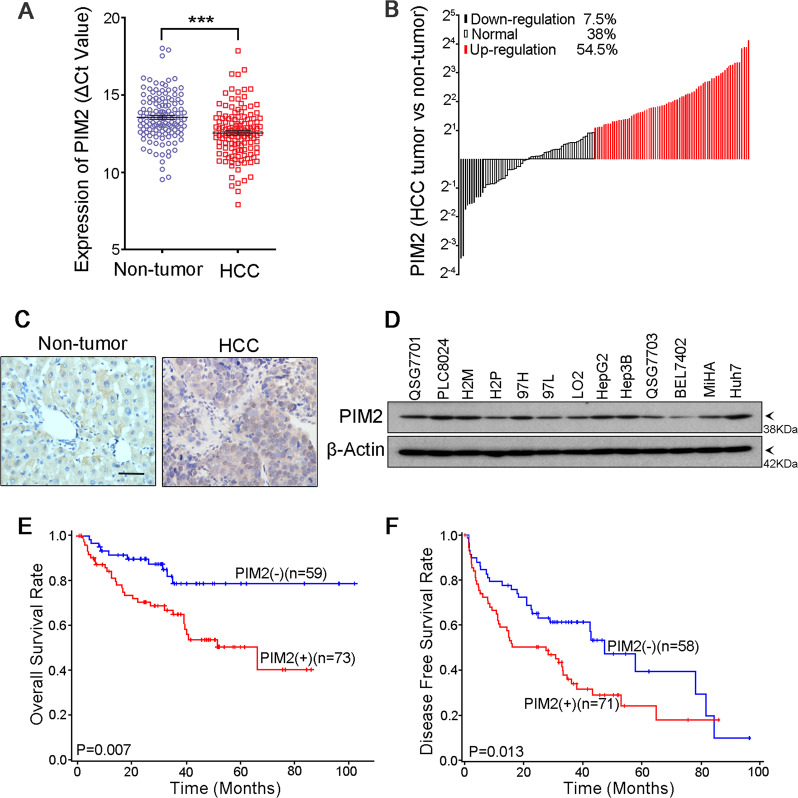
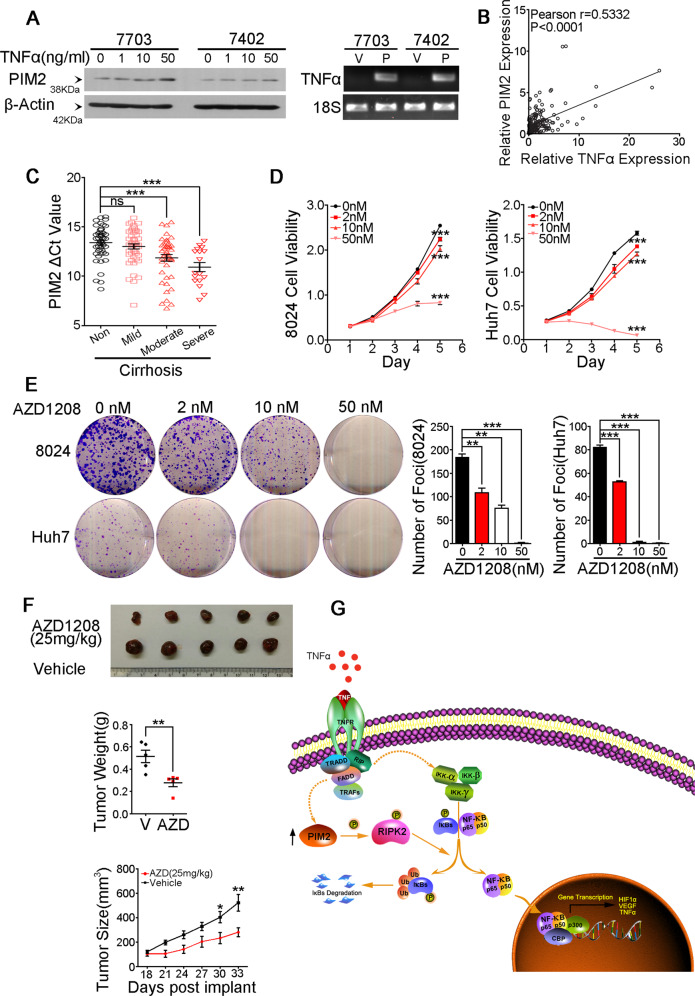
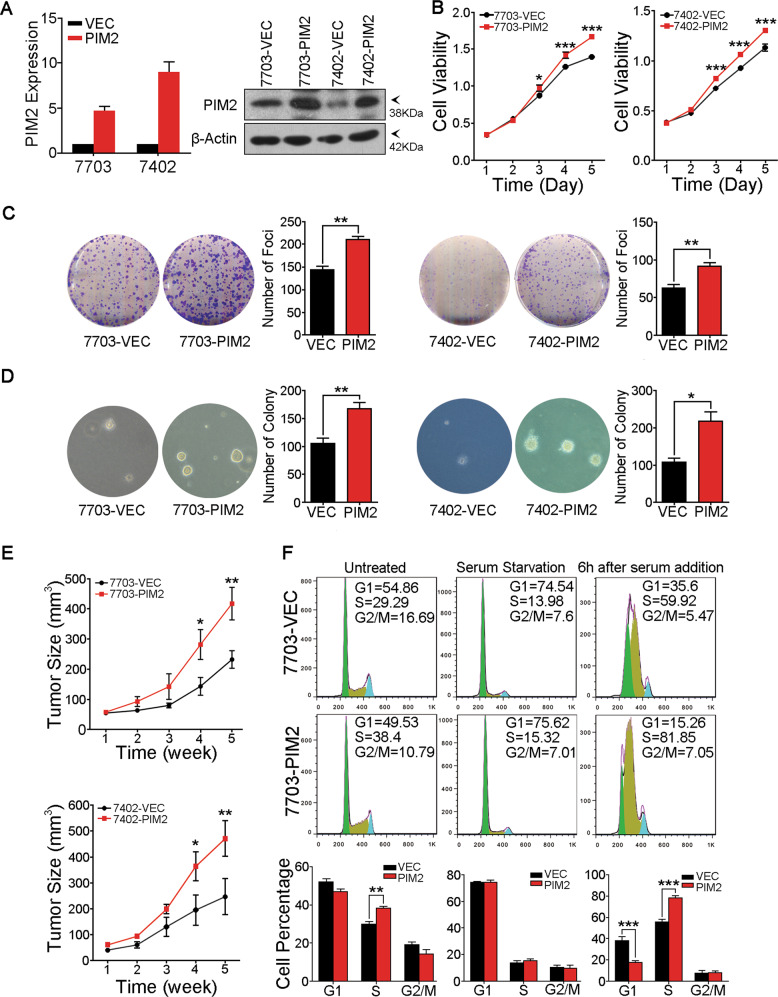
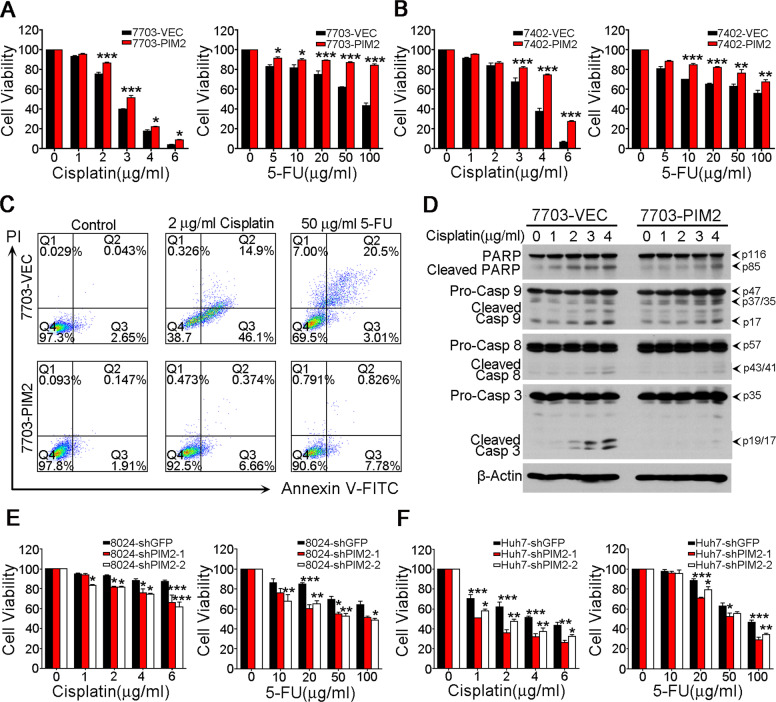
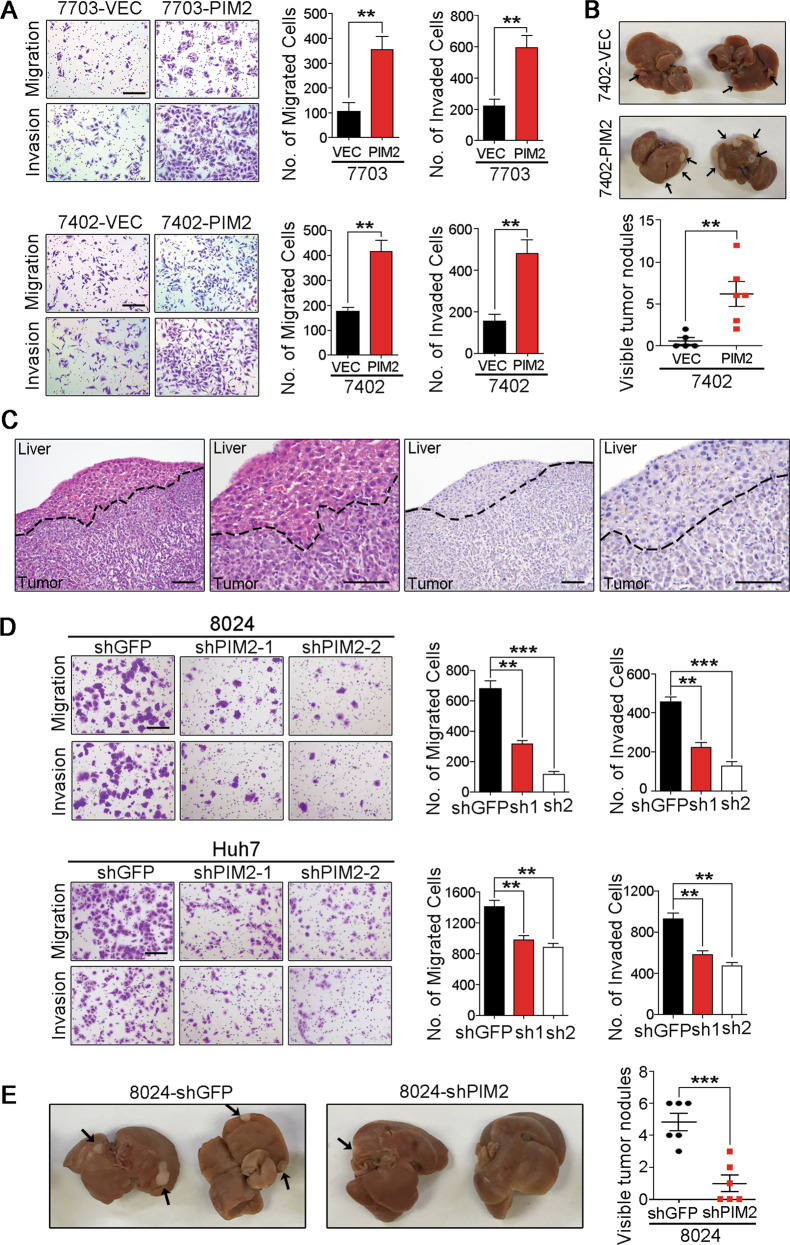
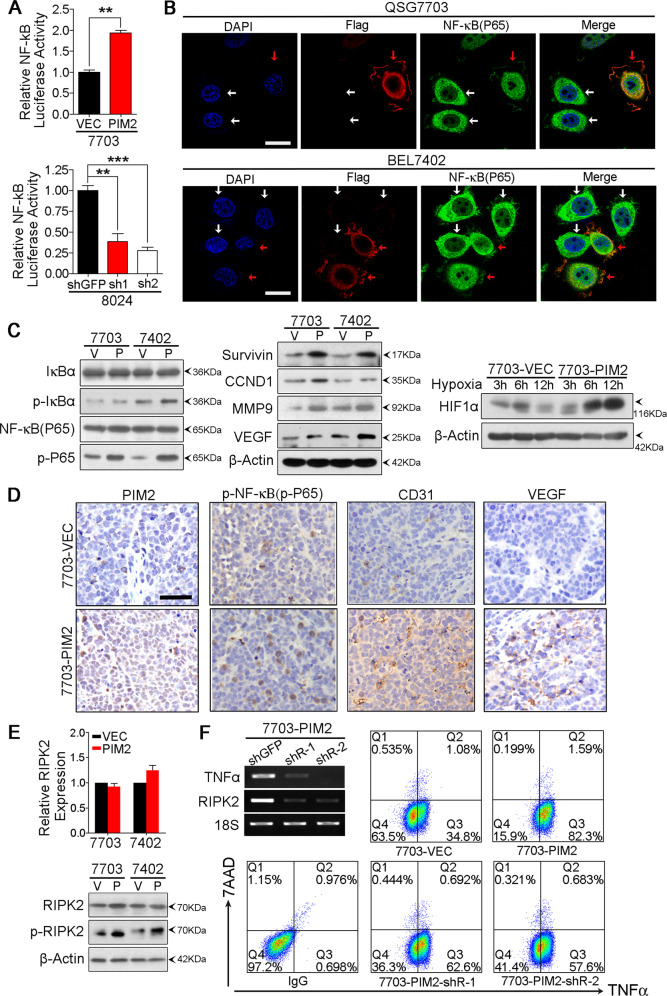
Inflammatory factors and activation of oncogenes both played critical roles in the development and progression of human hepatocellular carcinoma (HCC). However, the interplay between these two has not been well studied. In this study, we found that regulated by TNFα, Pim-2 proto-oncogene, serine/threonine kinase (PIM2) was highly expressed in HCC and correlated with poor prognosis (P = 0.007) as well as tumor recurrence (P = 0.014). Functional studies showed that PIM2 could enhance abilities of cell proliferation, cell motility, angiogenesis, chemo-resistance, and in vivo tumorigenicity and HCC metastasis. Mechanistic studies revealed that PIM2 could activate NF-κB signaling pathway through upregulating phosphorylation level of RIPK2. Interestingly, TNFα treatment could induce the expression of PIM2, and overexpression of PIM2 could in turn upregulate the expression of TNFα in HCC cells. More importantly, we found the expression level of PIM2 increased with the progression of liver cirrhosis, and PIM kinase inhibitor AZD1208 treatment could effectively attenuate HCC cells' tumorigenic ability both in vitro and in vivo. Collectively, our study revealed the interaction between an inflammatory factor and a proto-oncogene that contributed to tumorigenesis and progression of HCC, and PIM kinase inhibition may serve as a therapeutic target in the treatment of HCC.
炎性因子和癌基因的激活均在人类肝细胞癌 (HCC) 的发生和发展中起着关键作用。然而,这两者之间的相互作用尚未得到很好的研究。在这项研究中,我们发现 TNFα 调控的原癌基因丝氨酸/苏氨酸激酶 Pim-2 (PIM2) 在 HCC 中高度表达,并与不良预后 (P=0.007) 以及肿瘤复发 (P=0.014) 相关。功能研究表明,PIM2 可增强细胞增殖、细胞迁移、血管生成、化疗耐药性以及体内致瘤性和 HCC 转移能力。机制研究表明,PIM2 可通过上调 RIPK2 的磷酸化水平来激活 NF-κB 信号通路。有趣的是,TNFα 处理可诱导 PIM2 的表达,而 PIM2 的过表达可反过来上调 HCC 细胞中 TNFα 的表达。更重要的是,我们发现 PIM2 的表达水平随着肝硬化的进展而增加,PIM 激酶抑制剂 AZD1208 的治疗可有效减弱 HCC 细胞在体外和体内的致瘤能力。总之,我们的研究揭示了炎性因子和原癌基因之间的相互作用,有助于 HCC 的发生和发展,PIM 激酶抑制可能成为 HCC 治疗的一个治疗靶点。