Research Unit of Cellular and Molecular Immunology, Vrije Universiteit Brussel (VUB), Brussels, Belgium.
Myeloid Cell Immunology Laboratory, VIB Centre for Inflammation Research, Brussels, Belgium.
Front Immunol. 2020 Jun 4;11:1085. doi: 10.3389/fimmu.2020.01085. eCollection 2020.
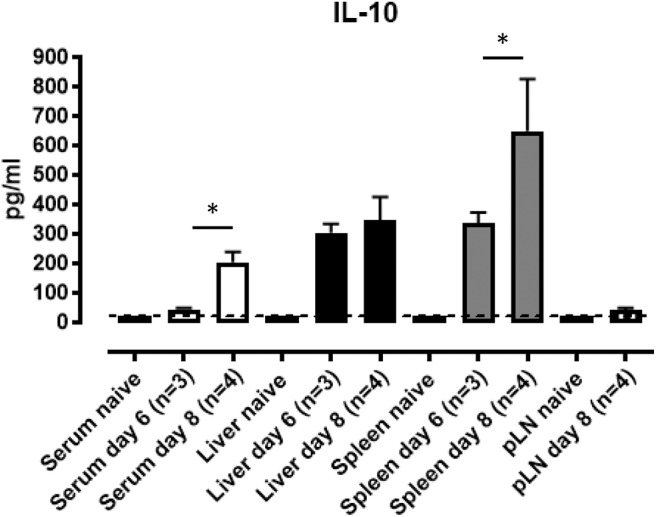
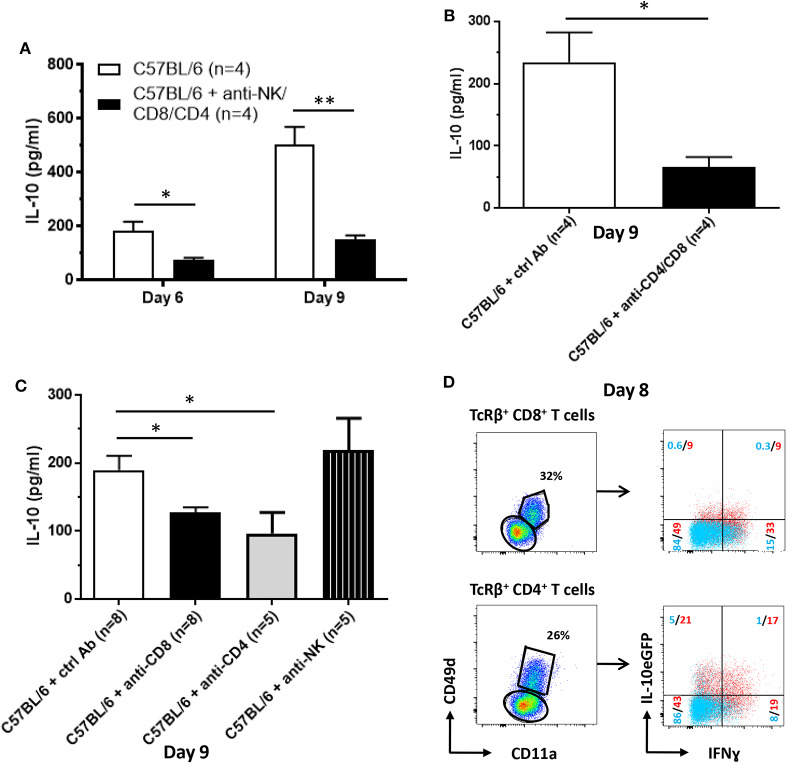
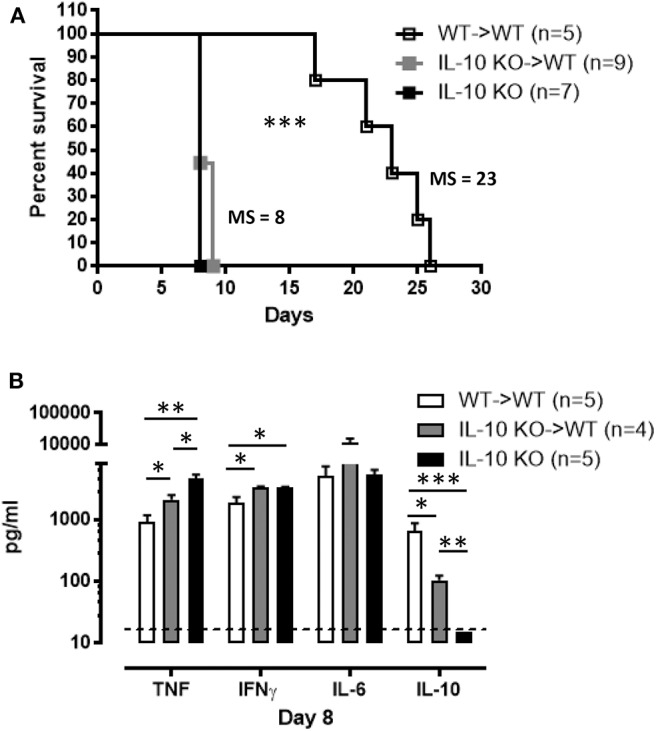
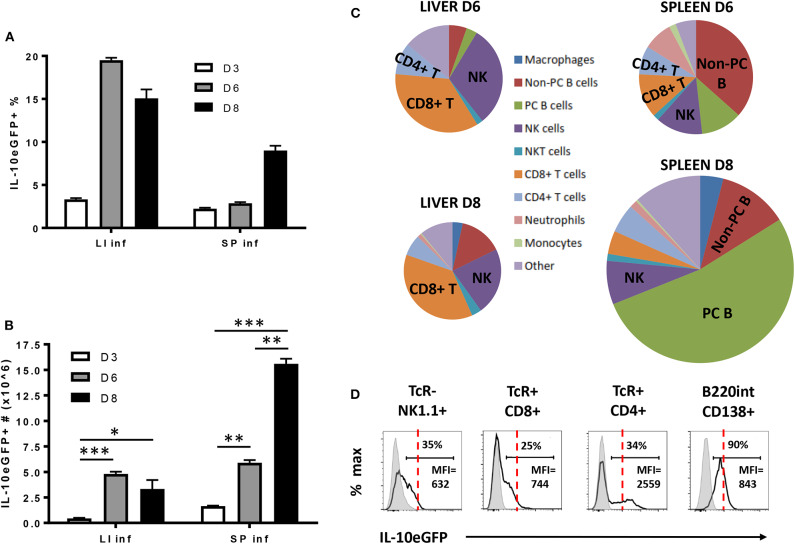
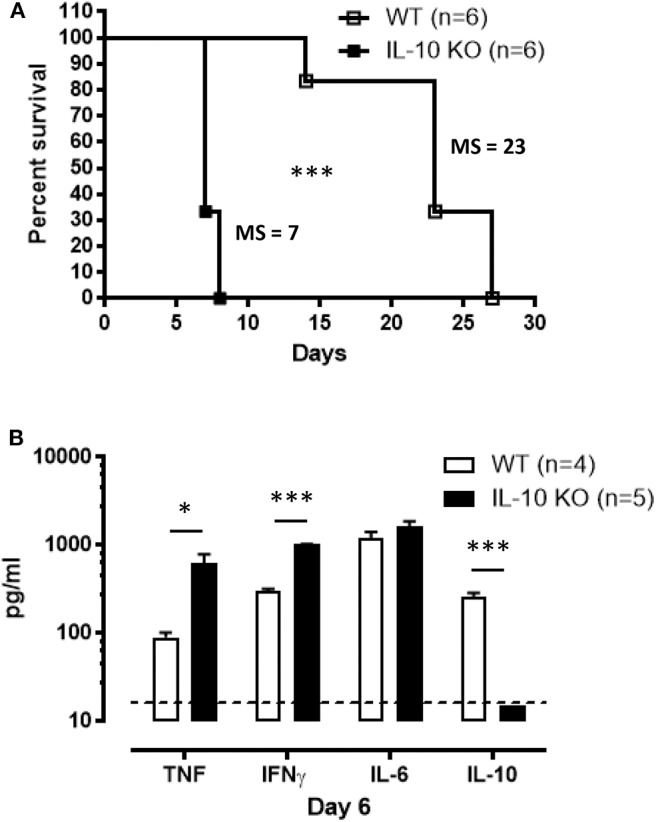
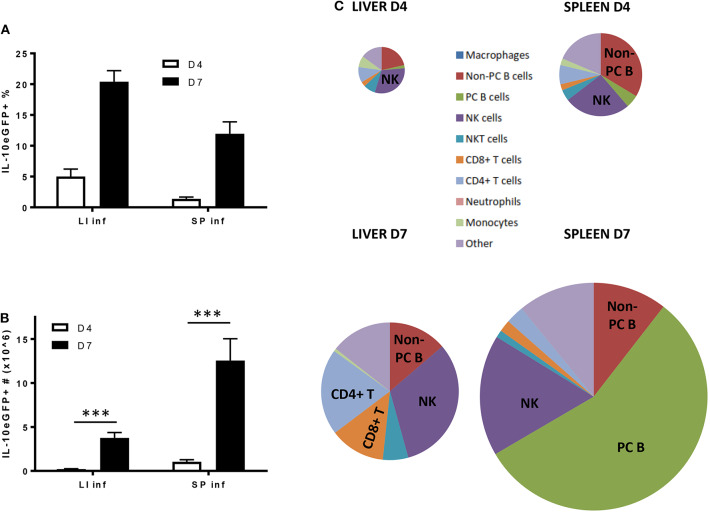
In many infectious diseases, the immune response operates as a double-edged sword. While required for protective immunity, infection-induced inflammation can be detrimental if it is not properly controlled, causing collateral body damage and potentially leading to death. It is in this context that the potent anti-inflammatory cytokine interleukin-10 (IL-10) is required to dampen the pro-inflammatory immune response that hallmarks trypanosomosis. Effective control of this infection requires not just the action of antibodies specific for the parasite's variable surface glycoprotein (VSG) coat antigens, but also a pro-inflammatory immune response mediated mainly by IFNγ, TNF, and NO. However, strict control of inflammation is mandatory, as IL-10-deficient mice succumb from an unrestrained cytokine storm within 10 days of a infection. The relevant cellular source of IL-10 and the associated molecular mechanisms implicated in its trypanosomosis associated production are poorly understood. Using an IL-10 reporter mouse strain (Vert-X), we demonstrate here that NK cells, CD8 T cells and CD4 T cells as well as B cells and plasma cells constitute potential cellular sources of IL-10 within the spleen and liver during acute infection. The IL-10 wave follows peak pro-inflammatory cytokine production, which accompanied the control of peak parasitemia. Similar results were observed following conventional experimental needle infection and physiological infections via -infected tsetse flies. Our results show that conditional T cell-specific ablation of the IL-10 regulating gene (encoding for the Blimp-1 transcription factor), leads to an uncontrolled trypanosome-induced pro-inflammatory syndrome like the one observed in infected IL-10-deficient mice. This result indicates that the biological role of IL-10-derived from non-T cells, including NK cells, is of minor importance when considering host survival. The cytokine IL-27 that is also considered to be an IL-10 regulator, did not affect IL-10 production during infection. Together, these data suggest that activates a Blimp-1-dependent IL-10 regulatory pathway in T cells that acts as a critical anti-inflammatory rheostat, mandatory for host survival during the acute phase of parasitemia.
在许多传染病中,免疫反应是一把双刃剑。虽然需要保护性免疫,但如果感染引起的炎症得不到适当控制,就会对身体造成损害,并可能导致死亡。正是在这种情况下,需要具有强大抗炎作用的细胞因子白细胞介素-10(IL-10)来抑制标志着锥虫病的促炎免疫反应。有效控制这种感染不仅需要针对寄生虫可变表面糖蛋白(VSG)衣壳抗原的特异性抗体的作用,还需要主要由 IFNγ、TNF 和 NO 介导的促炎免疫反应。然而,严格控制炎症是强制性的,因为缺乏 IL-10 的小鼠在感染后 10 天内会因不受控制的细胞因子风暴而死亡。IL-10 的相关细胞来源及其在锥虫病相关产生中的关联分子机制尚不清楚。在这里,我们使用 IL-10 报告小鼠品系(Vert-X)证明,在急性感染期间,NK 细胞、CD8 T 细胞和 CD4 T 细胞以及 B 细胞和浆细胞构成了脾脏和肝脏中 IL-10 的潜在细胞来源。IL-10 波紧随促炎细胞因子产生的高峰,而促炎细胞因子的产生伴随着寄生虫血症峰值的控制。在常规实验性针感染和通过感染的采采蝇进行的生理感染后观察到了类似的结果。我们的结果表明,在 T 细胞中条件性敲除 IL-10 调节基因(编码 Blimp-1 转录因子)会导致类似于感染性 IL-10 缺陷型小鼠中观察到的不受控制的锥虫诱导的促炎综合征。这一结果表明,包括 NK 细胞在内的非 T 细胞来源的 IL-10 的生物学作用在考虑宿主存活时并不重要。细胞因子 IL-27 也被认为是 IL-10 的调节剂,但在感染期间不会影响 IL-10 的产生。总之,这些数据表明,激活了 T 细胞中的 Blimp-1 依赖性 IL-10 调节途径,该途径作为一种关键的抗炎变阻器,对于寄生虫血症急性期宿主的存活是必需的。