Department of Rehabilitation Sciences, College of Applied Medical Sciences, King Saud University, Riyadh 11433, Saudi Arabia.
Department of Building and Real Estate, Hong Kong Polytechnic University, Kowloon, Hong Kong.
Int J Environ Res Public Health. 2020 Jul 9;17(14):4962. doi: 10.3390/ijerph17144962.
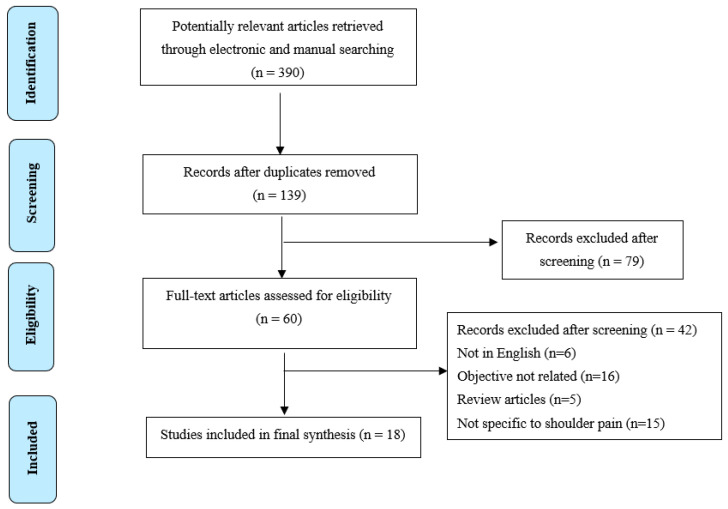
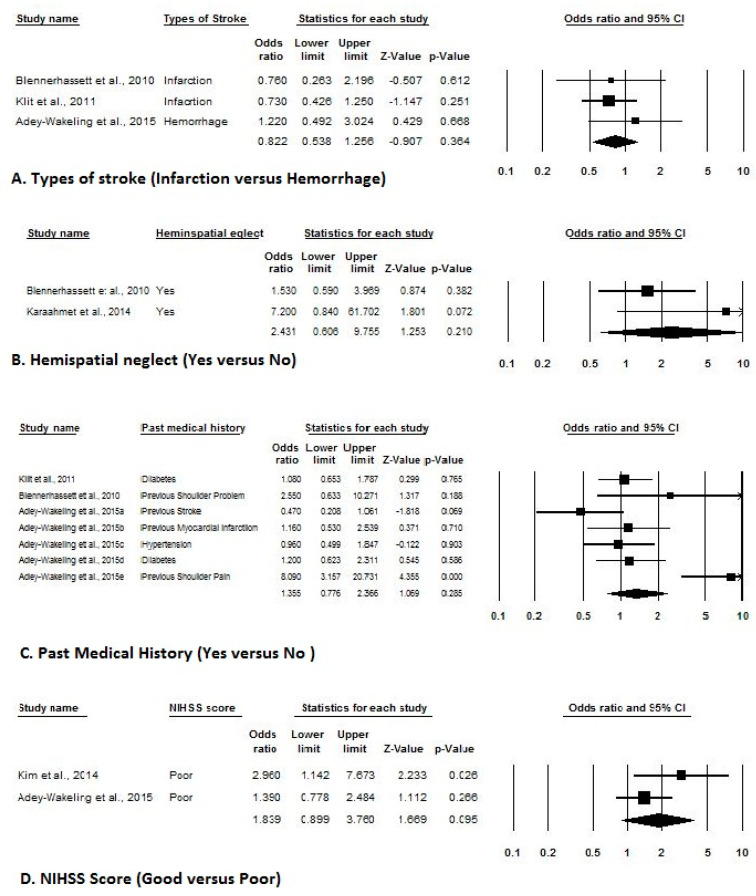
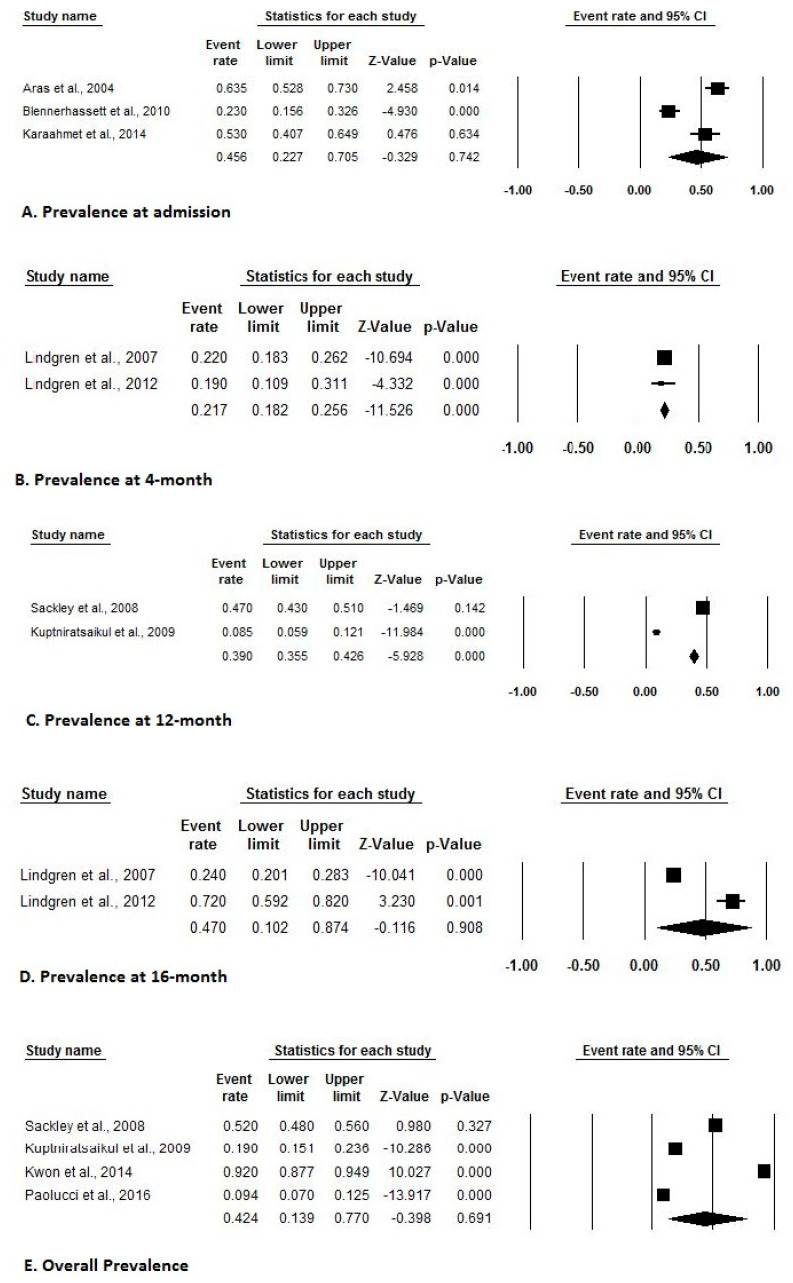
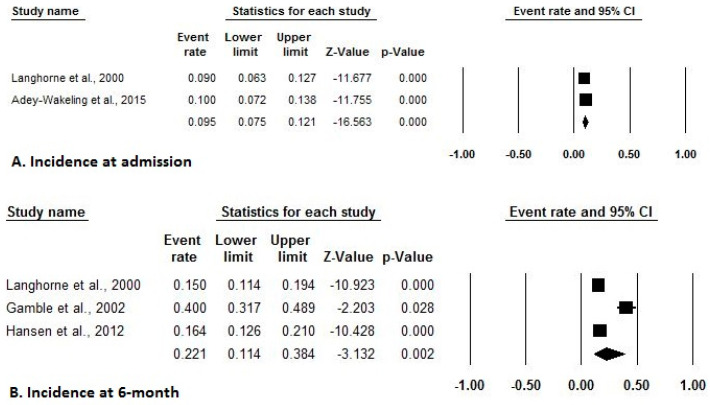
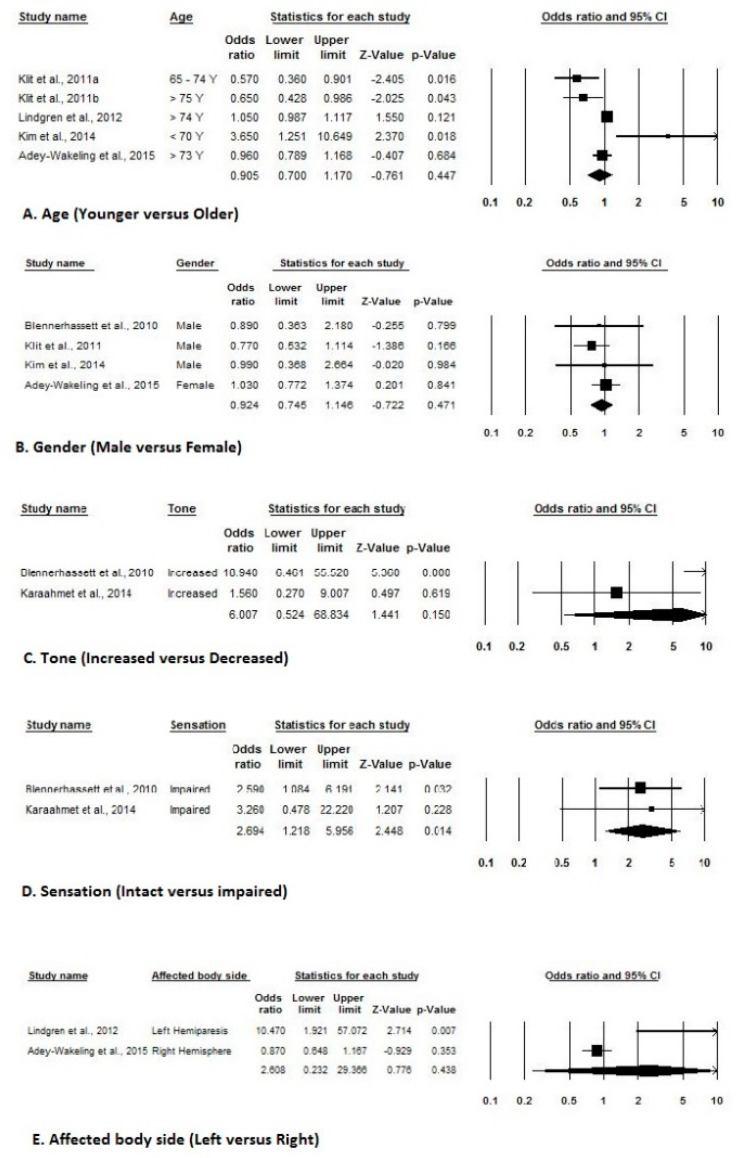
The current systematic review aimed to investigate the incidence, prevalence, and risk factors causing hemiplegic shoulder pain (HSP) after stroke. Two independent authors screened titles and abstracts for the eligibility of the included studies in the electronic databases PubMed and Web of Science. Studies which reported the incidence, prevalence, and risk factors of HSP following stroke were included. The included studies were assessed using the Newcastle-Ottawa Scale for evaluating the quality of nonrandomized studies in meta-analyses. Eighteen studies were included in the final synthesis. In all studies, the number of patients ranged between 58 and 608, with the mean age ranging from 58.7 to 76 years. Seven included studies were rated as "good "quality, while one study rated "fair" and 10 studies rated "poor" quality. Eight studies reported incidence rate while 11 studies reported the prevalence of HSP following a stroke. The incidence of HSP was ranging from 10 to 22% in the metanalysis of the included studies. The prevalence of HSP was ranging from 22 to 47% in the metanalysis of the included studies. The most significant predictors of HSP were age, female gender, increased tone, sensory impairment, left-sided hemiparesis, hemorrhagic stroke, hemispatial neglect, positive past medical history, and poor National Institutes of Health Stroke Scale score. The incidence and prevalence of HSP after stroke vary considerably due to various factors. Knowledge of predictors is important to minimize the risk of developing HSP following a stroke.
目前的系统评价旨在调查中风后偏瘫性肩痛(HSP)的发生率、患病率和危险因素。两位独立作者在电子数据库 PubMed 和 Web of Science 中筛选标题和摘要,以确定纳入研究的资格。纳入了报告中风后 HSP 发生率、患病率和危险因素的研究。使用纽卡斯尔-渥太华量表(Newcastle-Ottawa Scale)评估纳入荟萃分析的非随机研究的质量。最终综合分析纳入了 18 项研究。在所有研究中,患者人数从 58 到 608 人不等,平均年龄从 58.7 到 76 岁不等。7 项纳入研究被评为“良好”质量,1 项研究评为“中等”质量,10 项研究评为“较差”质量。8 项研究报告了发病率,11 项研究报告了中风后 HSP 的患病率。纳入研究的荟萃分析中,HSP 的发病率为 10-22%。纳入研究的荟萃分析中,HSP 的患病率为 22-47%。HSP 的最显著预测因素是年龄、女性、肌张力增加、感觉障碍、左侧偏瘫、出血性中风、偏侧空间忽略、阳性既往病史和 NIHSS 评分较差。由于各种因素,中风后 HSP 的发生率和患病率差异很大。了解预测因素对于降低中风后 HSP 的发生风险很重要。