Terumo BCT, Inc, Lakewood, CO, USA.
School of Pharmacy, University of Wyoming, Laramie, WY, USA.
Cell Transplant. 2020 Jan-Dec;29:963689720923578. doi: 10.1177/0963689720923578.
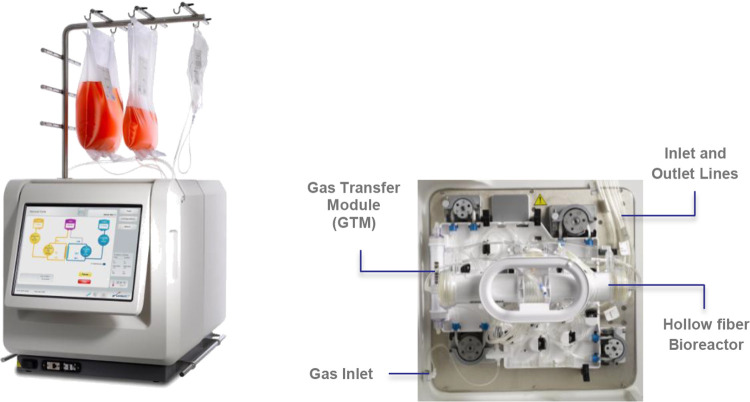
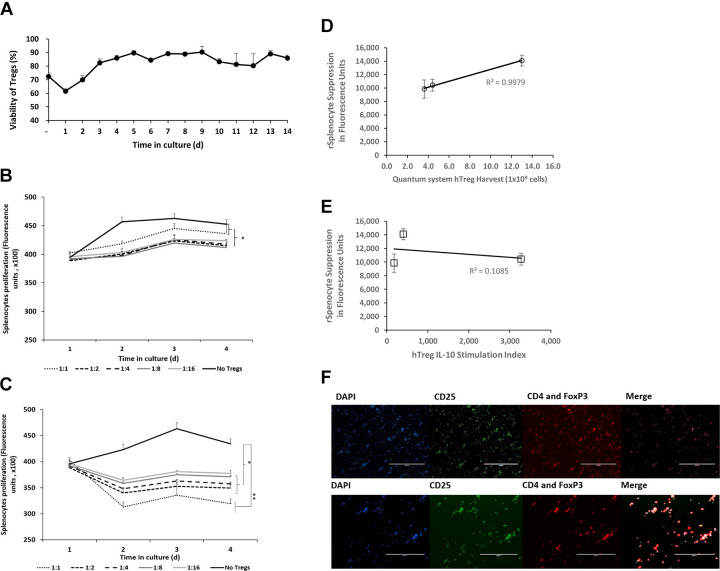
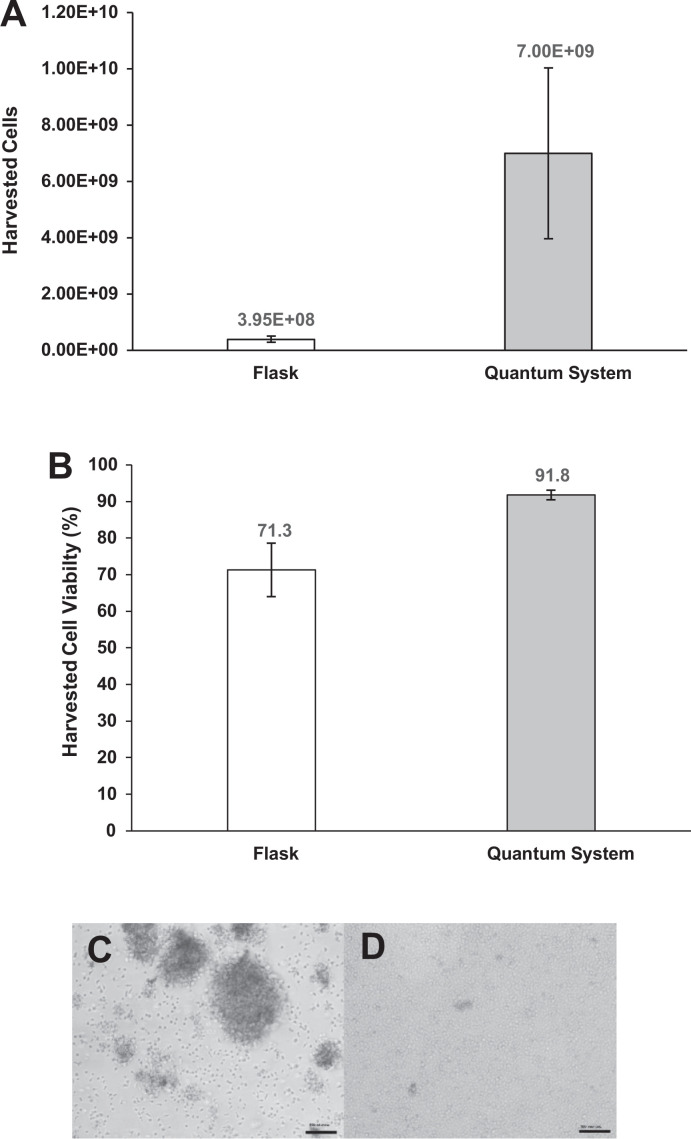
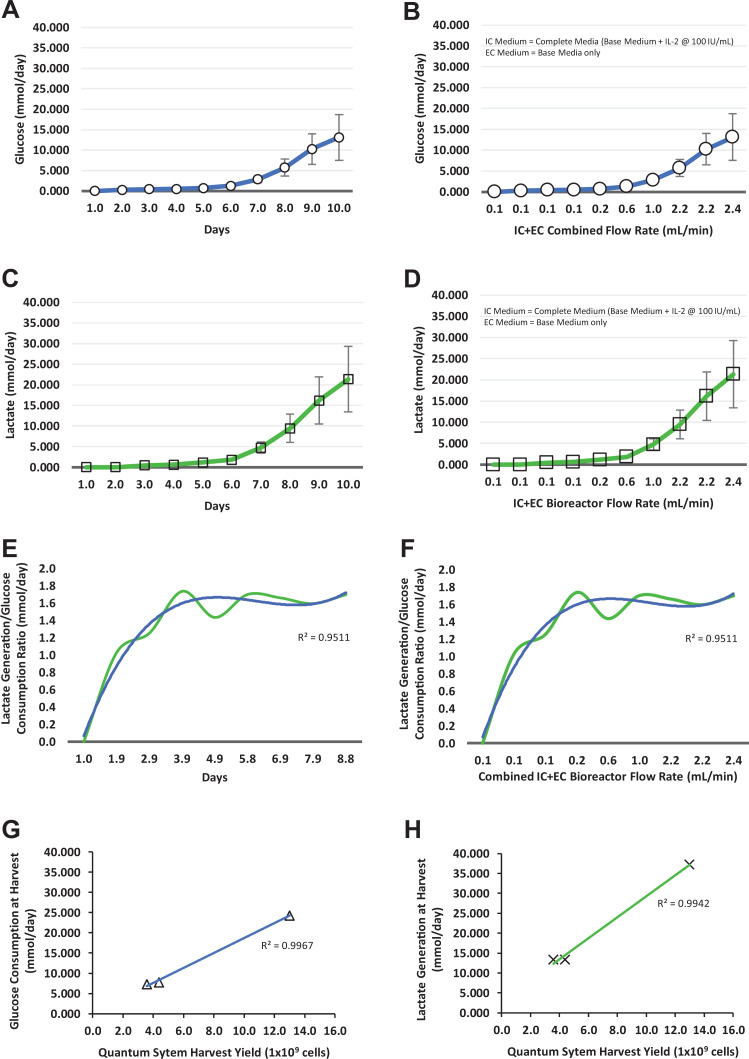
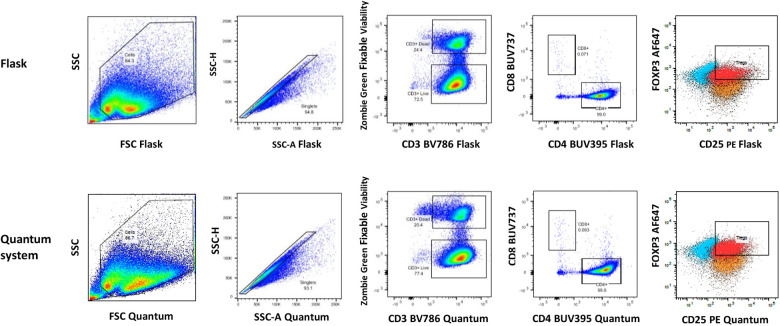
Absence or reduced frequency of human regulatory T cells (Tregs) can limit the control of inflammatory responses, autoimmunity, and the success of transplant engraftment. Clinical studies indicate that use of Tregs as immunotherapeutics would require billions of cells per dose. The Quantum® Cell Expansion System (Quantum system) is a hollow-fiber bioreactor that has previously been used to grow billions of functional T cells in a short timeframe, 8-9 d. Here we evaluated expansion of selected Tregs in the Quantum system using a soluble activator to compare the effects of automated perfusion with manual diffusion-based culture in flasks. Treg CD4CD25 cells from three healthy donors, isolated via column-free immunomagnetic negative/positive selection, were grown under static conditions and subsequently seeded into Quantum system bioreactors and into T225 control flasks in an identical culture volume of PRIME-XV XSFM medium with interleukin-2, for a 9-d expansion using a soluble anti-CD3/CD28/CD2 monoclonal antibody activator complex. Treg harvests from three parallel expansions produced a mean of 3.95 × 10 (range 1.92 × 10 to 5.58 × 10) Tregs in flasks (mean viability 71.3%) versus 7.00 × 10 (range 3.57 × 10 to 13.00 × 10) Tregs in the Quantum system (mean viability 91.8%), demonstrating a mean 17.7-fold increase in Treg yield for the Quantum system over that obtained in flasks. The two culture processes gave rise to cells with a memory Treg CD4CD25FoxP3CD45RO phenotype of 93.7% for flasks versus 97.7% for the Quantum system. Tregs from the Quantum system demonstrated an 8-fold greater interleukin-10 stimulation index than cells from flask culture following restimulation. Quantum system-expanded Tregs proliferated, maintained their antigenic phenotype, and suppressed effector immune cells after cryopreservation. We conclude that an automated perfusion bioreactor can support the scale-up expansion of functional Tregs more efficiently than diffusion-based flask culture.
人体调节性 T 细胞(Tregs)的缺失或减少频率可能会限制对炎症反应、自身免疫和移植植入的成功控制。临床研究表明,将 Tregs 用作免疫疗法需要每剂量数十亿个细胞。Quantum®细胞扩增系统(Quantum 系统)是一种中空纤维生物反应器,以前曾用于在短时间内(8-9 天)生长数十亿个功能 T 细胞。在这里,我们使用可溶性激活剂评估了 Quantum 系统中选定的 Treg 扩增,以比较自动化灌注与基于烧瓶的手动扩散培养的效果。通过无柱免疫磁珠阴性/阳性选择从三个健康供体中分离出的 Treg CD4CD25 细胞,在静态条件下生长,然后接种到 Quantum 系统生物反应器中,并在相同的培养体积的 PRIME-XV XSFM 培养基中接种到 T225 对照瓶中,加入白细胞介素-2、使用可溶性抗 CD3/CD28/CD2 单克隆抗体激活复合物进行 9 天扩增。从三个平行扩增中收获的 Treg 平均产生 3.95×10(范围 1.92×10 至 5.58×10)个 Treg 瓶(平均活力 71.3%)与 Quantum 系统中的 7.00×10(范围 3.57×10 至 13.00×10)个 Treg(平均活力 91.8%),表明 Quantum 系统的 Treg 产量平均比瓶中获得的产量增加了 17.7 倍。这两种培养过程产生的细胞具有记忆性 Treg CD4CD25FoxP3CD45RO 表型,瓶中的比例为 93.7%,而 Quantum 系统中的比例为 97.7%。与瓶培养的细胞相比,经再刺激后,从 Quantum 系统中扩增的 Tregs 产生的白细胞介素-10 刺激指数增加了 8 倍。经 Quantum 系统扩增的 Tregs 在冷冻保存后增殖、保持其抗原表型并抑制效应免疫细胞。我们得出结论,自动化灌注生物反应器可以比基于扩散的烧瓶培养更有效地支持功能 Treg 的扩大规模扩增。