Department of Pediatric Oncology, Dana-Farber Boston Children's Cancer and Blood Disorders Center, Boston, MA 02215, USA; Department of Pediatrics and Adolescent Medicine, Comprehensive Center for Pediatrics, Medical University of Vienna, 1090 Vienna, Austria.
Department of Pediatric Oncology, Dana-Farber Boston Children's Cancer and Blood Disorders Center, Boston, MA 02215, USA; Broad Institute of Harvard and MIT, Cambridge, MA 02142, USA.
Cancer Cell. 2020 Jul 13;38(1):44-59.e9. doi: 10.1016/j.ccell.2020.06.004.
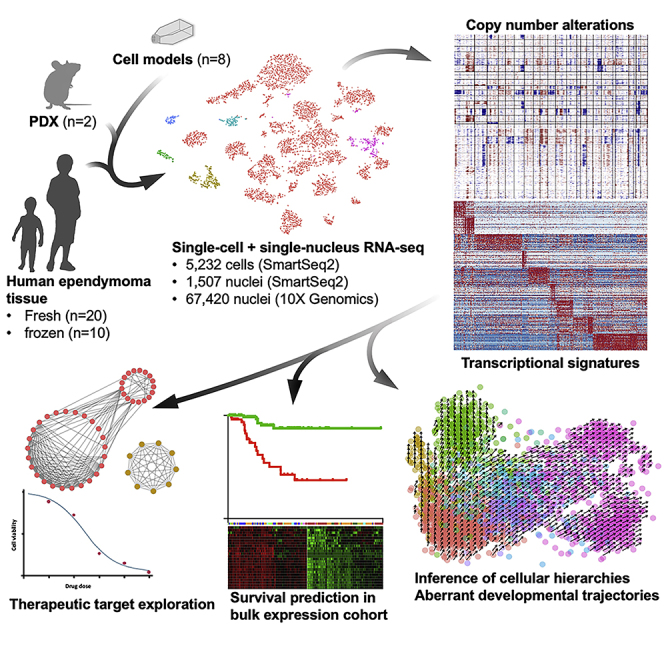
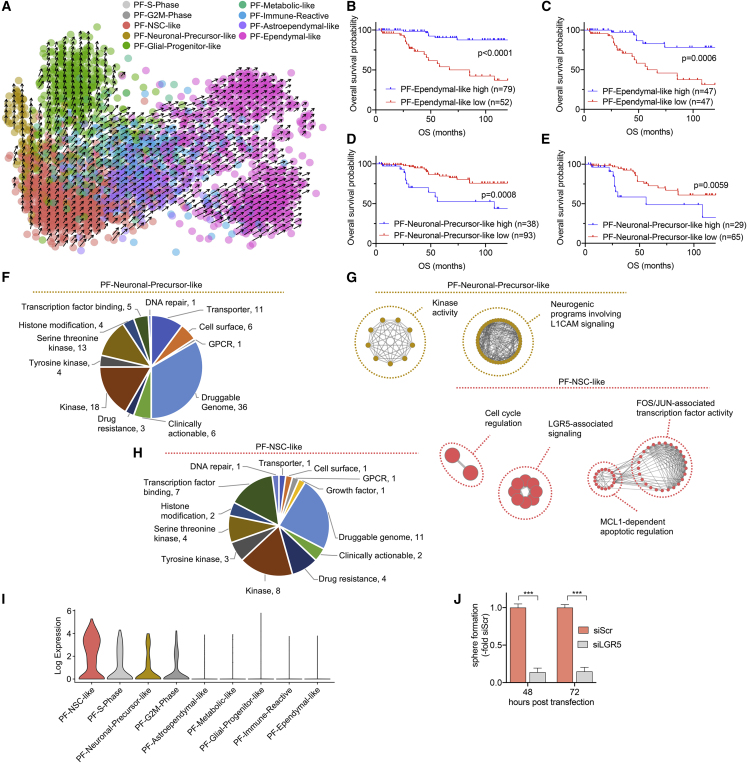
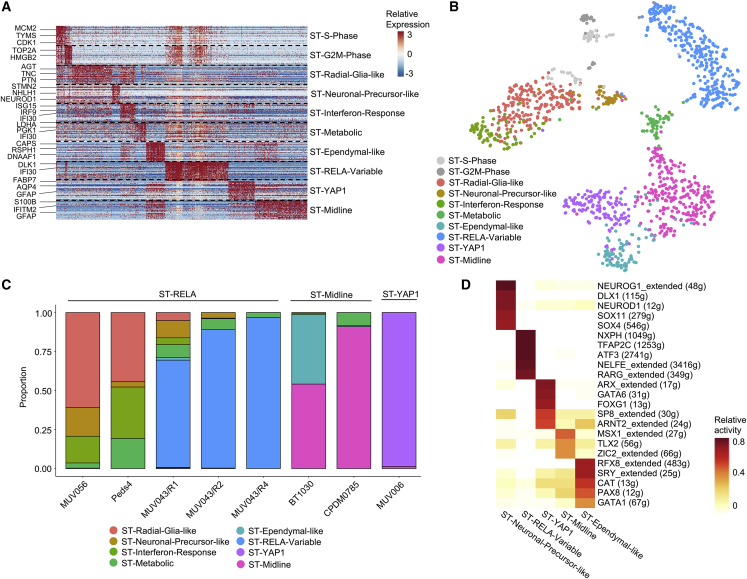
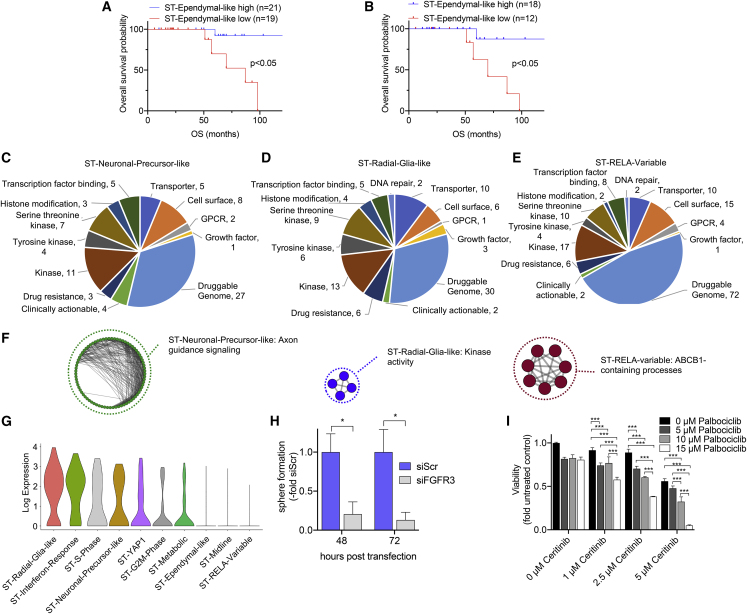
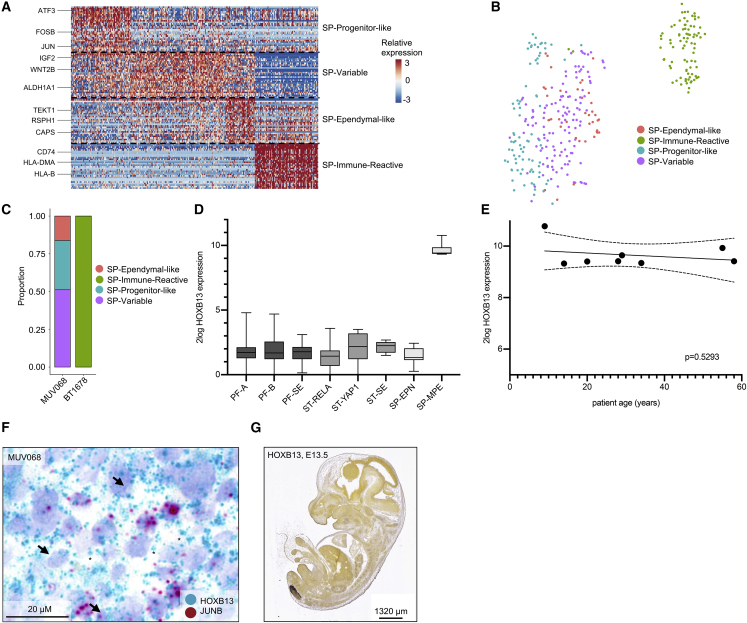
Ependymoma is a heterogeneous entity of central nervous system tumors with well-established molecular groups. Here, we apply single-cell RNA sequencing to analyze ependymomas across molecular groups and anatomic locations to investigate their intratumoral heterogeneity and developmental origins. Ependymomas are composed of a cellular hierarchy initiating from undifferentiated populations, which undergo impaired differentiation toward three lineages of neuronal-glial fate specification. While prognostically favorable groups of ependymoma predominantly harbor differentiated cells, aggressive groups are enriched for undifferentiated cell populations. The delineated transcriptomic signatures correlate with patient survival and define molecular dependencies for targeted treatment approaches. Taken together, our analyses reveal a developmental hierarchy underlying ependymomas relevant to biological and clinical behavior.
室管膜瘤是一种中枢神经系统肿瘤的异质性实体,具有明确的分子分组。在这里,我们应用单细胞 RNA 测序分析跨分子分组和解剖位置的室管膜瘤,以研究其肿瘤内异质性和发育起源。室管膜瘤由未分化细胞起始的细胞层次组成,这些细胞向神经元-神经胶质命运特化的三个谱系发生分化障碍。虽然预后良好的室管膜瘤群体主要含有分化细胞,但侵袭性群体则富含未分化细胞群体。划定的转录组特征与患者生存相关,并为靶向治疗方法确定了分子依赖性。总之,我们的分析揭示了与生物学和临床行为相关的室管膜瘤的发育层次结构。