Department of Urology, CHA Fertility Center Seoul Station, CHA University School of Medicine, Seoul, Korea.
Department of Pathology, Gangnam Severance Hospital, Yonsei University College of Medicine, Seoul, Korea.
Investig Clin Urol. 2020 Jul;61(4):441-451. doi: 10.4111/icu.2020.61.4.441. Epub 2020 Jun 1.
Despite the role of carbon monoxide in ameliorating ischemia-reperfusion injury (IRI), its use in the clinical setting is restricted owing to its toxicity. Herein, we investigated the effects of carbon monoxide-releasing molecule-3 (CORM-3) on IRI.
Fifteen rats were equally and randomly divided into three groups: sham (right nephrectomy), control (right nephrectomy and left renal ischemia), and CORM-3 (right nephrectomy and CORM-3 injection before left renal ischemia). Kidney tissues and blood samples collected from sacrificed rats were evaluated to determine the renoprotective effect and mechanism of CORM-3.
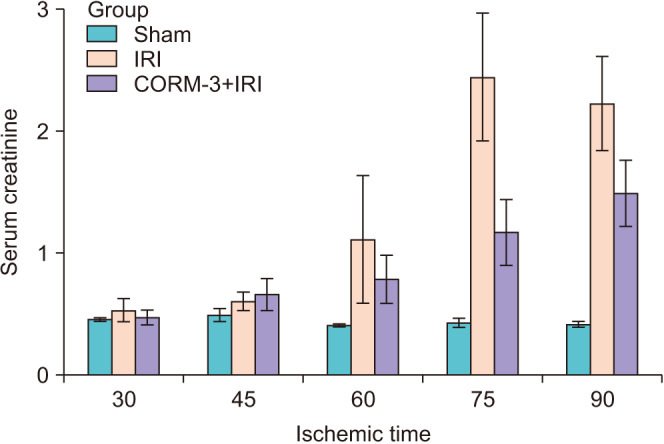
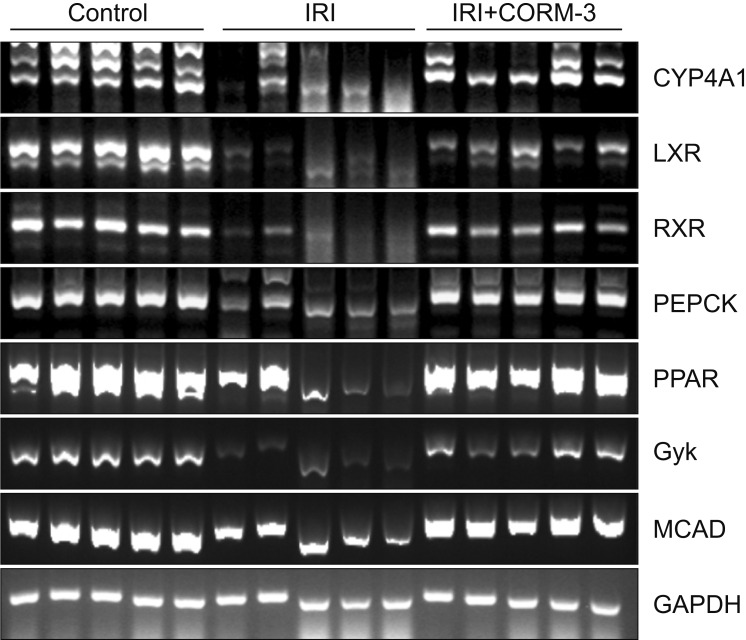
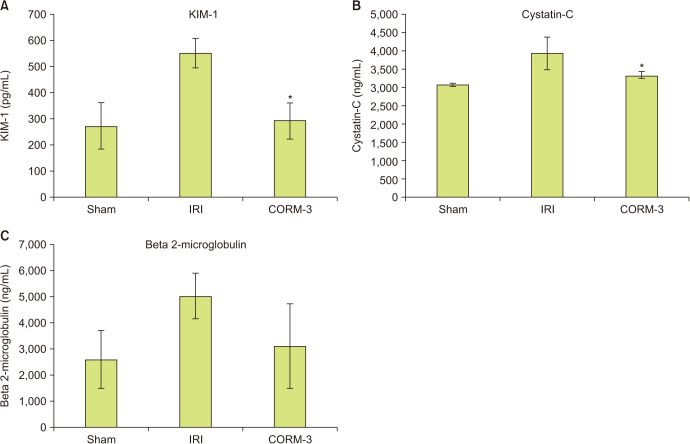
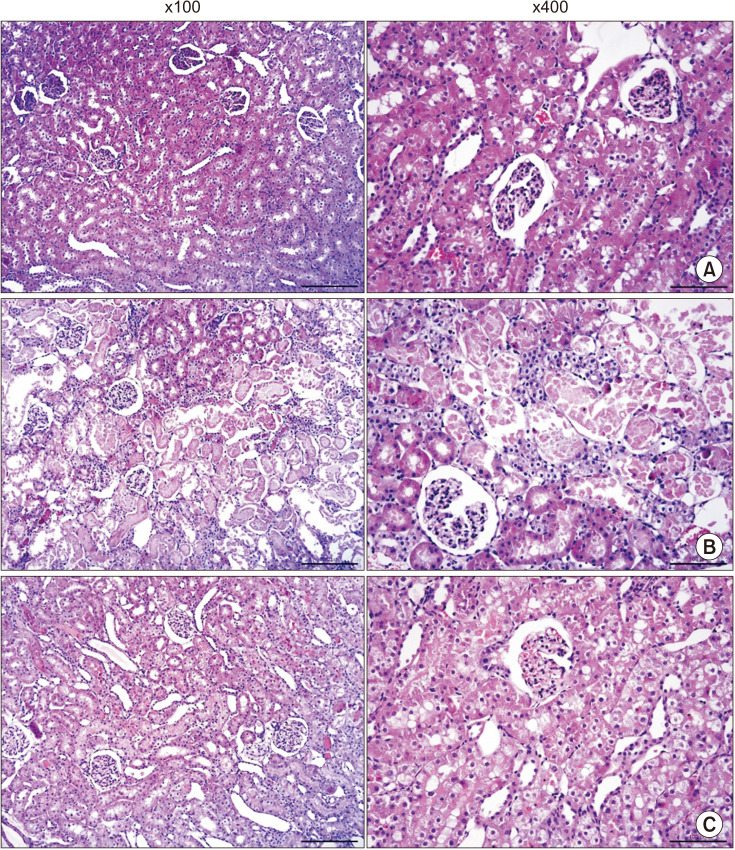
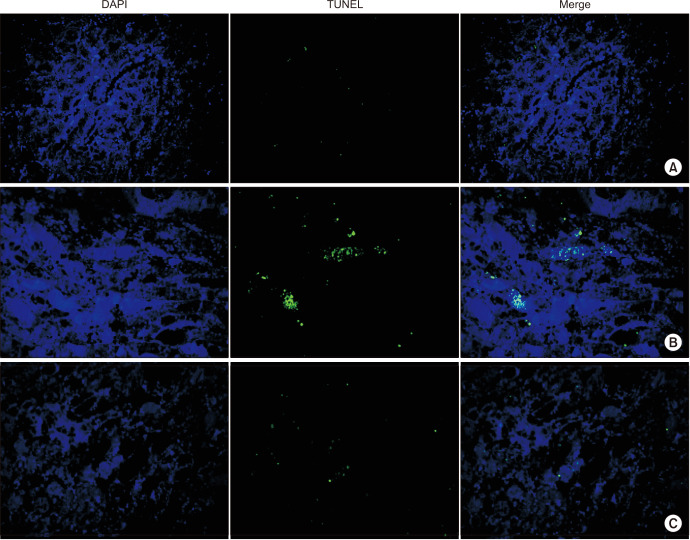
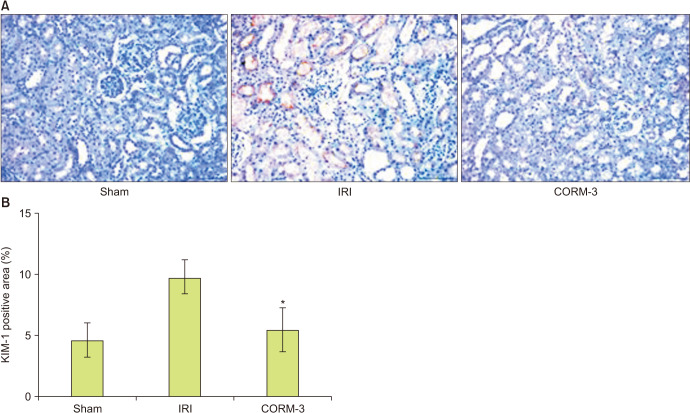
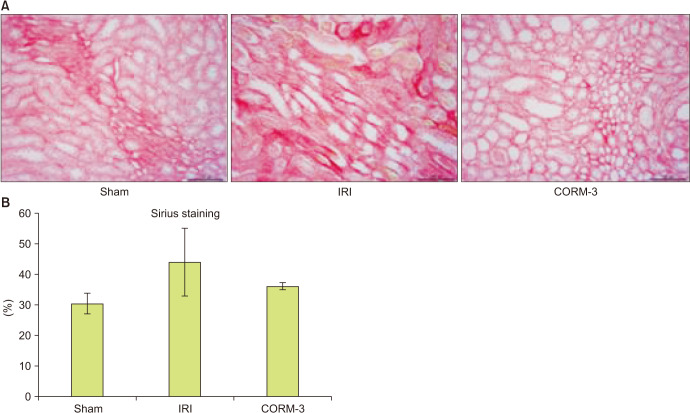
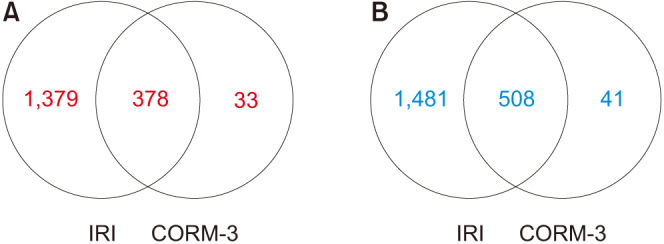
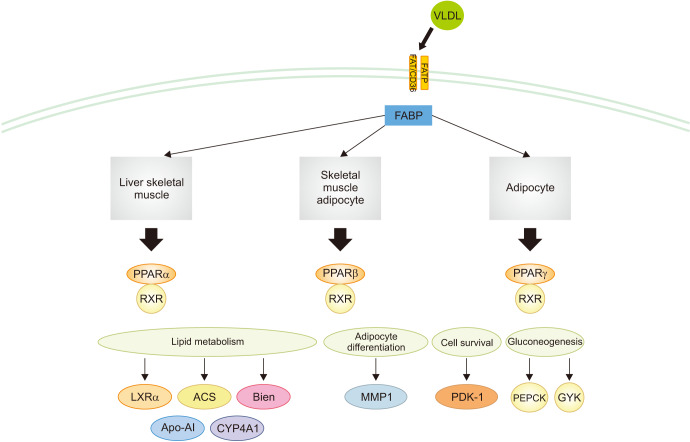
Concentrations of serum creatinine and kidney injury molecule-1 in the CORM-3 group were significantly lower than in the control group after 75 minutes of IRI (1.2 vs. 2.4 mg/dL, p=0.01, and 292 vs. 550 pg/mL, p<0.001, respectively). Furthermore, the CORM-3 group exhibited a higher portion of normal tubules and glomeruli. TUNEL staining revealed fewer apoptotic renal tubular cells in the CORM-3 group than in the control group. The expression of 960 genes in the CORM-3 group was also altered. Pretreatment with CORM-3 before renal IRI produced a significant renoprotective effect. Fifteen of the altered genes were found to be involved in the peroxisome proliferator-activated receptors signaling pathway, and the difference in the expression of these genes between the CORM-3 and control groups was statistically significant (p<0.001).
CORM-3 ameliorates IRI by decreasing apoptosis and may be a novel strategy for protection against renal warm IRI.
尽管一氧化碳在减轻缺血再灌注损伤(IRI)方面具有作用,但由于其毒性,其在临床环境中的应用受到限制。在此,我们研究了一氧化碳释放分子-3(CORM-3)对 IRI 的影响。
15 只大鼠被平均且随机分为三组:假手术组(右肾切除术)、对照组(右肾切除术和左肾缺血)和 CORM-3 组(右肾切除术和左肾缺血前 CORM-3 注射)。从处死的大鼠采集肾组织和血液样本,以评估 CORM-3 的肾保护作用和机制。
在IRI 75 分钟后,CORM-3 组的血清肌酐和肾损伤分子-1 浓度明显低于对照组(1.2 与 2.4mg/dL,p=0.01,和 292 与 550pg/mL,p<0.001)。此外,CORM-3 组表现出更高比例的正常肾小管和肾小球。TUNEL 染色显示 CORM-3 组的肾小管细胞凋亡少于对照组。CORM-3 组的 960 个基因的表达也发生了改变。在肾IRI 前用 CORM-3 预处理可产生显著的肾保护作用。在 CORM-3 组和对照组之间,有 15 个改变的基因被发现参与过氧化物酶体增殖物激活受体信号通路,这些基因的表达差异具有统计学意义(p<0.001)。
CORM-3 通过减少细胞凋亡来改善 IRI,可能是一种防止肾热IRI 的新策略。