Curriculum in Genetics and Molecular Biology, University of North Carolina at Chapel Hill, Chapel Hill, North Carolina, USA.
Department of Surgery, Duke University School of Medicine, Durham, North Carolina, USA.
J Virol. 2020 Sep 15;94(19). doi: 10.1128/JVI.00976-20.
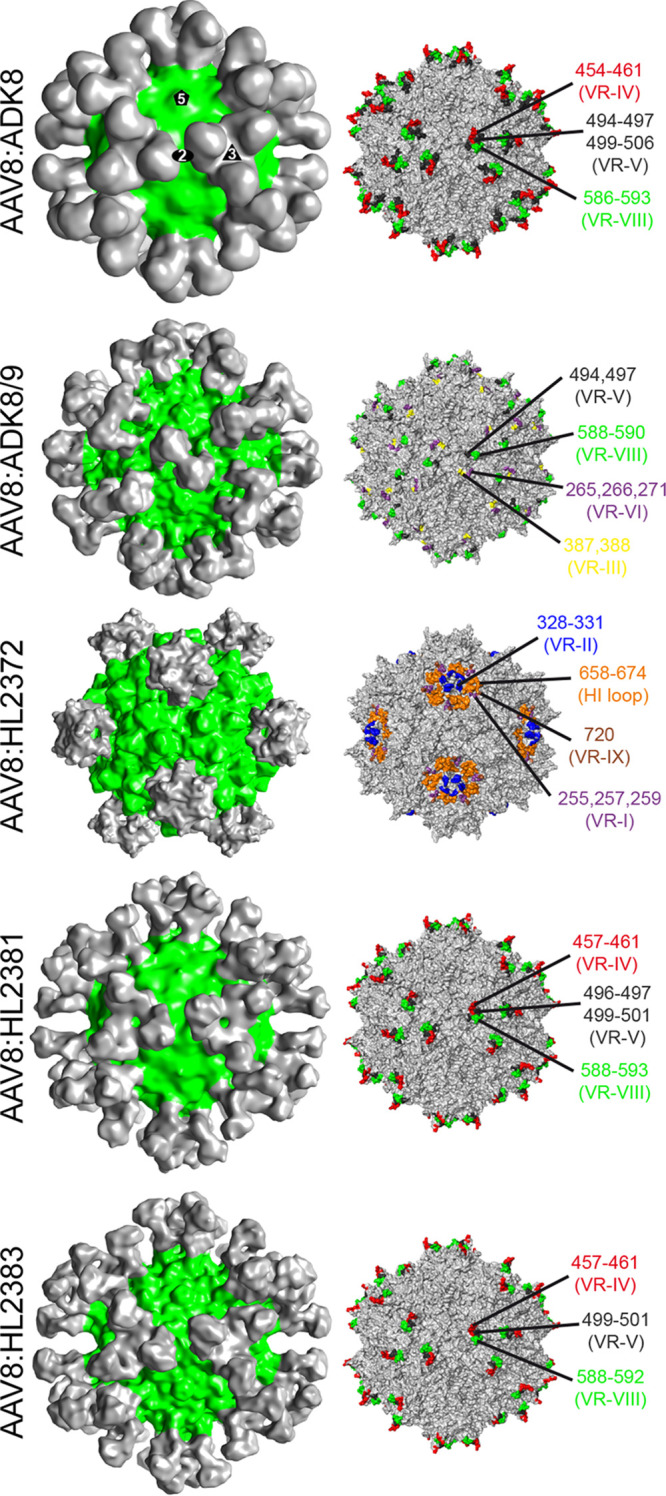
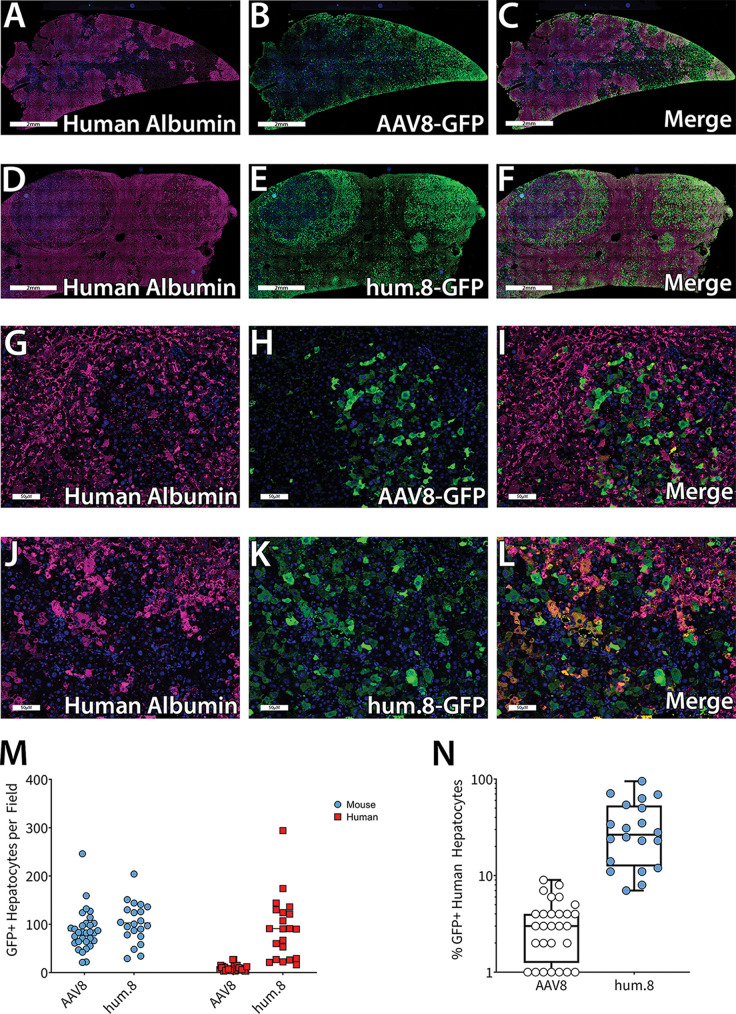
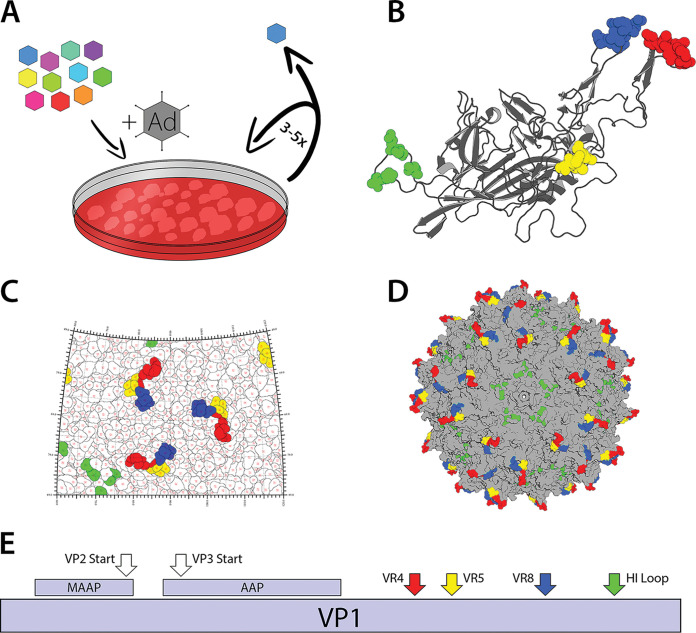
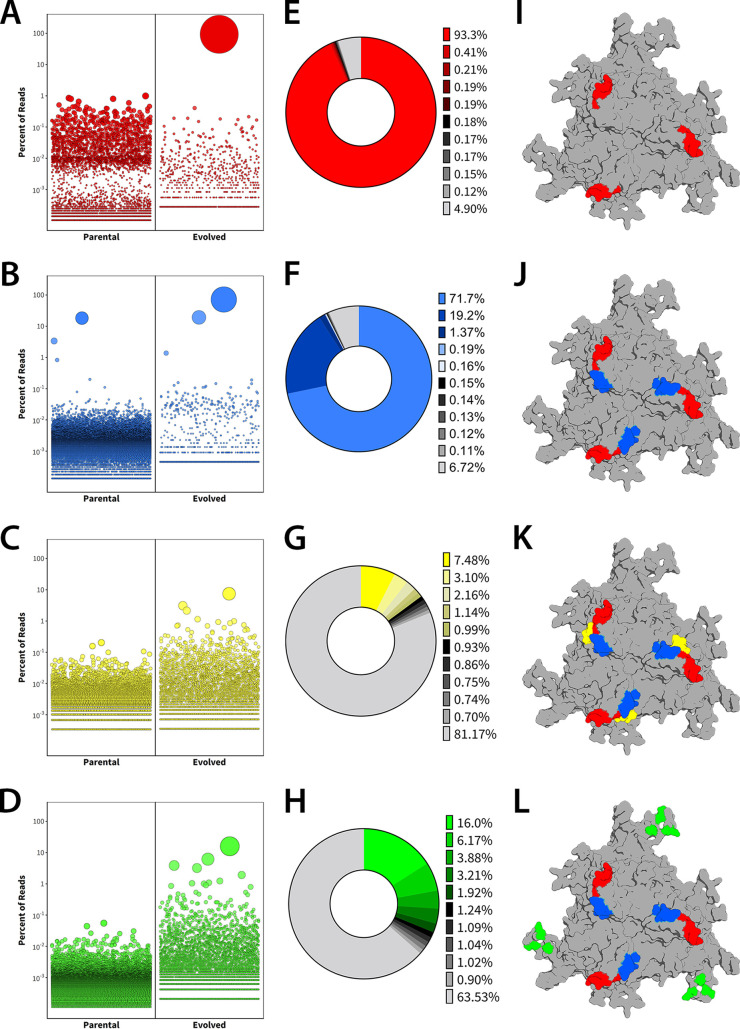
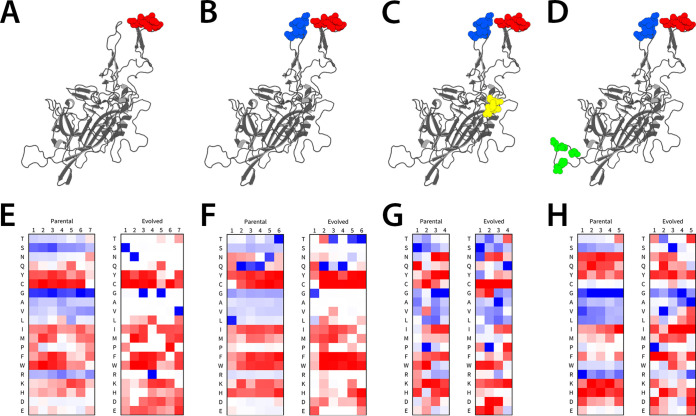
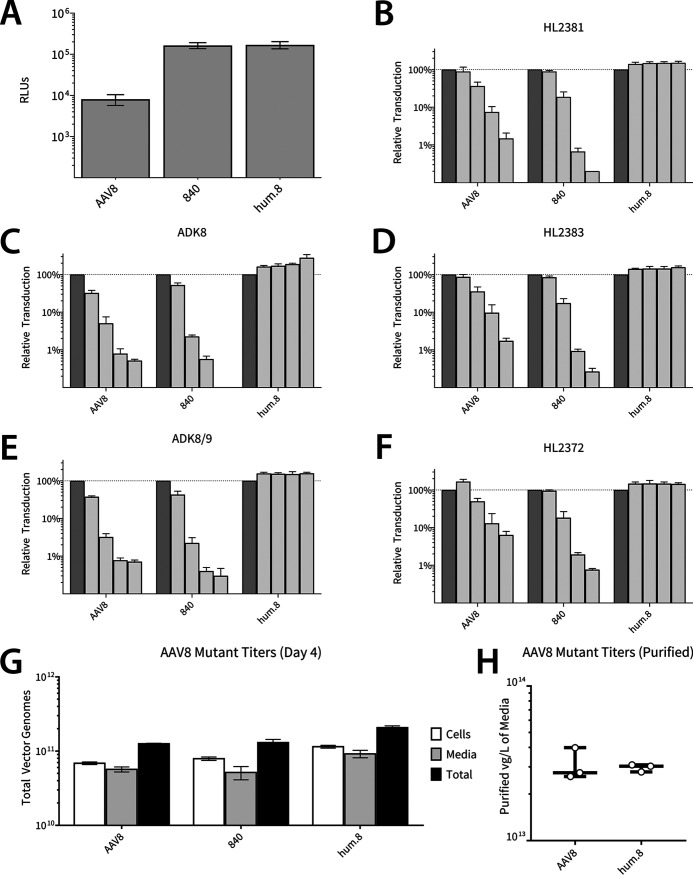
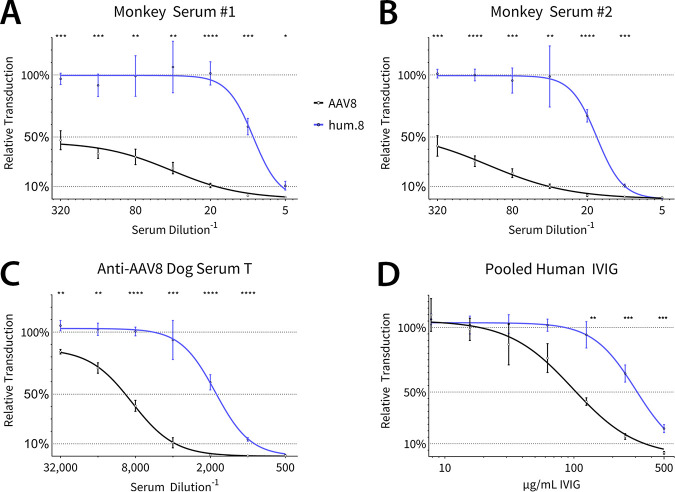
Adeno-associated viruses (AAV) are composed of nonenveloped, icosahedral protein shells that can be adapted to package and deliver recombinant therapeutic DNA. Approaches to engineer recombinant capsids for gene therapy applications have focused on rational design or library-based approaches that can address one or two desirable attributes; however, there is an unmet need to comprehensively improve AAV vector properties. Such cannot be achieved by utilizing sequence data alone but requires harnessing the three-dimensional (3D) structural properties of AAV capsids. Here, we solve the structures of a natural AAV isolate complexed with antibodies using cryo-electron microscopy and harness this structural information to engineer AAV capsid libraries through saturation mutagenesis of different antigenic footprints. Each surface loop was evolved by infectious cycling in the presence of a helper adenovirus to yield a new AAV variant that then serves as a template for evolving the next surface loop. This stepwise process yielded a humanized AAV8 capsid (AAVhum.8) displaying nonnatural surface loops that simultaneously display tropism for human hepatocytes, increased gene transfer efficiency, and neutralizing antibody evasion. Specifically, AAVhum.8 can better evade neutralizing antisera from multiple species than AAV8. Further, AAVhum.8 displays robust transduction in a human liver xenograft mouse model with expanded tropism for both murine and human hepatocytes. This work supports the hypothesis that critical properties, such as AAV capsid antibody evasion and tropism, can be coevolved by combining rational design and library-based evolution for clinical gene therapy. Clinical gene therapy with recombinant AAV vectors has largely relied on natural capsid isolates. There is an unmet need to comprehensively improve AAV tissue tropism, transduction efficiency, and antibody evasion. Such cannot be achieved by utilizing capsid sequence data alone but requires harnessing the 3D structural properties of AAV capsids. Here, we combine rational design and library-based evolution to coevolve multiple, desirable properties onto AAV by harnessing 3D structural information.
腺相关病毒(AAV)由无包膜的二十面体蛋白壳组成,可用于包装和递送重组治疗性 DNA。用于基因治疗应用的重组衣壳工程的方法侧重于理性设计或基于文库的方法,这些方法可以解决一两个理想的属性;然而,全面改善 AAV 载体特性的需求尚未得到满足。仅利用序列数据是无法实现这一目标的,而是需要利用 AAV 衣壳的三维(3D)结构特性。在这里,我们使用冷冻电子显微镜解析了与抗体复合的天然 AAV 分离株的结构,并利用该结构信息通过对不同抗原足迹进行饱和诱变来设计 AAV 衣壳文库。每个表面环都通过在辅助腺病毒存在下进行感染性循环进化而来,产生一种新的 AAV 变体,然后作为进化下一个表面环的模板。通过这种逐步过程,产生了一种具有非天然表面环的人源化 AAV8 衣壳(AAVhum.8),该衣壳同时显示对人肝细胞的嗜性、提高了基因转移效率和中和抗体逃逸能力。具体而言,与 AAV8 相比,AAVhum.8 可以更好地逃避来自多个物种的中和抗血清。此外,AAVhum.8 在人肝异种移植小鼠模型中显示出强大的转导能力,对小鼠和人肝细胞均具有扩展的嗜性。这项工作支持了这样一种假设,即通过将理性设计与文库进化相结合,可以共同进化 AAV 衣壳抗体逃逸和嗜性等关键特性,用于临床基因治疗。使用重组 AAV 载体的临床基因治疗在很大程度上依赖于天然衣壳分离株。全面提高 AAV 的组织嗜性、转导效率和抗体逃逸能力的需求尚未得到满足。仅利用衣壳序列数据是无法实现这一目标的,而是需要利用 AAV 衣壳的 3D 结构特性。在这里,我们通过利用 3D 结构信息,将理性设计与文库进化相结合,共同将多个理想特性进化到 AAV 上。