College of Veterinary Medicine, Nanjing Agricultural University, Nanjing 210095, Jiangsu Province, China; Institute of Nutritional and Metabolic Disorders in Domestic Animals and Fowls, Nanjing Agricultural University, Nanjing 210095, Jiangsu Province, China; MOE Joint International Research Laboratory of Animal Health and Food Safety, College of Veterinary Medicine, Nanjing Agricultural University, Nanjing 210095, Jiangsu Province, China.
College of Animal Science and Technology, Jilin Agricultural University, Changchun 130118, Jilin Province, China.
Environ Int. 2020 Oct;143:105949. doi: 10.1016/j.envint.2020.105949. Epub 2020 Jul 13.
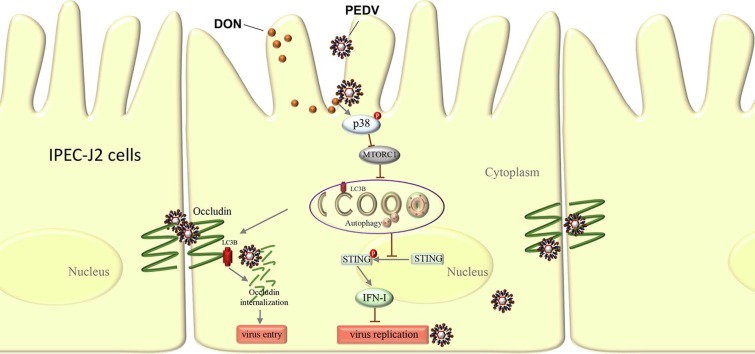
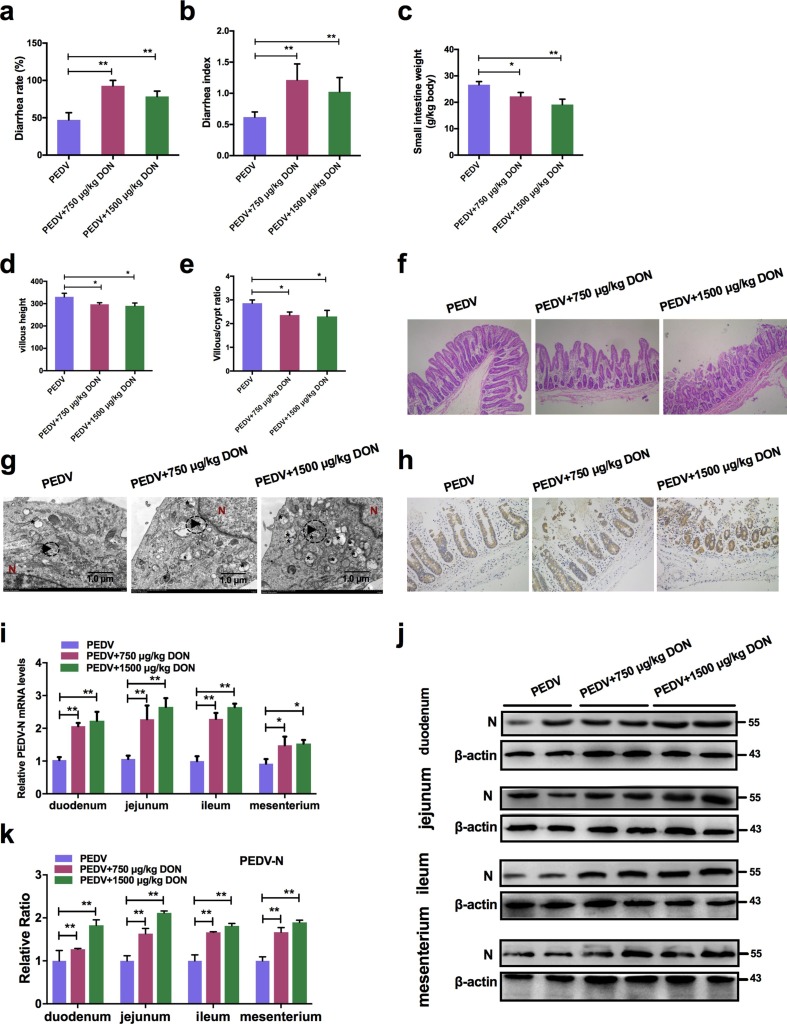
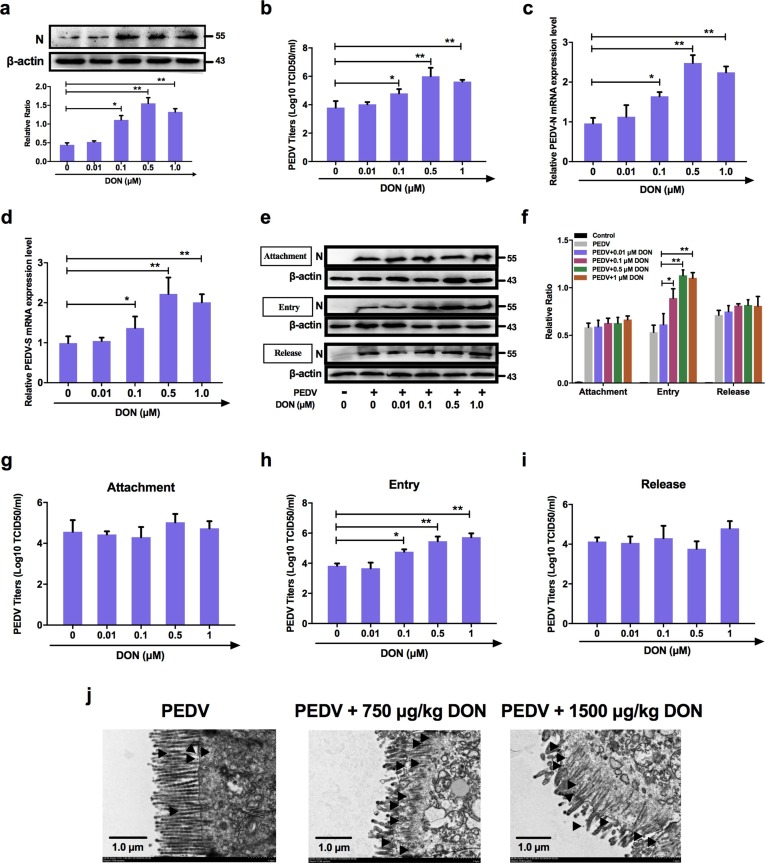
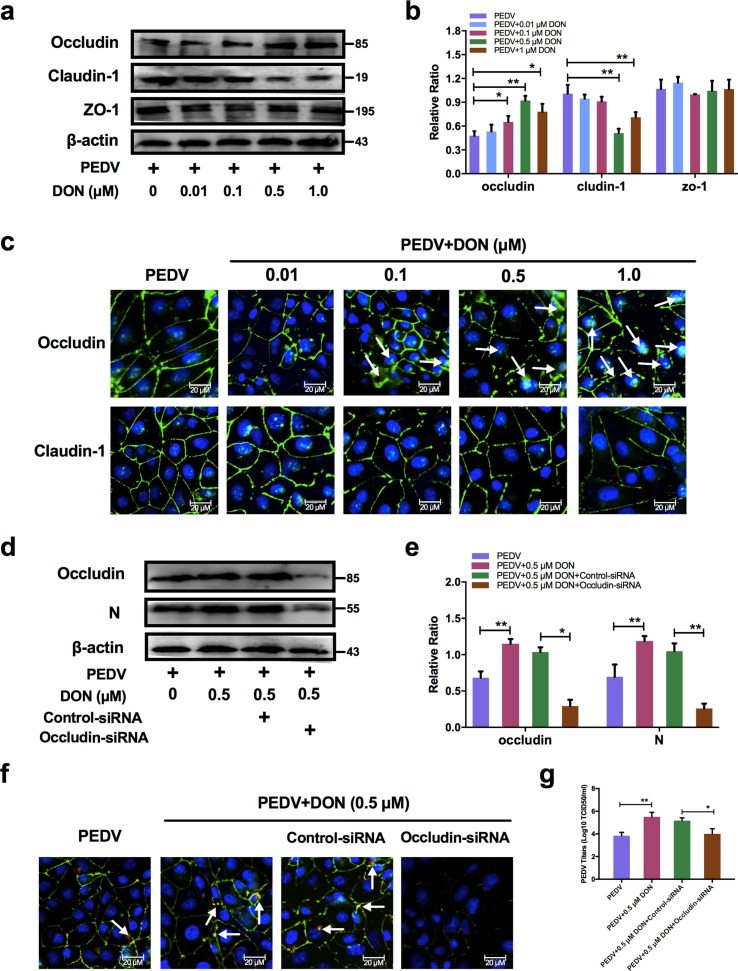
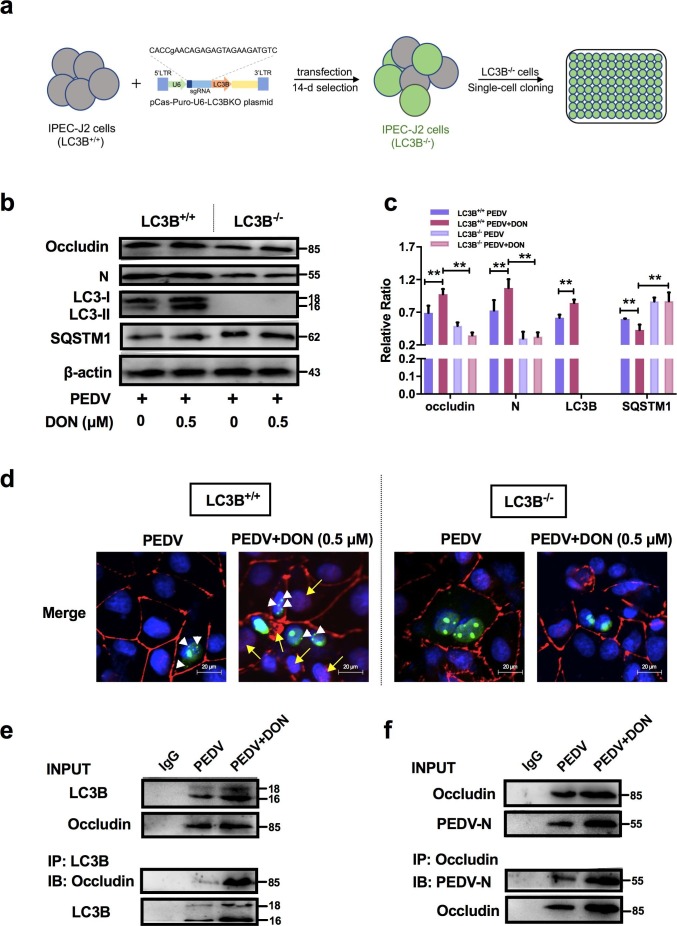
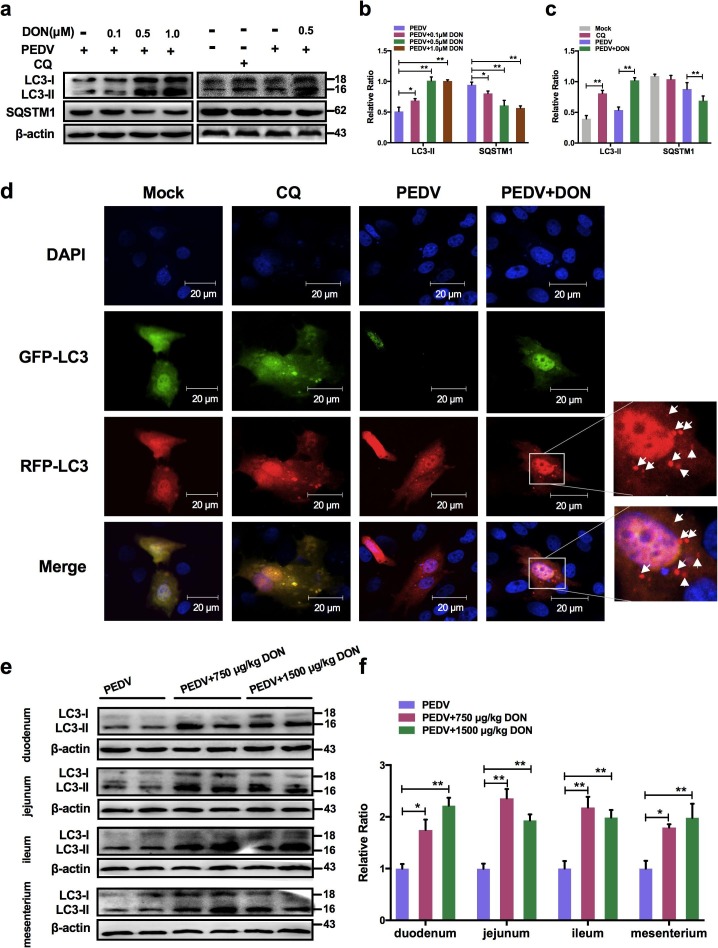
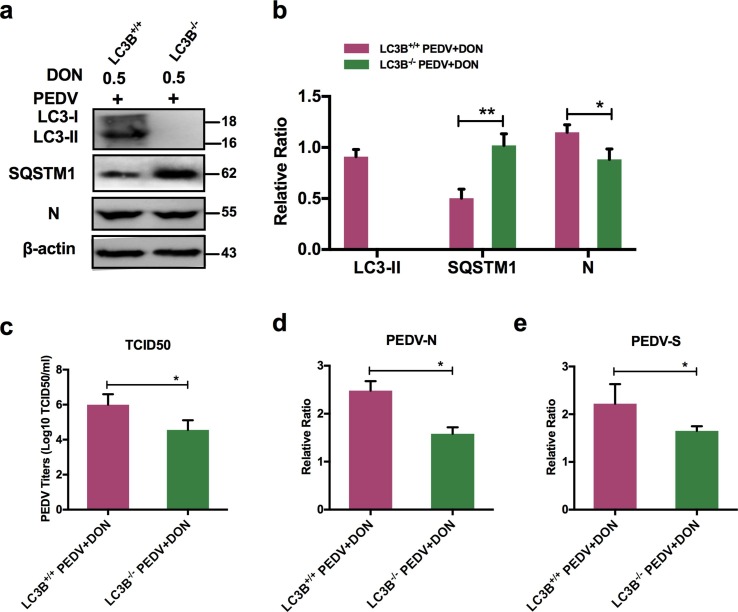
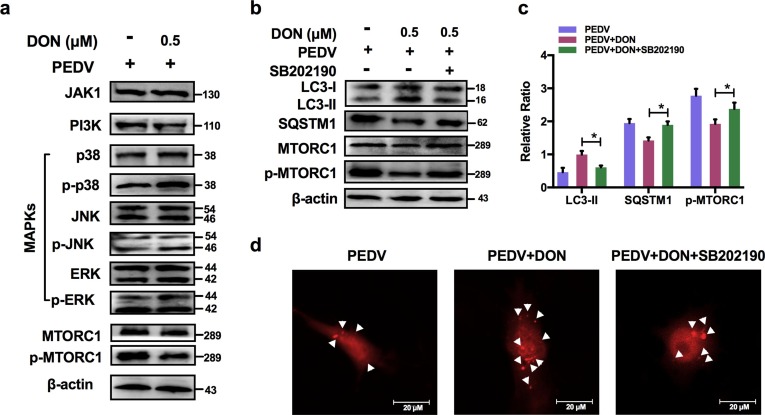
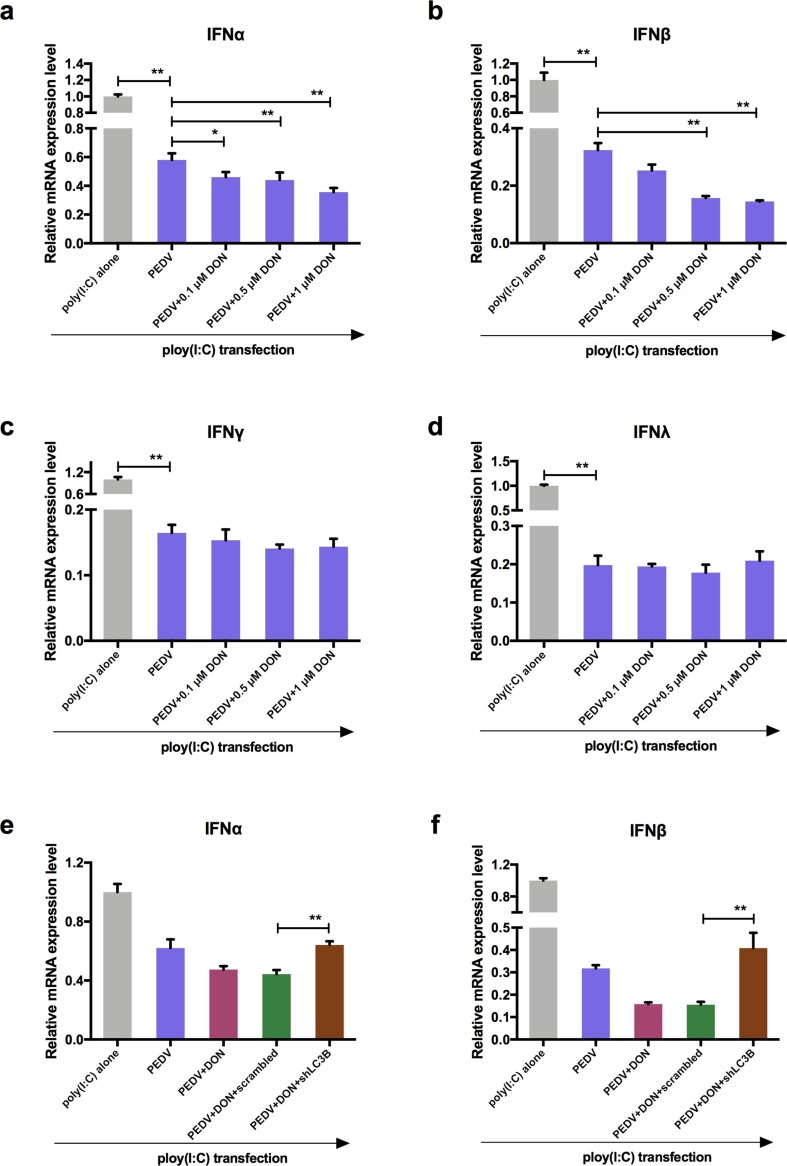
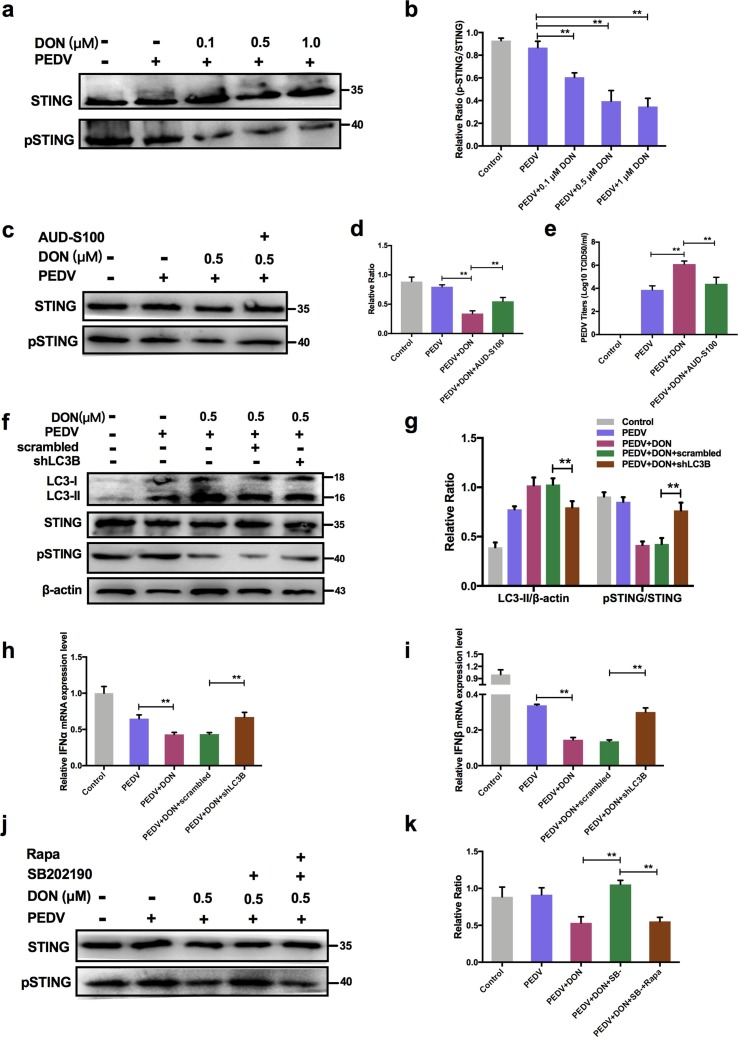
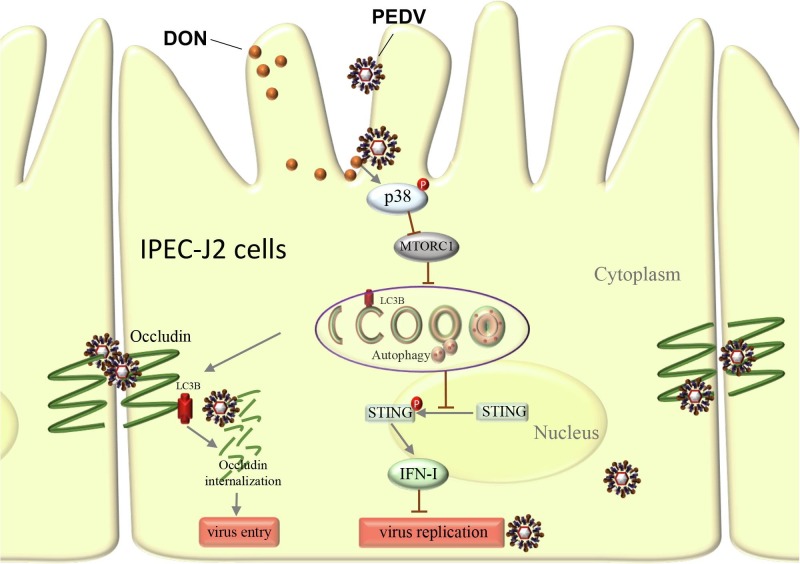
Mycotoxins are toxic metabolites produced by fungal species that commonly present in the global environment, especially in cereals and animal forages. The changing global environment may further increase the exposure to these toxins, posing a serious threat to humans and animals. Recently, coronavirus has become one of the most important pathogens threatening human and animal health. It is not clear whether environmental toxins, such as mycotoxins, will affect coronavirus infection. Given that pigs are among the animals most affected by coronavirus and highly homologous to humans, weaned piglets and IPEC-J2 cells were respectively chosen as in vivo and in vitro model to explore the impacts of deoxynivalenol (DON), the most abundant trichothecene mycotoxin in feed, on porcine epidemic diarrhea virus (PEDV) infection and the mechanisms involved. In vivo, twenty-seven piglets infected naturally with PEDV were randomly divided into three groups, receiving the basal diet containing 0, 750 and 1500 μg/kg DON, respectively. Significant increases in the diarrhea rates, gut barrier injury and PEDV proliferation of piglets' small intestine were observed in experimental groups compared with the control. Additionally, the autophagosome-like vesicles and the autophagy-related proteins expression were also increased in experimental groups. In vitro, we observed that 0.1, 0.5 and 1.0 μM DON significantly promoted the entry and replication of PEDV in IPEC-J2 cells, along with the induction of a complete autophagy. CRISPR-Cas9-mediated knockout of LC3B indicated a vital role of autophagy in the promotion. Pretreatment with p38 signaling inhibitor could significantly block the induction of autophagy, indicating that DON could promote the PEDV infection by triggering p38-mediated autophagy. Our findings suggest that mycotoxin could influence the prevalence of coronavirus and provide new ideas for the prevention and control of coronavirus.
真菌毒素是真菌产生的有毒代谢物,广泛存在于全球环境中,尤其是在谷物和动物饲料中。不断变化的全球环境可能会进一步增加人们对这些毒素的暴露,对人类和动物构成严重威胁。最近,冠状病毒已成为威胁人类和动物健康的最重要病原体之一。目前尚不清楚环境毒素(如真菌毒素)是否会影响冠状病毒感染。鉴于猪是受冠状病毒影响最严重的动物之一,且与人类高度同源,我们选择断奶仔猪和 IPEC-J2 细胞分别作为体内和体外模型,以研究最丰富的饲料中麦角生物碱脱氧雪腐镰刀菌烯醇(DON)对猪流行性腹泻病毒(PEDV)感染的影响及其相关机制。在体内,27 头自然感染 PEDV 的仔猪被随机分为三组,分别接受基础日粮,其中 DON 含量分别为 0、750 和 1500μg/kg。与对照组相比,实验组仔猪腹泻率、肠道屏障损伤和 PEDV 在小肠内的增殖均显著增加。此外,实验组自噬体样小泡和自噬相关蛋白的表达也增加。在体外,我们观察到 0.1、0.5 和 1.0μM DON 可显著促进 PEDV 在 IPEC-J2 细胞中的进入和复制,并诱导完全自噬。CRISPR-Cas9 介导的 LC3B 敲除表明自噬在促进病毒进入中起关键作用。p38 信号通路抑制剂预处理可显著阻断自噬的诱导,表明 DON 可通过触发 p38 介导的自噬促进 PEDV 感染。我们的研究结果表明,真菌毒素可能会影响冠状病毒的流行,并为冠状病毒的防控提供新的思路。