Jiangsu Key Laboratory for Molecular and Medical Biotechnology, Nanjing Normal University, 1 WenYuan Road, Nanjing, 210023, China.
Department of Infectious Disease, Nanjing Liuhe District People's Hospital, Yangzhou University, Nanjing, 211500, China.
Free Radic Biol Med. 2020 Oct;158:60-73. doi: 10.1016/j.freeradbiomed.2020.06.027. Epub 2020 Jul 15.
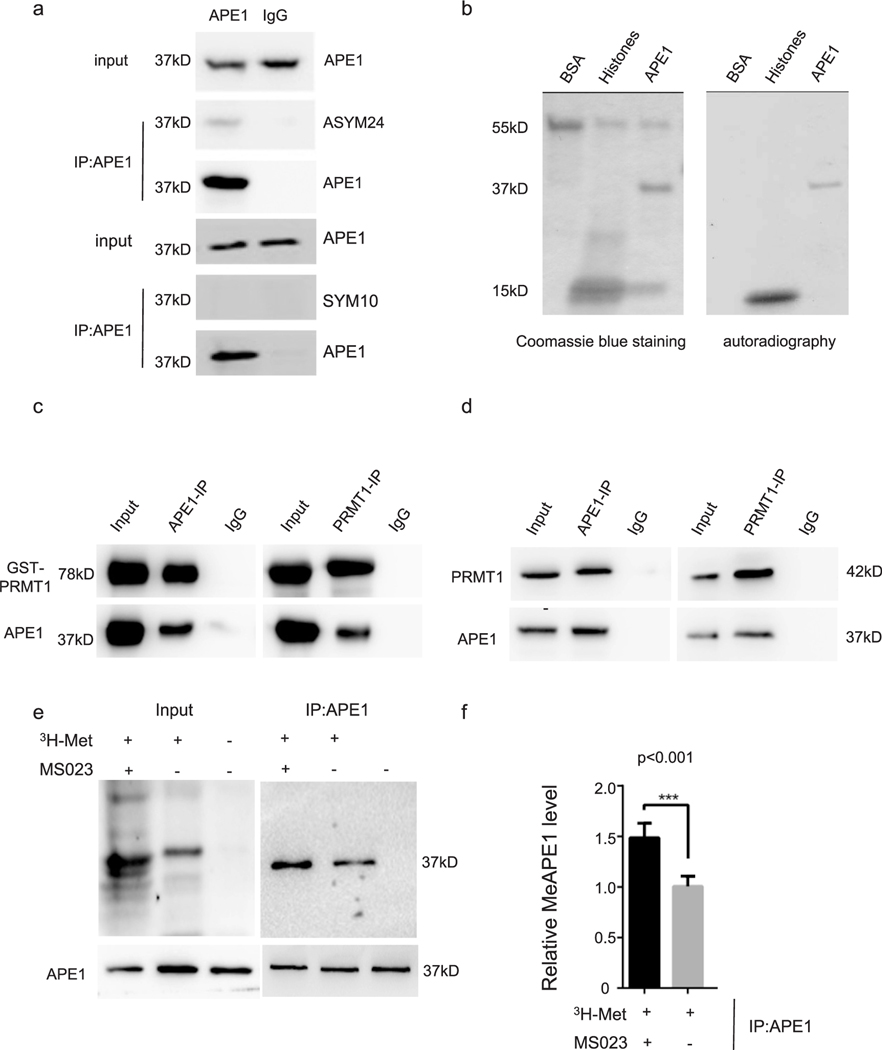
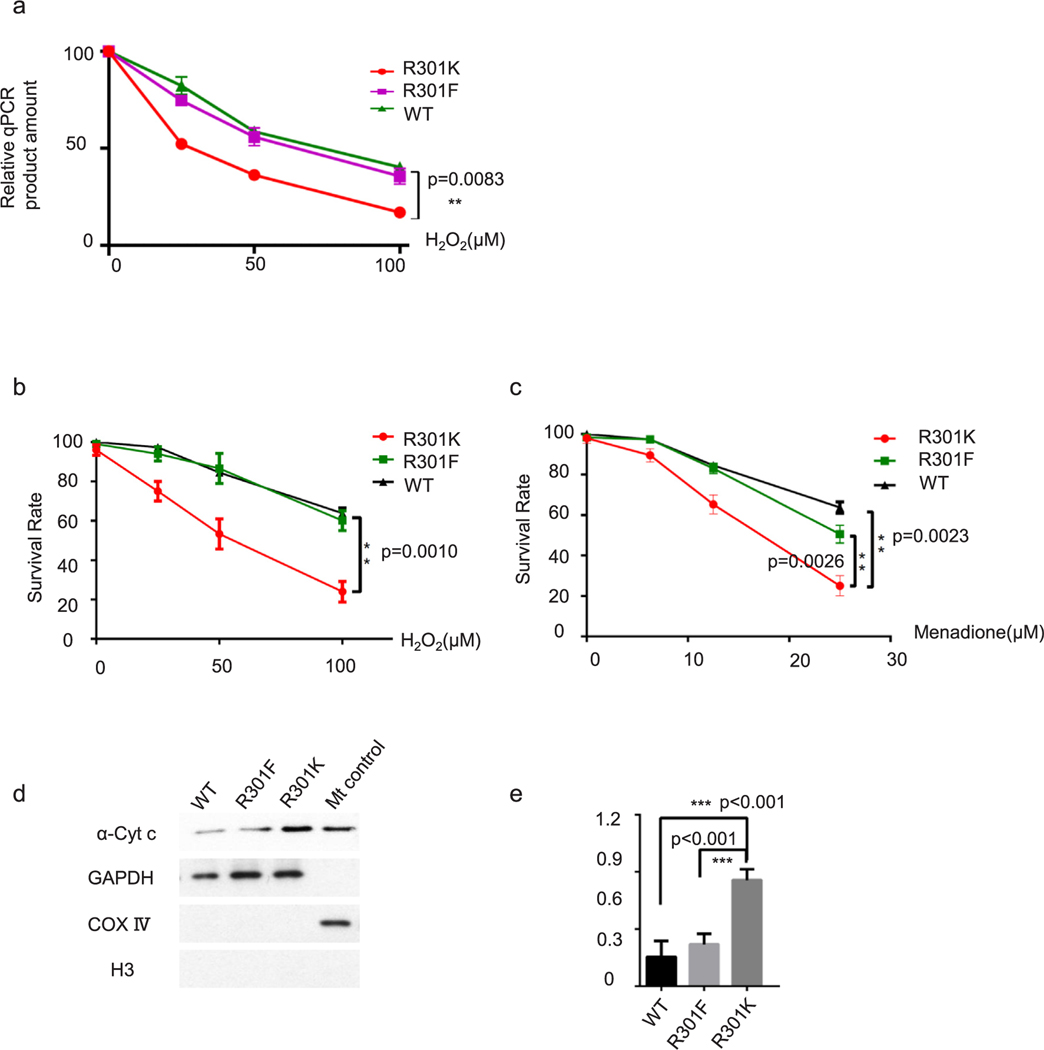
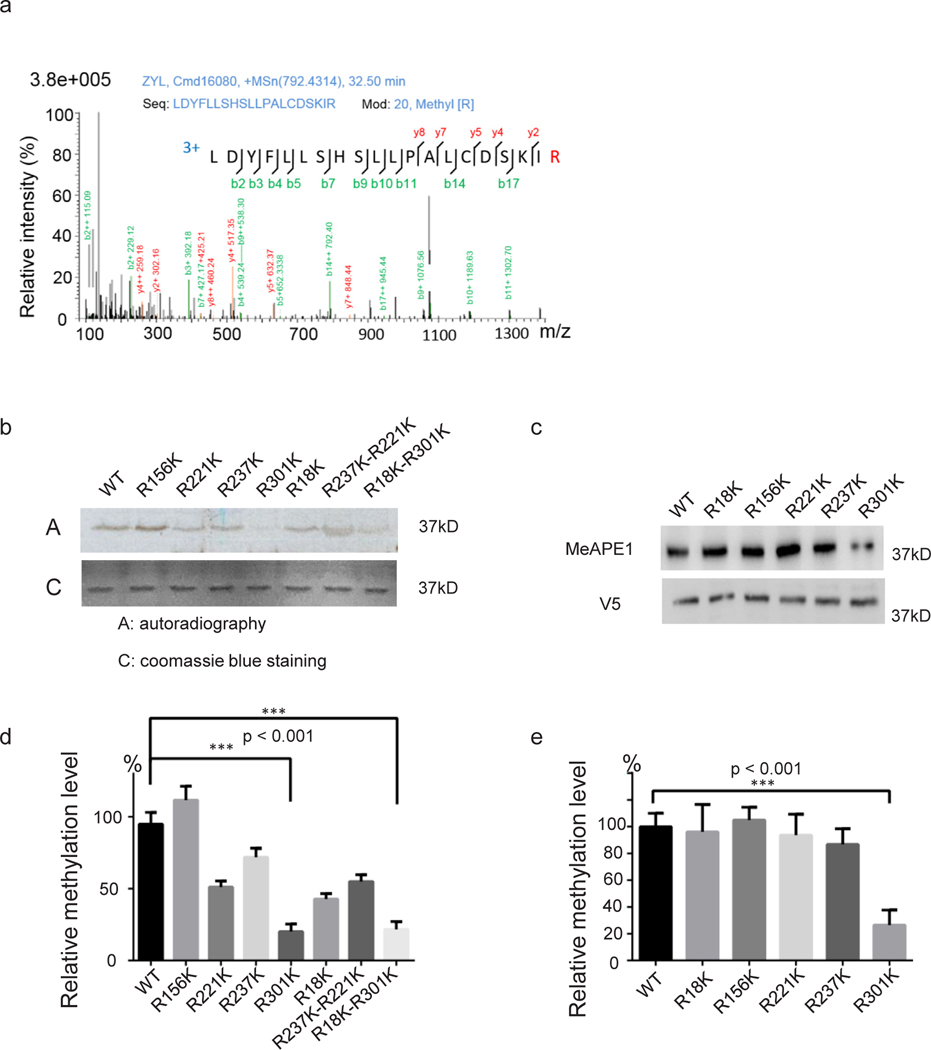
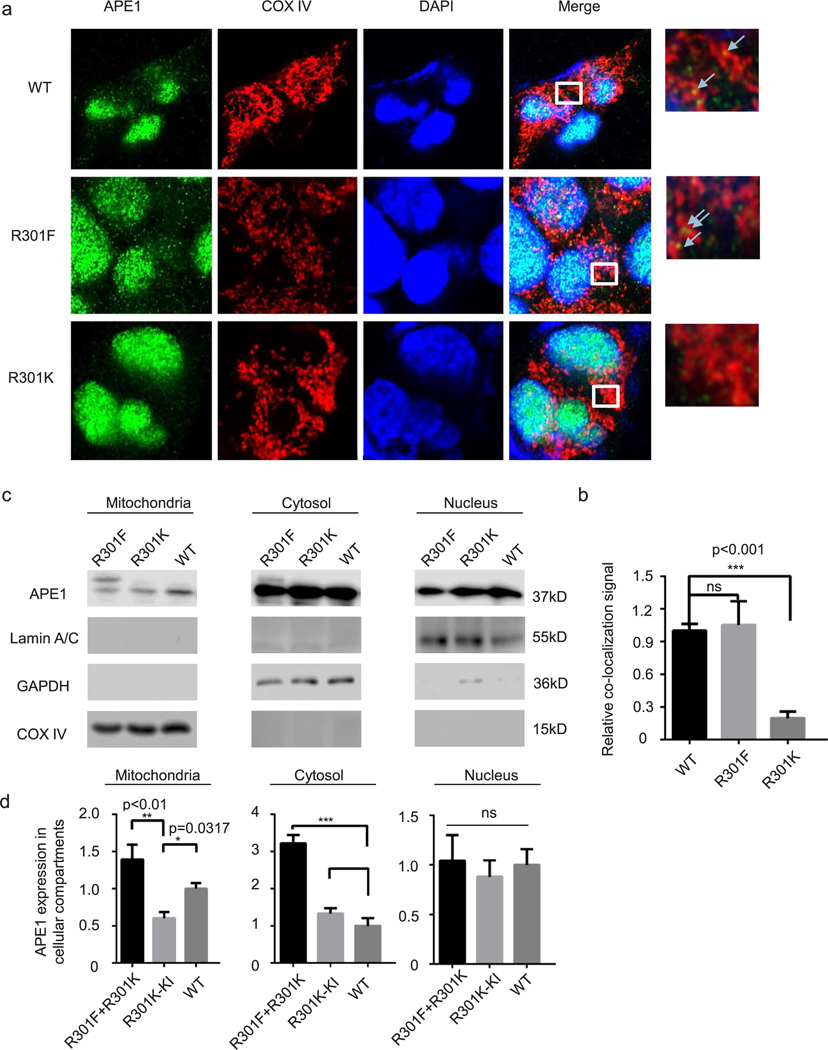
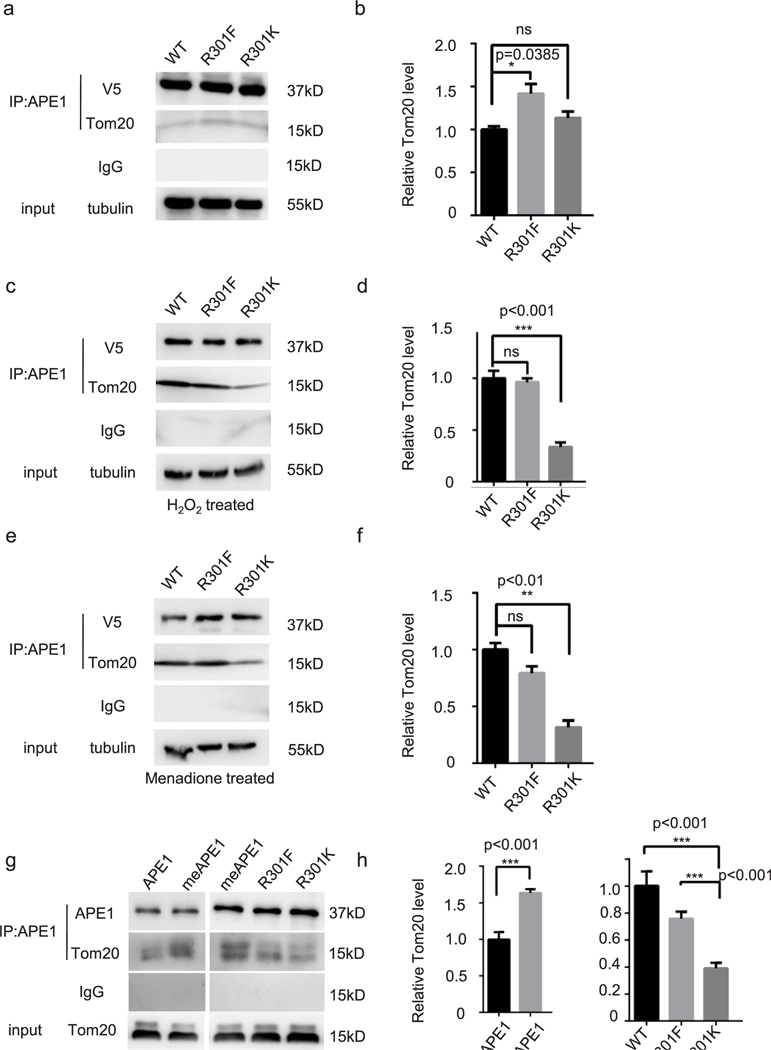
Apurinic/apyrimidinic endonuclease 1 (APE1) is an essential multifunctional protein in mammals that plays critical roles in DNA repair and redox signaling within the cell. Impaired APE1 function or dysregulation is associated with disease susceptibility and poor cancer prognosis. Orchestrated regulatory mechanisms are crucial to ensure its function in a specific subcellular location at specific time. Here, we report arginine methylation as a post-translational modification (PTM) that regulates APE1 translocation to mitochondria in HeLa and HEK-293 cells. Protein arginine methyl-transferase 1 (PRMT1) was shown to methylate APE1 in vitro. Site-directed mutagenesis identified R301 as the major methylation site. We confirmed that APE1 is methylated in cells and that the R301K mutation significantly reduces its methylation. Baseline mitochondrial APE1 levels were low under standard culture conditions, but they could be induced by oxidative agents. Methylation-deficient APE1 showed reduced mitochondrial translocation. Methylation affected the interaction of APE1 with Tom20, translocase of the outer mitochondrial membrane. Methylation-deficient APE1 resulted in increased mitochondrial DNA damage and increased cytochrome c release after stimuli. These data suggest that methylation of APE1 promotes its mitochondrial translocation and protects cells from oxidative damage. This work describes a novel PTM regulation model of APE1 subcellular distribution through arginine methylation.
脱嘌呤/脱嘧啶核酸内切酶 1(APE1)是哺乳动物中一种必需的多功能蛋白,在细胞内的 DNA 修复和氧化还原信号转导中发挥着关键作用。APE1 功能受损或失调与疾病易感性和癌症预后不良有关。协调的调节机制对于确保其在特定亚细胞位置和特定时间发挥功能至关重要。在这里,我们报告精氨酸甲基化是一种翻译后修饰(PTM),可调节 HeLa 和 HEK-293 细胞中 APE1 向线粒体的易位。蛋白精氨酸甲基转移酶 1(PRMT1)被证明可以在体外甲基化 APE1。定点突变鉴定出 R301 是主要的甲基化位点。我们证实 APE1 在细胞中被甲基化,并且 R301K 突变显著降低了其甲基化。在标准培养条件下,基础线粒体 APE1 水平较低,但可以被氧化应激剂诱导。缺乏甲基化的 APE1 显示线粒体易位减少。甲基化影响 APE1 与 Tom20(外膜线粒体转位酶)的相互作用。缺乏甲基化的 APE1 导致刺激后线粒体 DNA 损伤增加和细胞色素 c 释放增加。这些数据表明,APE1 的甲基化促进其向线粒体的易位,并保护细胞免受氧化损伤。这项工作描述了一种通过精氨酸甲基化调节 APE1 亚细胞分布的新型 PTM 调节模型。