Wei Shenyu, Lu Jiahua, Lou Jianying, Shi Chengwei, Mo Shaowei, Shao Yaojian, Ni Junjie, Zhang Wu, Cheng Xiangdong
Department of First Clinical Medical College, Zhejiang Chinese Medical University, Hangzhou, China.
Division of Hepatobiliary and Pancreatic Surgery, Department of Surgery, First Affiliated Hospital, School of Medicine, Zhejiang University, Hangzhou, China.
Front Genet. 2020 Jun 30;11:663. doi: 10.3389/fgene.2020.00663. eCollection 2020.
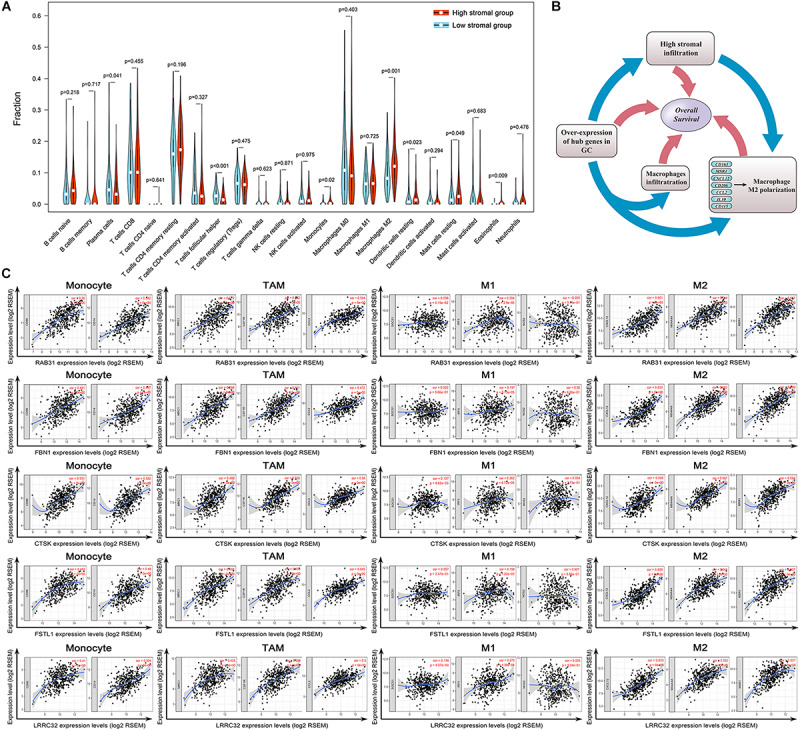
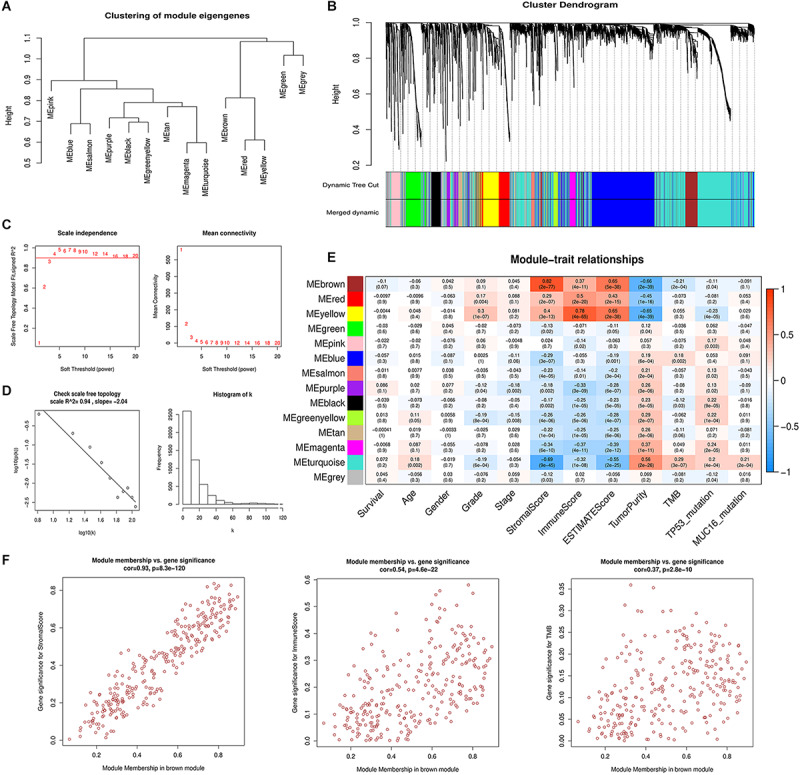
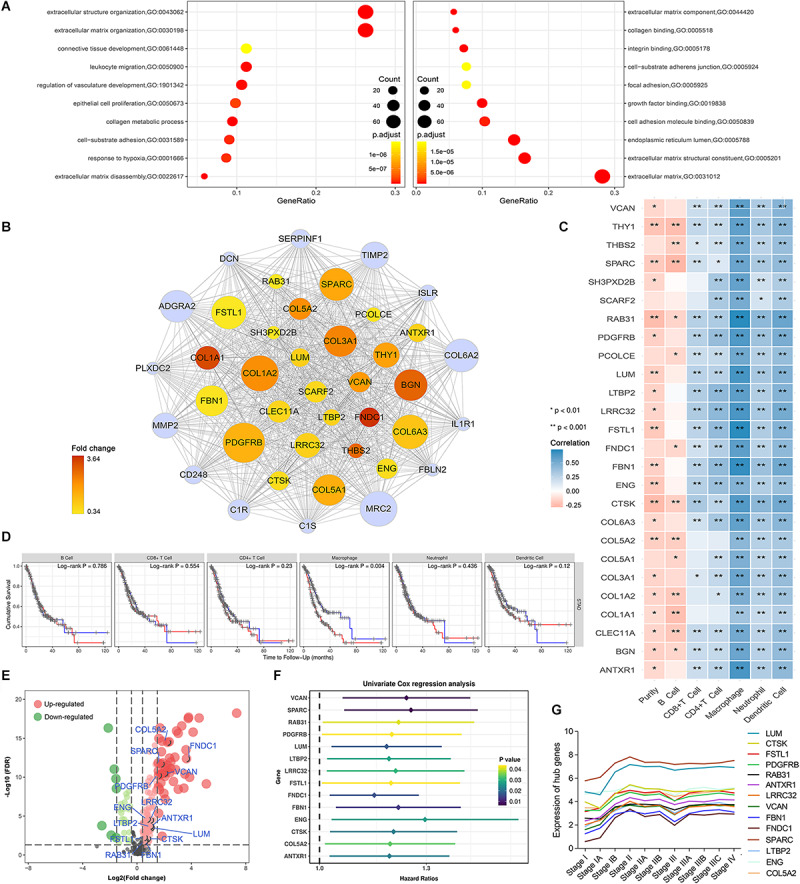
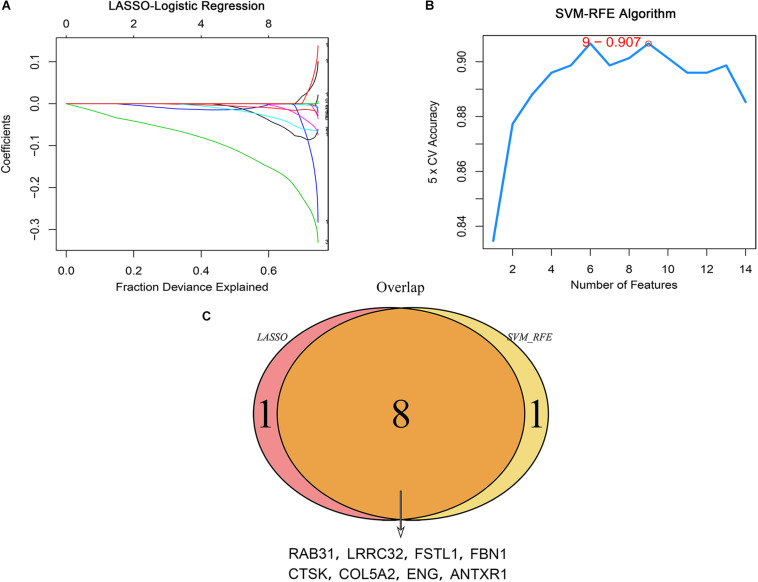
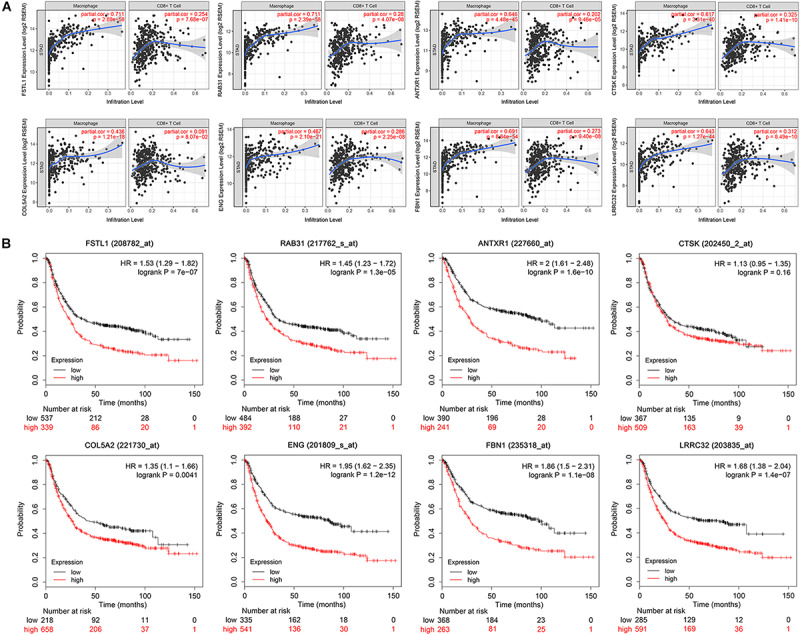
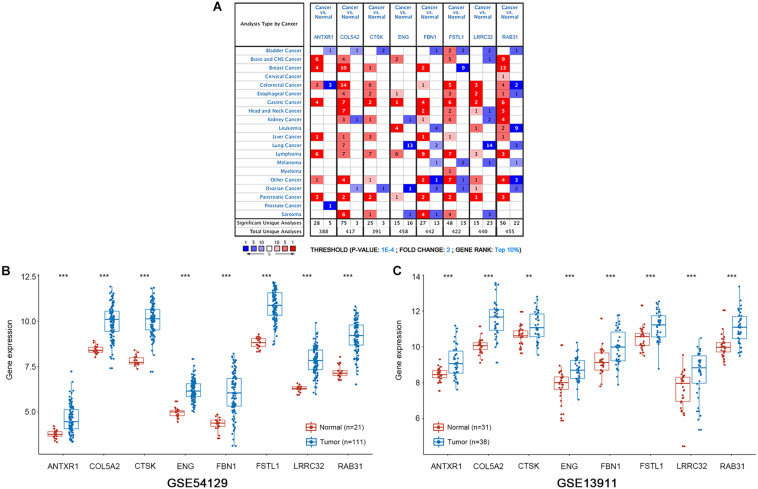
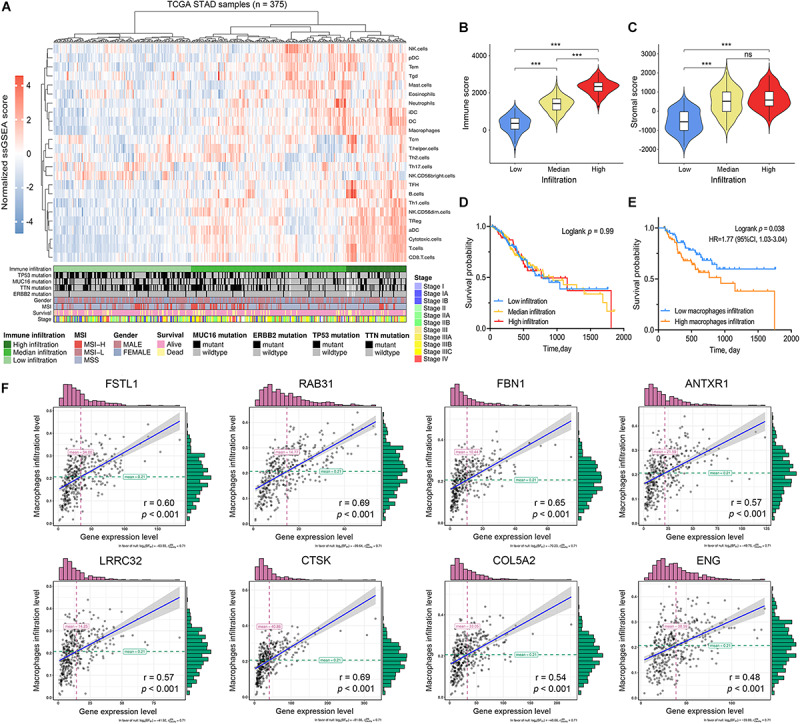
The tumor microenvironment (TME) has attracted attention owing to its essential role in tumor initiation, progression, and metastasis. With the emergence of immunotherapies for various cancers, and their high efficacy, an understanding of the TME in gastric cancer (GC) is critical. The aim of this study was to investigate the effect of various components within the GC TME, and to identify mechanisms that exhibit potential as therapeutic targets. The ESTIMATE algorithm was used to quantify immune and stromal components in GC samples, whose clinicopathological significance and relationship with predicted outcomes were explored. Low tumor mutational burden and high M2 macrophage infiltration, which are considered immune suppressive characteristics and may be responsible for unfavorable prognoses in GC, were observed in the high stromal group (HR = 1.585; 95% CI, 1.112-2.259; = 0.009). Furthermore, weighted correlation network, differential expression, and univariate Cox analyses were used, along with machine learning methods (LASSO and SVM-RFE), to reveal genome-wide immune phenotypic correlations. Eight stromal-relevant genes cluster (, and ) were identified as adverse prognostic factors in GC. Finally, using a combination of TIMER database and single-sample gene set enrichment analyses, we found that the identified genes potentially contribute to macrophage recruitment and polarization of tumor-associated macrophages. These findings provide a different perspective into the immune microenvironment and indicate potential prognostic and therapeutic targets for GC immunotherapies.
肿瘤微环境(TME)因其在肿瘤发生、发展和转移中的关键作用而备受关注。随着各种癌症免疫疗法的出现及其高效性,了解胃癌(GC)中的TME至关重要。本研究的目的是探讨GC TME内各种成分的作用,并确定具有作为治疗靶点潜力的机制。使用ESTIMATE算法对GC样本中的免疫和基质成分进行量化,并探讨其临床病理意义以及与预测结果的关系。在高基质组中观察到低肿瘤突变负荷和高M2巨噬细胞浸润,这些被认为是免疫抑制特征,可能是GC预后不良的原因(HR = 1.585;95% CI,1.112 - 2.259;P = 0.009)。此外,使用加权相关网络、差异表达和单变量Cox分析,以及机器学习方法(LASSO和SVM - RFE)来揭示全基因组免疫表型相关性。八个与基质相关的基因簇(……和……)被确定为GC的不良预后因素。最后,通过结合TIMER数据库和单样本基因集富集分析,我们发现所鉴定的基因可能有助于巨噬细胞招募和肿瘤相关巨噬细胞的极化。这些发现为免疫微环境提供了不同的视角,并指出了GC免疫疗法潜在的预后和治疗靶点。