Department of Microbiology and Molecular Genetics, University of Pittsburgh School of Medicine, Pittsburgh, Pennsylvania, USA.
Department of Biological Sciences, Duquesne University, Pittsburgh, Pennsylvania, USA.
J Virol. 2020 Sep 15;94(19). doi: 10.1128/JVI.00974-20.
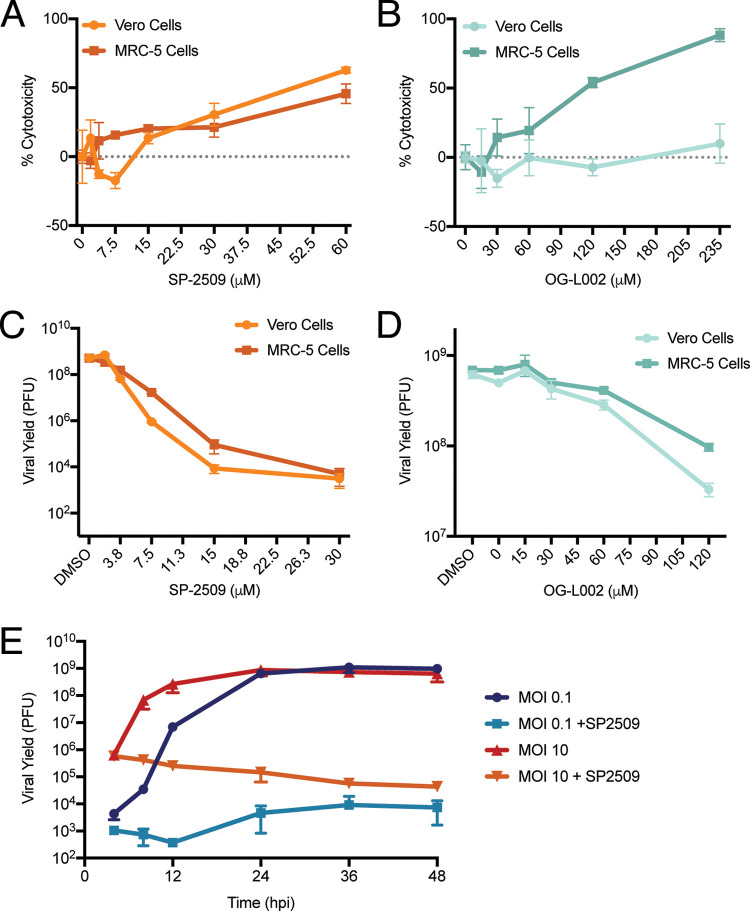
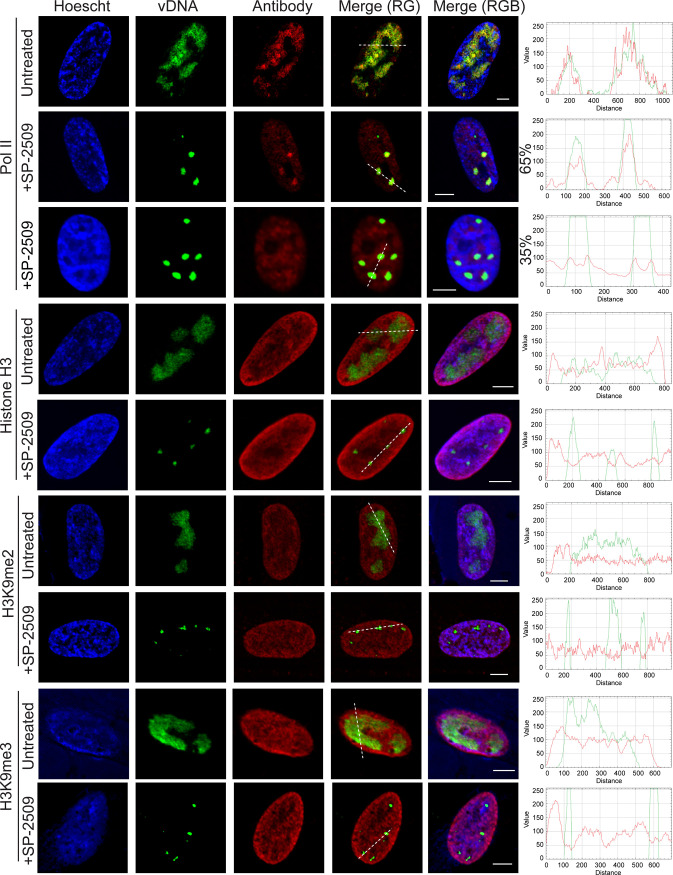
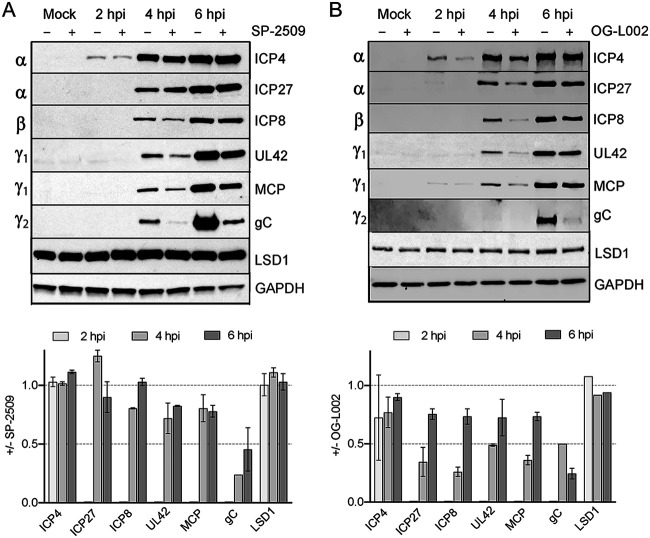
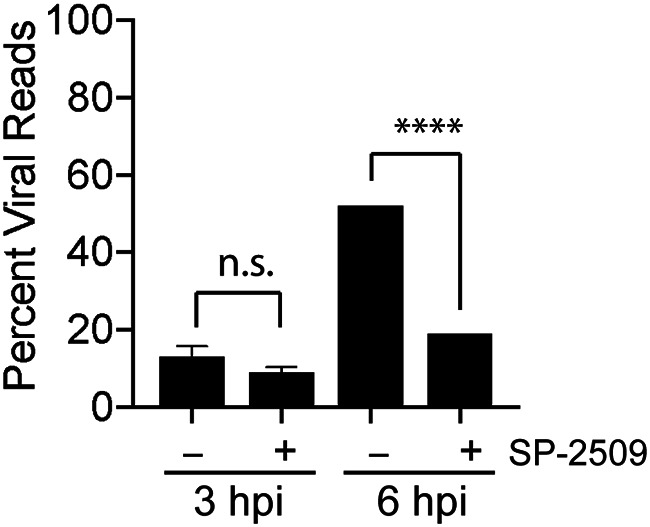
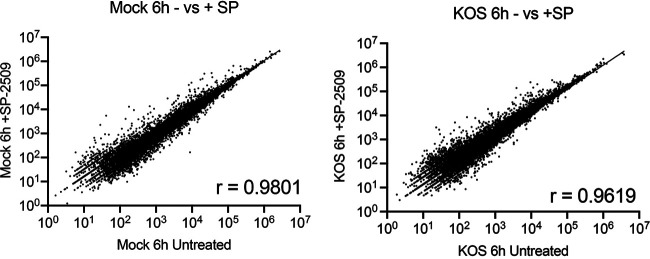
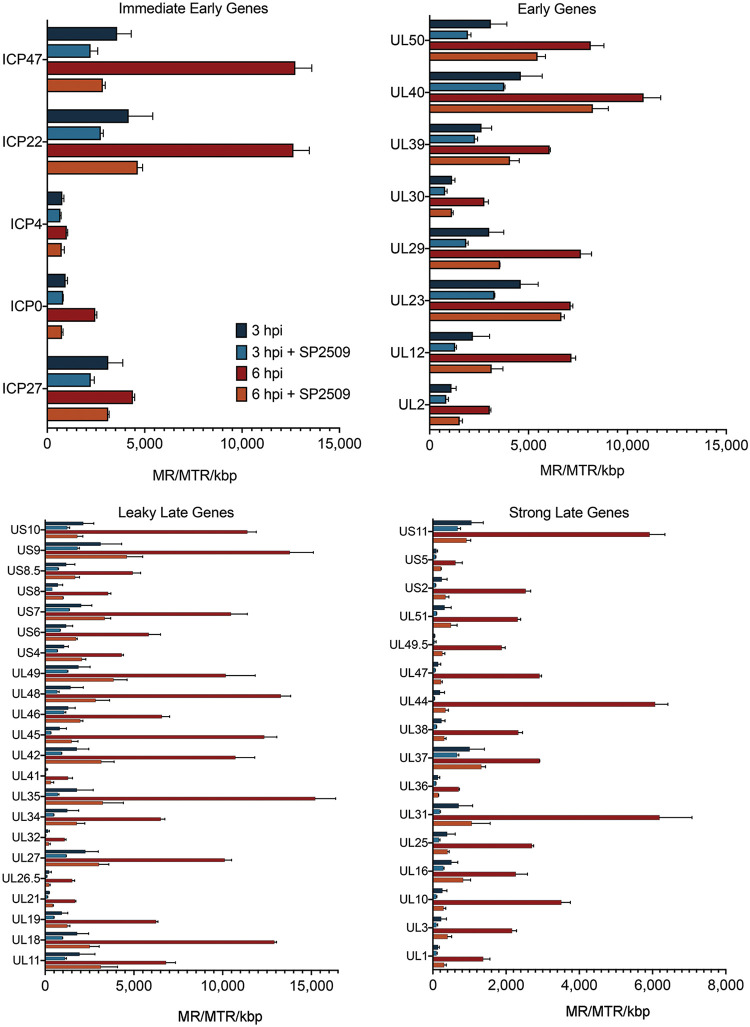
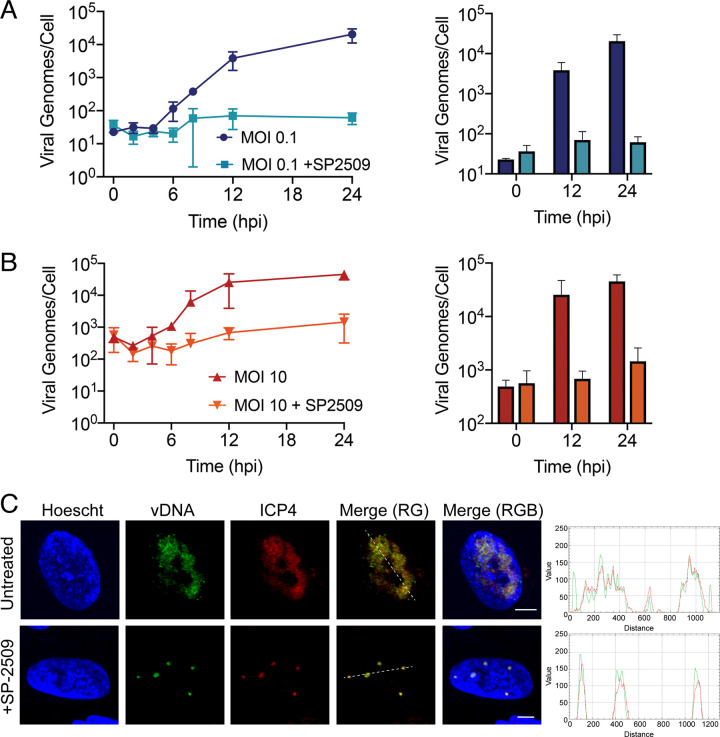
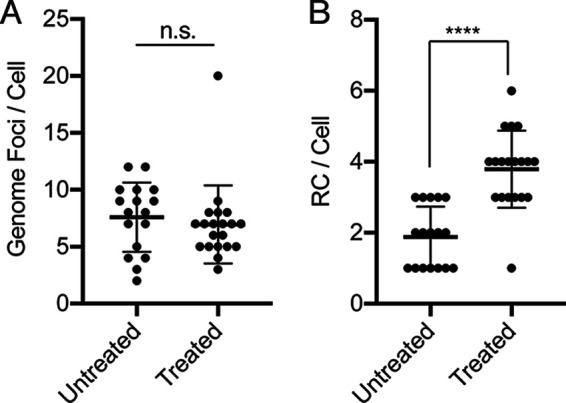
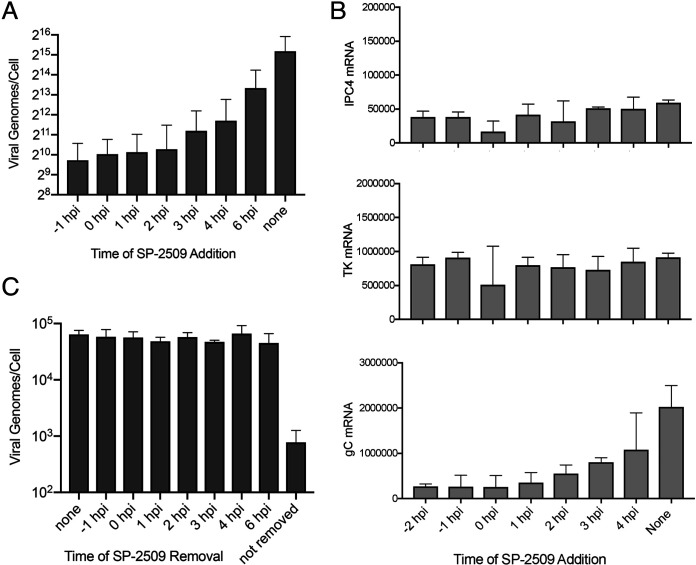
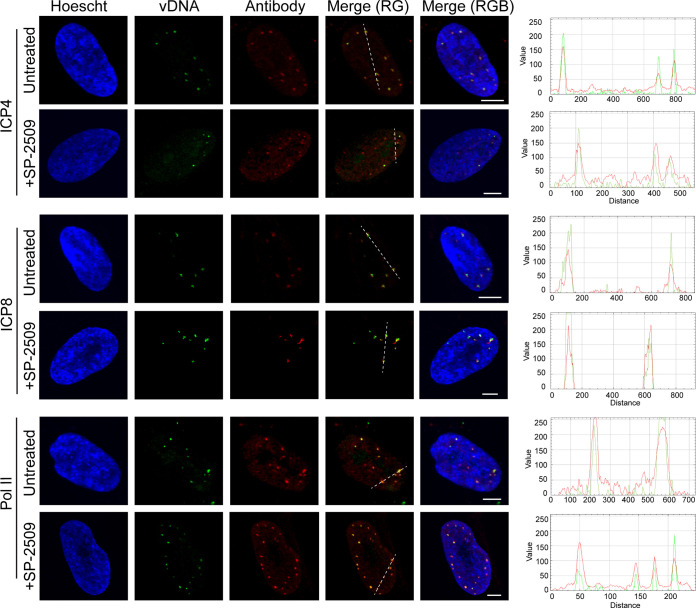
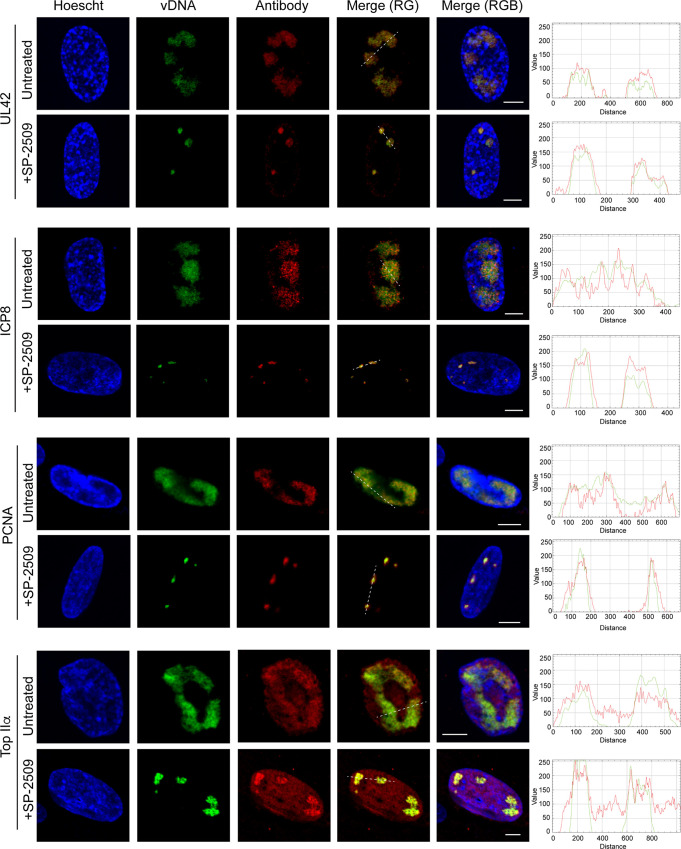
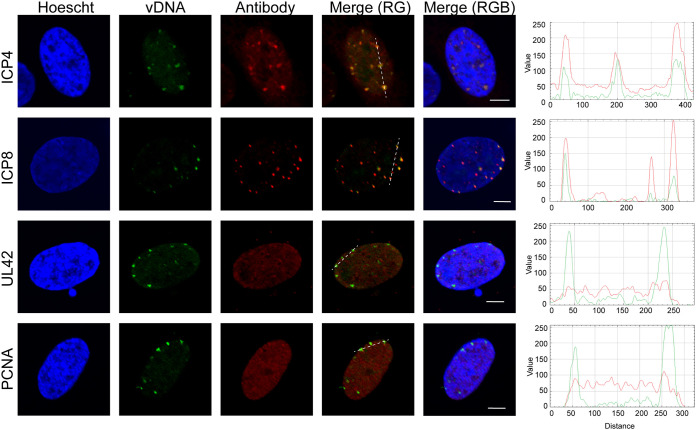
Lysine-specific demethylase 1 (LSD1) targets cellular proteins, including histone H3, p53, E2F, and Dnmt1, and is involved in the regulation of gene expression, DNA replication, the cell cycle, and the DNA damage response. LSD1 catalyzes demethylation of histone H3K9 associated with herpes simplex virus 1 (HSV-1) immediate early (IE) promoters and is necessary for IE gene expression, viral DNA replication, and reactivation from latency. We previously found that LSD1 associates with HSV-1 replication forks and replicating viral DNA, suggesting that it may play a direct role in viral replication or coupled processes. We investigated the effects of the LSD1 inhibitor SP-2509 on the HSV-1 life cycle. Unlike previously investigated LSD1 inhibitors tranylcypromine (TCP) and OG-L002, which covalently attach to the LSD1 cofactor flavin adenine dinucleotide (FAD) to inhibit demethylase activity, SP-2509 has previously been shown to inhibit LSD1 protein-protein interactions. We found that SP-2509 does not inhibit HSV-1 IE gene expression or transcription factor and RNA polymerase II (Pol II) association with viral DNA prior to the onset of replication. However, SP-2509 does inhibit viral DNA replication, late gene expression, and virus production. We used EdC labeling of nascent viral DNA to image aberrant viral replication compartments that form in the presence of SP-2509. Treatment resulted in the formation of small replication foci that colocalize with replication proteins but are defective for Pol II recruitment. Taken together, these data highlight a potential new role for LSD1 in the regulation of HSV-1 DNA replication and gene expression after the onset of DNA replication. Treatment of HSV-1-infected cells with SP-2509 blocked viral DNA replication, gene expression after the onset of DNA replication, and virus production. These data support a potential new role for LSD1 in the regulation of viral DNA replication and successive steps in the virus life cycle, and further highlight the promising potential to utilize LSD1 inhibition as an antiviral approach.
赖氨酸特异性脱甲基酶 1(LSD1)靶向细胞蛋白,包括组蛋白 H3、p53、E2F 和 Dnmt1,并参与基因表达、DNA 复制、细胞周期和 DNA 损伤反应的调控。LSD1 催化与单纯疱疹病毒 1(HSV-1)立即早期(IE)启动子相关的组蛋白 H3K9 的去甲基化,对于 IE 基因表达、病毒 DNA 复制和潜伏状态的重新激活是必要的。我们之前发现 LSD1 与 HSV-1 复制叉和复制的病毒 DNA 结合,表明它可能在病毒复制或偶联过程中发挥直接作用。我们研究了 LSD1 抑制剂 SP-2509 对 HSV-1 生命周期的影响。与先前研究的 LSD1 抑制剂曲安西龙(TCP)和 OG-L002 不同,它们通过与 LSD1 辅助因子黄素腺嘌呤二核苷酸(FAD)共价结合来抑制去甲基酶活性,SP-2509 先前已被证明可以抑制 LSD1 蛋白-蛋白相互作用。我们发现 SP-2509 不会抑制 HSV-1 IE 基因表达或转录因子和 RNA 聚合酶 II(Pol II)与病毒 DNA 的结合,直到复制开始。然而,SP-2509 确实抑制病毒 DNA 复制、晚期基因表达和病毒产生。我们使用 EdC 标记新生病毒 DNA 来成像在 SP-2509 存在下形成的异常病毒复制隔间。处理导致小复制焦点的形成,这些焦点与复制蛋白共定位,但缺乏 Pol II 的募集。综上所述,这些数据突出了 LSD1 在 HSV-1 DNA 复制和复制开始后基因表达调控中的潜在新作用。用 SP-2509 处理感染 HSV-1 的细胞可阻断病毒 DNA 复制、复制开始后的基因表达和病毒产生。这些数据支持 LSD1 在病毒 DNA 复制和病毒生命周期的后续步骤中的调节作用的新作用,并进一步强调了利用 LSD1 抑制作为抗病毒方法的潜在潜力。