Dr. B. R. Ambedkar Center for Biomedical Research, University of Delhi (North Campus), Delhi, 110007, India.
Department of Urology, University of Alabama At Birmingham, Hugh Kaul Genetics Building, Birmingham, AL, USA.
Sci Rep. 2020 Jul 28;10(1):12653. doi: 10.1038/s41598-020-69501-1.
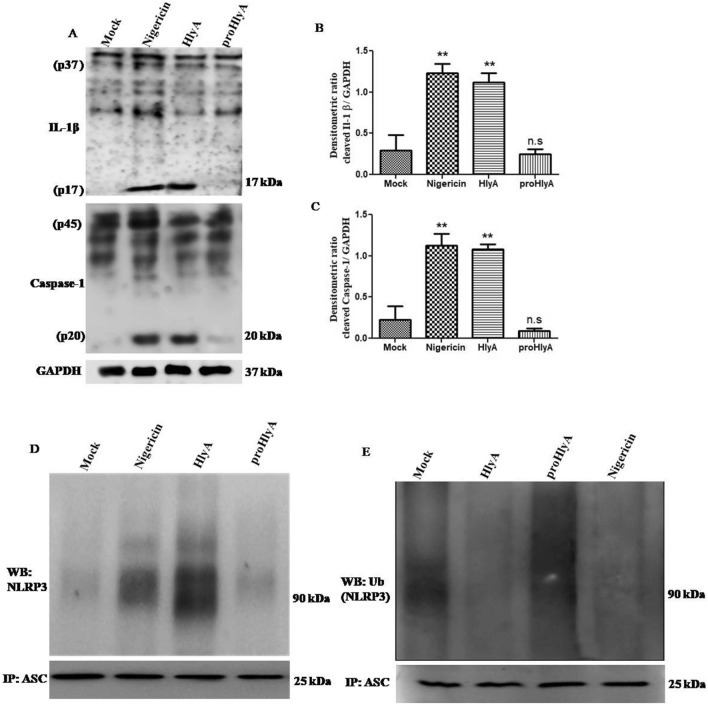
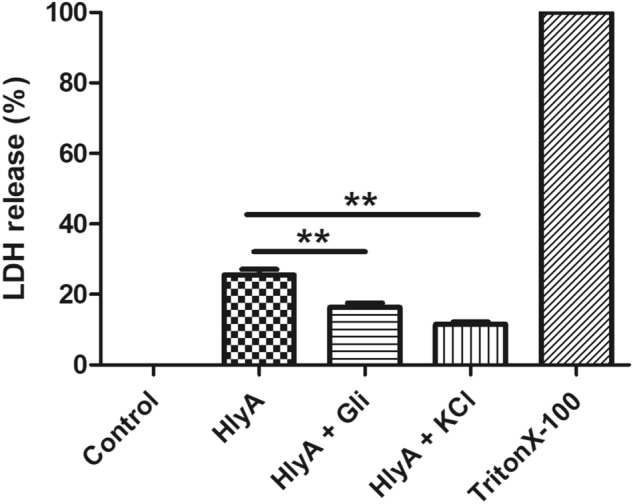
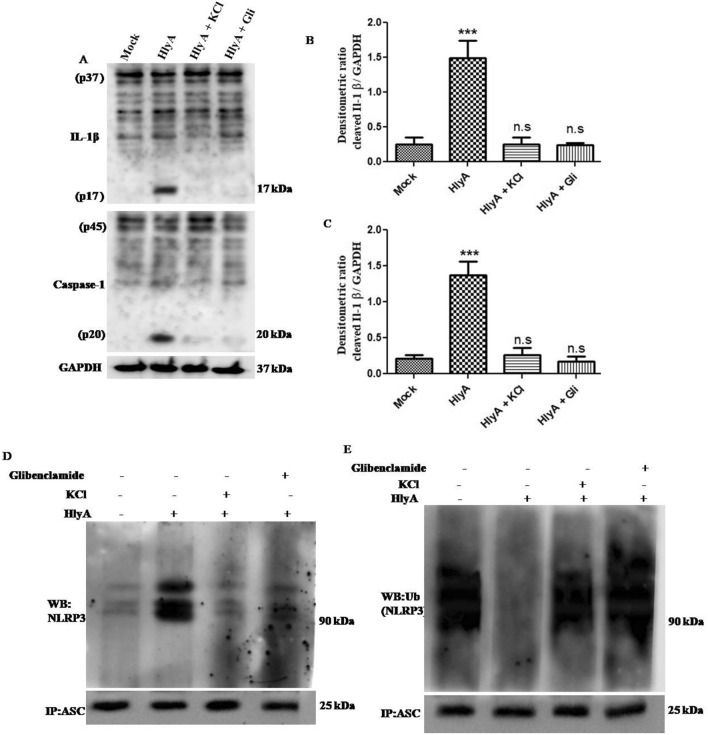
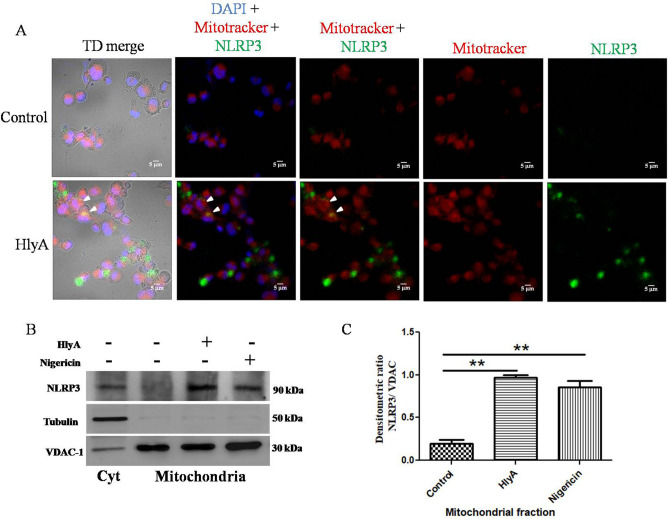
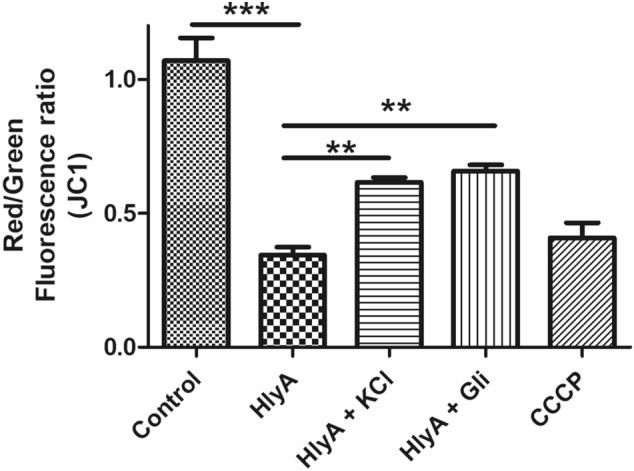
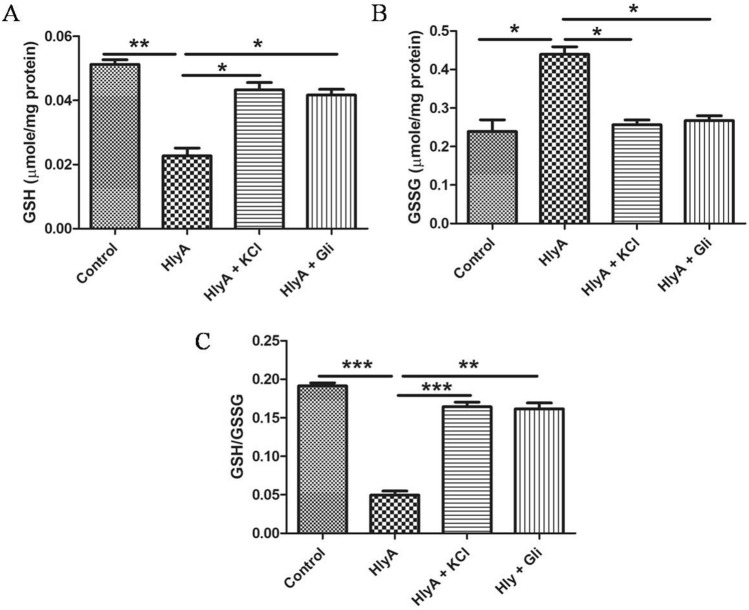
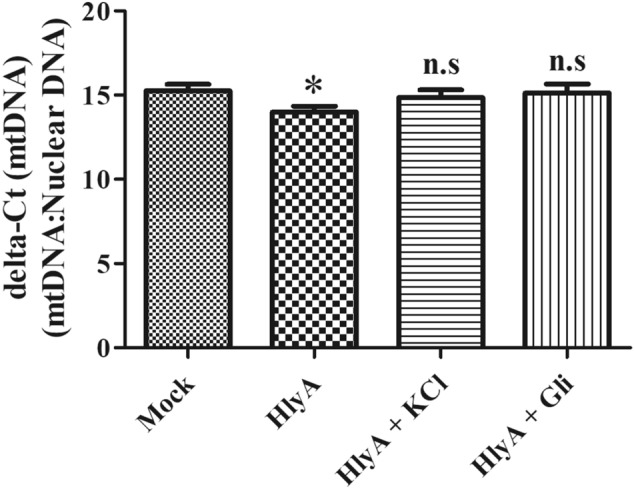
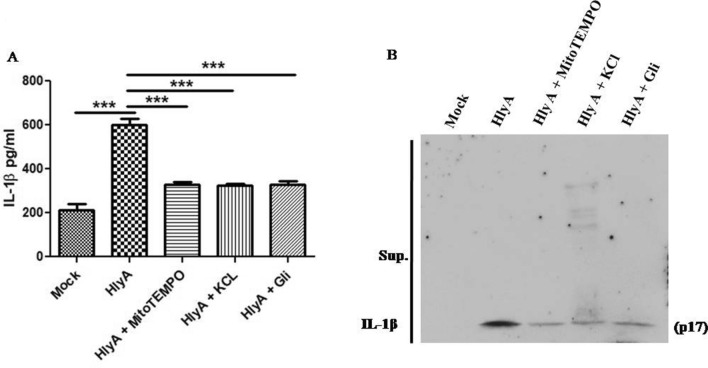
Hemolysin expressing UPEC strains have been associated with severe advanced kidney pathologies, such as cystitis and pyelonephritis, which are associated with an inflammatory response. Macrophages play an important role in regulating an inflammatory response during a urinary tract infection. We have studied the role of purified recombinant α-hemolysin in inducing inflammatory responses and cell death in macrophages. Acylation at lysine residues through HlyC is known to activate proHlyA into a fully functional pore-forming toxin, HlyA. It was observed that active α-hemolysin (HlyA) induced cleavage of caspase-1 leading to the maturation of IL-1β, while inactive α-hemolysin (proHlyA) failed to do so in THP-1 derived macrophages. HlyA also promotes deubiquitination, oligomerization, and activation of the NLRP3 inflammasome, which was found to be dependent on potassium efflux. We have also observed the co-localization of NLRP3 within mitochondria during HlyA stimulations. Moreover, blocking of potassium efflux improved the mitochondrial health in addition to a decreased inflammatory response. Our study demonstrates that HlyA stimulation caused perturbance in potassium homeostasis, which led to the mitochondrial dysfunction followed by an acute inflammatory response, resulting in cell death. However, the repletion of intracellular potassium stores could avoid HlyA induced macrophage cell death. The findings of this study will help to understand the mechanism of α-hemolysin induced inflammatory response and cell death.
表达溶血素的 UPEC 菌株与严重的晚期肾脏病理有关,如膀胱炎和肾盂肾炎,这些疾病与炎症反应有关。巨噬细胞在尿路感染期间的炎症反应调节中发挥着重要作用。我们研究了纯化重组α-溶血素在诱导巨噬细胞炎症反应和细胞死亡中的作用。通过 HlyC 赖氨酸残基的酰化已知可将前体 ProHlyA 激活为具有完全功能的孔形成毒素 HlyA。结果表明,活性α-溶血素(HlyA)诱导半胱天冬酶-1 的切割,导致白细胞介素-1β(IL-1β)的成熟,而无活性的α-溶血素(ProHlyA)在 THP-1 衍生的巨噬细胞中则不能。HlyA 还促进 NLRP3 炎性小体的去泛素化、寡聚化和激活,这被发现依赖于钾离子外流。我们还观察到 NLRP3 在 HlyA 刺激期间与线粒体共定位。此外,钾离子外流的阻断除了降低炎症反应外,还改善了线粒体健康。我们的研究表明,HlyA 刺激引起钾离子稳态紊乱,导致线粒体功能障碍,随后发生急性炎症反应,导致细胞死亡。然而,细胞内钾离子储存的补充可以避免 HlyA 诱导的巨噬细胞死亡。这项研究的结果将有助于理解α-溶血素诱导的炎症反应和细胞死亡的机制。