Faculty of Chinese Medicine, State Key Laboratory of Quality Research in Chinese Medicine, Macau University of Science and Technology, Taipa, Macao, China.
Institute of Chinese Medical Sciences, State Key Laboratory of Quality Research in Chinese Medicine, University of Macau, Taipa, Macao, China.
Oxid Med Cell Longev. 2020 Jul 16;2020:1904609. doi: 10.1155/2020/1904609. eCollection 2020.
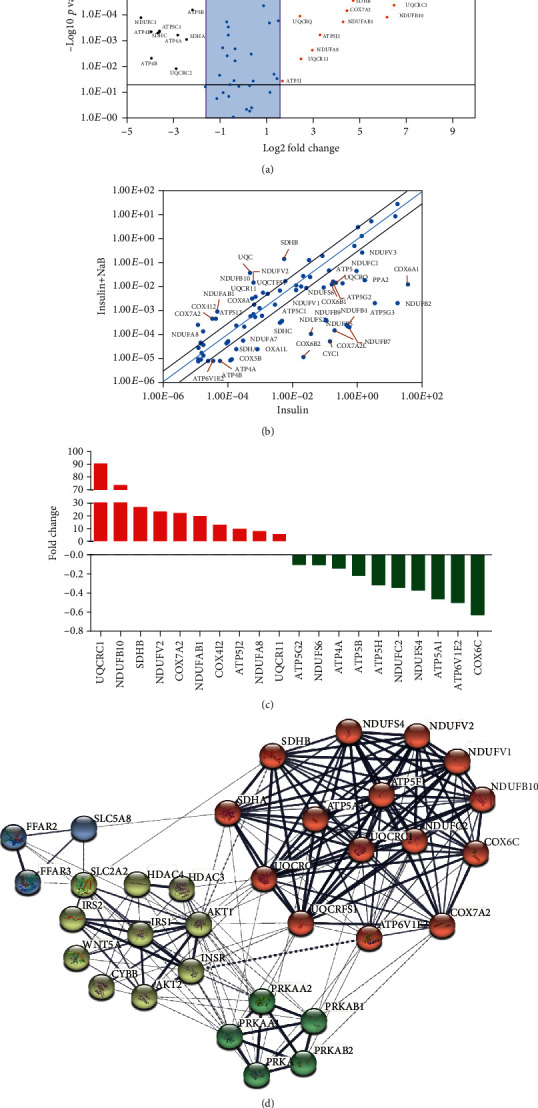
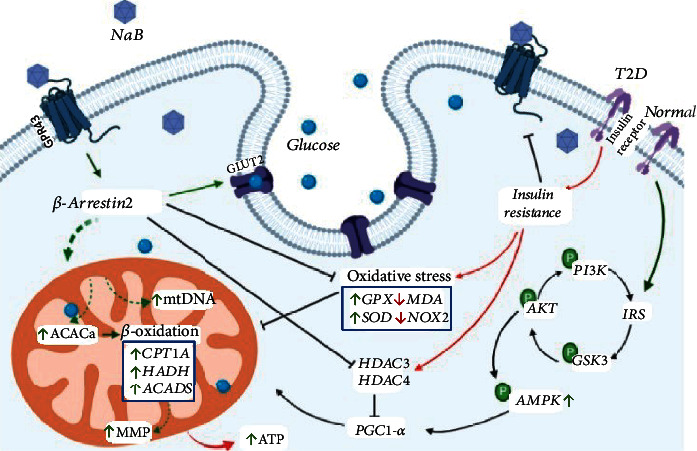
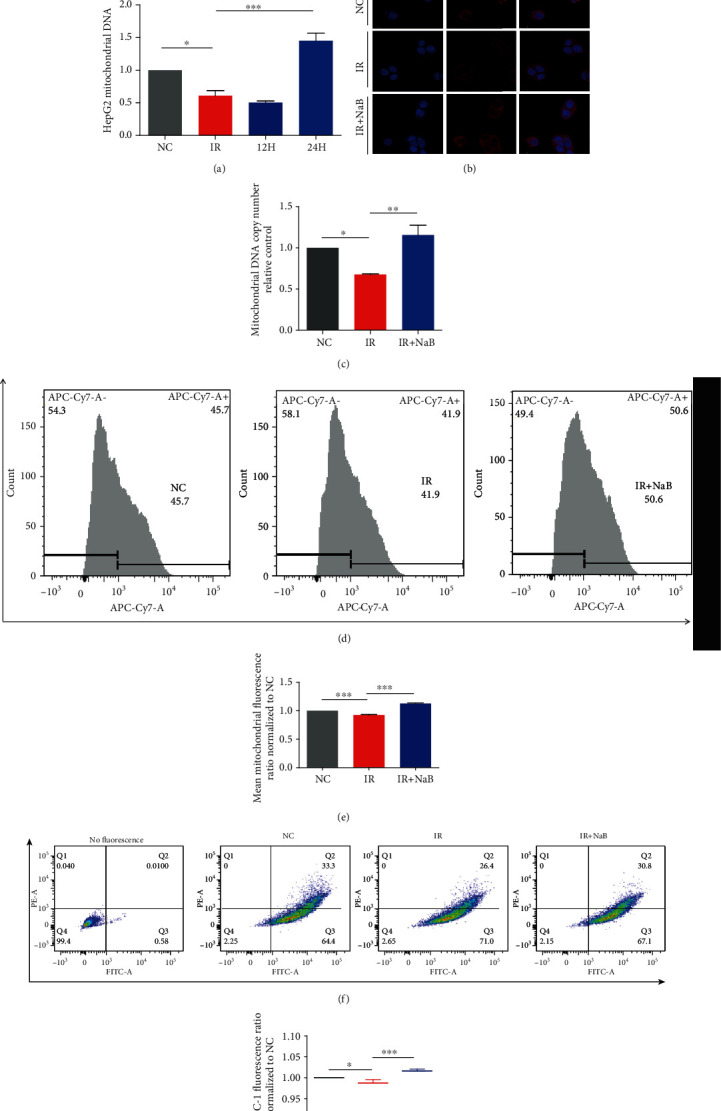
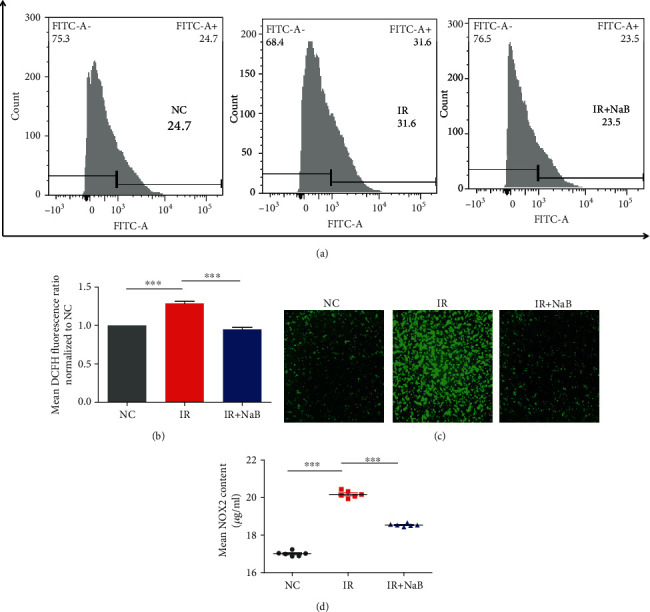
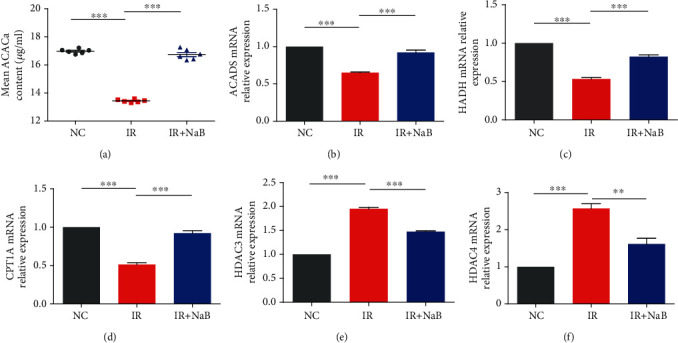
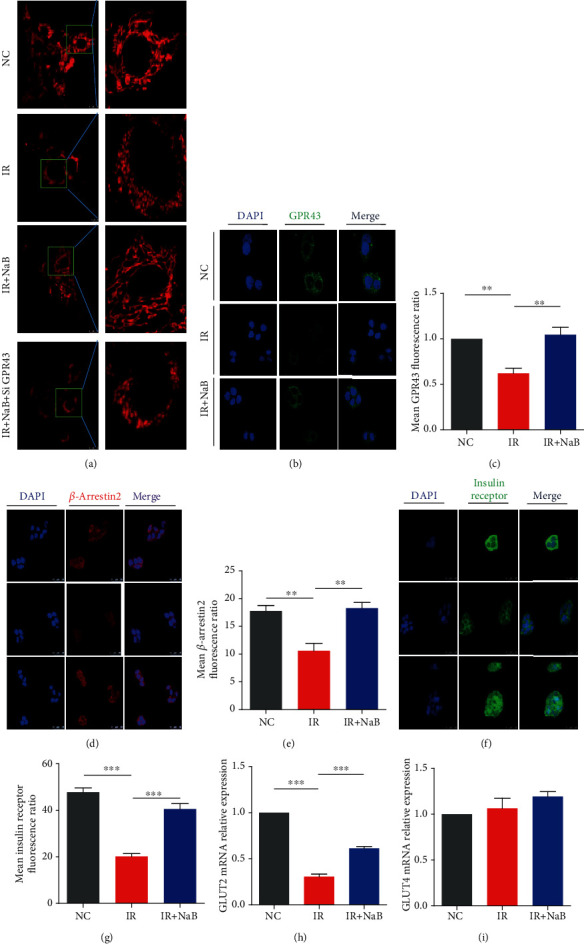
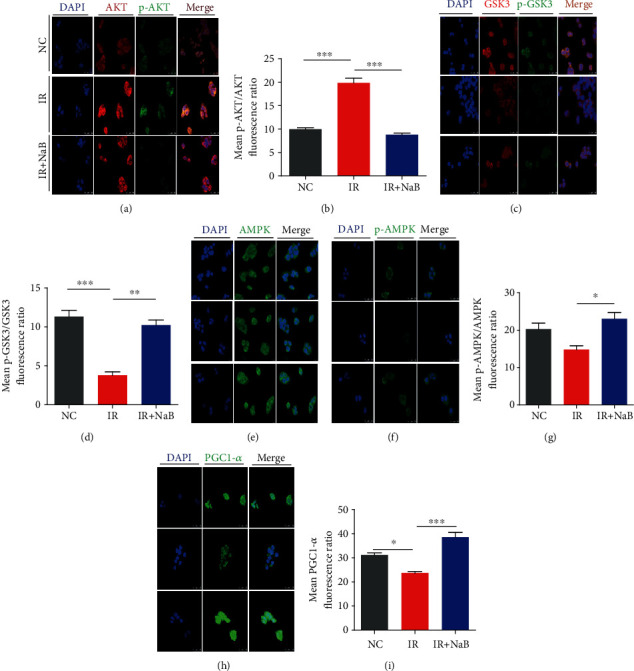
The liver plays a pivotal role in maintaining euglycemia. Biogenesis and function of mitochondria within hepatocytes are often the first to be damaged in a diabetic population, and restoring its function is recently believed to be a promising strategy on inhibiting the progression of diabetes. Previously, we demonstrated that the gut microbiota metabolite butyrate could reduce hyperglycemia and modulate the metabolism of glycogen in both db/db mice and HepG2 cells. To further explore the mechanism of butyrate in controlling energy metabolism, we investigated its influence and underlying mechanism on the biogenesis and function of mitochondria within high insulin-induced hepatocytes in this study. We found that butyrate significantly modulated the expression of 54 genes participating in mitochondrial energy metabolism by a PCR array kit, both the content of mitochondrial DNA and production of ATP were enhanced, expressions of histone deacetylases 3 and 4 were inhibited, beta-oxidation of fatty acids was increased, and oxidative stress damage was ameliorated at the same time. A mechanism study showed that expression of GPR43 and its downstream protein beta-arrestin2 was increased on butyrate administration and that activation of Akt was inhibited, while the AMPK-PGC-1alpha signaling pathway and expression of p-GSK3 were enhanced. In conclusion, we found in the present study that butyrate could significantly promote biogenesis and function of mitochondria under high insulin circumstances, and the GPR43--arrestin2-AMPK-PGC1-alpha signaling pathway contributed to these effects. Our present findings will bring new insight on the pivotal role of metabolites from microbiota on maintaining euglycemia in diabetic population.
肝脏在维持血糖平衡方面起着关键作用。在糖尿病患者中,肝细胞内线粒体的生物发生和功能通常是最先受损的,而恢复其功能被认为是抑制糖尿病进展的一种有前途的策略。此前,我们已经证明肠道微生物代谢产物丁酸盐可以降低高血糖,并调节 db/db 小鼠和 HepG2 细胞中糖原的代谢。为了进一步探索丁酸盐控制能量代谢的机制,我们在这项研究中研究了它对高胰岛素诱导的肝细胞中线粒体生物发生和功能的影响及其潜在机制。我们发现,丁酸盐通过 PCR 阵列试剂盒显著调节了 54 个参与线粒体能量代谢的基因的表达,同时增强了线粒体 DNA 的含量和 ATP 的产生,抑制了组蛋白去乙酰化酶 3 和 4 的表达,增加了脂肪酸的β氧化,同时减轻了氧化应激损伤。一项机制研究表明,丁酸盐给药后 GPR43 及其下游蛋白β-arrestin2 的表达增加,Akt 被抑制,而 AMPK-PGC-1alpha 信号通路和 p-GSK3 的表达增强。总之,我们在本研究中发现,丁酸盐可以在高胰岛素环境下显著促进线粒体的生物发生和功能,而 GPR43-arrestin2-AMPK-PGC1alpha 信号通路有助于这些作用。我们的研究结果将为肠道微生物代谢产物在维持糖尿病患者血糖平衡方面的关键作用提供新的认识。