Vaccine and Gene Therapy Institute, Oregon Health and Science University, Portland, OR, United States.
Veterans Affairs Medical Center, Portland, OR, United States.
Front Immunol. 2020 Jul 8;11:1430. doi: 10.3389/fimmu.2020.01430. eCollection 2020.
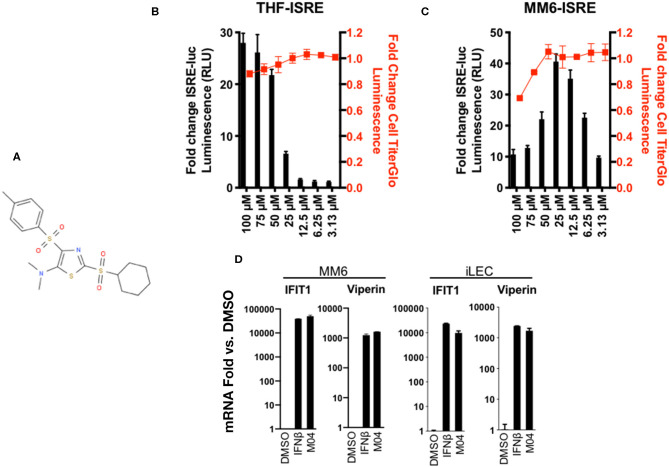
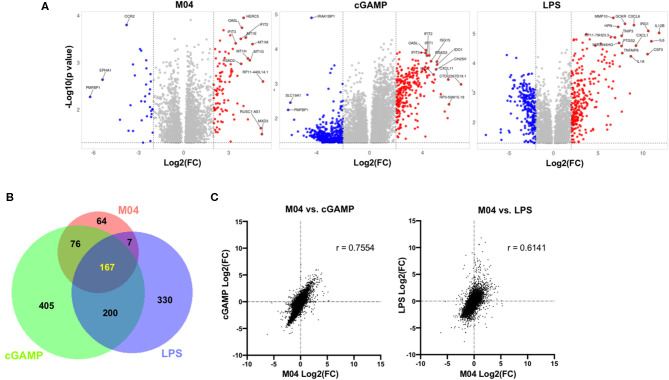
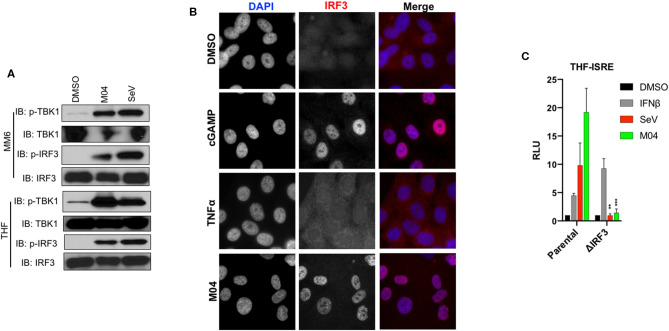
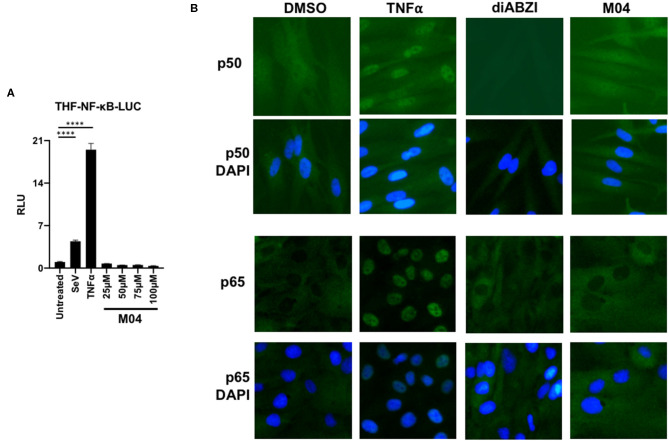
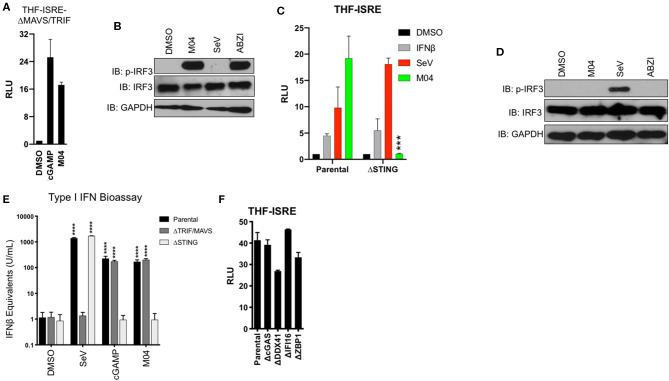
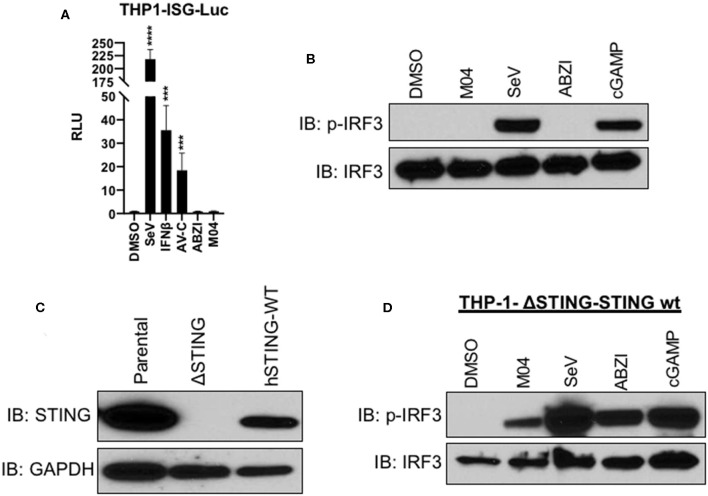
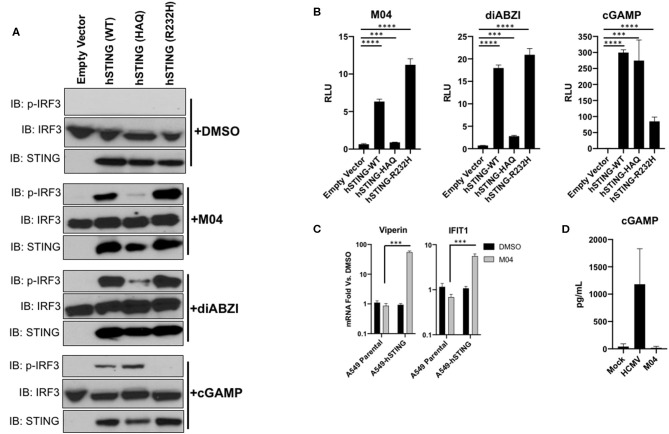
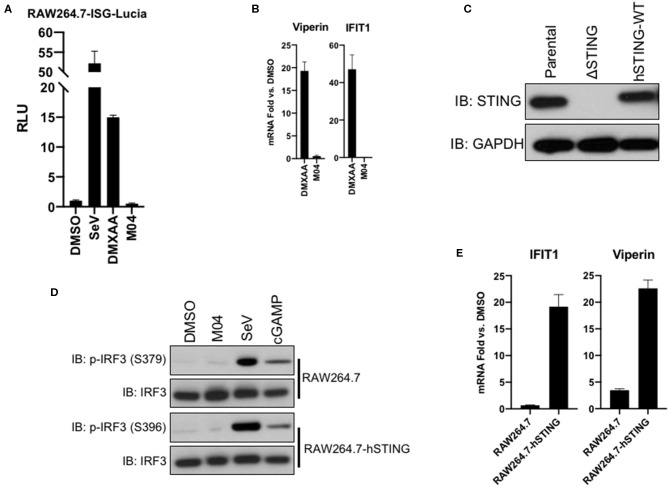
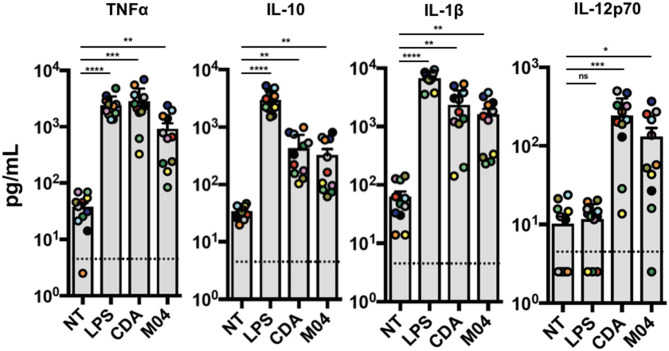
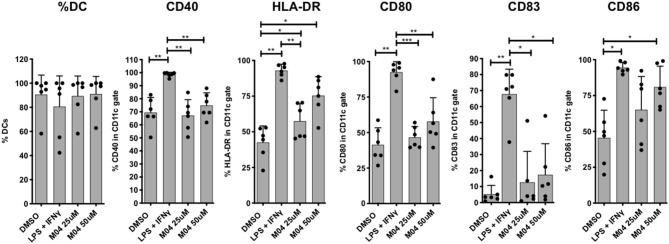
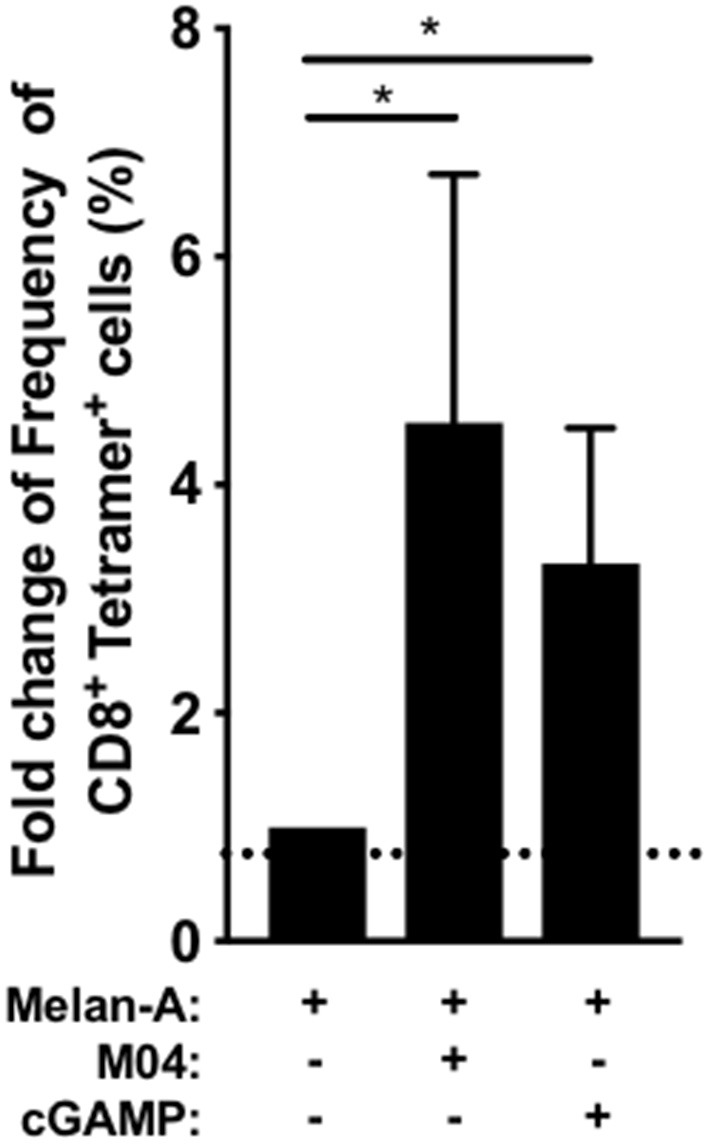
The innate immune response to cytosolic DNA involves transcriptional activation of type I interferons (IFN-I) and proinflammatory cytokines. This represents the culmination of intracellular signaling pathways that are initiated by pattern recognition receptors that engage DNA and require the adaptor protein Stimulator of Interferon Genes (STING). These responses lead to the generation of cellular and tissue states that impair microbial replication and facilitate the establishment of long-lived, antigen-specific adaptive immunity. Ultimately this can lead to immune-mediated protection from infection but also to the cytotoxic T cell-mediated clearance of tumor cells. Intriguingly, pharmacologic activation of STING-dependent phenotypes is known to enhance both vaccine-associated immunogenicity and immune-based anti-tumor therapies. Unfortunately, the STING protein exists as multiple variant forms in the human population that exhibit differences in their reactivity to chemical stimuli and in the intensity of molecular signaling they induce. In light of this, STING-targeting drug discovery efforts require an accounting of protein variant-specific activity. Herein we describe a small molecule termed M04 that behaves as a novel agonist of human STING. Importantly, we find that the molecule exhibits a differential ability to activate STING based on the allelic variant examined. Furthermore, while M04 is inactive in mice, expression of human STING in mouse cells rescues reactivity to the compound. Using primary human cells in assays we were also able to show that M04 is capable of simulating innate responses important for adaptive immune activation such as cytokine secretion, dendritic cell maturation, and T cell cross-priming. Collectively, this work demonstrates the conceivable utility of a novel agonist of human STING both as a research tool for exploring STING biology and as an immune potentiating molecule.
固有免疫系统对细胞质 DNA 的反应涉及 I 型干扰素 (IFN-I) 和促炎细胞因子的转录激活。这代表了由识别 DNA 并需要衔接蛋白干扰素基因刺激物 (STING) 的模式识别受体启动的细胞内信号通路的顶点。这些反应导致产生细胞和组织状态,从而损害微生物复制并促进长期存在的、抗原特异性适应性免疫的建立。最终,这可以导致免疫介导的抗感染保护,但也可以导致细胞毒性 T 细胞介导的肿瘤细胞清除。有趣的是,已知 STING 依赖性表型的药理学激活可增强疫苗相关免疫原性和基于免疫的抗肿瘤疗法。不幸的是,STING 蛋白在人类群体中存在多种变体形式,它们在对化学刺激的反应性和诱导的分子信号强度方面存在差异。有鉴于此,STING 靶向药物发现工作需要考虑蛋白变体特异性活性。本文描述了一种称为 M04 的小分子,它作为人 STING 的新型激动剂。重要的是,我们发现该分子根据所检查的等位变体表现出激活 STING 的不同能力。此外,虽然 M04 在小鼠中不活跃,但在小鼠细胞中表达人 STING 可恢复对该化合物的反应性。使用原代人细胞进行的测定中,我们还能够证明 M04 能够模拟对于适应性免疫激活很重要的先天反应,例如细胞因子分泌、树突状细胞成熟和 T 细胞交叉呈递。总的来说,这项工作证明了新型人 STING 激动剂作为探索 STING 生物学的研究工具以及作为免疫增强分子的潜在用途。