Instituto Aragonés de Ciencias de la Salud (IACS), 50009 Zaragoza, Spain; Instituto de Investigación Sanitaria de Aragón (IIS Aragon), 50009 Zaragoza, Spain; Centro de Investigación Biomédica en Red en el Área Temática de Enfermedades Hepáticas y Digestivas (CIBERehd), 28029 Madrid, Spain; Institute for Biocomputation and Physics of Complex Systems (BIFI), Joint Units IQFR-CSIC-BIFI, and GBsC-CSIC-BIFI, Universidad de Zaragoza, 50009 Zaragoza, Spain; Departamento de Bioquímica y Biología Molecular y Celular, Universidad de Zaragoza, 50009 Zaragoza, Spain.
Institute for Biocomputation and Physics of Complex Systems (BIFI), Joint Units IQFR-CSIC-BIFI, and GBsC-CSIC-BIFI, Universidad de Zaragoza, 50009 Zaragoza, Spain; Departamento de Bioquímica y Biología Molecular y Celular, Universidad de Zaragoza, 50009 Zaragoza, Spain.
Int J Biol Macromol. 2020 Dec 1;164:1693-1703. doi: 10.1016/j.ijbiomac.2020.07.235. Epub 2020 Aug 1.
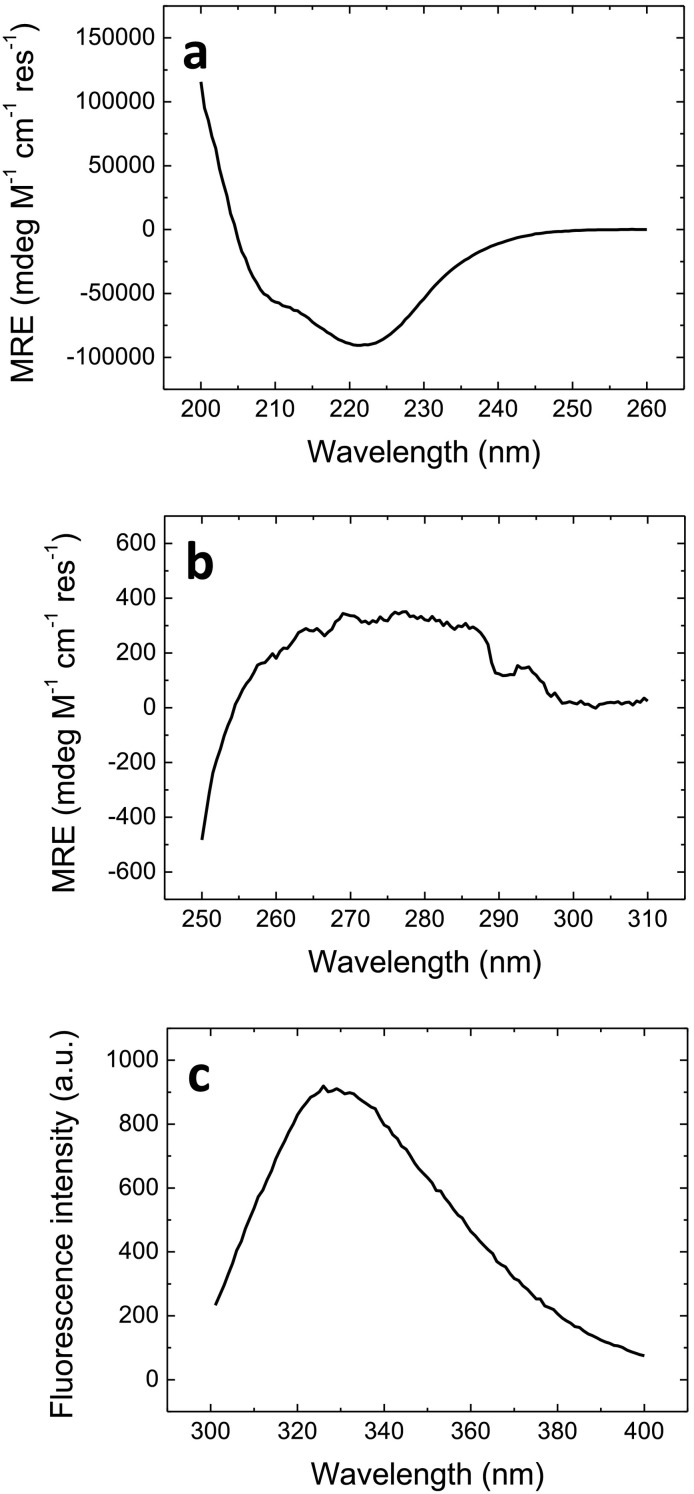
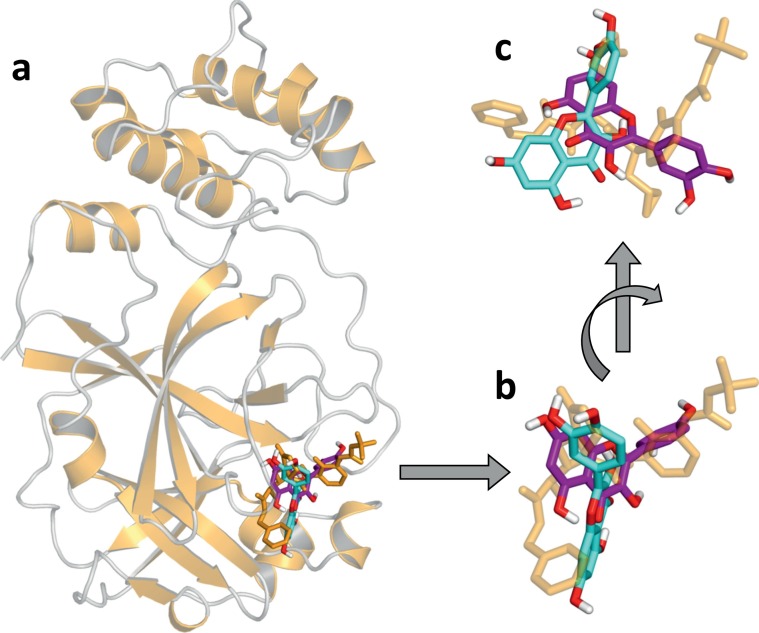
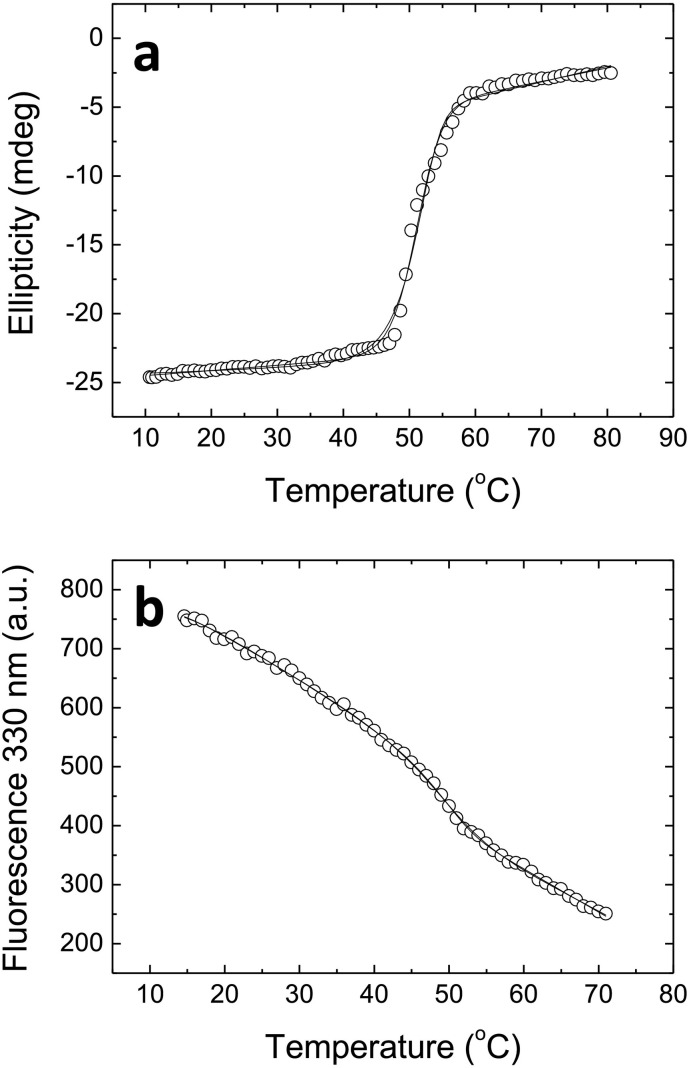
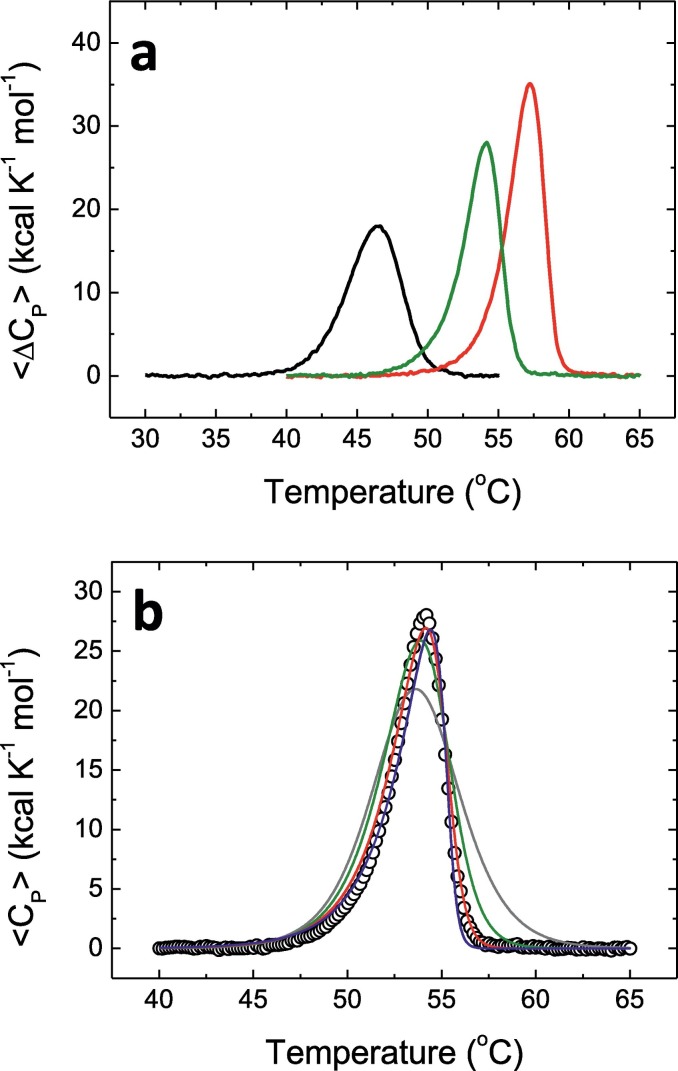
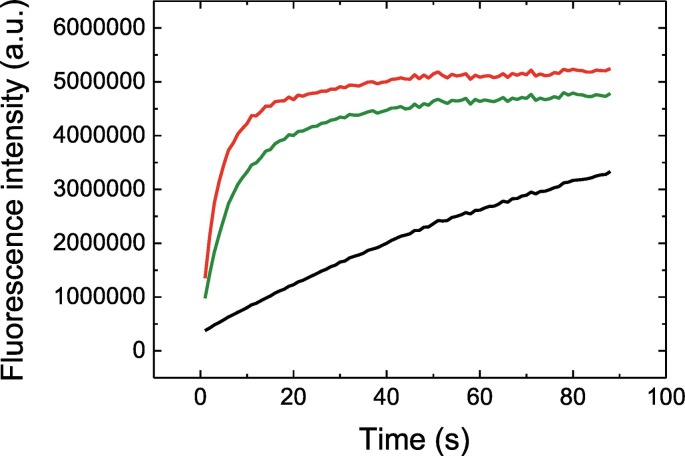
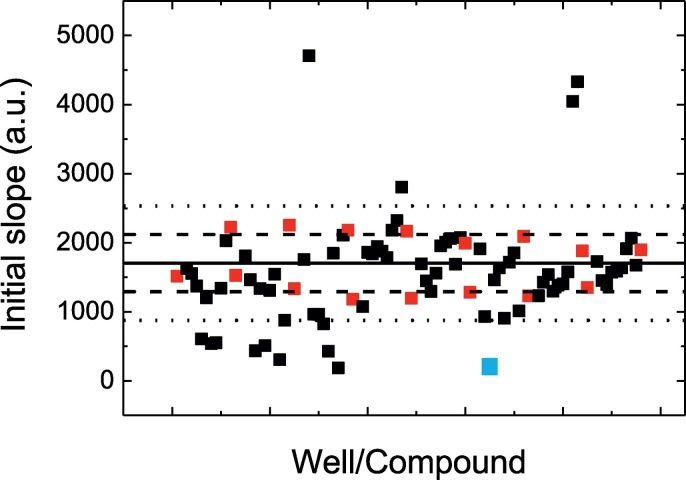
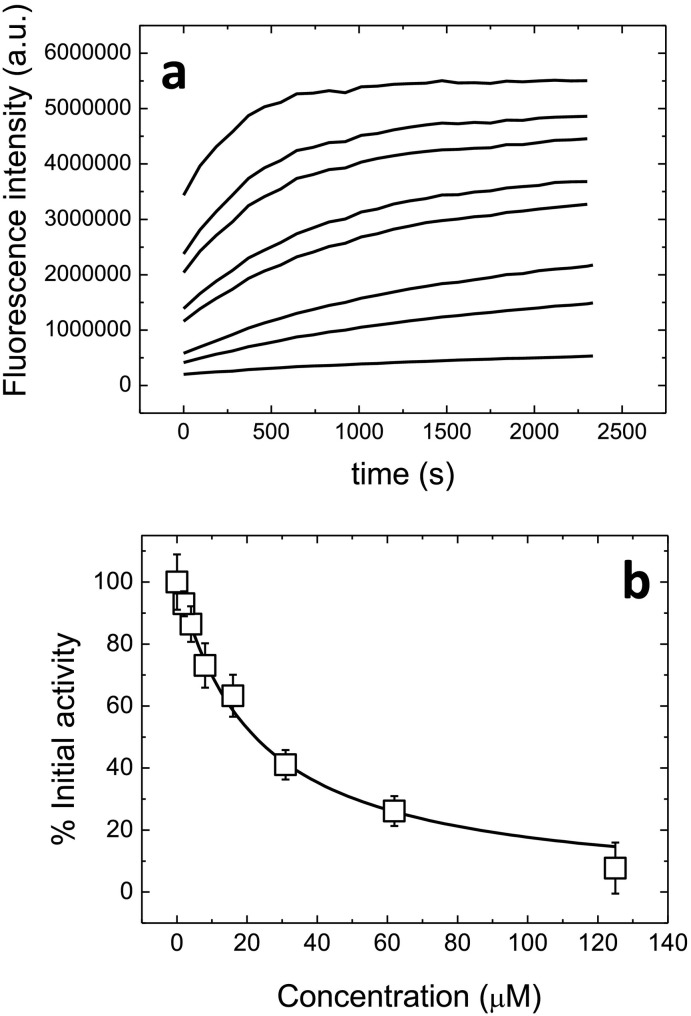
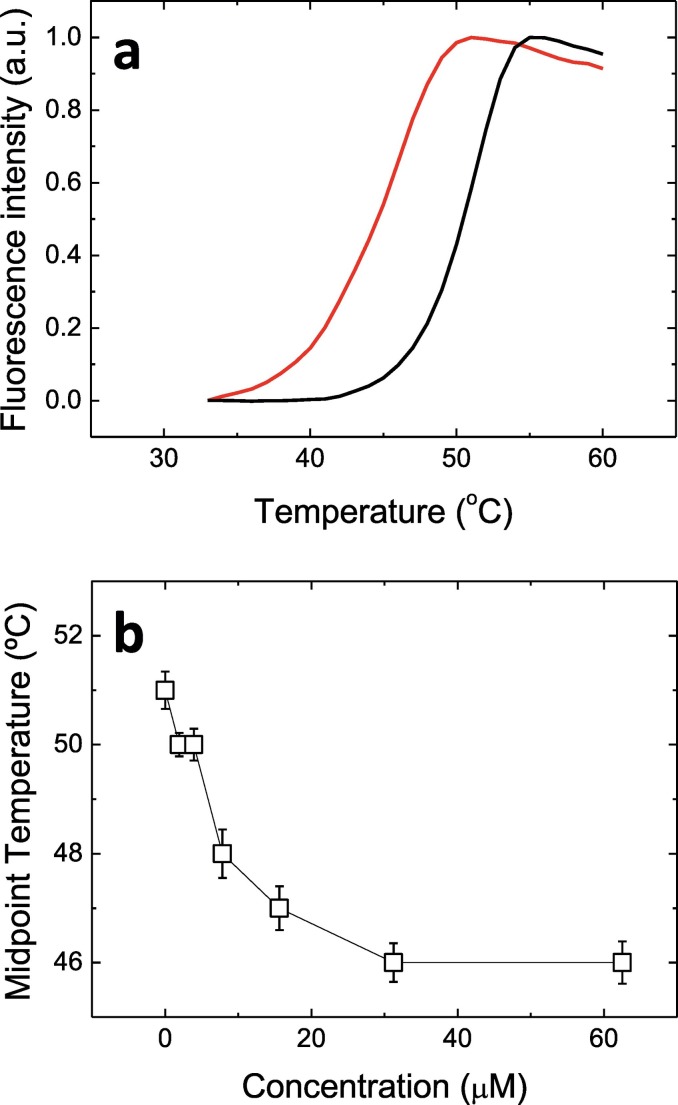
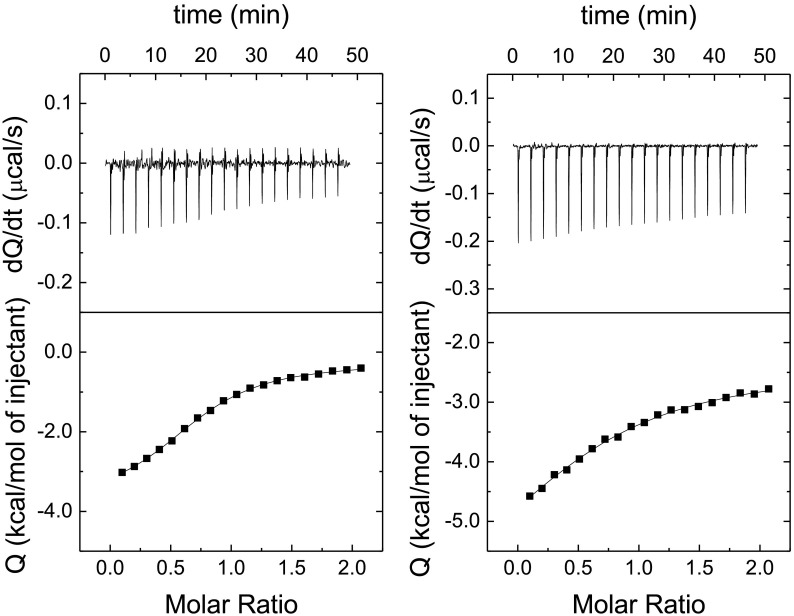
The global health emergency generated by coronavirus disease 2019 (COVID-19) has prompted the search for preventive and therapeutic treatments for its pathogen, the severe acute respiratory syndrome coronavirus 2 (SARS-CoV-2). There are many potential targets for drug discovery and development to tackle this disease. One of these targets is the main protease, Mpro or 3CLpro, which is highly conserved among coronaviruses. 3CLpro is an essential player in the viral replication cycle, processing the large viral polyproteins and rendering the individual proteins functional. We report a biophysical characterization of the structural stability and the catalytic activity of 3CLpro from SARS-CoV-2, from which a suitable experimental in vitro molecular screening procedure has been designed. By screening of a small chemical library consisting of about 150 compounds, the natural product quercetin was identified as reasonably potent inhibitor of SARS-CoV-2 3CLpro (K ~ 7 μM). Quercetin could be shown to interact with 3CLpro using biophysical techniques and bind to the active site in molecular simulations. Quercetin, with well-known pharmacokinetic and ADMET properties, can be considered as a good candidate for further optimization and development, or repositioned for COVID-19 therapeutic treatment.
由 2019 年冠状病毒病(COVID-19)引发的全球卫生紧急情况促使人们寻找针对其病原体——严重急性呼吸综合征冠状病毒 2(SARS-CoV-2)的预防和治疗方法。有许多潜在的药物发现和开发目标可以用于解决这一疾病。其中一个目标是主蛋白酶 Mpro 或 3CLpro,它在冠状病毒中高度保守。3CLpro 是病毒复制周期中的一个重要参与者,可加工大型病毒多蛋白并使单个蛋白具有功能。我们报告了 SARS-CoV-2 3CLpro 的结构稳定性和催化活性的生物物理特征,并从中设计了合适的体外分子筛选实验程序。通过对约 150 种化合物的小化学库进行筛选,鉴定出天然产物槲皮素是 SARS-CoV-2 3CLpro 的合理有效抑制剂(K~7μM)。通过生物物理技术证明槲皮素可以与 3CLpro 相互作用,并在分子模拟中结合到活性部位。槲皮素具有良好的药代动力学和 ADMET 特性,可被视为进一步优化和开发的良好候选物,或重新用于 COVID-19 的治疗。