Neurobiology Division, Medical Research Council Laboratory of Molecular Biology, Cambridge, United Kingdom.
LifeArc, Open Innovation Campus, Stevenage, United Kingdom.
J Biol Chem. 2020 Oct 23;295(43):14565-14577. doi: 10.1074/jbc.RA120.014135. Epub 2020 Aug 3.
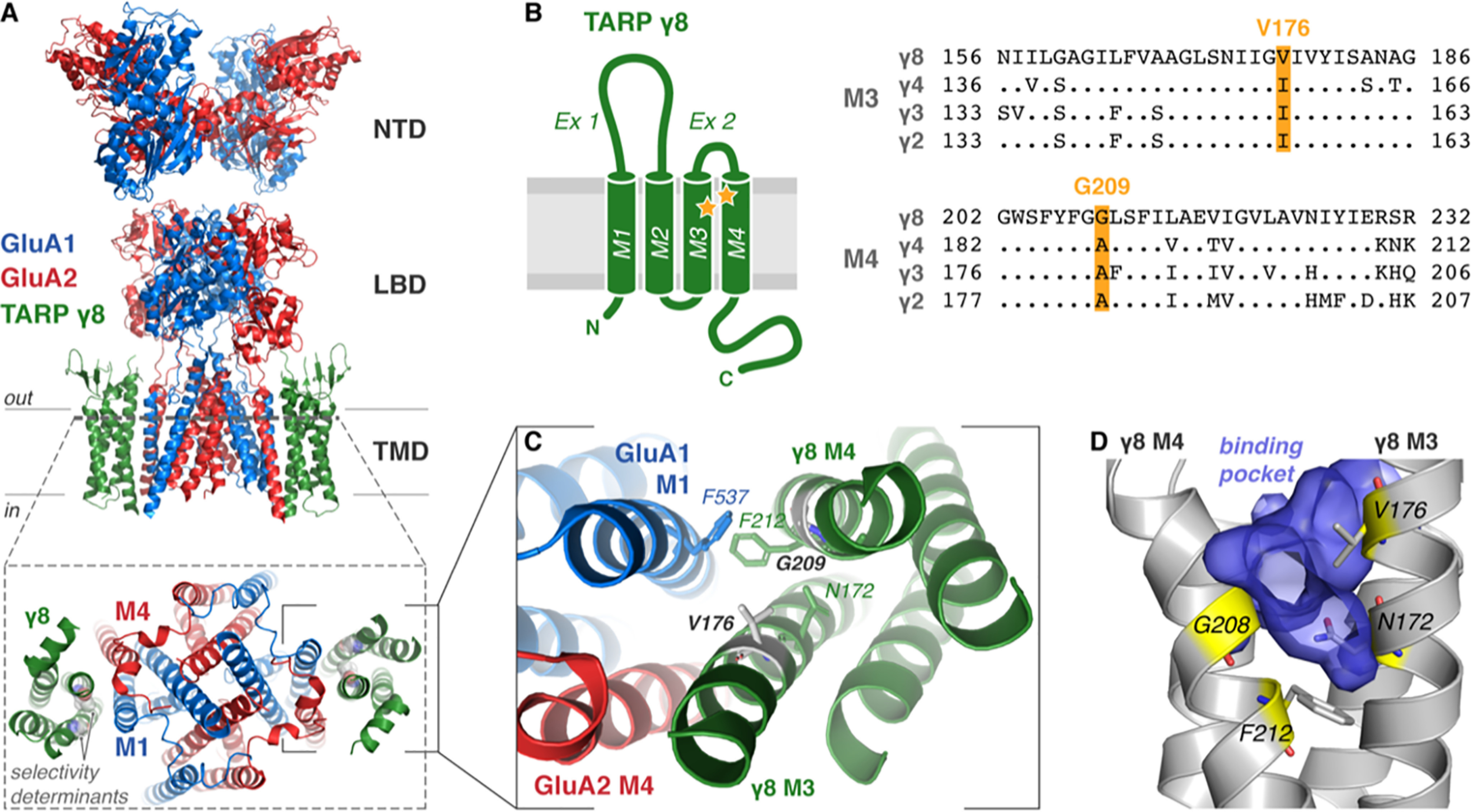
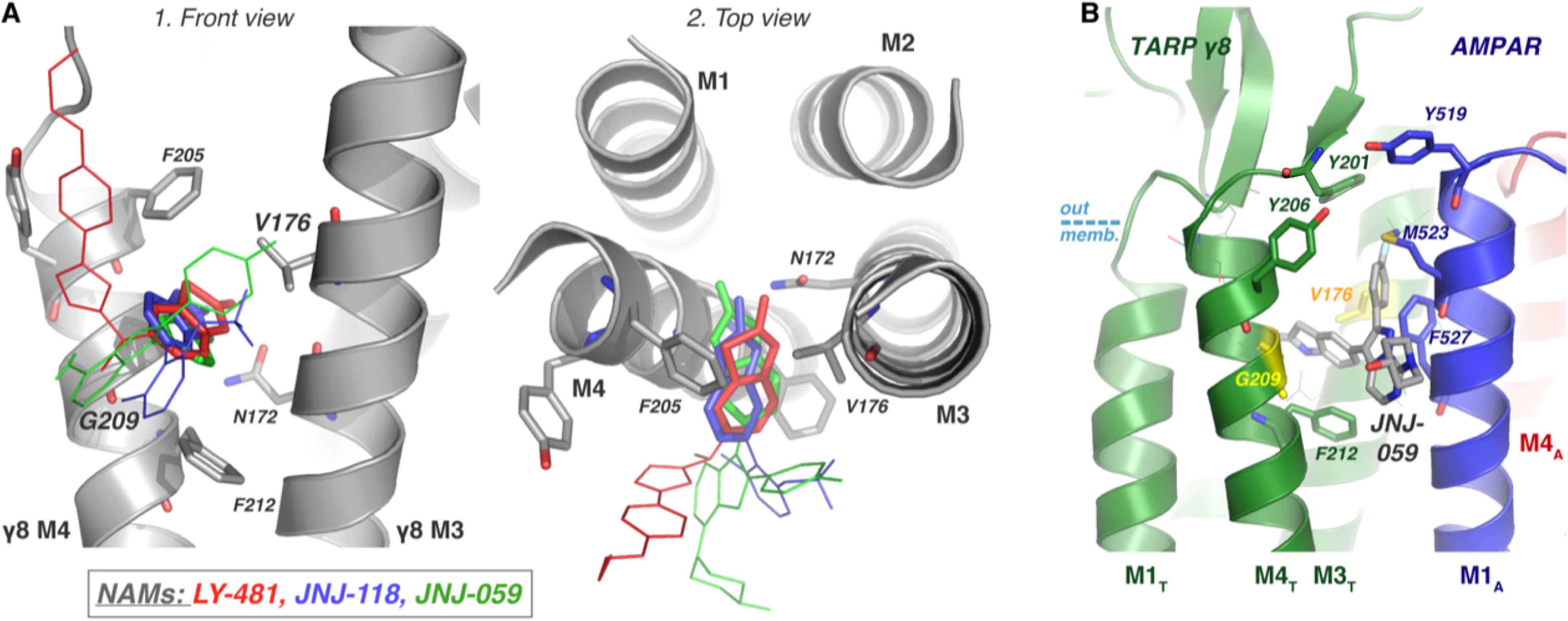
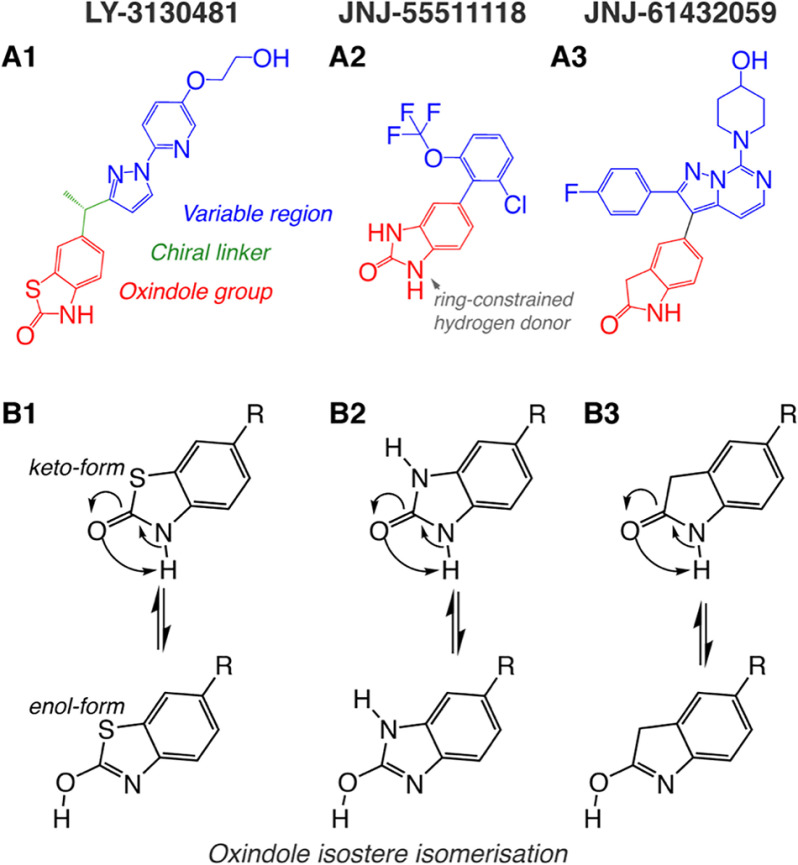
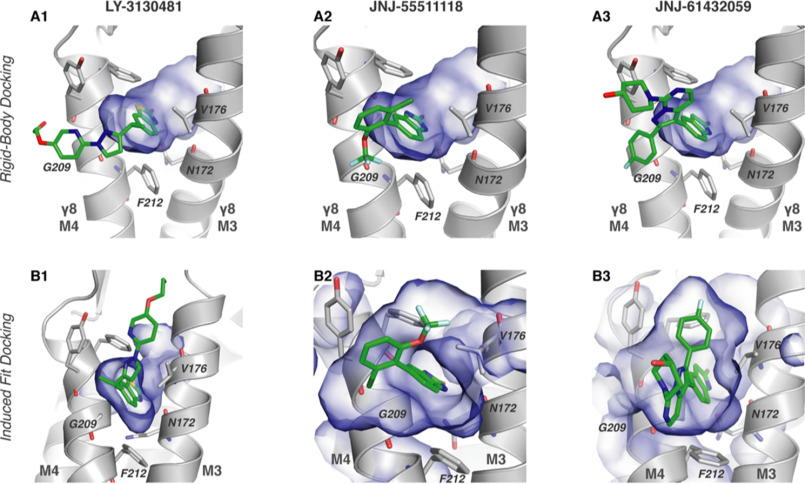
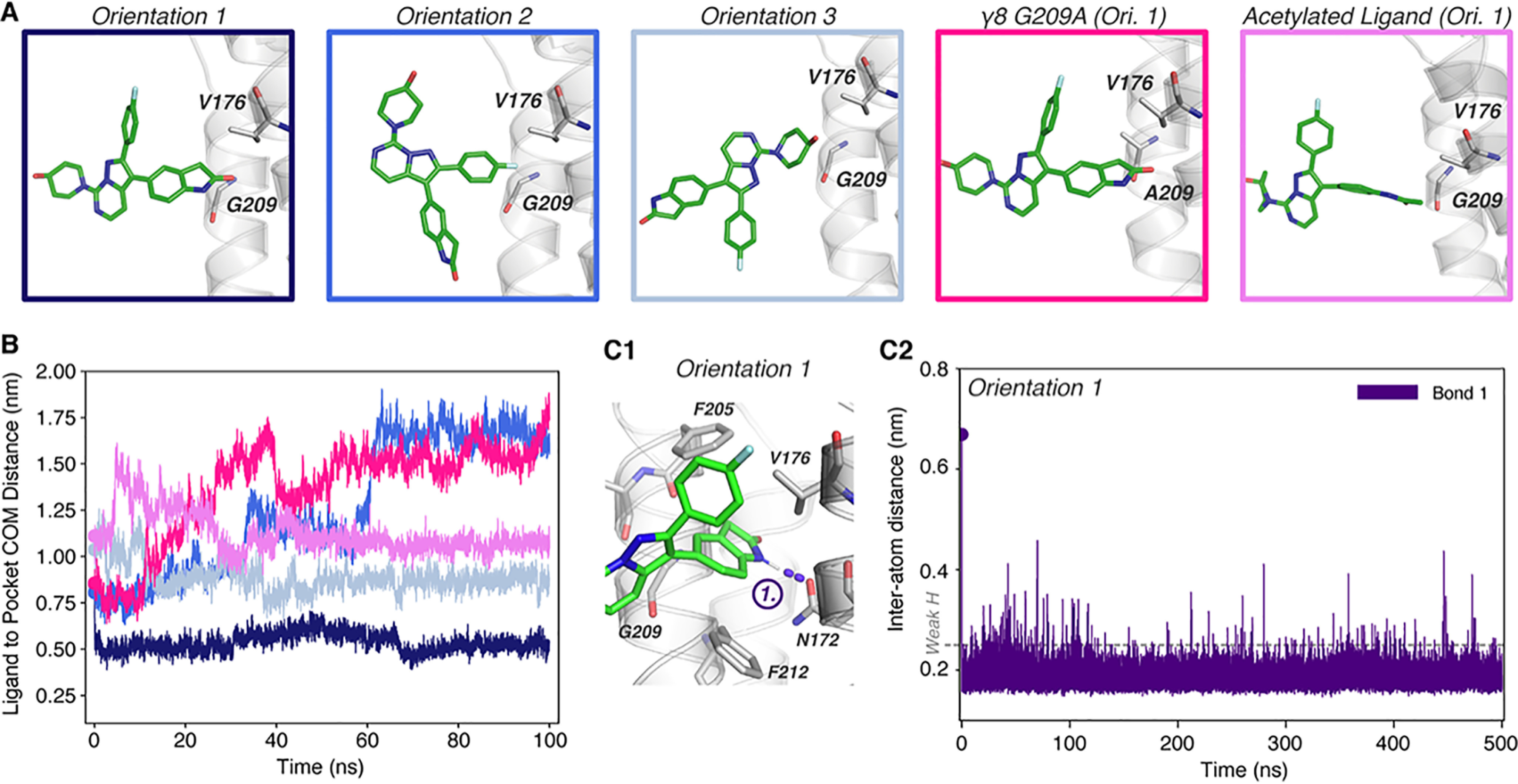
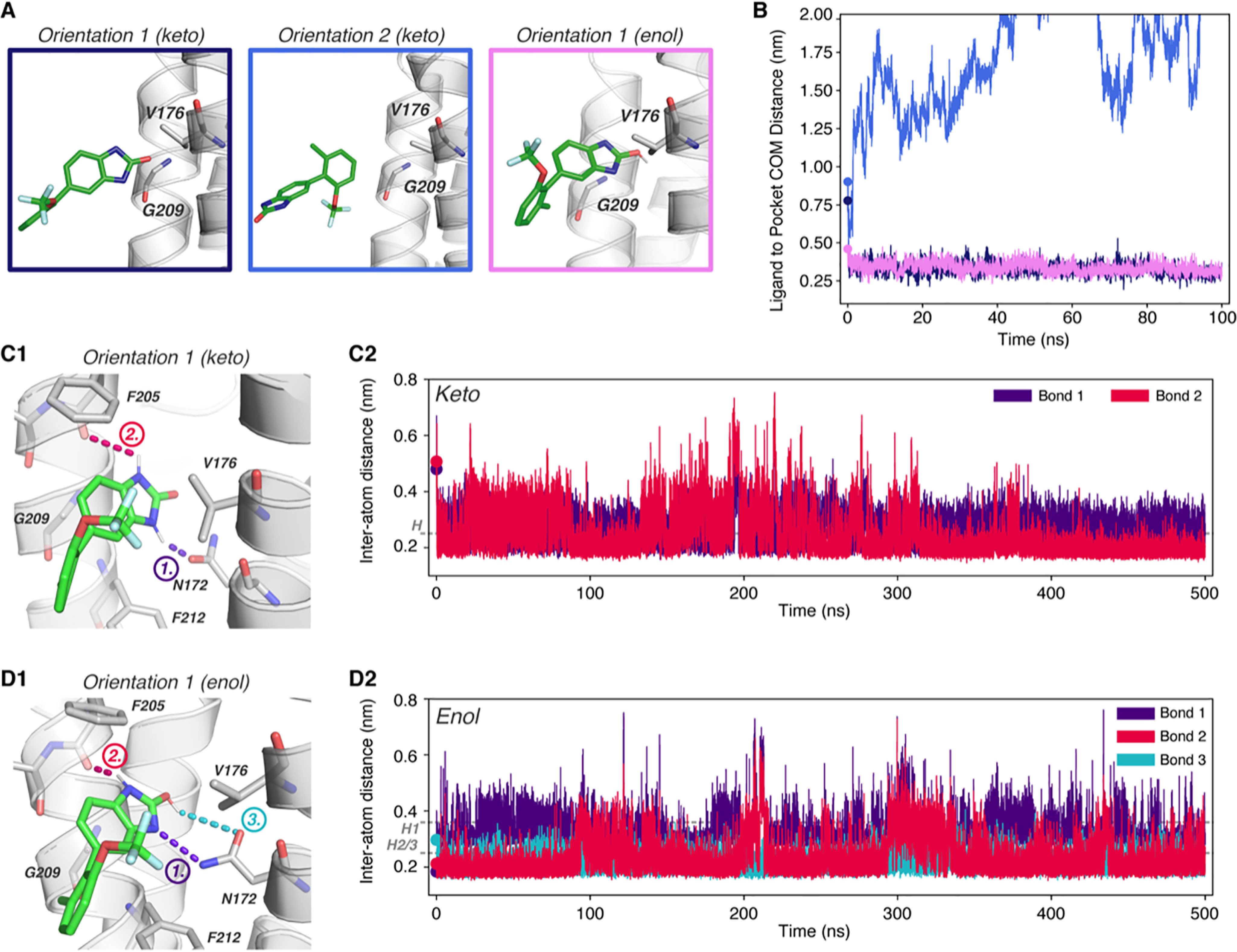
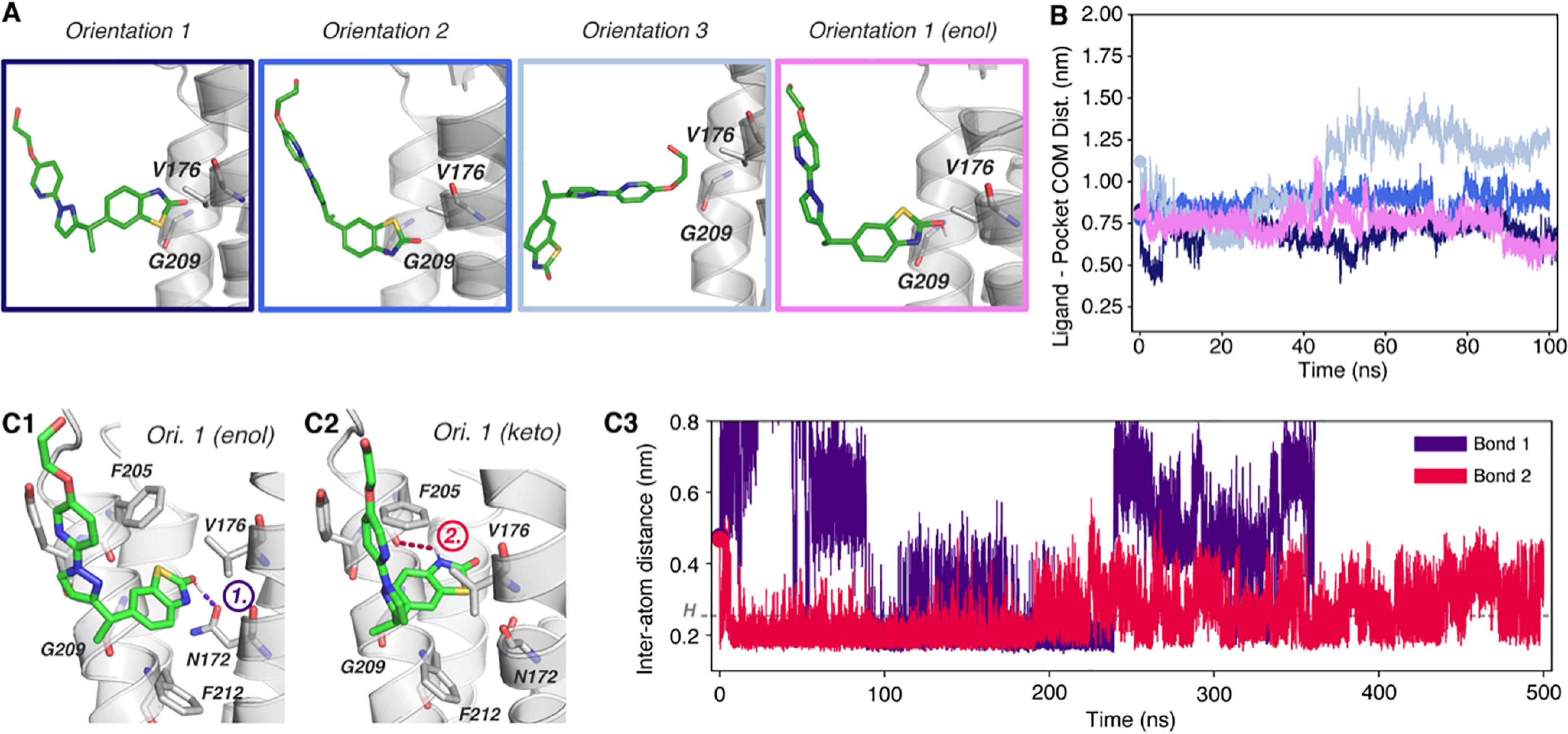
α-amino-3-hydroxy-5-methyl-4-isoxazolepropionic acid(AMPA)-type glutamate receptors (AMPARs) are the predominant excitatory neurotransmitter receptors in the brain, where they mediate synaptic transmission and plasticity. Excessive AMPAR activation leads to diseases such as epilepsy. AMPAR properties are modulated by auxiliary proteins and foremost by the transmembrane AMPAR regulatory proteins (TARPs). These distribute in unique expression patterns across the brain, rendering AMPAR/TARP complexes promising targets for region-specific therapeutic intervention. TARP γ8 is predominantly expressed in the forebrain and is enriched in the hippocampus, a region associated with temporal lobe epilepsy. Recent high-throughput medicinal chemistry screens have identified multiple promising compounds that selectively target AMPARs associated with γ8 and hold promise for epilepsy treatment. However, how these modulators target the receptor complex is currently unknown. Here, we use a combination of ligand docking, molecular dynamics simulations, and electrophysiology to address this question. We identify a conserved oxindole isostere, shared between three structurally diverse modulators (LY-3130481, JNJ-55511118, and JNJ-61432059) as the major module engaging γ8 by an H-bond to Asn-172 (γ8). The remaining variable region of each molecule likely targets the receptor complex in ligand-selective modes. Functional data reveal parallels in the underlying modulatory action of two prominent compounds. This work will aid development of refined AMPAR epilepsy therapeutics and facilitate to uncover the mechanisms by which TARPs modulate the receptor.
α-氨基-3-羟基-5-甲基-4-异恶唑丙酸(AMPA)型谷氨酸受体(AMPARs)是大脑中主要的兴奋性神经递质受体,在突触传递和可塑性中起作用。AMPAR 的过度激活会导致癫痫等疾病。辅助蛋白,尤其是跨膜 AMPAR 调节蛋白(TARPs)调节 AMPAR 特性。这些蛋白在大脑中具有独特的表达模式,使 AMPAR/TARP 复合物成为具有区域特异性治疗干预潜力的有希望的靶点。TARP γ8 主要在前脑中表达,在海马体中富集,海马体是与颞叶癫痫相关的区域。最近的高通量药物化学筛选已经确定了多种有前途的化合物,这些化合物选择性地靶向与 γ8 相关的 AMPAR,并有望用于治疗癫痫。然而,这些调节剂如何靶向受体复合物目前尚不清楚。在这里,我们使用配体对接、分子动力学模拟和电生理学相结合的方法来解决这个问题。我们确定了三种结构不同的调节剂(LY-3130481、JNJ-55511118 和 JNJ-61432059)之间共享的一个保守的吲哚同系物作为主要模块,通过与 Asn-172(γ8)形成氢键与 γ8 结合。每个分子的剩余可变区域可能以配体选择性模式靶向受体复合物。功能数据揭示了两种突出化合物的潜在调节作用的相似性。这项工作将有助于开发精细的 AMPAR 癫痫治疗方法,并有助于揭示 TARPs 调节受体的机制。