Dassi Camila S, Demarco Flávia R, Mangussi-Gomes João, Weber Raimar, Balsalobre Leonardo, Stamm Aldo C
São Paulo Skull Base Center, São Paulo, SP, Brazil.
São Paulo Ear, Nose, and Throat Center, Hospital Edmundo Vasconcelos, São Paulo, SP, Brazil.
Int Arch Otorhinolaryngol. 2020 Jul;24(3):e364-e375. doi: 10.1055/s-0040-1713923. Epub 2020 Jul 31.
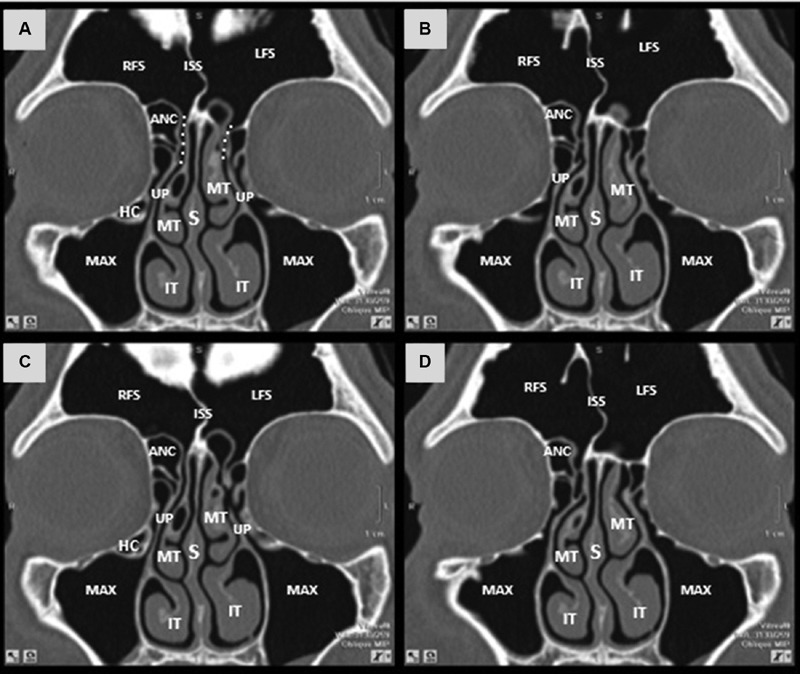
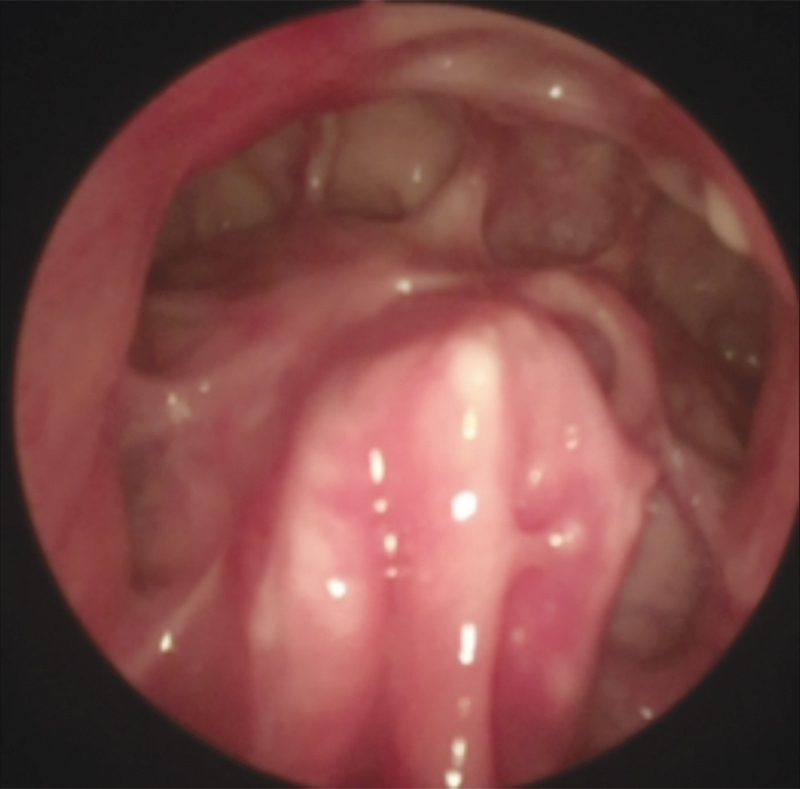
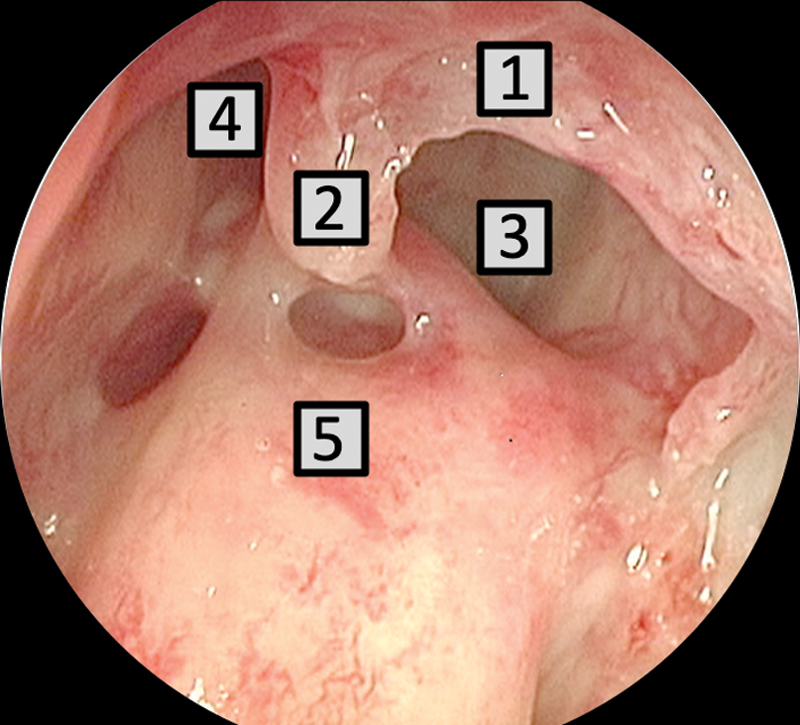
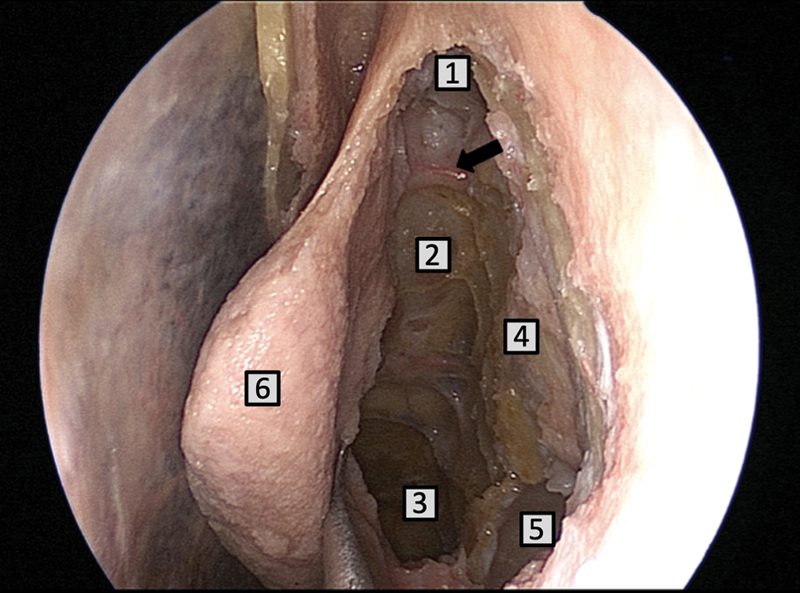
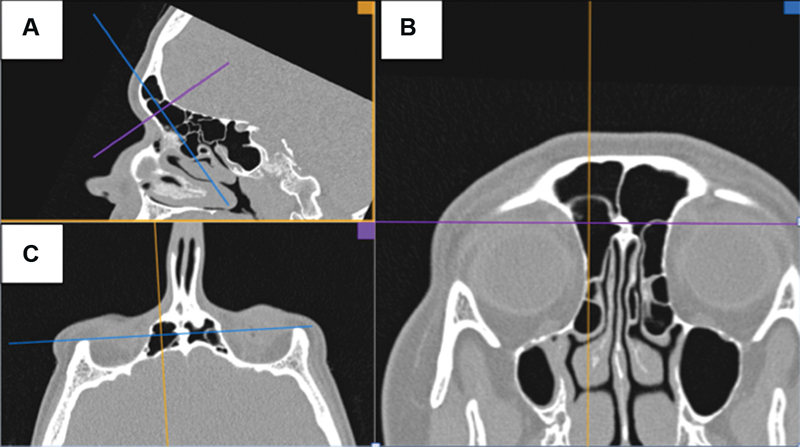
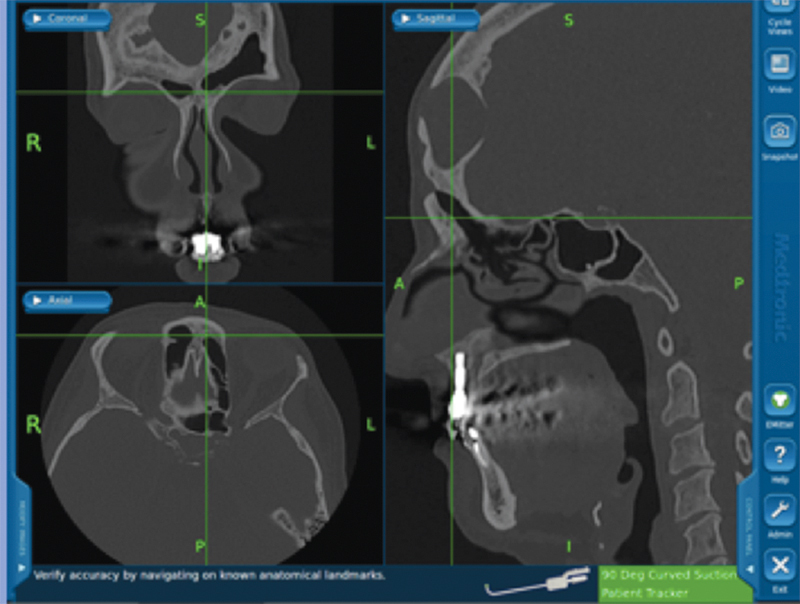
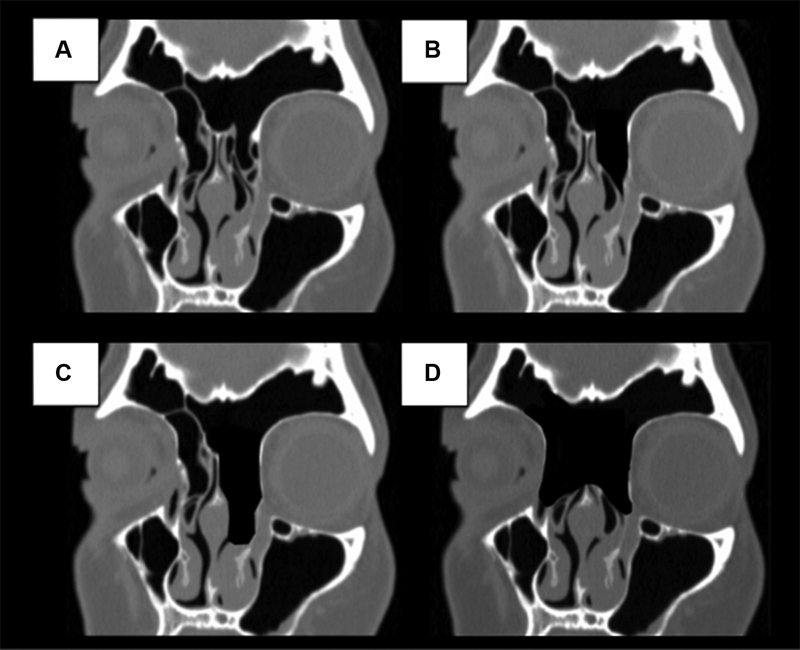
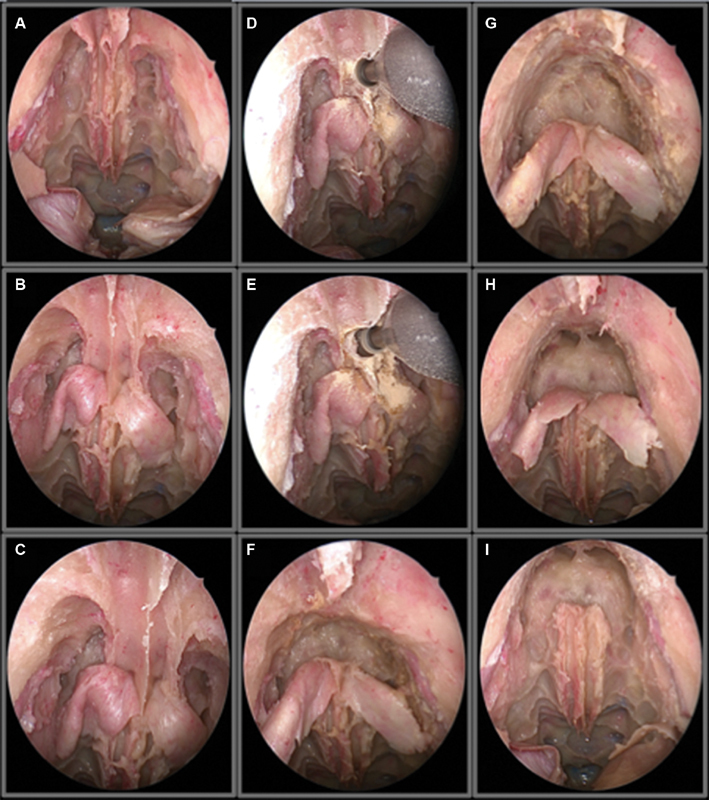
The frontal sinus (FS) is the most complex of the paranasal sinuses due to its location, anatomical variations and multiple clinical presentations. The surgical management of the FS and of the frontal recess (FR) is technically challenging, and a complete understanding of its anatomy, radiology, main diseases and surgical techniques is crucial to achieve therapeutic success. To review the FS and FR anatomy, radiology, and surgical techniques. The FS features a variety of anatomical, volumetric and dimensional characteristics. From the endoscopic point of view, the FR is the point of greatest narrowing and, to have access to this region, one must know the anatomical limits and the ethmoid cells that are located around the FR and very often block the sinus drainage. Benign diseases such as chronic rhinosinusitis (CRS), mucocele and osteomas are the main pathologies found in the FS; however, there is a wide variety of malignant tumors that can also affect this region and represent a major technical challenge to the surgeon. With the advances in the endoscopic technique, the vast majority of diseases that affect the FS can be treated according to Wolfgang Draf, who systemized the approaches into four types (I, IIa, IIb, III). Both benign and malignant diseases that affect the FS and FR can be successfully managed if one has a thorough understanding of the FS and FR anatomy, an individualized approach of the best surgical technique in each case, and the appropriate tools to operate in this region.
额窦(FS)因其位置、解剖变异和多种临床表现,是鼻窦中最复杂的。FS和额隐窝(FR)的手术治疗在技术上具有挑战性,全面了解其解剖结构、放射学、主要疾病及手术技术对于取得治疗成功至关重要。
目的:回顾FS和FR的解剖结构、放射学及手术技术。
FS具有多种解剖、容积和尺寸特征。从内镜角度看,FR是最狭窄的部位,要进入该区域,必须了解其解剖界限以及位于FR周围且常阻塞鼻窦引流的筛窦气房。慢性鼻-鼻窦炎(CRS)、黏液囊肿和骨瘤等良性疾病是FS中常见的主要病变;然而,也有多种恶性肿瘤可累及该区域,这对外科医生构成了重大技术挑战。随着内镜技术的进步,绝大多数累及FS的疾病可根据沃尔夫冈·德拉夫(Wolfgang Draf)提出的方法进行治疗,他将手术入路系统化分为四种类型(I、IIa、IIb、III)。
如果能全面了解FS和FR的解剖结构,针对每种情况采用个体化的最佳手术技术,并具备在该区域操作的合适工具,那么累及FS和FR的良性及恶性疾病都能得到成功治疗。