CEDOC (Chronic Disease Research Center), NOVA Medical School, Faculdade de Ciências Médicas, Universidade Nova de Lisboa, 1150-082 Lisbon, Portugal.
Department of Respiration Physiology, Mossakowski Medical Research Centre, Polish Academy of Sciences, Pawińskiego 5, 02-106 Warsaw, Poland.
Int J Mol Sci. 2020 Aug 3;21(15):5545. doi: 10.3390/ijms21155545.
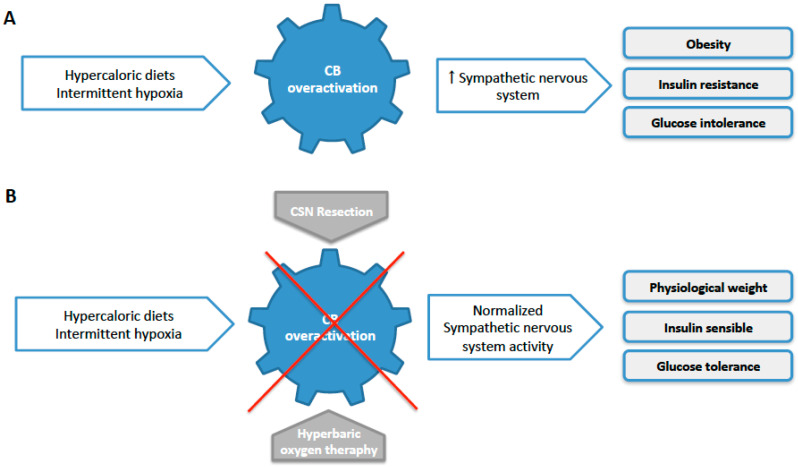
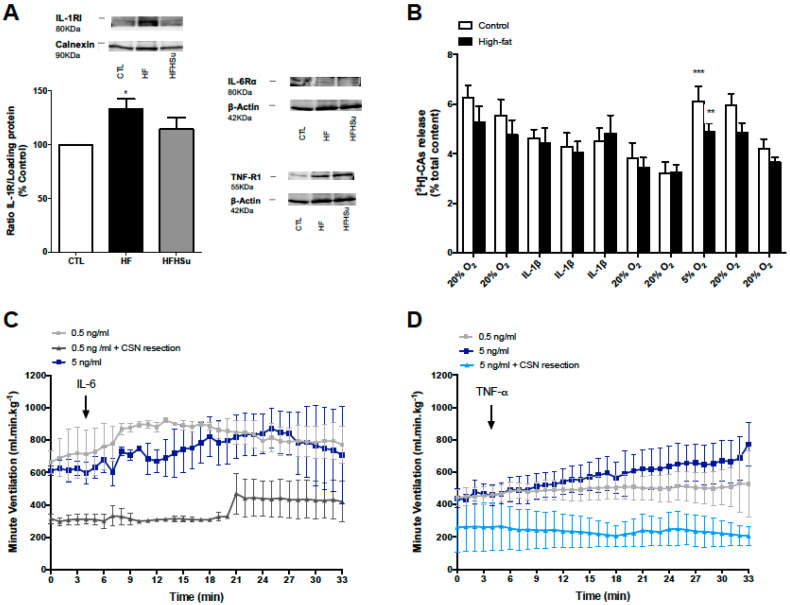
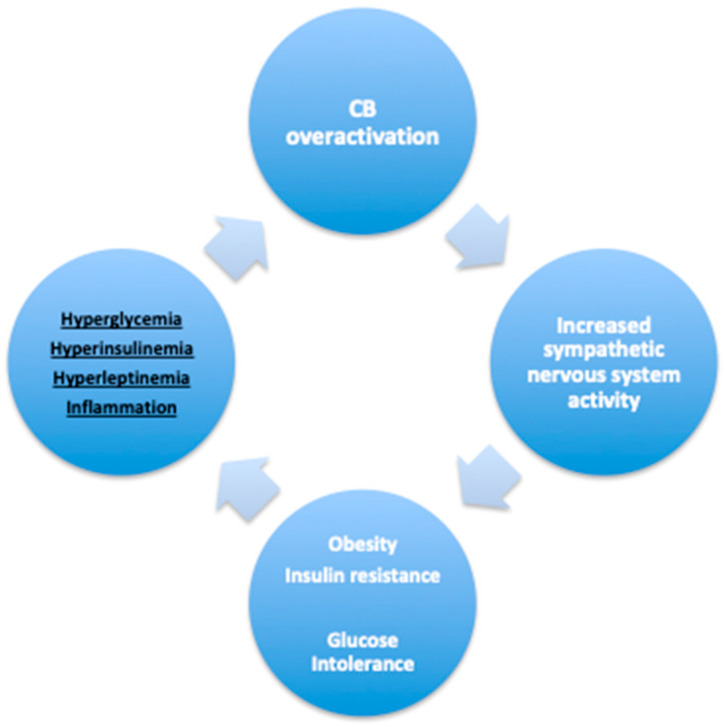
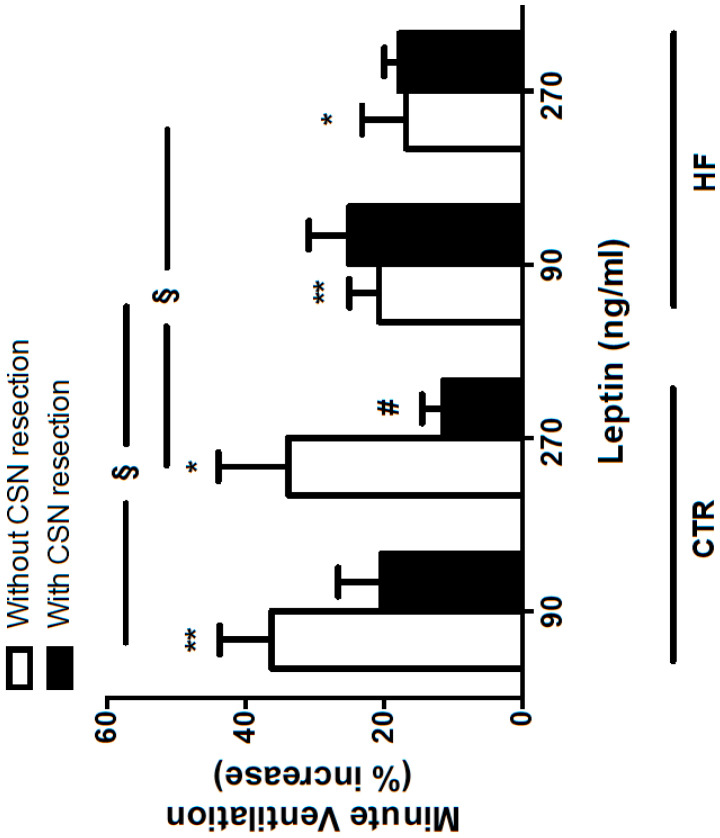
Carotid bodies (CBs) are peripheral chemoreceptors that sense changes in blood O, CO, and pH levels. Apart from ventilatory control, these organs are deeply involved in the homeostatic regulation of carbohydrates and lipid metabolism and inflammation. It has been described that CB dysfunction is involved in the genesis of metabolic diseases and that CB overactivation is present in animal models of metabolic disease and in prediabetes patients. Additionally, resection of the CB-sensitive nerve, the carotid sinus nerve (CSN), or CB ablation in animals prevents and reverses diet-induced insulin resistance and glucose intolerance as well as sympathoadrenal overactivity, meaning that the beneficial effects of decreasing CB activity on glucose homeostasis are modulated by target-related efferent sympathetic nerves, through a reflex initiated in the CBs. In agreement with our pre-clinical data, hyperbaric oxygen therapy, which reduces CB activity, improves glucose homeostasis in type 2 diabetes patients. Insulin, leptin, and pro-inflammatory cytokines activate the CB. In this manuscript, we review in a concise manner the putative pathways linking CB chemoreceptor deregulation with the pathogenesis of metabolic diseases and discuss and present new data that highlight the roles of hyperinsulinemia, hyperleptinemia, and chronic inflammation as major factors contributing to CB dysfunction in metabolic disorders.
颈动脉体(CBs)是外周化学感受器,可感知血液 O、CO 和 pH 水平的变化。除了通气控制外,这些器官还深度参与碳水化合物和脂质代谢以及炎症的稳态调节。已经描述了 CB 功能障碍与代谢疾病的发生有关,并且在代谢疾病的动物模型和糖尿病前期患者中存在 CB 过度激活。此外,切除 CB 敏感神经,即颈动脉窦神经(CSN),或在动物中消融 CB 可预防和逆转饮食诱导的胰岛素抵抗和葡萄糖不耐受以及交感肾上腺过度活跃,这意味着降低 CB 活性对葡萄糖稳态的有益影响是通过在 CB 中启动的反射由目标相关的传出交感神经调节的。与我们的临床前数据一致,降低 CB 活性的高压氧治疗可改善 2 型糖尿病患者的葡萄糖稳态。胰岛素、瘦素和促炎细胞因子激活 CB。在本文中,我们简明地综述了 CB 化学感受器失调与代谢疾病发病机制之间的假定途径,并讨论和提出了新的数据,强调了高胰岛素血症、高瘦素血症和慢性炎症作为导致代谢紊乱中 CB 功能障碍的主要因素的作用。