He Puhan, Iwanaga Joe, Matsushita Yuki, Adeeb Nimer, Topale Nitsa, Tubbs R Shane, Kusukawa Jingo
Harvard School of Dental Medicine, Harvard University, Cambridge, USA.
Neurosurgery, Tulane Center for Clinical Neurosciences, Tulane University School of Medicine, New Orleans, USA.
Cureus. 2017 Dec 8;9(12):e1924. doi: 10.7759/cureus.1924.
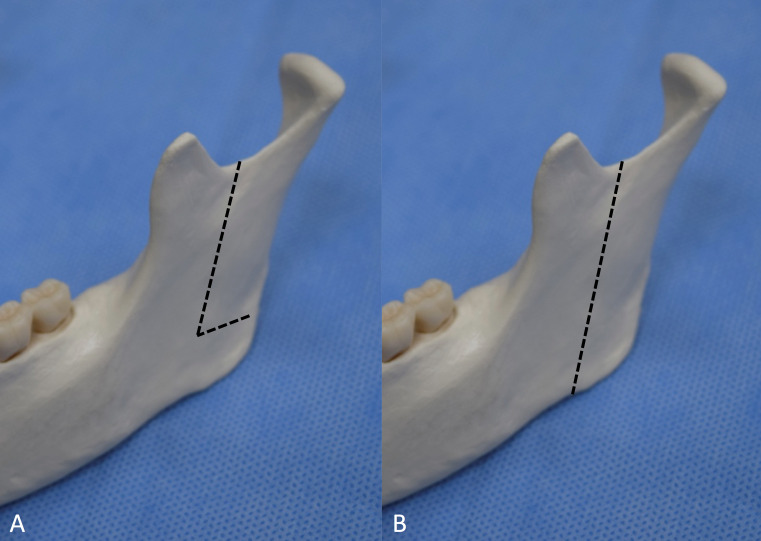
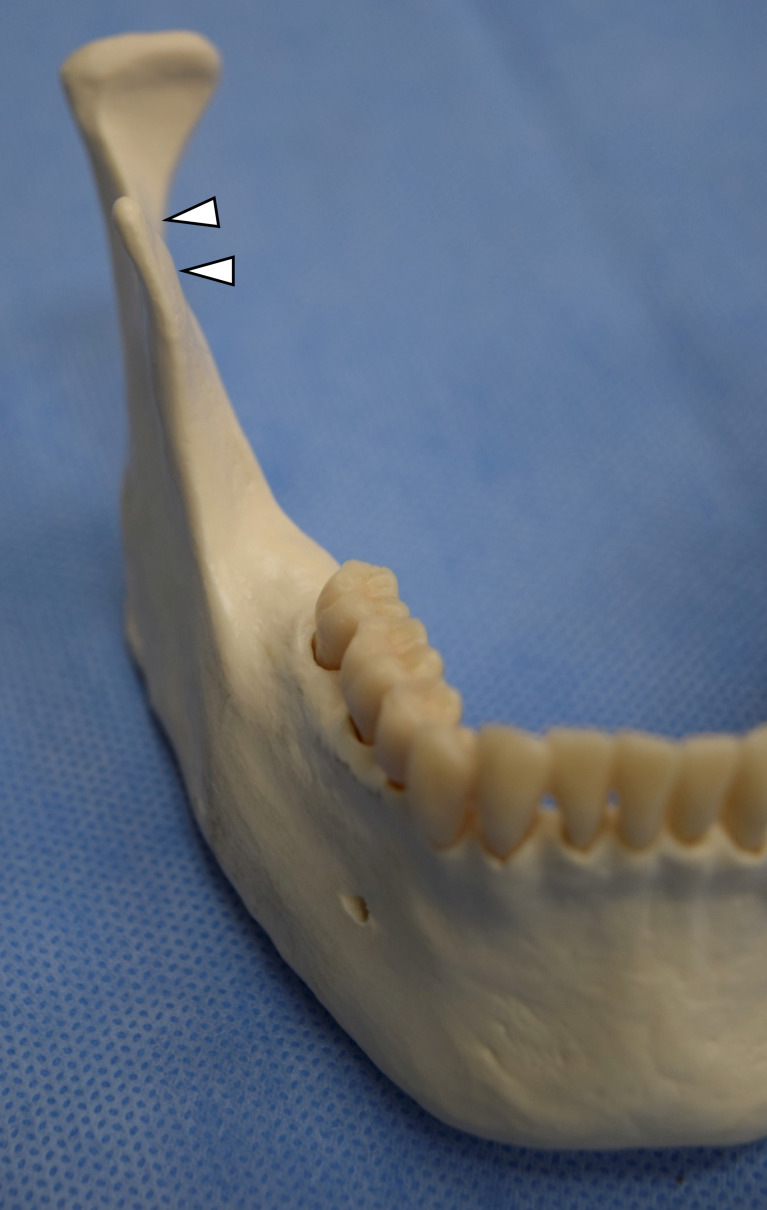
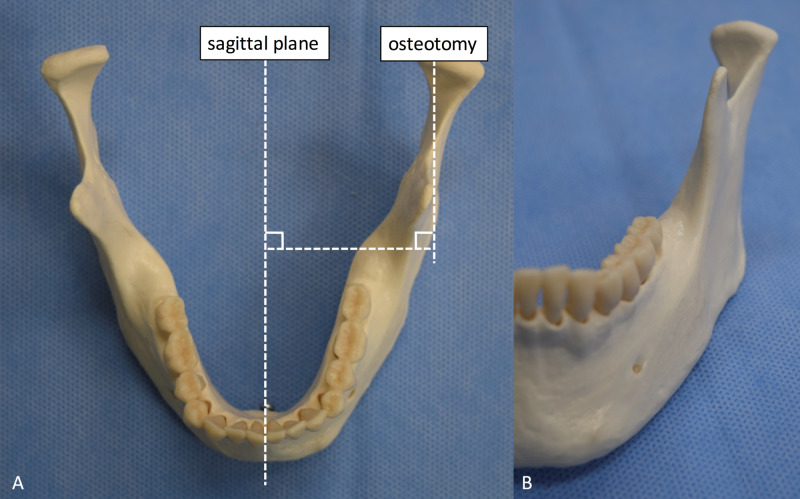
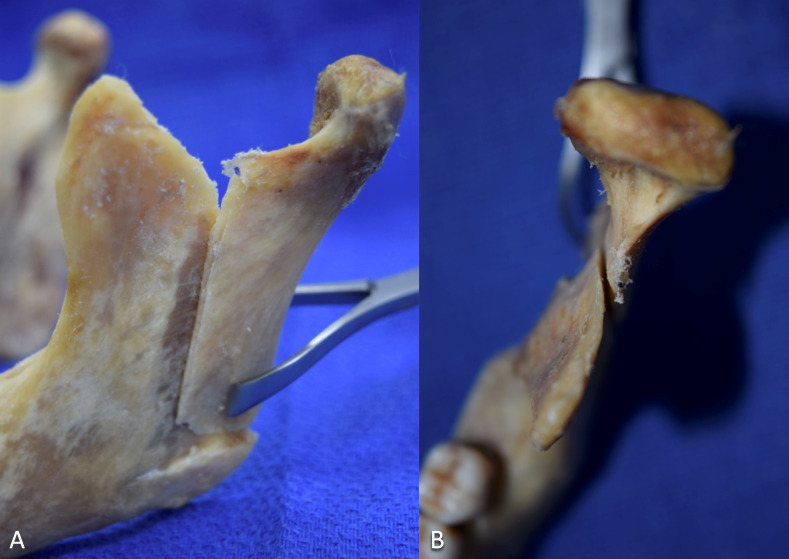
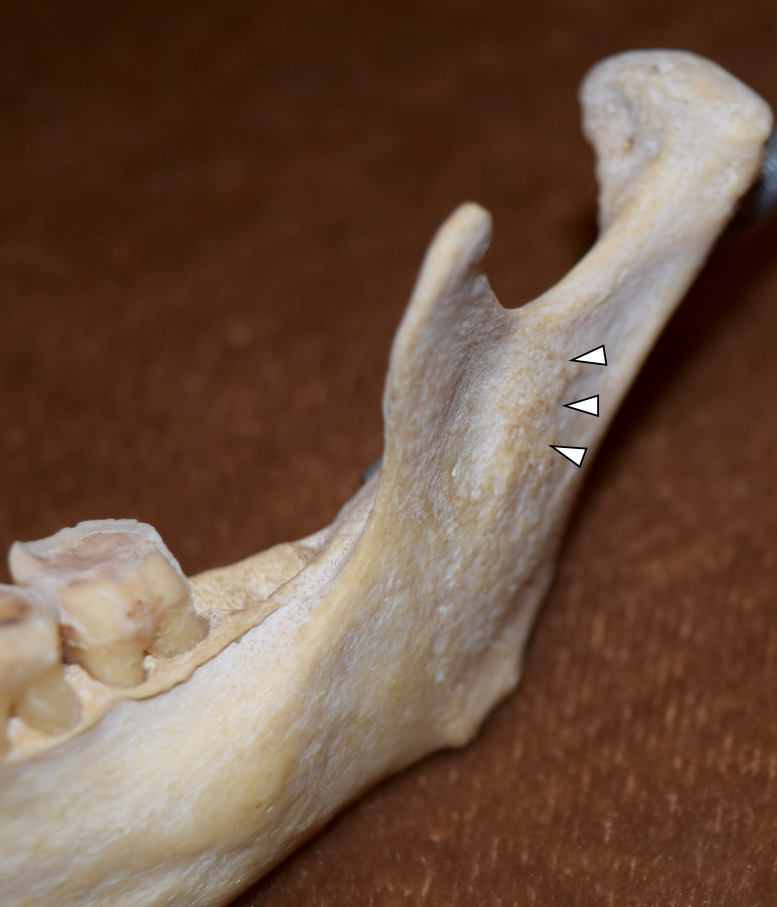
Severe dentofacial deformities require both orthodontics and surgical management to repair. Modern mandibular orthognathic surgery commonly uses sagittal split ramus osteotomy (SSRO) and intraoral vertical ramus osteotomy (IVRO) methods to treat patients. However, complications like neurosensory disturbances and temporomandibular joint disorders are common following both procedures. In 1992, Choung introduced the intraoral vertico-sagittal ramus osteotomy (IVSRO) which led to a decrease in postoperative complications. The 'straight' IVSRO or Choung's type II osteotomy has a 'condylotomy' effect that reduces iatrogenic temporomandibular joint symptoms and treats preoperative temporomandibular joint symptoms. This osteotomy type is especially applicable for prognathism with excessive flaring of the ramus and with temporomandibular joint dysfunction. The 'L-shaped' IVSRO or Choung's type I osteotomy is indicated for patients with condylar hyperplasia and high condylar process fractures.
严重的牙颌面畸形需要正畸和外科手术联合治疗。现代下颌正颌手术通常采用下颌升支矢状劈开截骨术(SSRO)和口内垂直升支截骨术(IVRO)来治疗患者。然而,这两种手术术后常见神经感觉障碍和颞下颌关节紊乱等并发症。1992年,Choung提出了口内垂直矢状升支截骨术(IVSRO),该术式可减少术后并发症。“直形”IVSRO或Choung II型截骨术具有“髁突截骨”效应,可减轻医源性颞下颌关节症状,并治疗术前颞下颌关节症状。这种截骨术式特别适用于下颌升支过度外展且伴有颞下颌关节功能障碍的前突病例。“L形”IVSRO或Choung I型截骨术适用于髁突增生和髁突高位骨折患者。