Leal Lorna, Fehér Csaba, Richart Valèria, Torres Berta, García Felipe
Infectious Diseases Department-HIV Unit, Hospital Clínic Barcelona, IDIBAPS, University of Barcelona, 08036 Barcelona, Spain.
AIDS Research Group, IDIBAPS, Hospital Clinic, University of Barcelona, 08036 Barcelona, Spain.
Vaccines (Basel). 2020 Aug 5;8(3):442. doi: 10.3390/vaccines8030442.
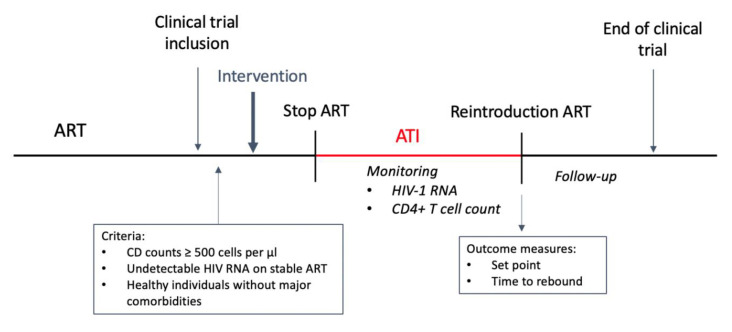
A functional Human immunodeficiency Virus (HIV) cure has been proposed as an alternative to antiretroviral treatment for life, and therapeutic vaccines represent one of the most promising approaches. The goal of therapeutic vaccination is to augment virus-specific immune responses that have an impact on HIV viral load dynamics. To date, the agreed feature to evaluate the effects of these therapeutic interventions is analytical antiretroviral treatment interruption (ATI), at least until we find a reliable biomarker that can predict viral control. Different host, immunologic, and virologic markers have been proposed as predictors of viral control during ATI after therapeutic interventions. This review describes the relevance of ATI and the different surrogate markers of virological control assessed in HIV therapeutic vaccine clinical trials.
功能性治愈人类免疫缺陷病毒(HIV)被提议作为终身抗逆转录病毒治疗的替代方案,而治疗性疫苗是最有前景的方法之一。治疗性疫苗的目标是增强对HIV病毒载量动态有影响的病毒特异性免疫反应。迄今为止,评估这些治疗性干预效果的公认特征是分析性抗逆转录病毒治疗中断(ATI),至少在我们找到能够预测病毒控制的可靠生物标志物之前是这样。不同的宿主、免疫和病毒学标志物已被提议作为治疗性干预后ATI期间病毒控制的预测指标。本综述描述了ATI的相关性以及在HIV治疗性疫苗临床试验中评估的病毒学控制的不同替代标志物。