Research School of Biology, The Australian National University, Canberra, ACT, 2601, Australia.
Bio21 Molecular Science and Biotechnology Institute, University of Melbourne, Melbourne, VIC, 3052, Australia.
Nat Commun. 2020 Aug 6;11(1):3922. doi: 10.1038/s41467-020-17781-6.
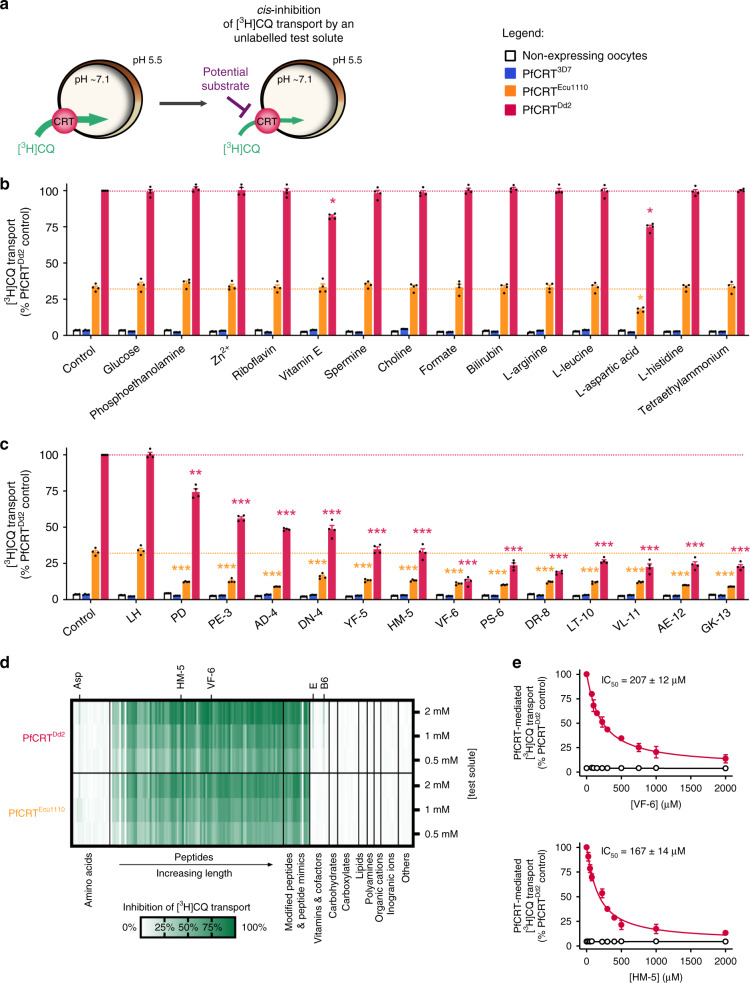
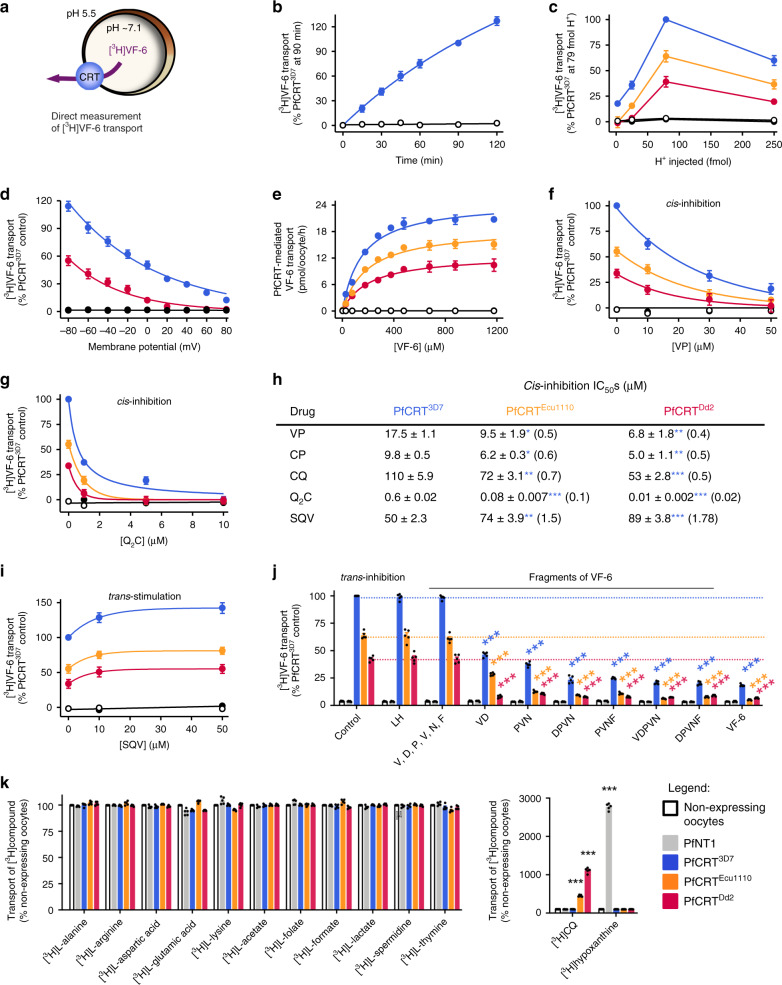
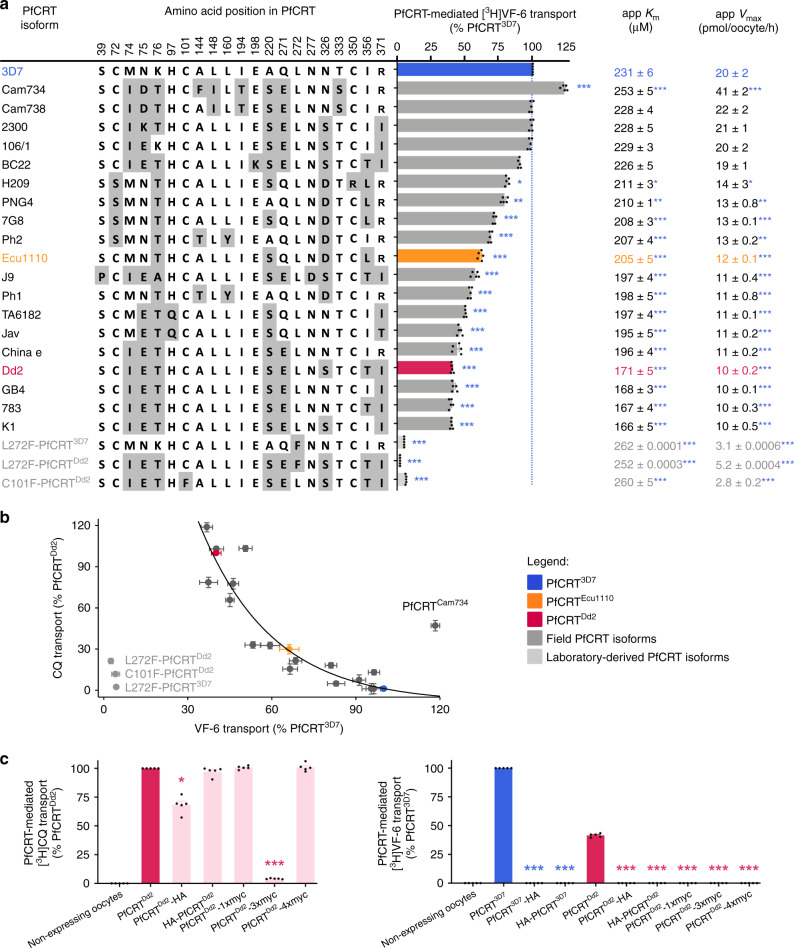
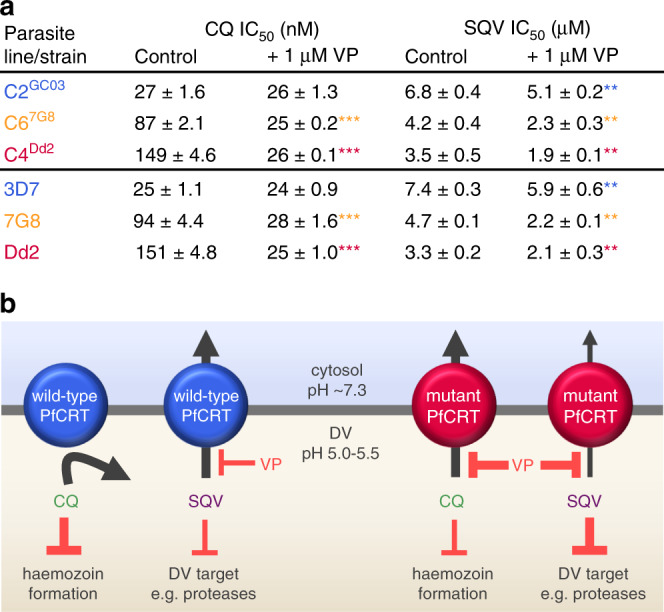
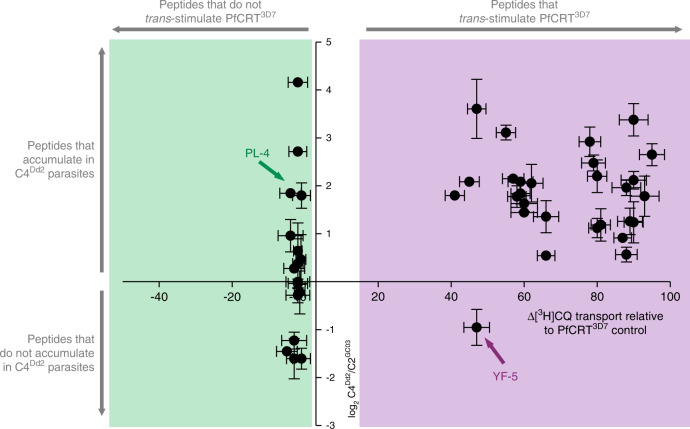
The Plasmodium falciparum chloroquine resistance transporter (PfCRT) is a key contributor to multidrug resistance and is also essential for the survival of the malaria parasite, yet its natural function remains unresolved. We identify host-derived peptides of 4-11 residues, varying in both charge and composition, as the substrates of PfCRT in vitro and in situ, and show that PfCRT does not mediate the non-specific transport of other metabolites and/or ions. We find that drug-resistance-conferring mutations reduce both the peptide transport capacity and substrate range of PfCRT, explaining the impaired fitness of drug-resistant parasites. Our results indicate that PfCRT transports peptides from the lumen of the parasite's digestive vacuole to the cytosol, thereby providing a source of amino acids for parasite metabolism and preventing osmotic stress of this organelle. The resolution of PfCRT's native substrates will aid the development of drugs that target PfCRT and/or restore the efficacy of existing antimalarials.
疟原虫氯喹耐药转运蛋白(PfCRT)是多药耐药的关键贡献者,也是疟原虫生存所必需的,但它的自然功能仍未得到解决。我们鉴定出宿主衍生的 4-11 个残基的肽,在电荷和组成上都有变化,是 PfCRT 在体外和体内的底物,并表明 PfCRT 不会介导其他代谢物和/或离子的非特异性转运。我们发现,耐药相关突变降低了 PfCRT 的肽转运能力和底物范围,解释了耐药寄生虫适应性降低的原因。我们的结果表明,PfCRT 将肽从寄生虫消化液泡的腔室转运到细胞质中,从而为寄生虫代谢提供了氨基酸来源,并防止了该细胞器的渗透应激。PfCRT 天然底物的解析将有助于开发针对 PfCRT 的药物,并/或恢复现有抗疟药物的疗效。