Bose Dipro, Mondal Ayan, Saha Punnag, Kimono Diana, Sarkar Sutapa, Seth Ratanesh K, Janulewicz Patricia, Sullivan Kimberly, Horner Ronnie, Klimas Nancy, Nagarkatti Mitzi, Nagarkatti Prakash, Chatterjee Saurabh
Environmental Health and Disease Laboratory, Department of Environmental Health Sciences, University of South Carolina, Columbia, SC 29208, USA.
Department of Environmental Health, Boston University School of Public Health, Boston, MA 02118, USA.
Brain Sci. 2020 Aug 8;10(8):532. doi: 10.3390/brainsci10080532.
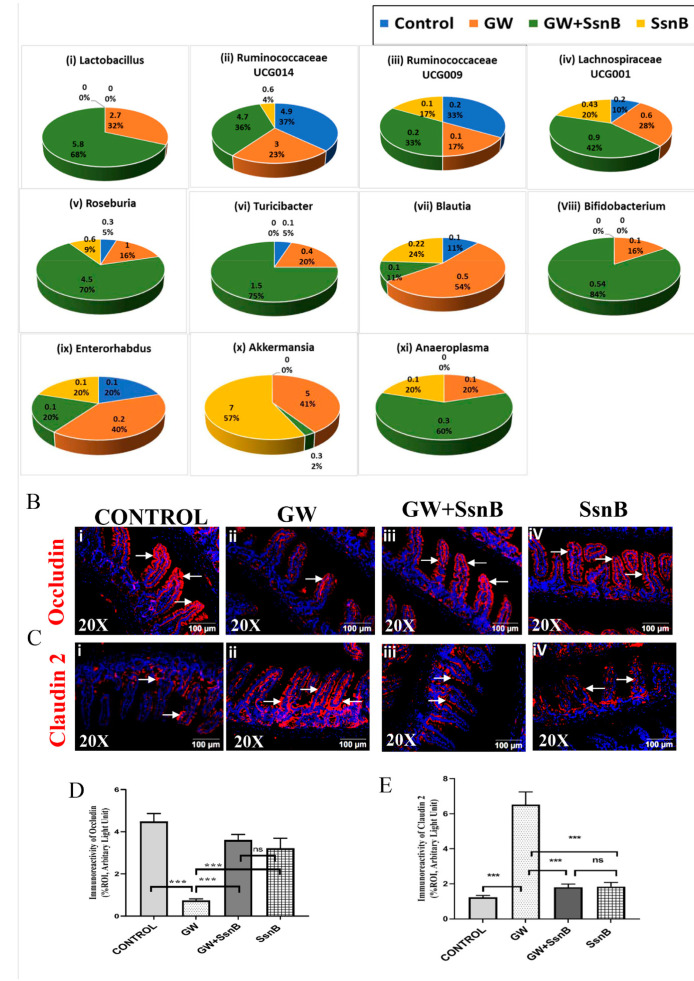
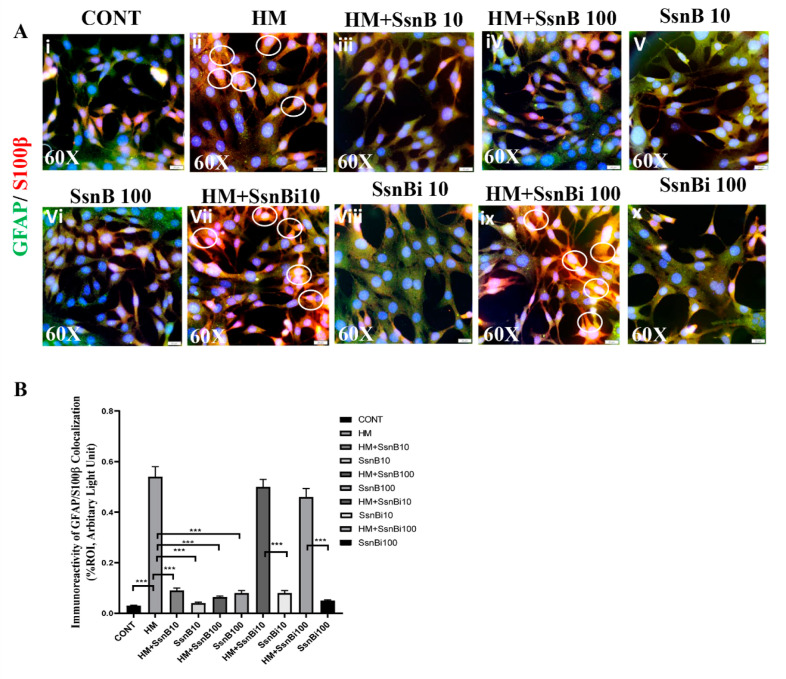
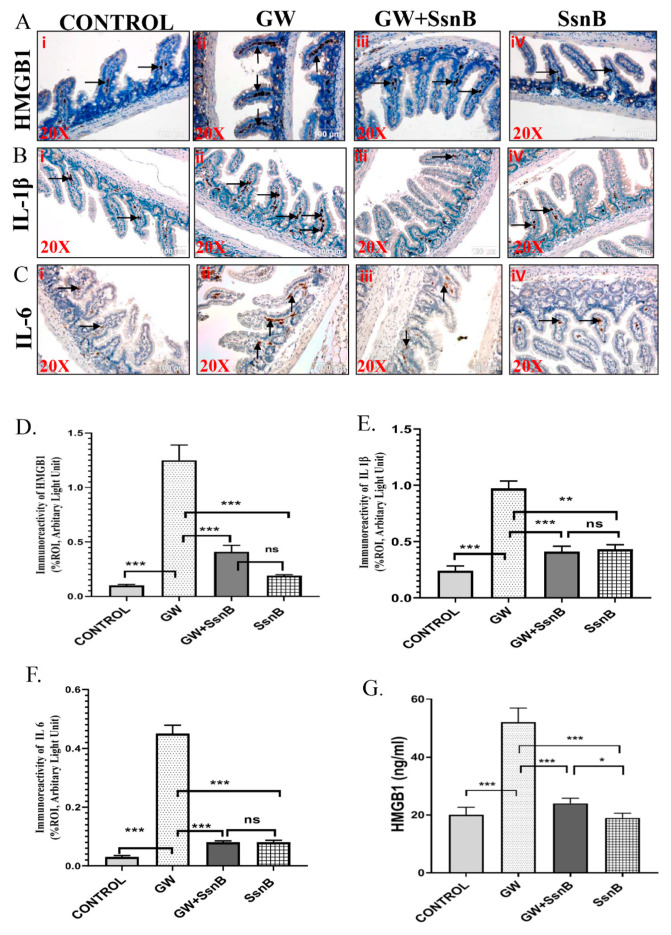
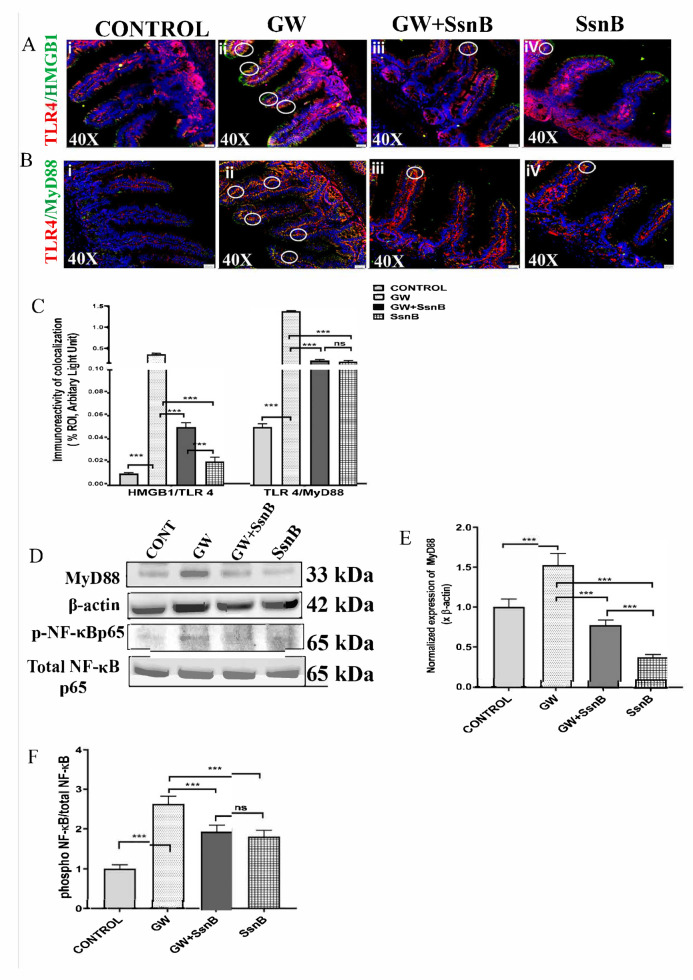
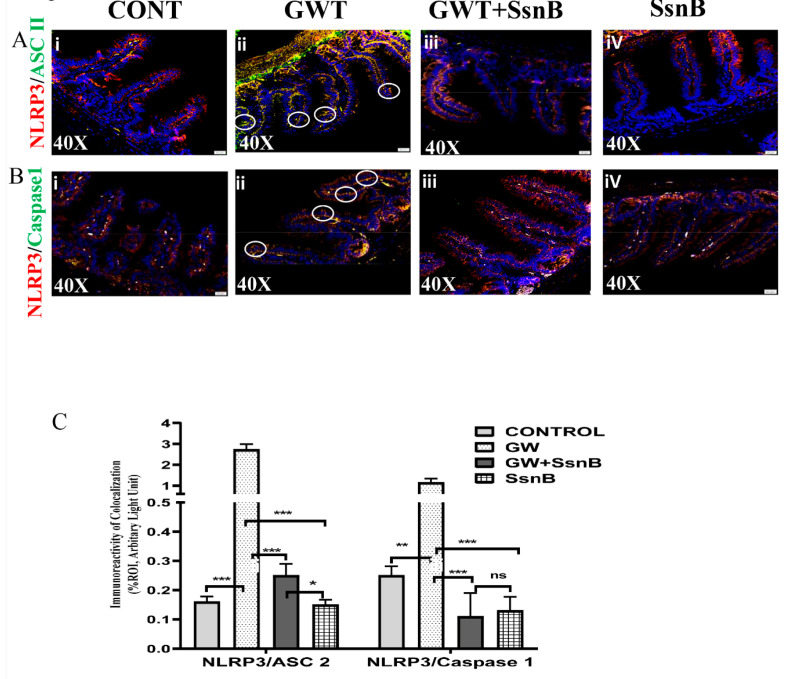
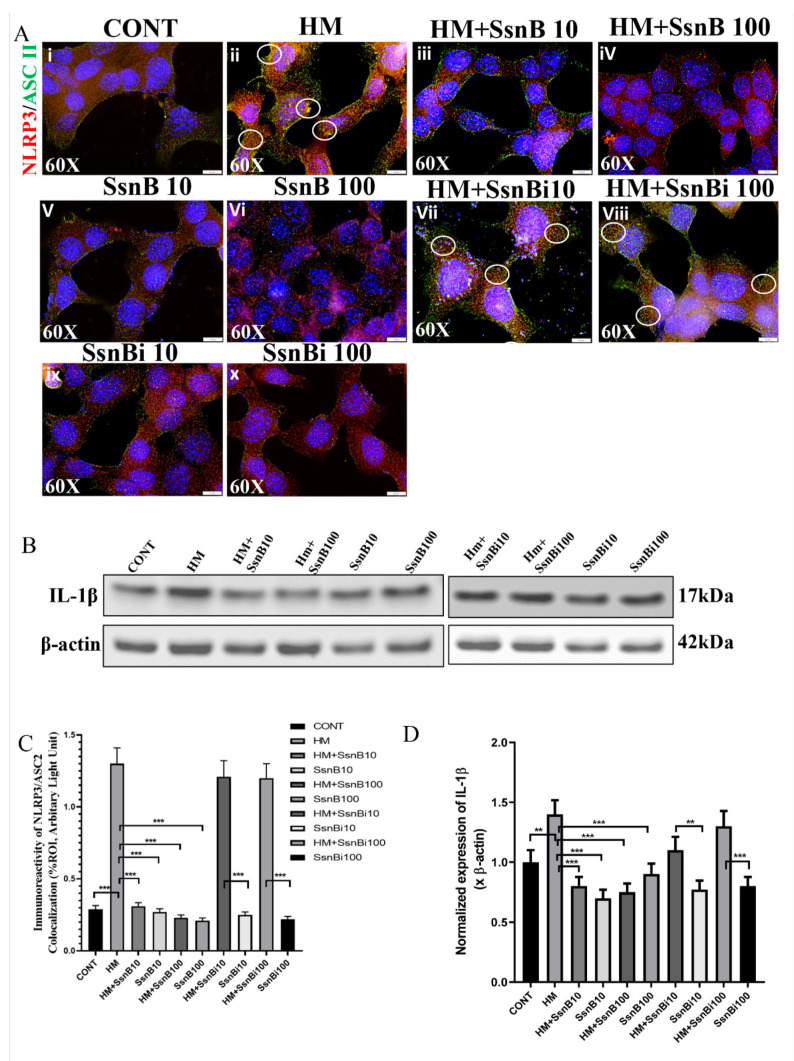
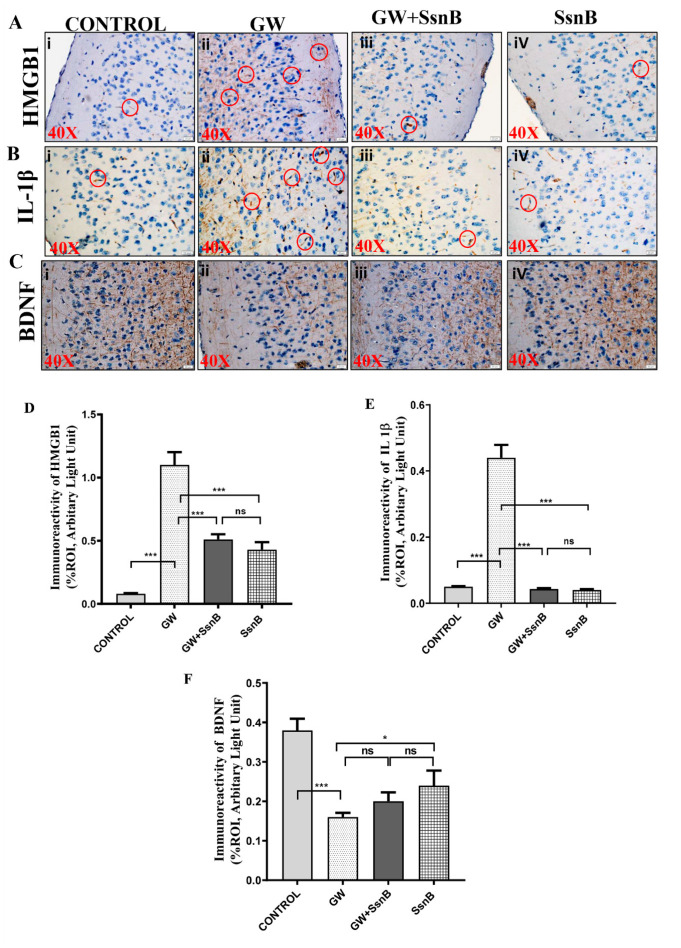
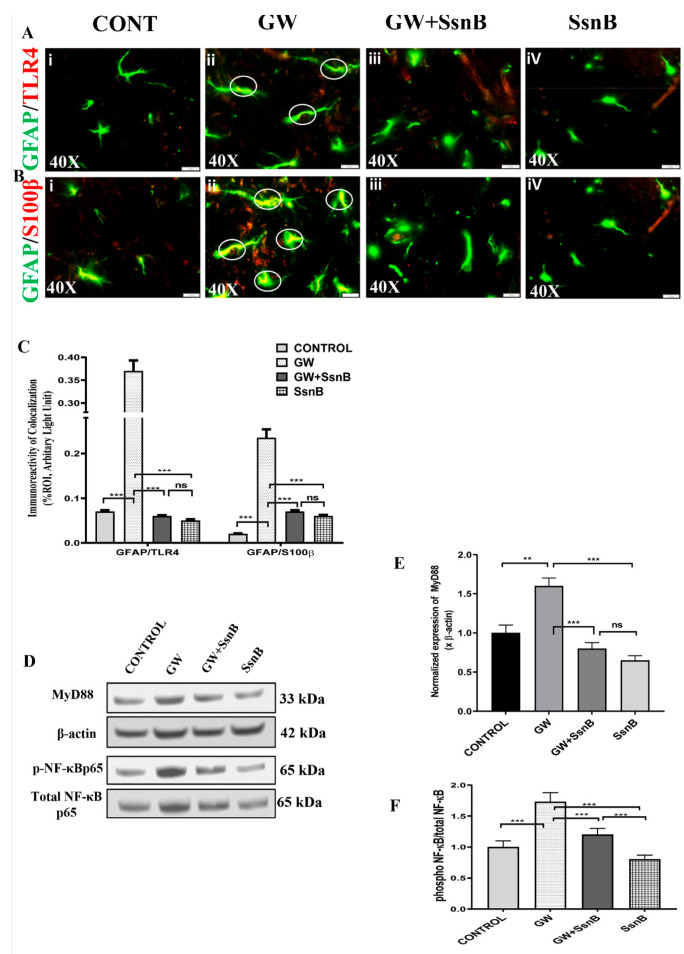
The 1991 Persian Gulf War veterans presented a myriad of symptoms that ranged from chronic pain, fatigue, gastrointestinal disturbances, and cognitive deficits. Currently, no therapeutic regimen exists to treat the plethora of chronic symptoms though newer pharmacological targets such as microbiome have been identified recently. Toll-like receptor 4 (TLR4) antagonism in systemic inflammatory diseases have been tried before with limited success, but strategies with broad-spectrum TLR4 antagonists and their ability to modulate the host-microbiome have been elusive. Using a mouse model of Gulf War Illness, we show that a nutraceutical, derived from a Chinese herb Sparstolonin B (SsnB) presented a unique microbiome signature with an increased abundance of butyrogenic bacteria. SsnB administration restored a normal tight junction protein profile with an increase in Occludin and a parallel decrease in Claudin 2 and inflammatory mediators high mobility group box 1 (HMGB1), interleukin-1β (IL-1β), and interleukin-6 (IL-6) in the distal intestine. SsnB also decreased neuronal inflammation by decreasing IL-1β and HMGB1, while increasing brain-derived neurotrophic factor (BDNF), with a parallel decrease in astrocyte activation in vitro. Mechanistically, SsnB inhibited the binding of HMGB1 and myeloid differentiation primary response protein (MyD88) to TLR4 in the intestine, thus attenuating TLR4 downstream signaling. Studies also showed that SsnB was effective in suppressing TLR4-induced nod-like receptor protein 3 (NLRP3) inflammasome activation, a prominent inflammatory disease pathway. SsnB significantly decreased astrocyte activation by decreasing colocalization of glial fibrillary acid protein (GFAP) and S100 calcium-binding protein B (S100B), a crucial event in neuronal inflammation. Inactivation of SsnB by treating the parent molecule by acetate reversed the deactivation of NLRP3 inflammasome and astrocytes in vitro, suggesting that SsnB molecular motifs may be responsible for its anti-inflammatory activity.
1991年海湾战争退伍军人出现了一系列症状,包括慢性疼痛、疲劳、胃肠道紊乱和认知缺陷。目前,尽管最近已确定了如微生物群等新的药理学靶点,但尚无治疗这些大量慢性症状的治疗方案。之前曾尝试在全身性炎症疾病中拮抗Toll样受体4(TLR4),但效果有限,而具有广谱TLR4拮抗剂及其调节宿主微生物群能力的策略一直难以捉摸。利用海湾战争疾病的小鼠模型,我们发现一种源自中草药蛇床子素B(SsnB)的营养保健品呈现出独特的微生物群特征,产丁酸细菌的丰度增加。给予SsnB可恢复正常的紧密连接蛋白谱,使远端肠道中闭合蛋白增加,同时紧密连接蛋白2和炎症介质高迁移率族蛋白B1(HMGB1)、白细胞介素-1β(IL-1β)和白细胞介素-6(IL-6)平行减少。SsnB还通过降低IL-1β和HMGB1来减少神经元炎症,同时增加脑源性神经营养因子(BDNF),体外星形胶质细胞活化也随之平行减少。从机制上讲,SsnB抑制HMGB1和髓样分化初级反应蛋白(MyD88)与肠道中TLR4的结合,从而减弱TLR4下游信号传导。研究还表明,SsnB可有效抑制TLR4诱导的NOD样受体蛋白3(NLRP3)炎性小体活化,这是一条重要的炎症疾病途径。SsnB通过减少胶质纤维酸性蛋白(GFAP)和S100钙结合蛋白B(S100B)的共定位,显著降低星形胶质细胞活化,这是神经元炎症中的一个关键事件。用乙酸处理母体分子使SsnB失活,可逆转体外NLRP3炎性小体和星形胶质细胞的失活,表明SsnB分子基序可能是其抗炎活性的原因。