Morgan Shannon E, Schroten Horst, Ishikawa Hiroshi, Zhao Ningning
Department of Nutritional Sciences, University of Arizona, Tucson, AZ 85721, USA.
Department of Pediatrics, Pediatric Infectious Diseases, Medical Faculty Mannheim, Heidelberg University, 68167 Mannheim, Germany.
Brain Sci. 2020 Aug 8;10(8):534. doi: 10.3390/brainsci10080534.
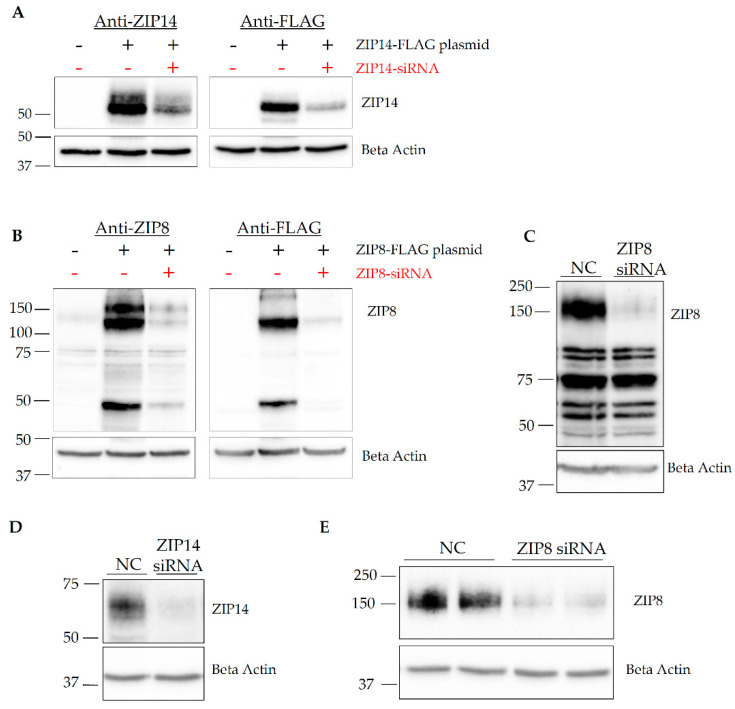
The blood-cerebrospinal fluid barrier (BCB) is important in maintaining brain manganese (Mn) homeostasis. This barrier consists of a single layer of epithelial cells, connected by tight junctions, that restrict the passage of nutrients to only allow molecules to be carried through the membrane by a transporter. These epithelial cells are polarized with asymmetrical blood-facing and cerebrospinal fluid-facing sides. Here, we have established a polarized model of a human choroid plexus papilloma cell line, HIBCPP. For the first time, Mn importers ZIP14 and ZIP8 were identified in HIBCPP cells and were found to be enriched at the basolateral and apical sides of the cell monolayer, respectively. The localization of each ZIP protein adds to the understanding of Mn transport across the HIBCPP BCB model to help understand the mechanism of Mn homeostasis within the brain.
血脑屏障(BCB)在维持脑锰(Mn)稳态中起重要作用。该屏障由单层上皮细胞组成,这些细胞通过紧密连接相连,限制营养物质的通过,仅允许分子通过转运体穿过膜。这些上皮细胞呈极性,具有不对称的面向血液和面向脑脊液的面。在此,我们建立了人脉络丛乳头状瘤细胞系HIBCPP的极性模型。首次在HIBCPP细胞中鉴定出锰转运体ZIP14和ZIP8,发现它们分别富集在细胞单层的基底外侧和顶端侧。每种ZIP蛋白的定位有助于理解锰在HIBCPP血脑屏障模型中的转运,从而有助于了解脑内锰稳态的机制。