Hubei Key Laboratory of Animal Nutrition and Feed Science, Wuhan Polytechnic University, Wuhan, 430023, People's Republic of China.
Hubei Collaborative Innovation Center for Animal Nutrition and Feed Safety, Wuhan, 430023, People's Republic of China.
Vet Res. 2020 Aug 14;51(1):102. doi: 10.1186/s13567-020-00826-5.
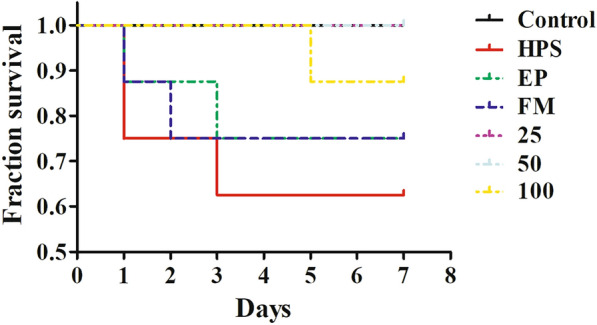
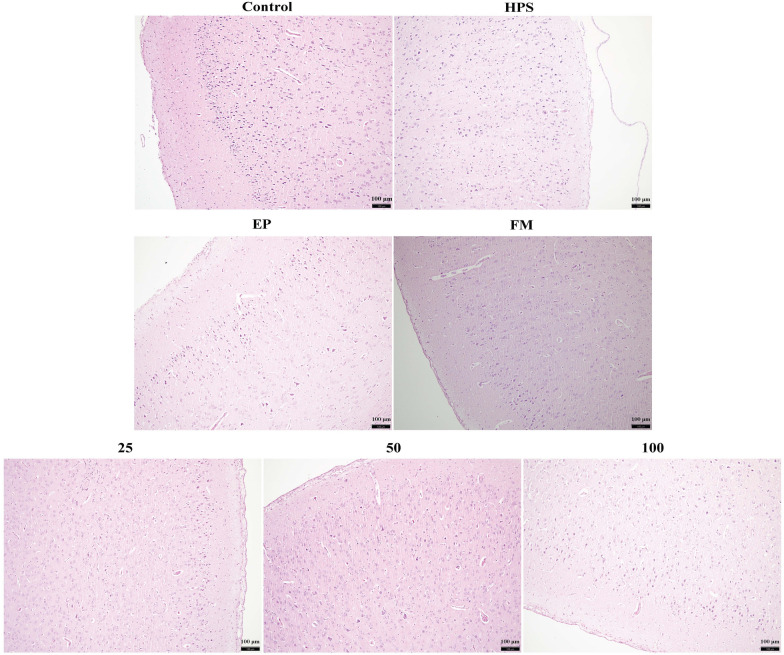
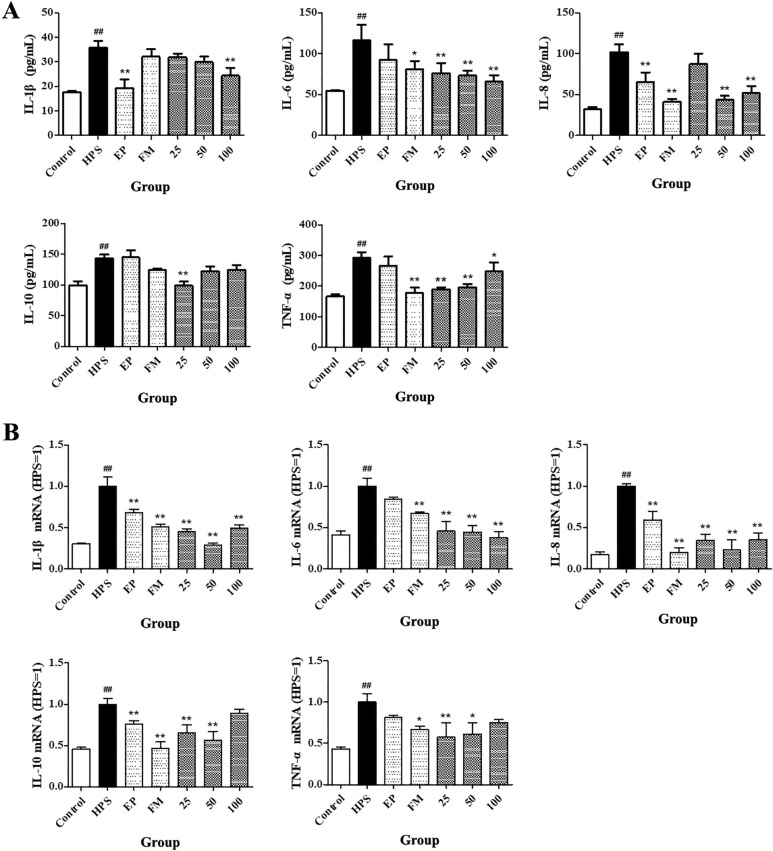
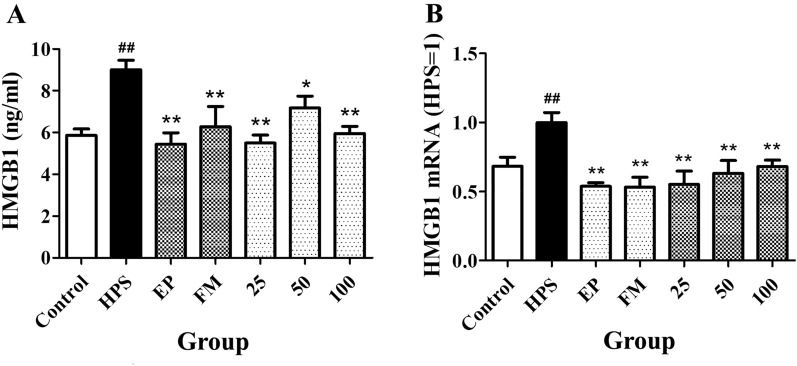
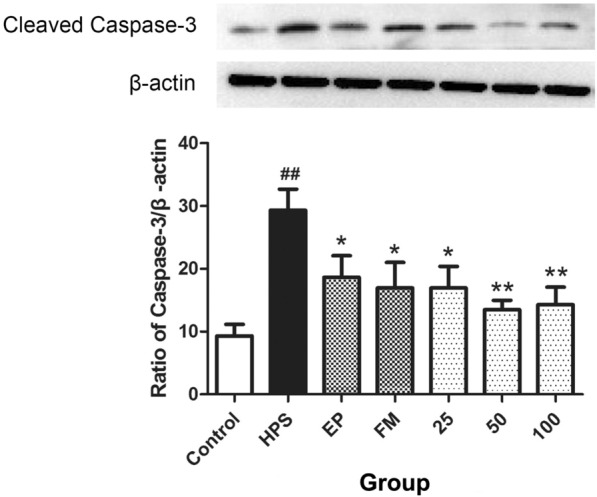
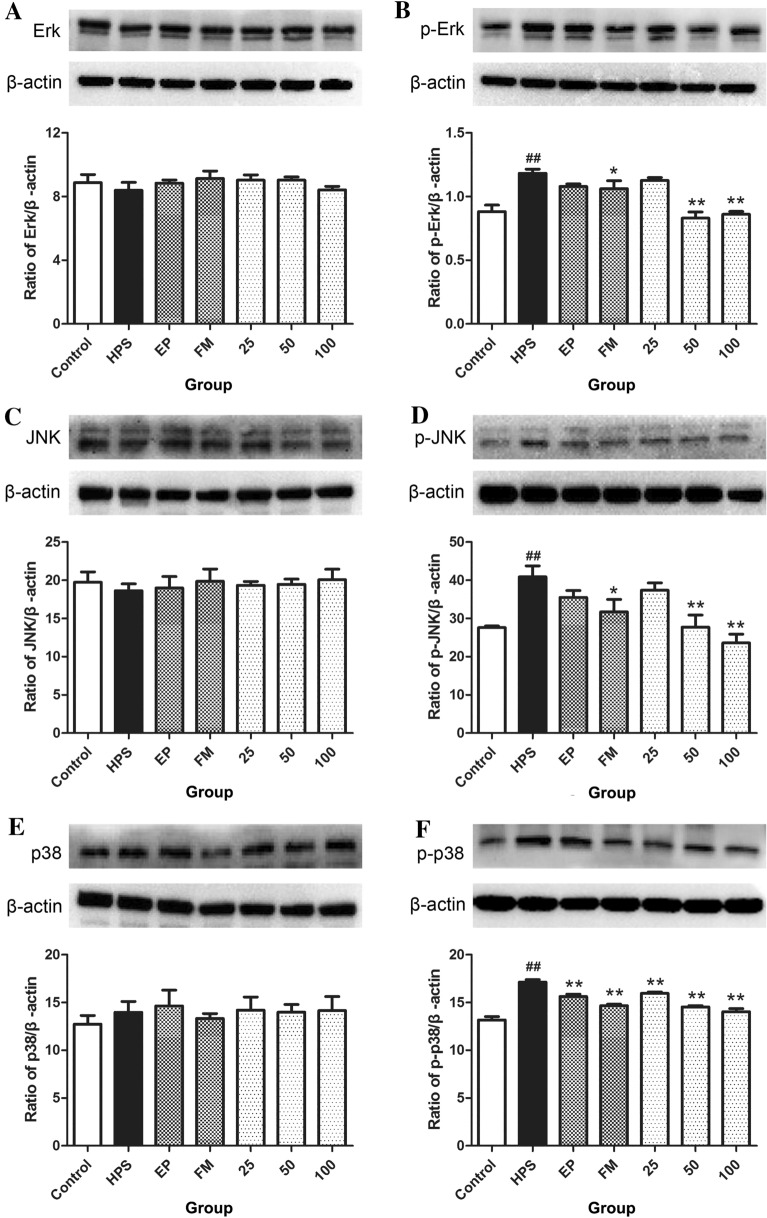
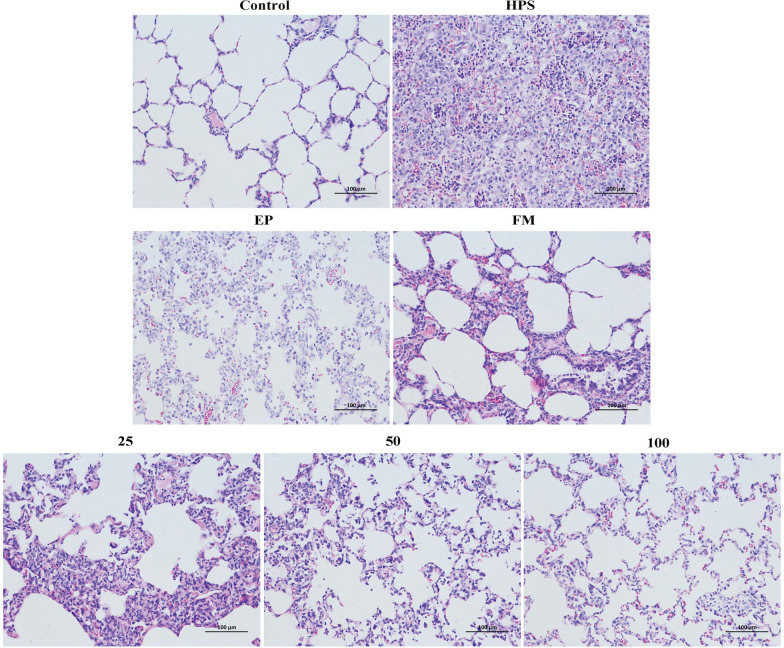
Glaesserella parasuis (G. parasuis) causes porcine vascular inflammation and damage. Baicalin is reported to have antioxidant and anti-inflammatory functions. However, whether baicalin protects piglets against G. parasuis challenge and the potential protective mechanism have not been investigated. Therefore, in this study, we comprehensively examined the protective efficacy of baicalin in piglets challenged with G. parasuis and the possible protective mechanism. Our results show that baicalin attenuated the release of the inflammation-related cytokines interleukin (IL) 1β, IL6, IL8, IL10, and tumour necrosis factor α (TNF-α) and reduced high mobility group box 1 (HMGB1) production and cell apoptosis in piglets infected with G. parasuis. Baicalin also inhibited the activation of the mitogen-activated protein kinase (MAPK) signalling pathway and protected piglets against G. parasuis challenge. Taken together, our data suggest that baicalin could protect piglets from G. parasuis by reducing HMGB1 release, attenuating cell apoptosis, and inhibiting MAPK signalling activation, thereby alleviating the inflammatory response induced by the bacteria. Our results suggest that baicalin has utility as a novel therapeutic drug to control G. parasuis infection.
副猪嗜血杆菌(Glaesserella parasuis,G. parasuis)可引起猪血管炎症和损伤。黄芩苷具有抗氧化和抗炎作用。然而,黄芩苷是否能保护仔猪免受 G. parasuis 挑战以及潜在的保护机制尚未得到研究。因此,在本研究中,我们全面研究了黄芩苷对 G. parasuis 感染仔猪的保护作用及其可能的保护机制。结果表明,黄芩苷可减轻炎症相关细胞因子白细胞介素(IL)1β、IL6、IL8、IL10 和肿瘤坏死因子α(TNF-α)的释放,并减少高迁移率族蛋白 B1(HMGB1)的产生和细胞凋亡。黄芩苷还抑制丝裂原活化蛋白激酶(MAPK)信号通路的激活,从而保护仔猪免受 G. parasuis 挑战。综上所述,本研究数据表明,黄芩苷通过减少 HMGB1 释放、减轻细胞凋亡和抑制 MAPK 信号通路激活,从而减轻细菌引起的炎症反应,可保护仔猪免受 G. parasuis 感染。研究结果表明,黄芩苷可能作为一种新型治疗药物用于控制 G. parasuis 感染。