Crop Genetics Department, John Innes Centre, Norwich NR4 7UH, UK.
Cell and Developmental Biology Department, John Innes Centre, Norwich NR4 7UH, UK.
Curr Biol. 2020 Oct 5;30(19):3880-3888.e5. doi: 10.1016/j.cub.2020.07.055. Epub 2020 Aug 13.
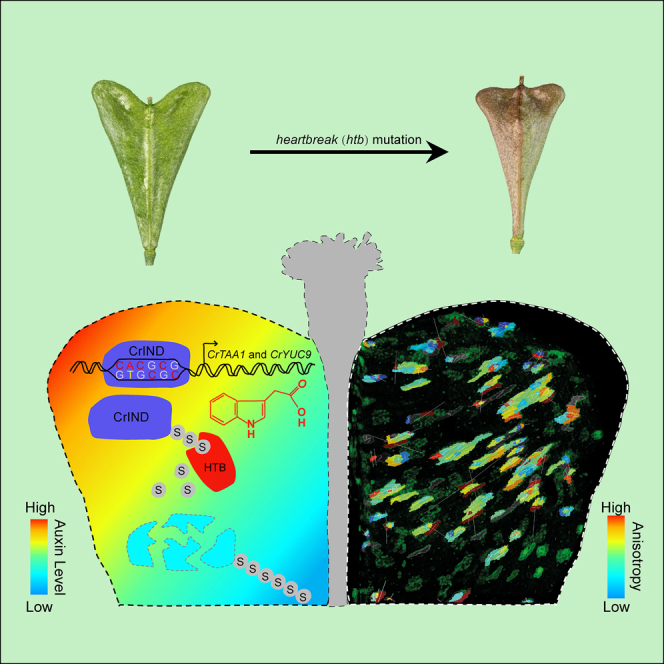
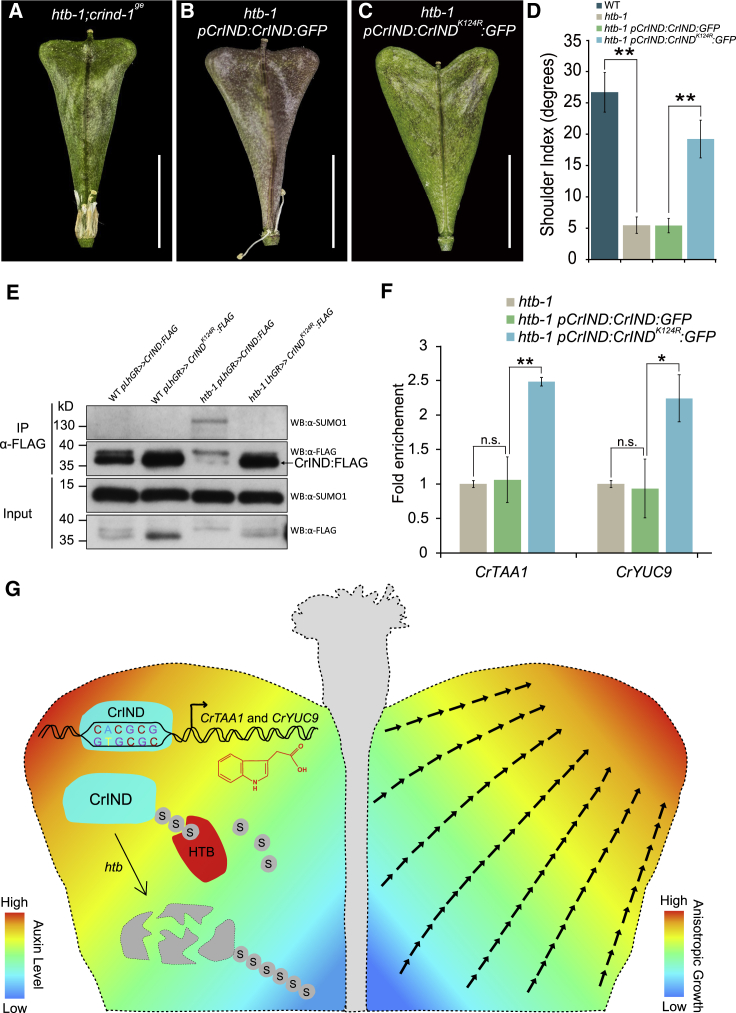
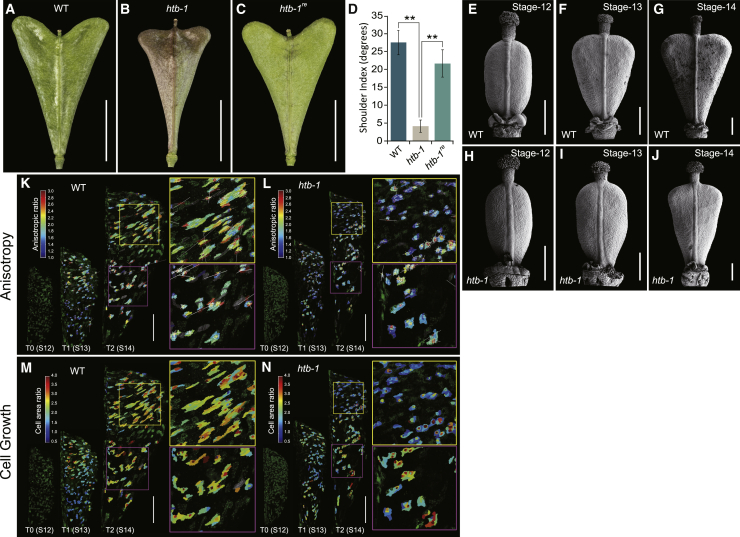
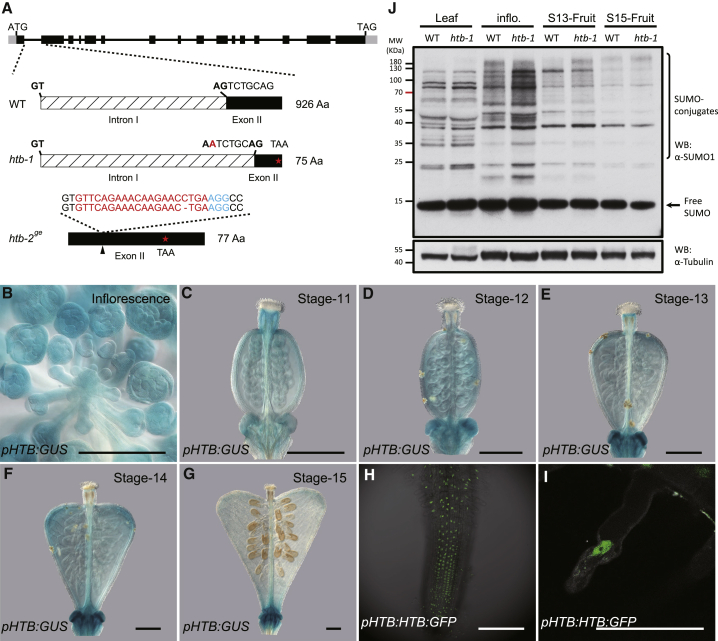
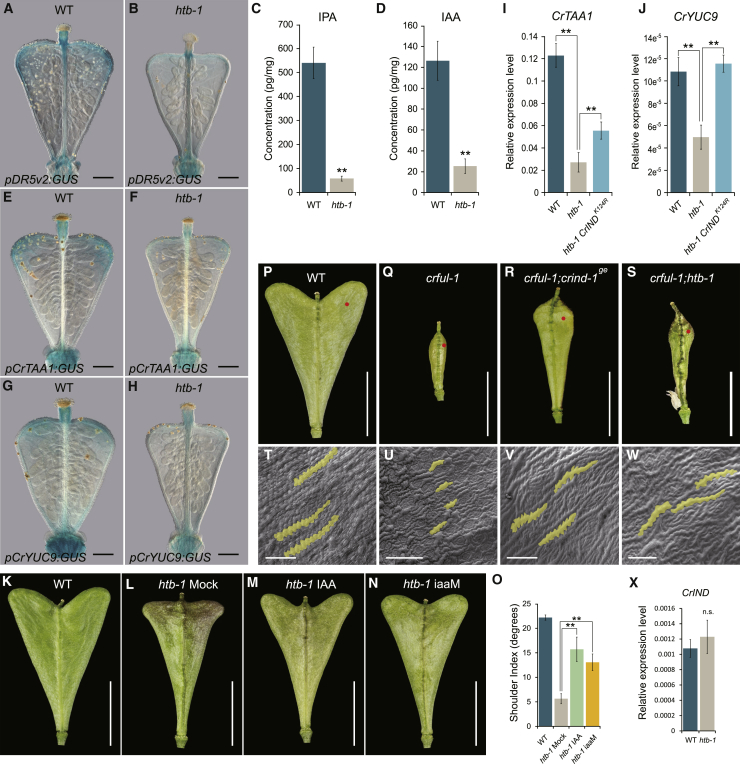
Morphological variation is the basis of natural diversity and adaptation. For example, angiosperms (flowering plants) evolved during the Cretaceous period more than 100 mya and quickly colonized terrestrial habitats [1]. A major reason for their astonishing success was the formation of fruits, which exist in a myriad of different shapes and sizes [2]. Evolution of organ shape is fueled by variation in expression patterns of regulatory genes causing changes in anisotropic cell expansion and division patterns [3-5]. However, the molecular mechanisms that alter the polarity of growth to generate novel shapes are largely unknown. The heart-shaped fruits produced by members of the Capsella genus comprise an anatomical novelty, making it particularly well suited for studies on morphological diversification [6-8]. Here, we show that post-translational modification of regulatory proteins provides a critical step in organ-shape formation. Our data reveal that the SUMO protease, HEARTBREAK (HTB), from Capsella rubella controls the activity of the key regulator of fruit development, INDEHISCENT (CrIND in C. rubella), via de-SUMOylation. This post-translational modification initiates a transduction pathway required to ensure precisely localized auxin biosynthesis, thereby facilitating anisotropic cell expansion to ultimately form the heart-shaped Capsella fruit. Therefore, although variation in the expression of key regulatory genes is known to be a primary driver in morphological evolution, our work demonstrates how other processes-such as post-translational modification of one such regulator-affects organ morphology.
形态变异是自然多样性和适应性的基础。例如,被子植物(开花植物)在 1 亿多年前的白垩纪进化而来,并迅速占领了陆地栖息地[1]。它们惊人成功的一个主要原因是果实的形成,果实具有无数不同的形状和大小[2]。器官形状的进化是由调节基因表达模式的变异所驱动的,这种变异导致各向异性细胞扩张和分裂模式的变化[3-5]。然而,改变生长极性以产生新形状的分子机制在很大程度上是未知的。头状花科植物成员所产生的心形果实构成了一种解剖学上的新颖性,使其特别适合于形态多样化的研究[6-8]。在这里,我们表明调节蛋白的翻译后修饰为器官形状的形成提供了一个关键步骤。我们的数据表明,来自 Capsella rubella 的 SUMO 蛋白酶 HEARTBREAK (HTB) 通过去 SUMOylation 控制果实发育关键调节因子 INDEHISCENT (CrIND 在 C. rubella 中的简称) 的活性。这种翻译后修饰启动了一个信号转导途径,该途径是确保精确局部生长素生物合成所必需的,从而促进各向异性细胞扩张,最终形成心形的头状花科果实。因此,尽管关键调节基因表达的变化已知是形态进化的主要驱动因素,但我们的工作表明,其他过程(如调节因子的翻译后修饰)如何影响器官形态。