Jaiswal Yogini, Shaikh Mohd Farooq, Wang Ilya, Yong Yanning, Lin Lin Lee Vanessa, Williams Leonard
Center for Excellence in Post-Harvest Technologies, The North Carolina Research Campus, 500 Laureate Way, Kannapolis, NC 28081, USA.
Neuropharmacology Research Laboratory, Jeffrey Cheah School of Medicine & Health Sciences, Monash University Malaysia, Bandar Sunway 47500, Malaysia.
Brain Sci. 2020 Aug 11;10(8):541. doi: 10.3390/brainsci10080541.
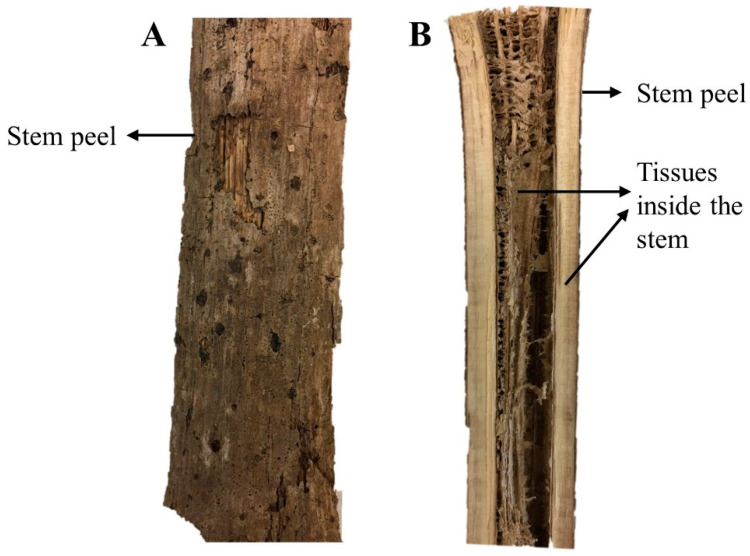
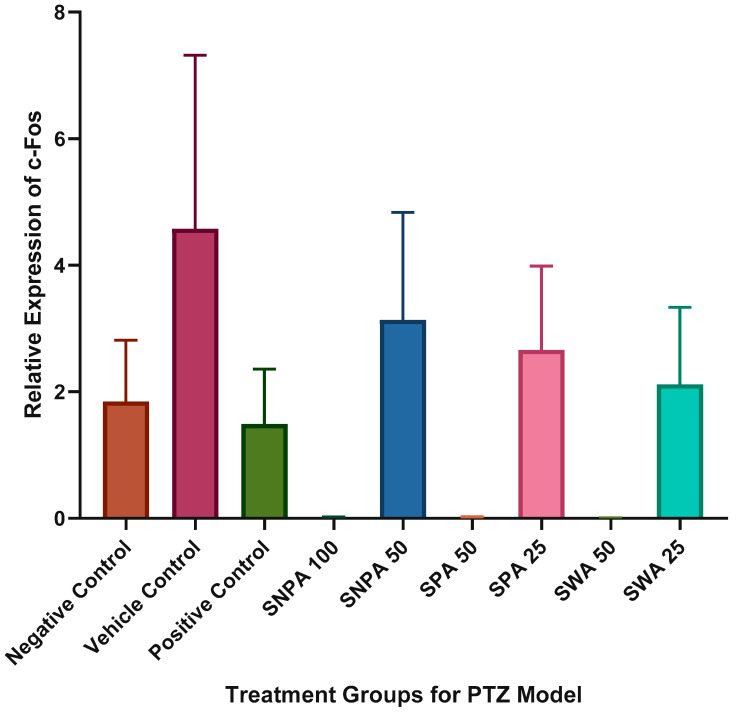
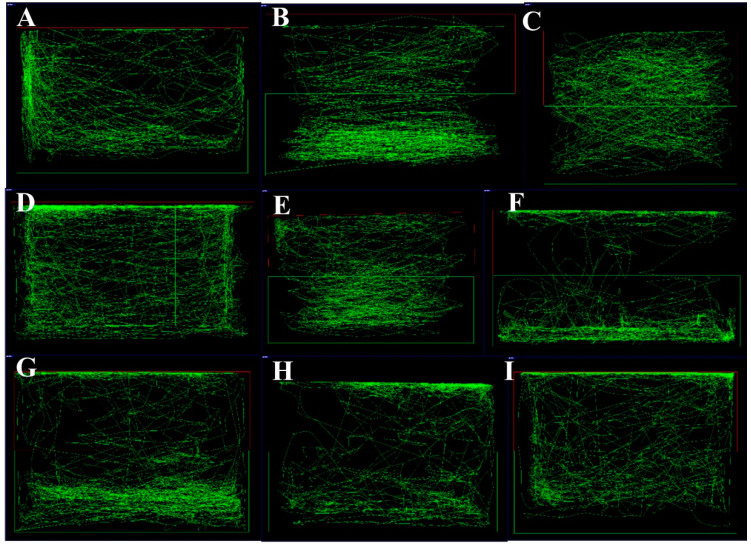
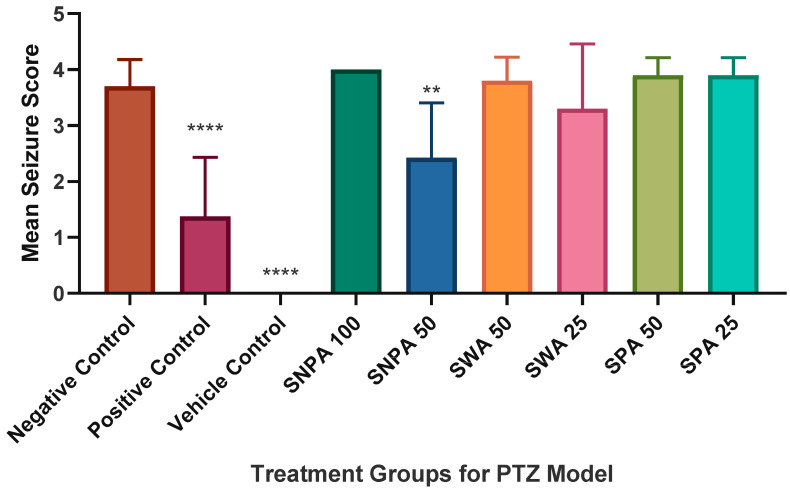
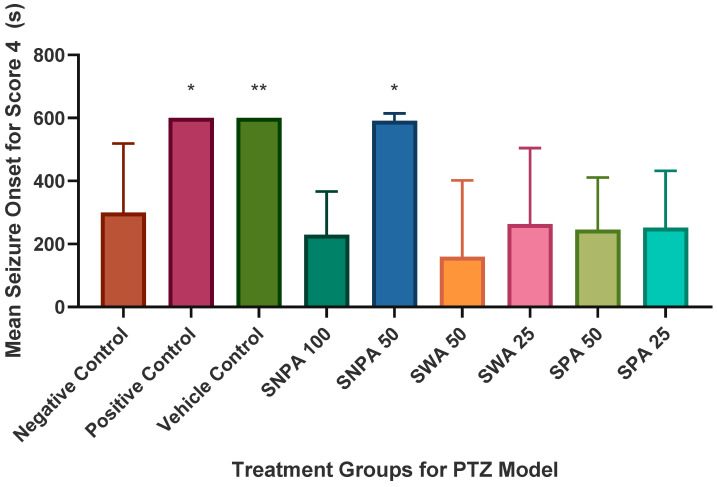
Kava roots have been extensively studied in clinical trials as potential candidate anti-anxiety drugs. However, anti-convulsive properties of various tissues of stems of Kava have not been reported to date. The objective of the study was to evaluate the anti-convulsive potential of aqueous extracts prepared from specific tissues of Kava () stems in zebrafish, using the PTZ-induced seizure model. The potency of each extract was compared in terms of the intensity of seizure scores and onset time after pre-treating the zebrafish before the PTZ challenge. The results indicate that aqueous extract of Kava stems without peel after 45 min of pre-treatment exhibited anti-convulsive potential at the dose of 50 mg/L. This study provides evidence to the anti-convulsive properties of peeled Kava stems and its potential for investigation and design of candidate anti-convulsive drugs.
卡瓦根已在临床试验中作为潜在的抗焦虑药物候选物进行了广泛研究。然而,迄今为止,尚未有关于卡瓦茎不同组织抗惊厥特性的报道。本研究的目的是使用戊四氮诱导的癫痫模型,评估从卡瓦()茎的特定组织制备的水提取物在斑马鱼中的抗惊厥潜力。在戊四氮激发前对斑马鱼进行预处理后,根据癫痫发作评分的强度和发作时间比较每种提取物的效力。结果表明,预处理45分钟后无外皮的卡瓦茎水提取物在50 mg/L的剂量下表现出抗惊厥潜力。本研究为去皮卡瓦茎的抗惊厥特性及其作为候选抗惊厥药物的研究和设计潜力提供了证据。