Liu Jia, Chen Lei, Zhang Xin, Pan Lixiao, Jiang Lili
Department of Anesthesiology, The Affiliated Hospital of Qingdao University, Qingdao, Shandong 266000, People's Republic of China.
Department of Integrated Management, The Affiliated Hospital of Qingdao University, Qingdao, Shandong 266000, People's Republic of China.
Drug Des Devel Ther. 2020 Aug 5;14:3165-3175. doi: 10.2147/DDDT.S250904. eCollection 2020.
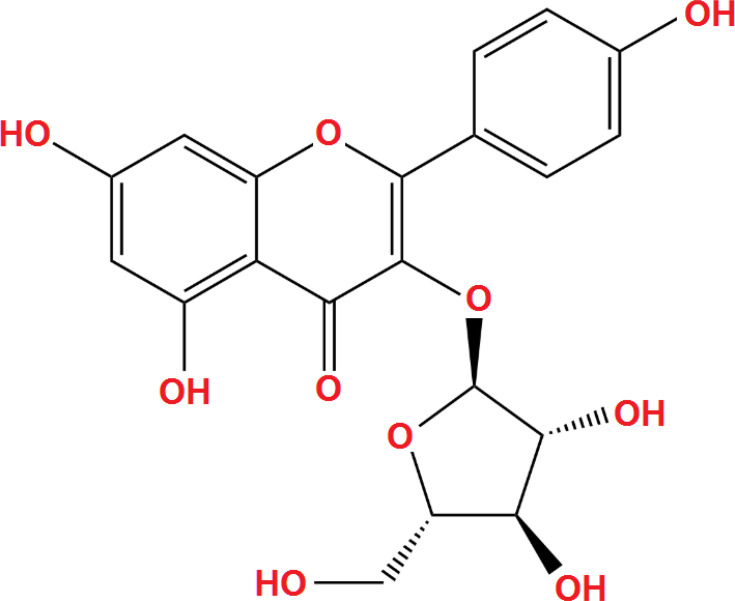
Ischemic brain injury due to stroke or other pathologies is a major contributor to disability and mortality worldwide. Upon the occurrence of stroke, neuronal cells undergo apoptosis due to the deprivation of oxygen and nutrients and failure of the blood-brain barrier (BBB). In the moments immediately following a stroke, widespread perfusion resulting from hyperpermeability is accompanied by an acute inflammatory response, which induces neovascularization and often permanent neurological injury. Vascular endothelial growth factor (VEGF) and its receptor VEGF receptor 2 (VEGFR2) have been targeted to suppress cerebral ischemia. Recently, natural products including flavonoids, such as juglanin, have been receiving increasing attention for their impressive physiological effects.
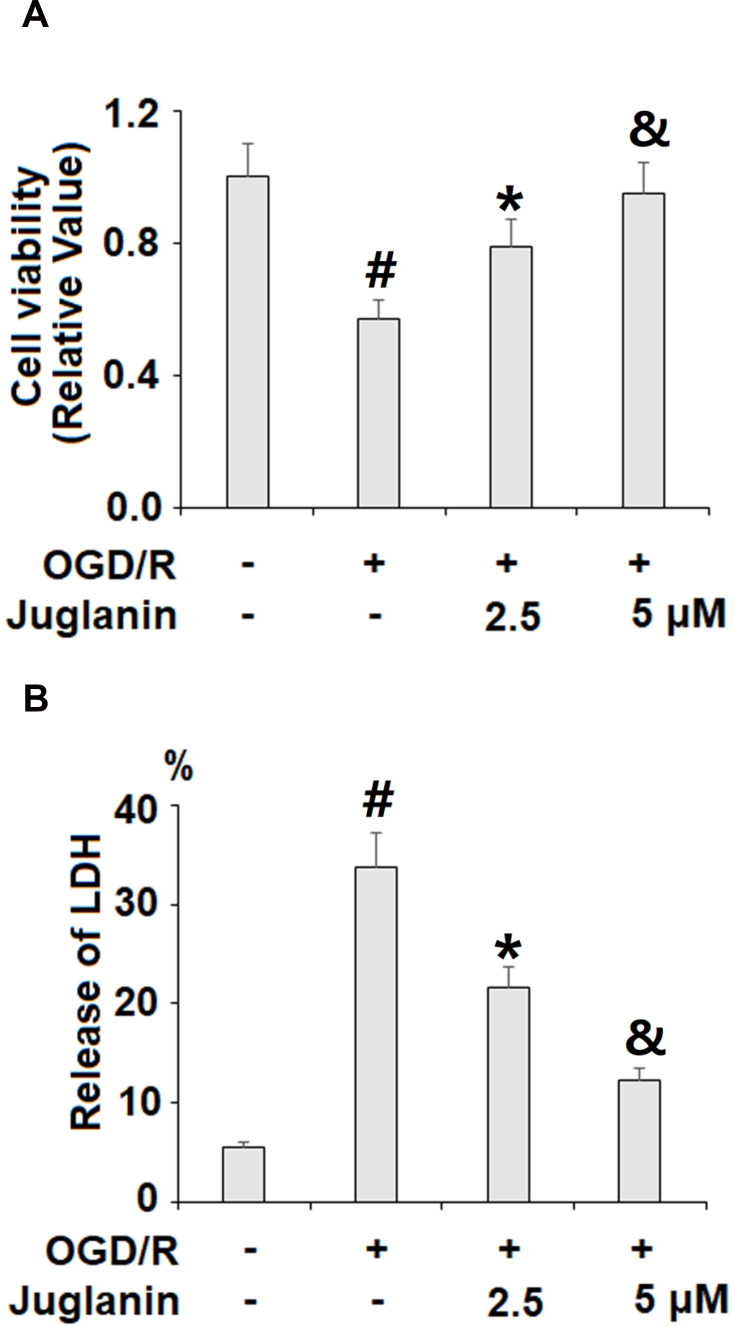
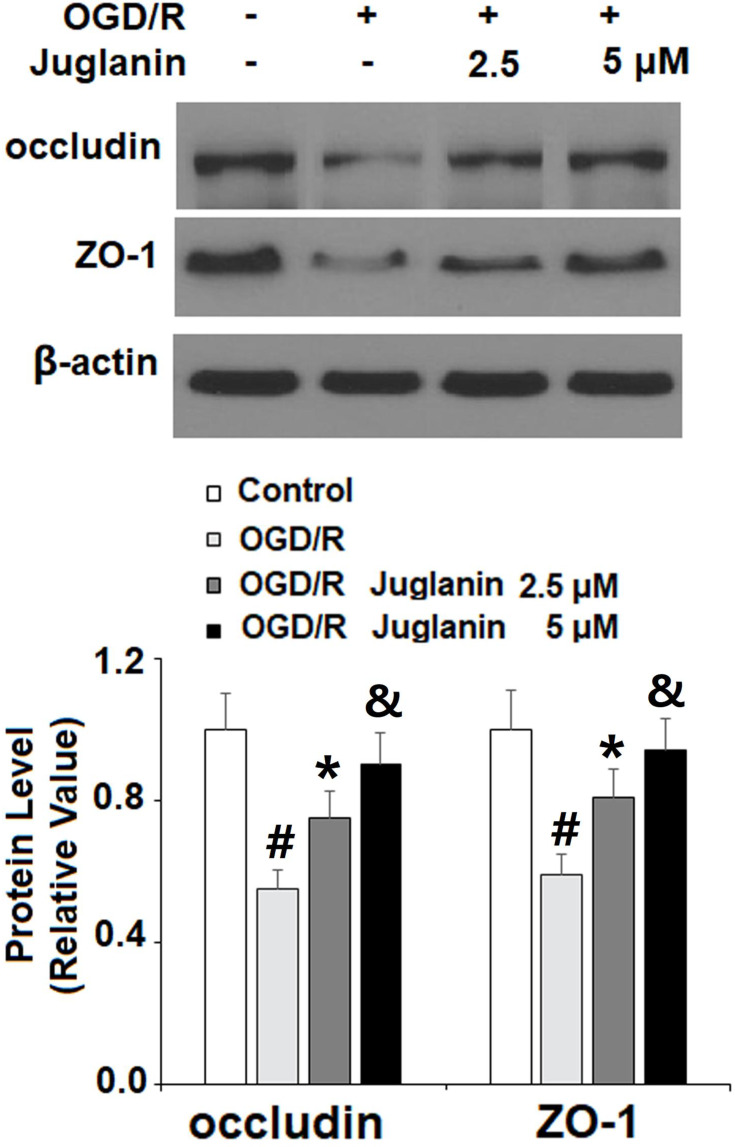
Twenty mg/kg body weight juglanin was administrated for 3 weeks before inducing middle cerebral artery occlusion (MCAO) in mice. The animal brain infarction volume, neurological deficit score, blood-brain barrier permeability, and the expression of tight junction proteins were evaluated. Endothelial permeability and tight junction protein expression were also assessed in brain microvascular endothelial cells (HMBVECs) exposed to oxygen-glucose deprivation/reperfusion (OGD/R).
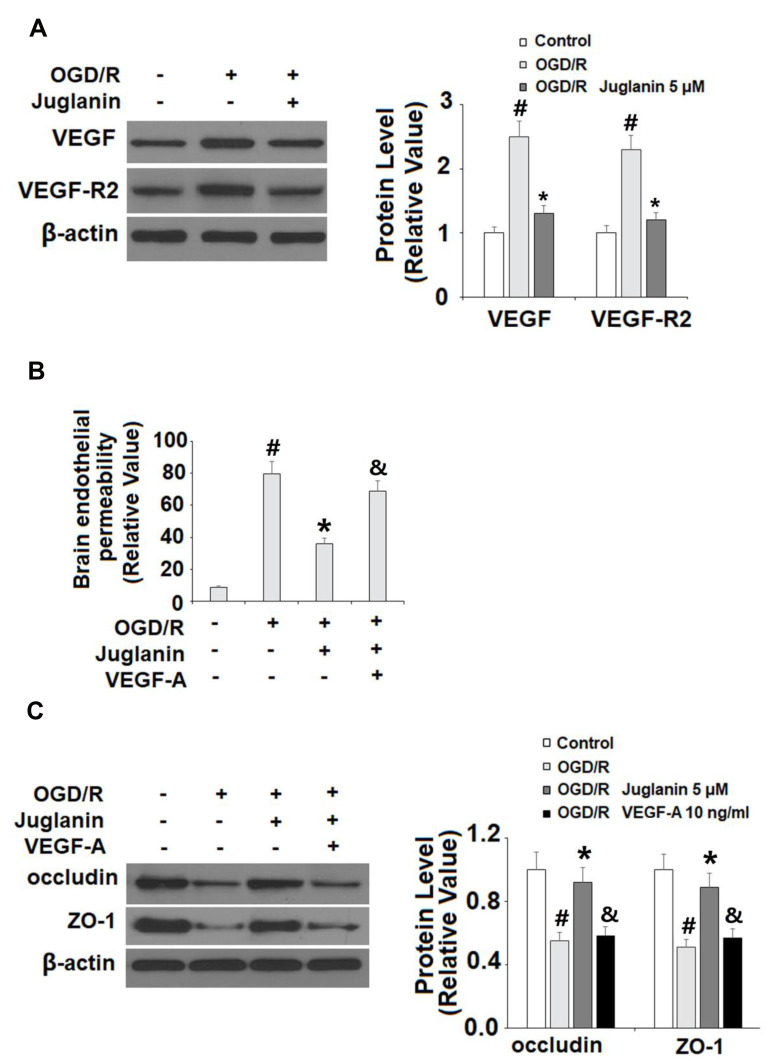
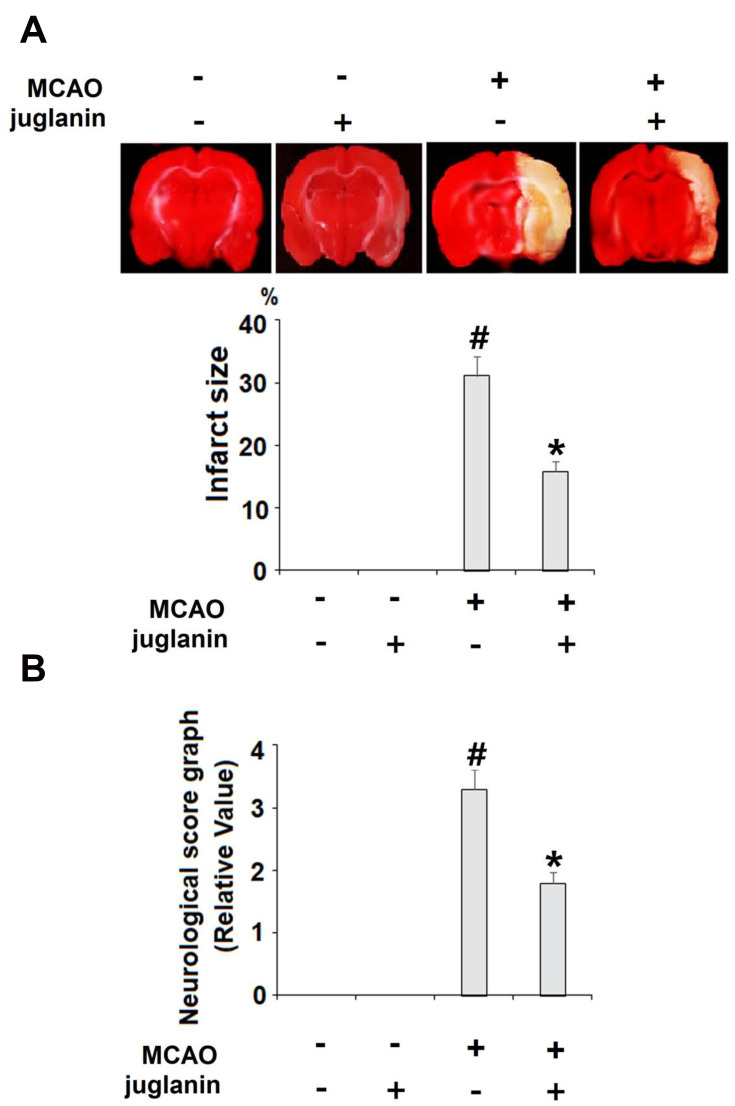
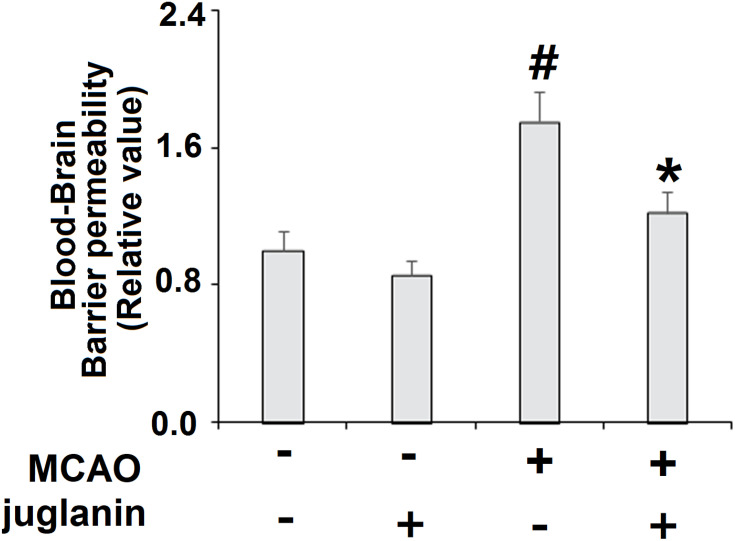
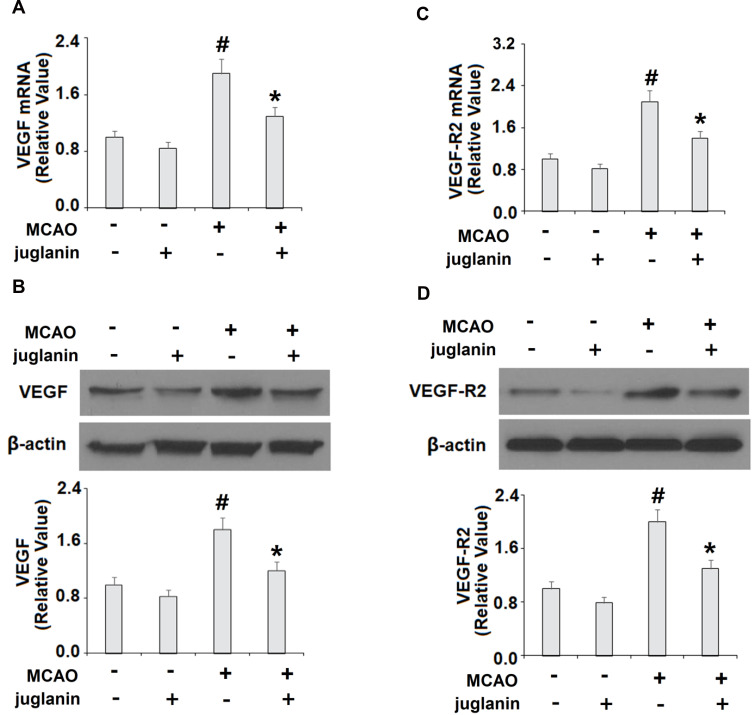
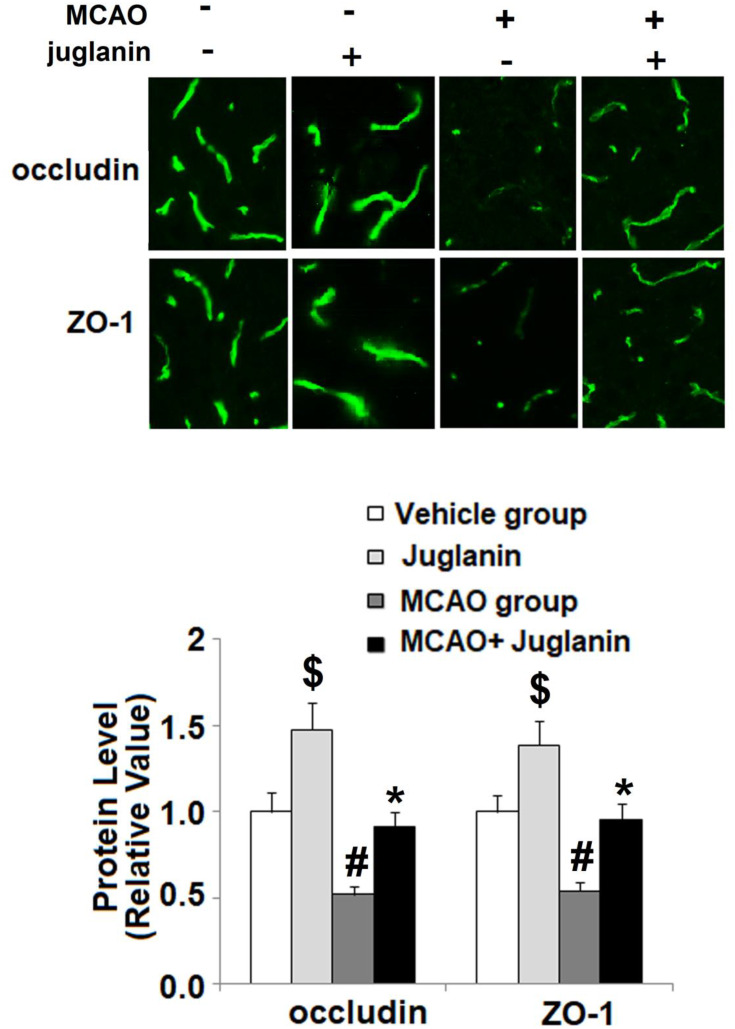
Juglanin significantly reduced occlusion-induced infarct volume and improved neurological score by suppressing BBB hyperpermeability. Juglanin inhibited both the mRNA and protein expression of VEGF and VEGFR2 and restored the normal expression of occludin and zonula occludens-1 (ZO-1), two important tight junction proteins, in MCAO mice. Meanwhile, the results of in vitro experiments show that the protective effects of juglanin against increased BBB permeability and reduced tight junction functionality are dependent on the VEGF/VEGFR2 signaling pathway, as evidenced by the capacity of exogenous VEGF-A to abolish the effects of juglanin.
Our findings indicate a potent ability of juglanin to prevent neuronal injury resulting from cerebral ischemia by modulating the VEGF/VEGFR2 signaling pathway. Further research will help elucidate the exact mechanisms behind the protective effects of juglanin.
中风或其他病理状况导致的缺血性脑损伤是全球残疾和死亡的主要原因。中风发生时,神经元细胞因缺氧和营养物质剥夺以及血脑屏障(BBB)功能障碍而发生凋亡。在中风后的即刻,高通透性导致的广泛灌注伴随着急性炎症反应,这会诱导新血管形成并常常导致永久性神经损伤。血管内皮生长因子(VEGF)及其受体VEGF受体2(VEGFR2)已成为抑制脑缺血的靶点。最近,包括黄酮类化合物如胡桃素在内的天然产物因其令人印象深刻的生理效应而受到越来越多的关注。
在诱导小鼠大脑中动脉闭塞(MCAO)前3周,给予20mg/kg体重的胡桃素。评估动物脑梗死体积、神经功能缺损评分、血脑屏障通透性以及紧密连接蛋白的表达。还对暴露于氧糖剥夺/再灌注(OGD/R)的脑微血管内皮细胞(HMBVECs)的内皮通透性和紧密连接蛋白表达进行了评估。
胡桃素通过抑制血脑屏障高通透性显著减少了闭塞诱导的梗死体积并改善了神经功能评分。胡桃素抑制了MCAO小鼠中VEGF和VEGFR2的mRNA和蛋白表达,并恢复了两种重要紧密连接蛋白occludin和闭合蛋白-1(ZO-1)的正常表达。同时,体外实验结果表明,胡桃素对血脑屏障通透性增加和紧密连接功能降低的保护作用依赖于VEGF/VEGFR2信号通路,外源性VEGF-A消除胡桃素作用的能力证明了这一点。
我们的研究结果表明,胡桃素具有通过调节VEGF/VEGFR2信号通路预防脑缺血导致的神经元损伤的强大能力。进一步的研究将有助于阐明胡桃素保护作用背后的确切机制。