Kabeya Kenji, Satoh Hiroki, Hori Satoko, Miura Yasumasa, Sawada Yasufumi
Faculty of Pharmaceutical Sciences, The University of Tokyo, Tokyo 113-0033, Japan.
Laboratory of Drug Lifetime Management, Graduate School of Pharmaceutical Sciences, The University of Tokyo, Tokyo 113-0033, Japan.
Patient Prefer Adherence. 2020 Jul 22;14:1251-1258. doi: 10.2147/PPA.S253663. eCollection 2020.
Medical tablets and capsules are superior with regard to portability and are the most common dosage form in Japan. However, their large size often results in difficulties during ingestion, sometimes leading to reduced medication adherence.
The authors used postmarketing surveillance data to determine the threshold size of medical tablets and capsules that patients feel are too large to ingest.
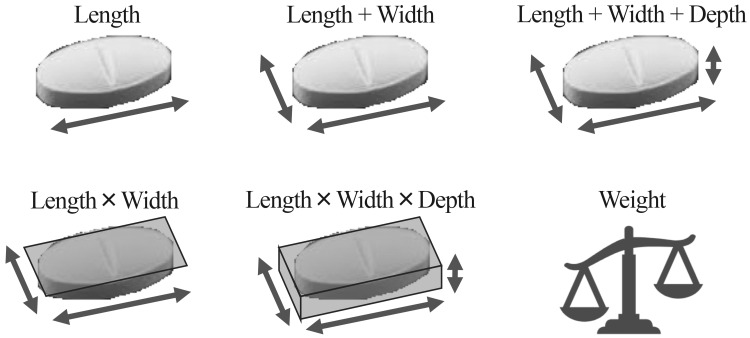
The marketing specialists of Toho Pharmaceutical Co., Ltd. collected opinions of patients and medical workers (November 2014-April 2016). Regarding 709 reports from patients stating that the tablet or capsule for too large for ingestion, a dataset was prepared from package inserts of the reported drugs. Two analyses were conducted: histogram analysis of size distribution and geometric analysis using linear approximation. Six indices of tablet/capsule size were considered: length; length + width; length + width + depth; length × width; length × width × depth; and weight.
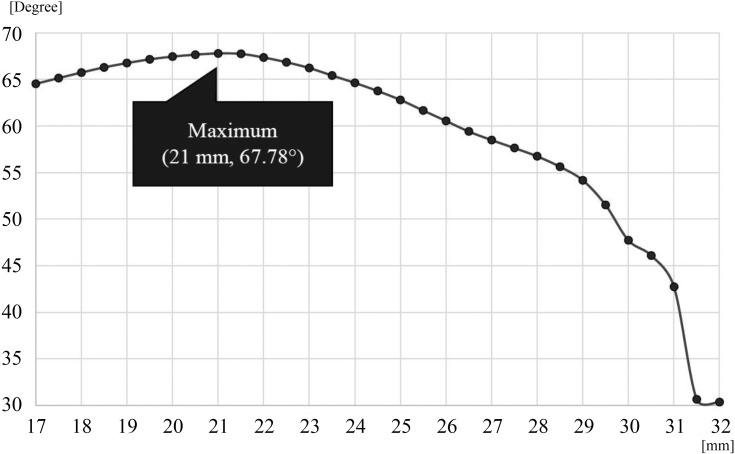
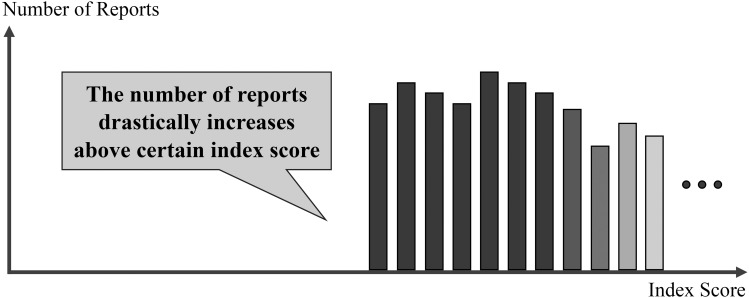
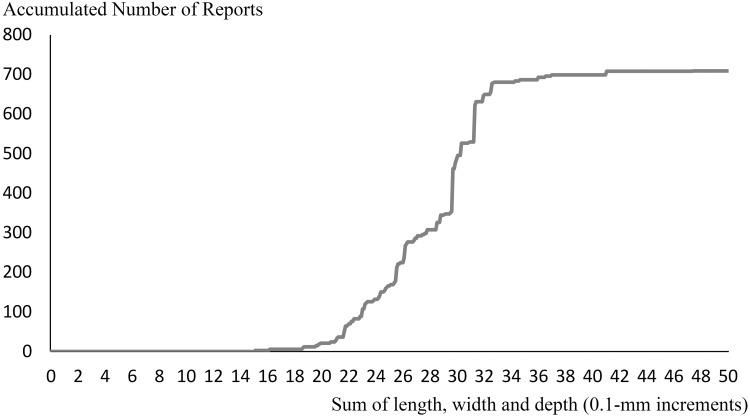
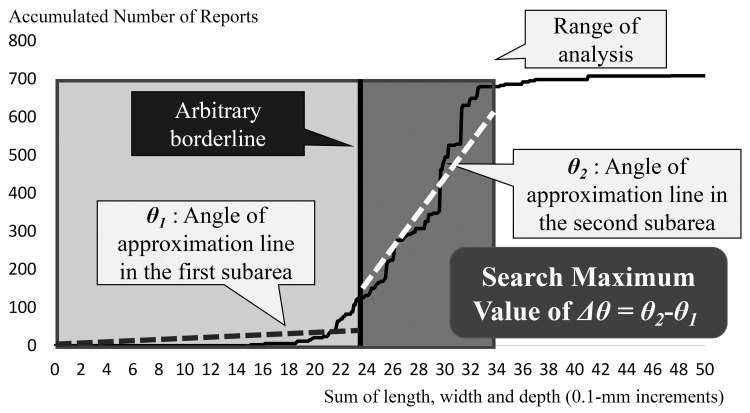
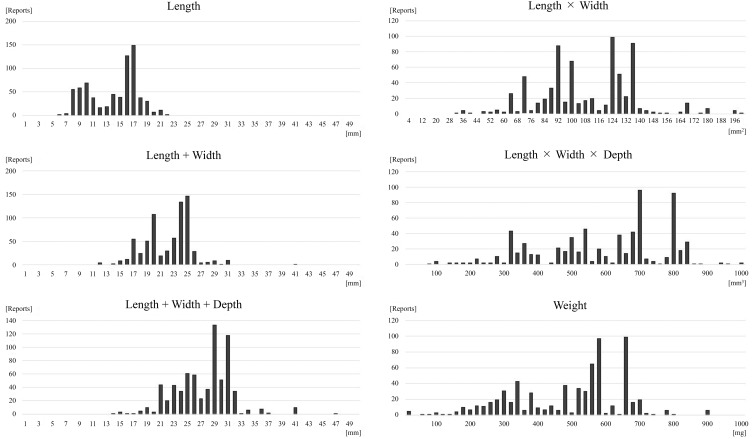
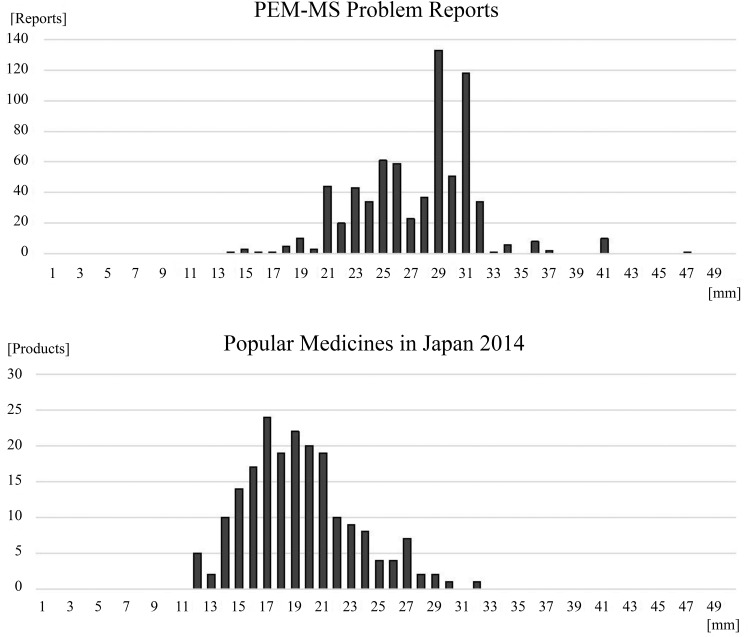
Histogram analysis revealed that length + width + depth is an excellent index of tablet/capsule size, and negative reports on tablet/capsule size drastically increase when this index is ≥21 mm. Geometric analysis using linear approximation also revealed similar results.
The threshold size of tablets/capsules that patients feel are too large to ingest is length + width + depth = 21 mm. Therefore, when designing or altering tablets/capsules, if length + width + depth is ≥21 mm, the drug should be scored, split into smaller doses, or redesigned as an orally disintegrating formulation.
医用片剂和胶囊在便携性方面具有优势,是日本最常见的剂型。然而,它们的大尺寸常常导致吞咽困难,有时会导致药物依从性降低。
作者利用上市后监测数据来确定患者认为太大而难以吞咽的医用片剂和胶囊的阈值大小。
东邦制药有限公司的市场专员收集了患者和医护人员的意见(2014年11月至2016年4月)。对于709份患者报告称片剂或胶囊太大难以吞咽的情况,从所报告药物的包装说明书中准备了一个数据集。进行了两项分析:尺寸分布的直方图分析和使用线性近似的几何分析。考虑了片剂/胶囊尺寸的六个指标:长度;长度+宽度;长度+宽度+深度;长度×宽度;长度×宽度×深度;以及重量。
直方图分析表明,长度+宽度+深度是片剂/胶囊尺寸的一个极佳指标,当该指标≥21毫米时,关于片剂/胶囊尺寸的负面报告急剧增加。使用线性近似的几何分析也得出了类似的结果。
患者认为太大而难以吞咽的片剂/胶囊的阈值大小为长度+宽度+深度=21毫米。因此,在设计或改变片剂/胶囊时,如果长度+宽度+深度≥21毫米,药物应刻痕、分成较小剂量或重新设计为口腔崩解制剂。